Do you carry a lock on your bike every time you ride? If not, you could be leaving your bike vulnerable to theft.
Imagine coming back to find your bike gone—how would that feel? A simple lock can save you from that frustration and protect your investment. You’ll discover why carrying a bike lock is essential, the types that suit your needs best, and tips to keep your bike safe wherever you go.
Keep reading to make sure your bike is always secure.

Credit: www.reddit.com
Why Carry A Bike Lock
Carrying a bike lock is a smart choice for every cyclist. It protects your bike from theft and gives you confidence wherever you park. A lock is a simple tool that keeps your bike safe. It prevents loss and saves money on replacements. Always having a lock means you can stop anywhere without worry.
Theft Risks On The Road
Bike theft happens often, especially in busy places. Thieves look for easy targets. An unlocked bike is a quick prize. Streets, parks, and parking lots can be risky. Even short stops can lead to theft. Bikes left unattended without locks invite trouble. A good lock acts as a strong barrier. It slows down thieves and makes stealing harder.
Peace Of Mind Benefits
Carrying a lock gives peace of mind. You can leave your bike and enjoy your time. No need to rush or watch your bike constantly. It reduces stress during errands or breaks. A lock means your bike stays where you left it. You feel secure and relaxed. This peace helps you enjoy rides more.
Types Of Bike Locks
Choosing the right bike lock keeps your bicycle safe. Different locks offer different levels of protection and convenience. Understanding common types helps you pick the best lock for your needs.
U-locks And D-locks
U-locks, also called D-locks, have a strong metal shackle shaped like the letter U or D. They resist cutting and leverage attacks well. These locks are heavy but offer excellent security. Ideal for urban areas with high theft risk.
Chain Locks
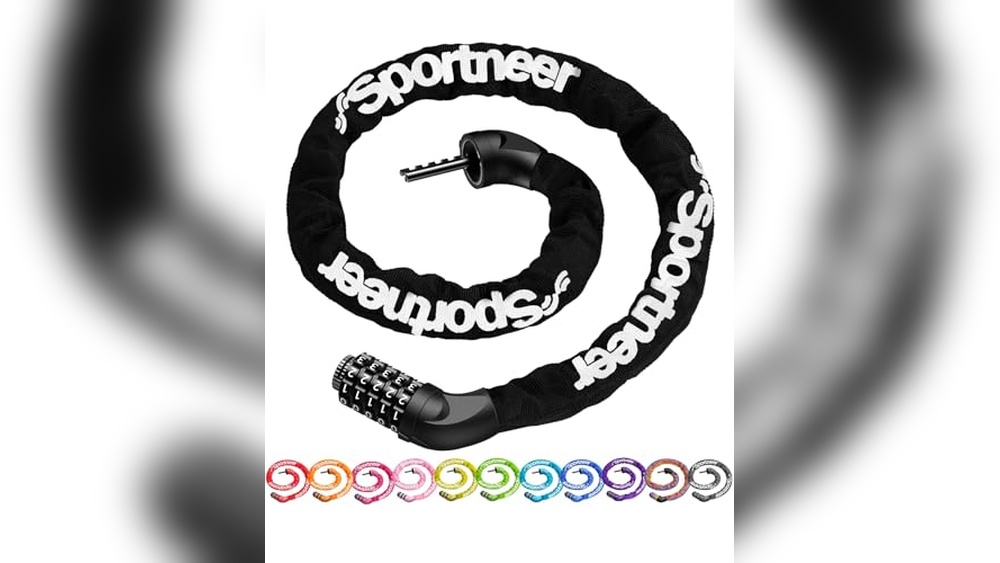
Chain locks use thick metal links joined by a lock. They are flexible and allow locking your bike to many objects. The security depends on the chain’s thickness and the lock quality. Heavy chains can be hard to carry but offer strong protection.
Cable Locks
Cable locks consist of braided steel cables covered in plastic. They are light and easy to carry. These locks work for low-risk areas or short stops. Cable locks are less secure and can be cut quickly with tools.
Folding Locks
Folding locks have metal plates connected by rivets. They fold into a compact shape for easy storage. These locks balance security and portability. Good choice for cyclists who want a lightweight and flexible lock.
Choosing The Right Lock
Choosing the right lock for your bike is important to keep it safe. Not all locks offer the same protection. Some are heavy but strong, while others are light but less secure. You need to find a lock that fits your daily needs. Think about where you park and how long your bike stays unattended. This will help you pick the best lock type.
Security Level Vs. Weight
A strong lock usually weighs more. Heavy locks can stop thieves better. But carrying a heavy lock can be hard. Light locks are easy to carry but might not protect well. Choose a lock with a good balance of weight and security. This depends on how risky your bike parking spots are.
Portability Considerations
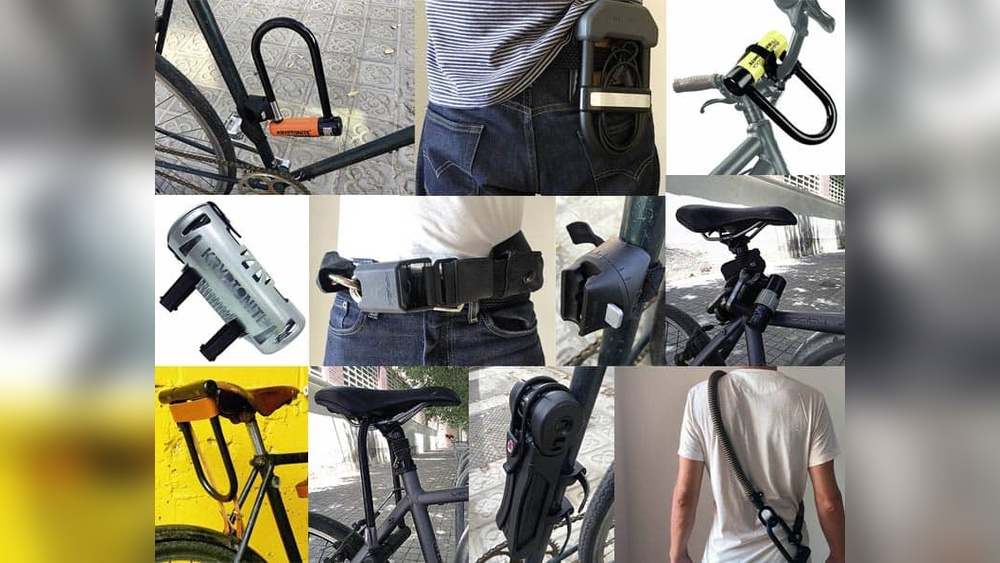
Portability means how easy it is to carry your lock. Some locks fold or coil to fit in bags. Others come with mounts for your bike frame. Think about your travel style. If you ride long distances, a lighter, smaller lock works best. If you ride short trips, a bigger lock might be okay.
Budget And Durability
Lock prices vary from cheap to expensive. Expensive locks often last longer and resist attacks better. Cheap locks may break or rust quickly. Invest in a lock that fits your budget but does not compromise durability. A durable lock protects your bike more over time.
Locking Techniques
Locking your bike the right way helps stop thieves. Good locking techniques protect your bike and give you peace. Learn the best ways to secure your bike safely and smartly.
Securing The Frame And Wheels
Always lock the bike frame, not just the wheels. The frame is the strongest part of your bike. Use a lock that fits around the frame and the wheel. Lock both wheels if you can. This stops thieves from taking parts separately.
Selecting A Strong Anchor Point
Find a solid anchor point to lock your bike. Use a metal pole or a bike rack fixed to the ground. Avoid thin or weak objects that can break easily. The anchor must be hard to move or cut. This keeps your bike safe from quick grabs.
Avoiding Common Mistakes
Never lock your bike to something that can be lifted. Avoid locking only the front wheel or the seat. Don’t use old or weak locks. Check the lock for damage before use. Always lock your bike in a visible, busy area. These simple steps help stop most thefts.
Additional Security Measures
Keeping your bike safe needs more than just one lock. Extra steps help stop theft and keep your bike secure. These simple actions add layers of protection that thieves find hard to break through.
Using Multiple Locks
Use two different types of locks for better security. A U-lock and a cable lock together work well. One lock secures the frame, the other locks the wheels. This makes stealing your bike much harder.
Marking And Registering Your Bike
Mark your bike with a unique ID or your name. This helps prove ownership if it gets lost or stolen. Register your bike with local or online databases. It increases chances of recovery and deters thieves.
Storing Bikes In Safe Locations
Park your bike in busy, well-lit areas. Thieves avoid places where people watch. At home, use a locked garage or shed. Inside storage is safer than leaving bikes outside.

Credit: www.reddit.com
Maintaining Your Bike Lock
Maintaining your bike lock is important to keep it working well. A lock that works smoothly protects your bike better. Simple care can stop rust and damage. Small actions extend the life of your lock. This saves money and gives peace of mind.
Cleaning And Lubrication Tips
Clean your lock regularly to remove dirt and dust. Use a soft brush or cloth for cleaning. Avoid harsh chemicals that can harm the lock. Lubricate the lock mechanism with a light oil. This helps the key turn smoothly. Do this every few months or after rain. Keep the keyhole free from dirt and debris.
Checking For Wear And Tear
Look closely at your lock for signs of damage. Check the chain or cable for rust or breaks. Inspect the lock body for cracks or dents. Test the key to see if it turns easily. Replace the lock if you find serious damage. A worn lock may fail to protect your bike.
Smart Lock Options
Smart lock options bring new technology to bike security. These locks use digital features to protect your bike. They offer convenience and can be easier to use than traditional locks.
Smart locks often connect to your phone or other devices. This allows you to control the lock remotely or monitor your bike’s status. Some models send alerts if someone tries to tamper with your bike.
Bluetooth And App-enabled Locks
Bluetooth locks connect directly to your smartphone. You can lock or unlock your bike using an app. The app may also show battery life and lock history.
App-enabled locks offer remote control. You can share access with friends or family through the app. Some locks also include GPS tracking to help find a stolen bike.
Pros And Cons Of Smart Locks
Smart locks provide easy and quick access to your bike. They reduce the need for physical keys. Notifications add an extra layer of security.
Battery life can be a concern. Locks need regular charging or battery replacement. Some models are more expensive than traditional locks.
Connectivity issues may occur in some areas. Bluetooth range limits remote access. App updates may affect lock functionality.

Credit: thebestbikelock.com
Frequently Asked Questions
Do I Need To Carry A Lock On My Bike Daily?
Yes, carrying a lock daily protects your bike from theft. It ensures security when parking in public or unfamiliar areas. A lock adds peace of mind and discourages opportunistic thieves.
What Type Of Lock Is Best For Bike Security?
U-locks and heavy-duty chain locks offer the best security. They resist cutting and picking better than cable locks. Choosing a high-quality lock reduces theft risk significantly.
How Should I Lock My Bike Properly?
Lock both the frame and one wheel to a fixed object. Avoid locking only the wheel or quick-release parts. Position the lock off the ground to prevent leverage attacks.
Can Carrying A Lock Affect My Bike’s Weight?
Most high-security locks add some weight but are worth the protection. Choose lightweight but strong locks if you prioritize portability. Balancing security and weight is key for daily riders.
Conclusion
Carrying a lock on your bike protects it from theft. It gives peace of mind wherever you go. A strong lock can stop many thieves. Always choose a lock that fits your needs. Remember, locking your bike saves time and money later.
Don’t leave your bike unprotected, even for a short time. Safety starts with simple actions like carrying a lock. Stay smart, keep your bike safe every day.