
Are you wondering if you really need a bench for your dumbbells? Whether you’re just starting out or looking to upgrade your home gym, this question can make a big difference in your workout results.
The right equipment can boost your strength, improve your form, and keep you safe. But is a bench necessary, or can you get by without one? Keep reading to discover the surprising benefits and what might work best for your fitness goals.
Your next workout could depend on the answer.
Benefits Of Using A Bench
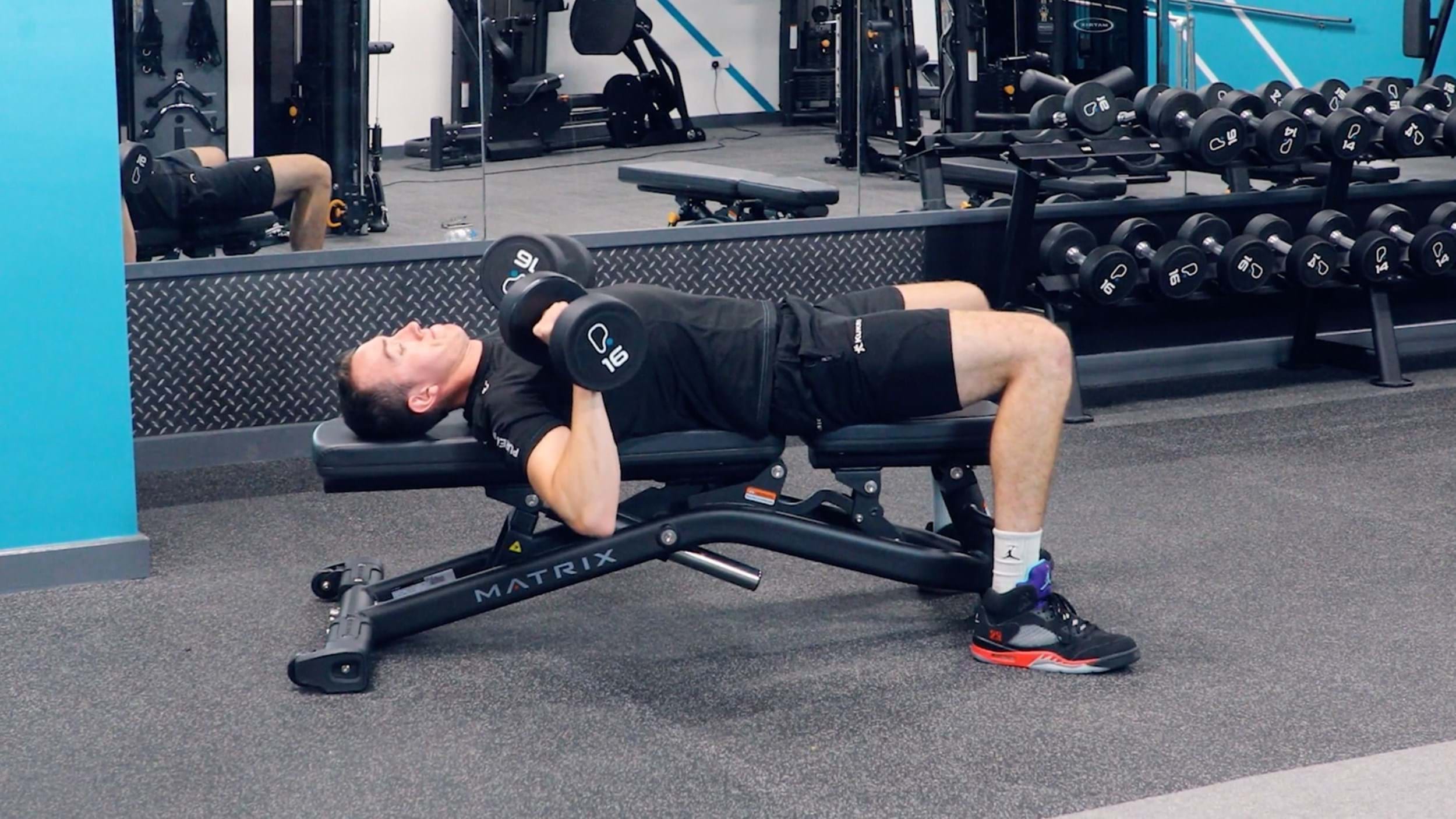
Using a bench with dumbbells adds many benefits to your workouts. It helps you do more exercises and stay safe. A bench supports your body and makes your movements better. This section explains how a bench improves exercise variety, form, and muscle activation.
Enhanced Exercise Variety
A bench lets you try many new exercises. You can do presses, flyes, and rows easily. Changing angles, like flat or incline, targets different muscles. This variety keeps workouts fun and effective. Without a bench, some moves are hard to perform.
Improved Form And Stability
A bench supports your body and helps keep balance. It stops you from wobbling during lifts. Good form reduces injury risk and helps muscles grow. Sitting or lying on a bench keeps your back and core stable. You can focus on the right motion with less strain.
Increased Muscle Activation
Using a bench helps engage more muscles during exercises. It allows a better range of motion. This means muscles work harder and get stronger. Adjusting your position on the bench targets different muscle parts. More muscle activation leads to faster progress and better results.
Credit: www.puregym.com
Types Of Benches For Dumbbells
Choosing the right bench can improve your dumbbell workouts. Benches come in different types to fit various exercises and fitness levels. Each type offers unique benefits for strength training and comfort.
Flat Benches
Flat benches have a simple, level surface. They work well for basic exercises like dumbbell presses and rows. These benches provide solid support and stability. Many gyms use flat benches for their versatility and ease of use.
Adjustable Benches
Adjustable benches change positions to suit different exercises. You can set them flat, inclined, or declined. This flexibility helps target different muscle groups. They are ideal for users who want variety in their workouts.
Incline And Decline Benches
Incline benches tilt upward to focus on upper chest and shoulders. Decline benches tilt downward to target lower chest and abs. Using these benches helps you train muscles from different angles. They add diversity and challenge to your routine.
Exercises With And Without A Bench
Using dumbbells offers many workout options. Some exercises need a bench, while others do not. Choosing the right exercises depends on your goals and available equipment. Both bench and floor exercises build strength and muscle.
Dumbbell Exercises Requiring A Bench
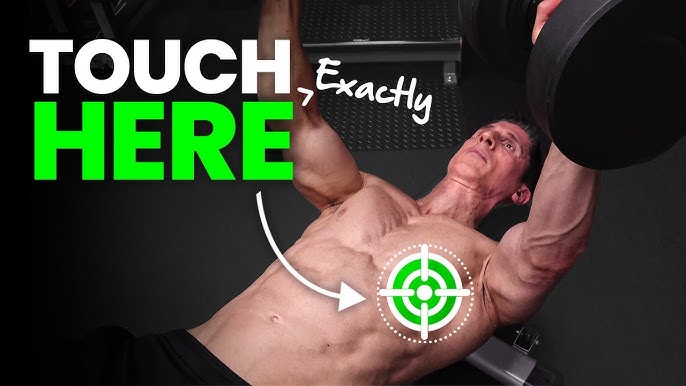
A bench supports your body during many dumbbell moves. It helps target muscles better and keeps your form safe. The bench is essential for exercises like the dumbbell chest press and dumbbell fly. These moves work your chest, shoulders, and arms.
The bench also allows for seated dumbbell shoulder presses. This exercise strengthens your shoulders and upper back. Another popular move is the dumbbell row, done with one knee on the bench. It targets the upper back and biceps effectively.
Effective Floor-based Dumbbell Moves
Many dumbbell exercises work well without a bench. The floor offers a stable surface for several moves. Dumbbell floor presses mimic the chest press but use the floor for support. This exercise is safer for your shoulders.
Other great floor exercises include dumbbell curls and tricep extensions. These moves focus on your arms and can be done anywhere. Dumbbell squats and lunges also need no bench and build leg strength. These exercises help improve balance and coordination.
Credit: www.youtube.com
Choosing The Right Bench For Your Goals
Picking the right bench can boost your dumbbell workouts. It supports your body and helps keep form. The right bench fits your goals, space, and budget. Think about what exercises you want to do. Also, consider how much room you have and how much you want to spend. A good bench lasts long and feels stable.
Considerations For Space And Budget
Measure the space where you plan to put the bench. Some benches fold for easy storage. If space is tight, a compact bench is best. Set a budget before buying. Benches vary in price from low to high. Choose one that fits your budget but stays safe and strong.
Material And Build Quality
Look for benches made with strong steel frames. The padding should be firm but comfortable. Vinyl covers are easy to clean and last long. Check the stitching and welds for durability. A solid bench feels steady and does not wobble during use.
Adjustability Features
Adjustable benches offer more workout options. You can change the backrest to flat, incline, or decline. This allows targeting different muscle groups. Some benches also adjust the seat angle. Make sure the adjustment mechanism is easy to use and locks firmly in place.
Safety Tips When Using A Bench
Using a bench with dumbbells can improve your workout. Safety is very important to avoid injury. Follow simple rules to protect yourself and get the best results. Always prepare the bench and your space before starting. Check your form and use the right weight. Take care of your bench to keep it safe for a long time.
Proper Setup And Positioning
Place the bench on a flat, stable surface. Make sure it does not wobble or move. Adjust the bench angle to match your exercise. Sit or lie down comfortably with full support. Keep your feet flat on the floor. Hold the dumbbells firmly but not too tight. Start with light weights to learn the right position.
Avoiding Common Injuries
Warm up your muscles before lifting weights. Lift slowly and control the movement. Do not bounce or jerk the dumbbells. Keep your back straight and core tight. Avoid locking your elbows during the exercise. Stop if you feel pain or discomfort. Use a spotter for heavy weights or new exercises. Rest between sets to prevent strain.
Maintaining Your Bench
Clean the bench regularly to remove sweat and dirt. Check bolts and screws for tightness often. Replace any worn or broken parts immediately. Store the bench in a dry place to prevent rust. Use a cover to protect it from dust. Follow the manufacturer’s instructions for care. A well-maintained bench lasts longer and stays safe.
Maximizing Gains With Bench Workouts
Maximizing gains with bench workouts helps build strength and muscle efficiently. A bench supports better form and targets muscles more effectively. It allows for a wide range of exercises that improve your upper body power.
Using a bench with dumbbells increases workout variety. It lets you focus on different muscle groups safely. This makes your training more balanced and productive.
Progressive Overload Strategies
Progressive overload means gradually increasing workout difficulty. Add more weight or do extra reps over time. This forces your muscles to adapt and grow stronger. Use a bench to stabilize and lift heavier dumbbells safely. Track your progress to keep challenging your body.
Combining Bench And Free Weight Training
Mix bench exercises with free weight moves for full-body strength. Bench presses focus on chest and triceps. Free weight exercises like squats and rows target legs and back. Combining both trains your body evenly. This balance reduces injury risk and improves overall fitness.
Incorporating Rest And Recovery
Muscles grow during rest, not just workouts. Take breaks between sessions using a bench. Rest days help repair muscle fibers and prevent burnout. Sleep well and eat protein to support recovery. Proper rest improves strength gains and workout quality.

Credit: repfitness.com
Frequently Asked Questions
Do You Need A Bench To Use Dumbbells Effectively?
No, a bench is not required to use dumbbells. However, it enhances exercise variety and supports proper form during workouts. A bench allows targeted muscle training and better stability, making workouts more efficient and comfortable.
Can Dumbbells Be Used Without A Bench At Home?
Yes, dumbbells can be used without a bench at home. Floor exercises and standing movements work well. A bench is optional but helpful for added support and exercise options, improving workout intensity and muscle engagement.
What Are The Benefits Of Using A Bench With Dumbbells?
Using a bench with dumbbells improves range of motion and targets muscles better. It provides stability, reduces injury risk, and allows varied exercises like presses and rows, enhancing workout effectiveness and muscle growth.
Is A Bench Necessary For Dumbbell Strength Training?
A bench is not necessary but beneficial for dumbbell strength training. It offers support and helps isolate muscles. Without a bench, standing or floor exercises still build strength but with fewer exercise variations.
Conclusion
A bench can help you do more exercises with dumbbells. It offers support and comfort while lifting weights. You can change your workout angles easily with a bench. This helps target different muscles for better results. But, you can also train without one if space or budget is tight.
Think about your goals and available room before buying. A bench adds variety but is not always needed. Choose what fits your workout style and needs best.


