Are you wondering if you really need a spotter when doing dumbbell presses? It’s a common question that can make a big difference in your workout safety and results.
Whether you’re lifting heavier weights or just starting out, knowing when and why a spotter is important can protect you from injury and help you push past your limits. Keep reading to discover exactly when having a spotter matters, and how it can boost your confidence and performance during your dumbbell press sessions.

Credit: www.fittr.com
Benefits Of Using A Spotter
Using a spotter during dumbbell presses brings many benefits. A spotter helps keep you safe. They also boost your confidence and performance. Lifting heavy weights becomes easier with their help.
Here are some key benefits of having a spotter by your side.
Improved Safety During Lifts
A spotter watches your form closely. They catch the dumbbells if you lose control. This prevents injuries and accidents. Spotters also help you avoid muscle strain. They make sure you lift with good technique. Safety is the top priority in every workout.
Enhanced Performance And Confidence
Having someone support you builds confidence. You feel safer trying heavier weights. This mental boost helps you push harder. Spotters encourage you to complete each set. They motivate you to stay focused. Confidence leads to better results in the gym.
Assistance With Heavy Weights
Lifting heavy dumbbells alone can be risky. A spotter provides help when the weight is too much. They assist in lifting the dumbbells back to start. Spotters allow you to train with heavier loads safely. This support helps you gain strength over time.
Credit: www.artofmanliness.com
When A Spotter Is Necessary
Knowing when to have a spotter during a dumbbell press is important for safety. A spotter helps prevent injuries and offers support. Certain situations call for having someone nearby to assist.
Understanding these moments helps you lift with more confidence. It also keeps your workout safe and effective. Below are key times when a spotter is necessary.
Lifting Near Maximum Capacity
When lifting very heavy weights, a spotter is important. Close to your maximum effort, muscles can tire fast. A spotter can help if you struggle to lift the dumbbells. They provide safety and prevent dropping weights on yourself.
Performing High-rep Sets
High-repetition sets cause muscle fatigue over time. This fatigue can make it hard to control the dumbbells. A spotter can assist during the last reps. They help keep your form correct and stop accidents.
Working With Uneven Or Unstable Weights
Sometimes dumbbells are not balanced or feel unstable. This can happen with old or damaged weights. A spotter helps keep the dumbbells steady. They reduce the risk of losing control and injuring yourself.
Techniques For Spotting Dumbbell Press
Spotting during a dumbbell press keeps the lifter safe and confident. It helps prevent accidents and supports proper form. Good spotting requires clear techniques. These ensure smooth and safe lifts.
Proper Positioning Of The Spotter
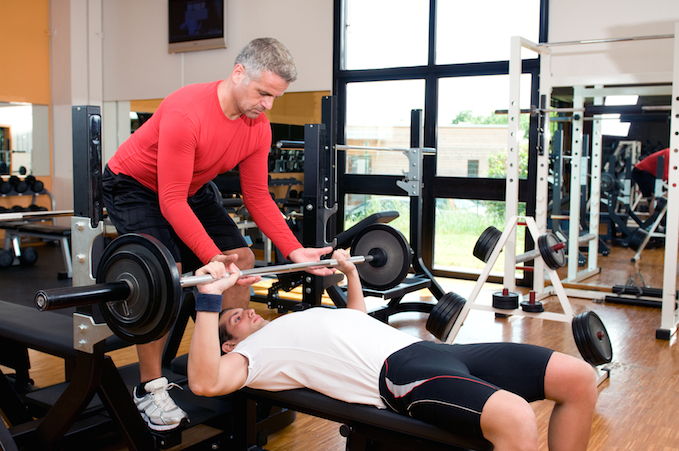
The spotter stands behind the lifter, near the bench. Feet should be shoulder-width apart for balance. Hands stay close but do not touch the dumbbells unless needed. Eyes focus on the lifter’s movements. This position allows quick help if the lifter struggles.
Effective Communication Between Spotter And Lifter
Clear communication is key before starting the lift. The lifter says when ready to begin. The spotter confirms and watches closely. If the lifter feels tired or unsafe, they must say so immediately. Short, clear words work best. This prevents confusion and keeps safety high.
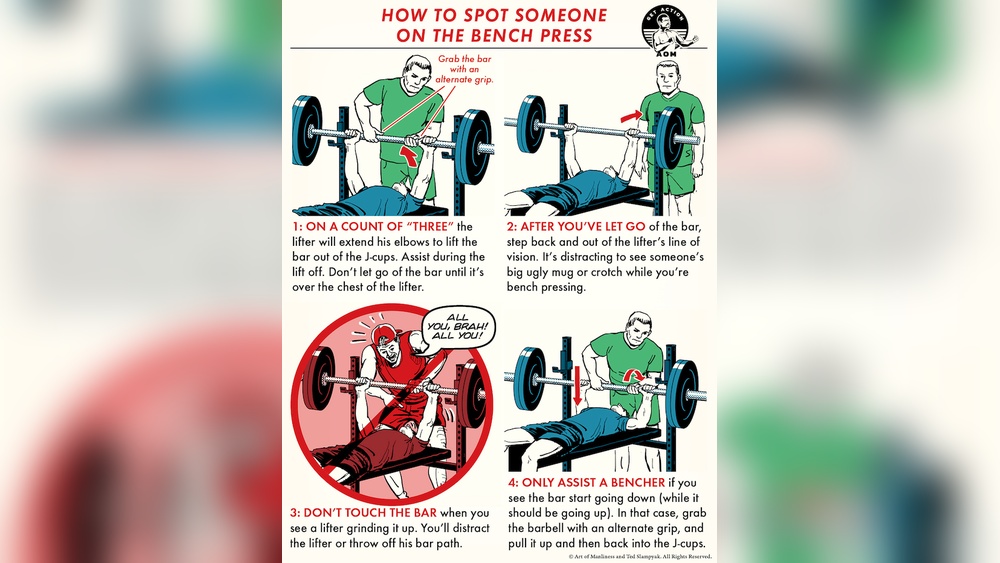
Helping With Lift-off And Rack
The spotter assists the lifter in lifting the dumbbells off the rack. They help guide the weights up smoothly to avoid strain. At the end, the spotter helps return the dumbbells safely to the rack. This support reduces injury risk and helps the lifter focus on the exercise.
Alternatives To A Spotter
Not everyone has a spotter available during a dumbbell press. Safety is key while lifting weights. There are several smart alternatives to keep your workout safe and effective. These options let you train alone without risking injury.
Using Lighter Weights
Choose lighter dumbbells to reduce risk. Lighter weights allow better control and safer movements. You can focus on form without struggling. This approach helps build strength gradually and lowers injury chances.
Employing Dumbbell Safety Racks
Safety racks support dumbbells when you feel tired. They catch weights if you lose control. These racks protect your muscles and joints. Using them can boost confidence during solo workouts.
Self-spotting Strategies
Learn to spot yourself using smart techniques. Start with dumbbells close to your body. Use slow, controlled movements to lift and lower weights. Prepare your muscles to handle the load safely. Self-spotting helps maintain focus and balance.
Common Safety Mistakes To Avoid
Knowing common safety mistakes helps you avoid injury during dumbbell presses. Many lifters skip key safety steps, which increases risk. Recognizing these errors makes your workout safer and more effective.
Ignoring Fatigue And Overtraining
Fatigue weakens your muscles and slows your reaction time. Lifting heavy dumbbells when tired raises the chance of dropping them. Overtraining breaks down muscle, making injury more likely. Rest days are essential for recovery and strength.
Poor Grip And Form
Holding dumbbells incorrectly can cause them to slip from your hands. Poor form puts extra pressure on joints and muscles. This leads to strains or worse injuries. Focus on a firm grip and steady, controlled movements for best results.
Spotter Distractions
A spotter who is distracted cannot react quickly in emergencies. Lack of attention increases the risk of accidents during lifts. Your spotter should stay focused and ready to assist at all times. Clear communication between you and your spotter is key.
Credit: caliberstrong.com
Benefits Of Proper Warm-up And Stretching
Proper warm-up and stretching are key before starting a dumbbell press. They prepare your body for the workout. Your muscles get ready. Your joints become more flexible. This helps you move better and safer.
Preventing Muscle Strains
Warming up raises your muscle temperature. Warm muscles stretch easier. This lowers the chance of tears or strains. Stretching also helps muscles relax. It keeps them from tightening during exercise. This protects you from injuries.
Increasing Range Of Motion
Stretching improves how far your joints can move. More motion means better form during the dumbbell press. You can push weights safely with full control. This helps you target muscles well and avoid stress on joints.
Enhancing Overall Performance
Warming up boosts blood flow to muscles. This gives more energy for lifting. Stretching helps muscles work smoothly. Your strength and endurance improve. You lift better and feel less tired.
Frequently Asked Questions
Do You Always Need A Spotter For Dumbbell Press?
No, a spotter is not always necessary for dumbbell press. Use one for heavy weights or if you’re a beginner to ensure safety.
When Is A Spotter Most Important During Dumbbell Press?
A spotter is crucial when lifting near your maximum weight or attempting new personal records. They prevent injuries by assisting if you struggle.
Can Dumbbell Press Be Done Safely Without A Spotter?
Yes, dumbbell press can be safe without a spotter if you use manageable weights and proper form. Always prioritize control and avoid overexertion.
How Does A Spotter Improve Dumbbell Press Performance?
A spotter helps by providing assistance during tough reps and boosting confidence. This support can help you push limits safely and improve strength.
Conclusion
A spotter can help keep you safe during dumbbell presses. They provide support if the weights feel too heavy. Spotters also boost your confidence to lift more. But for light weights, a spotter might not be needed. Always listen to your body and know your limits.
Safety should come first in every workout session. Choose what feels right for you and your goals. A spotter is a helpful option, not a must-have. Stay strong, stay safe, and enjoy your training.