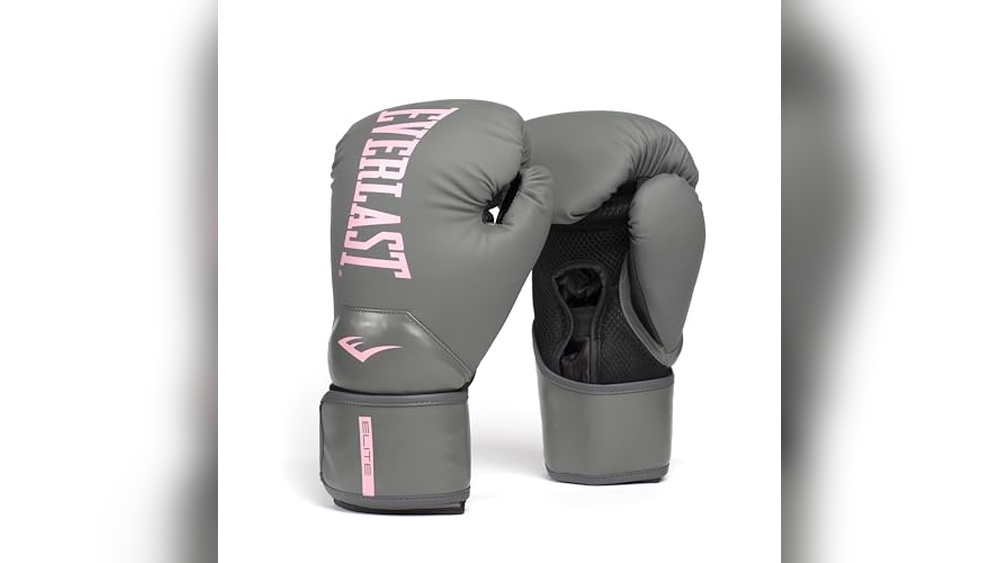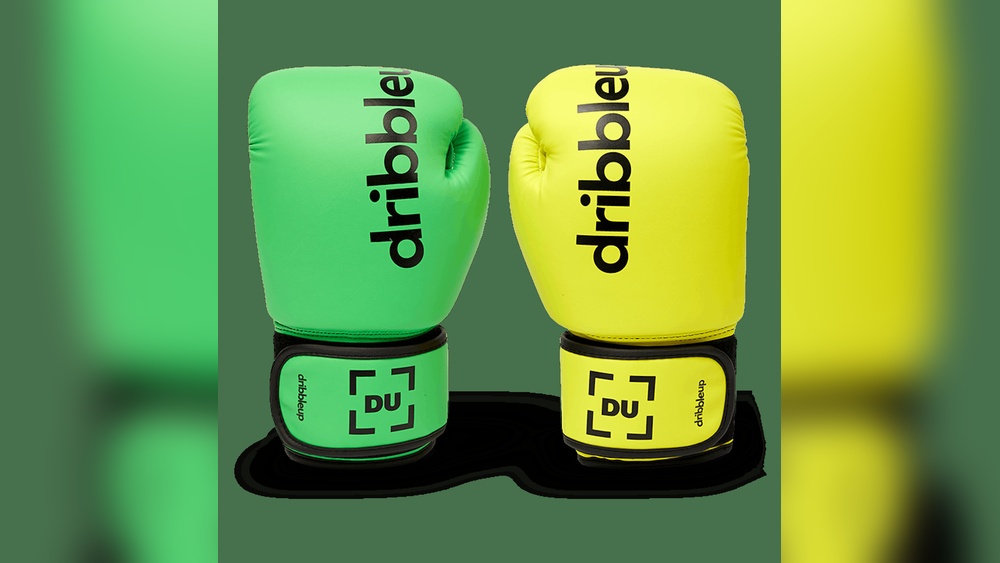
Are you wondering if you really need boxing gloves before stepping into the ring or hitting the punching bag? It’s a question many beginners ask, and the answer might surprise you.
Your safety, performance, and even how much you enjoy boxing depend a lot on the right gear. Keep reading to discover why boxing gloves are more than just an accessory—they could be the key to protecting your hands and taking your training to the next level.
Don’t start your boxing journey without knowing this!

Credit: www.geezersboxing.co.uk
Why Gloves Matter
Boxing gloves play a key role in the sport. They are not just gear but a necessity for every boxer. Gloves protect the hands and the opponent. They also affect how well a boxer performs. Understanding why gloves matter helps you see their true value.
Protection For Hands
Hands face strong impact during boxing. Gloves cushion each punch. This reduces the chance of injuries like fractures or bruises. Without gloves, hands can easily get hurt. Gloves keep the bones and skin safe. This protection lets boxers train and fight longer.
Safety For Opponents
Boxing is a contact sport. Gloves soften the force of punches. This lowers the risk of cuts and serious injuries to opponents. Gloves spread the impact over a larger area. This makes hitting less dangerous. Safety is important to keep the sport fair and respectful.
Impact On Performance
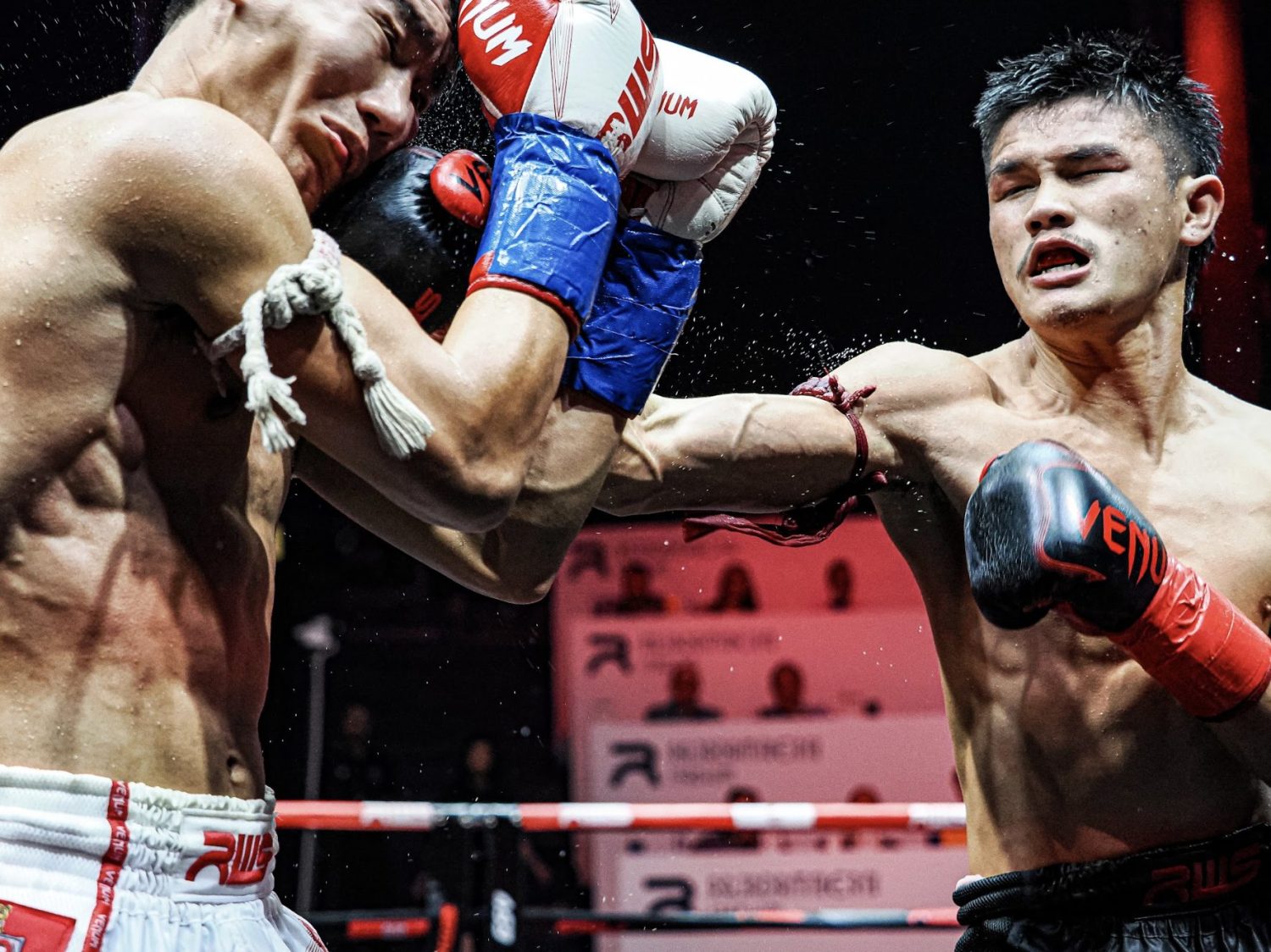
Gloves affect speed and power. They add weight but also balance. Proper gloves improve control over punches. Boxers can throw faster and aim better. Gloves help boxers maintain good technique. This leads to stronger and smarter fighting.
Credit: rajadamnern.com
Types Of Boxing Gloves
Boxing gloves come in different types. Each type serves a special purpose. Choosing the right gloves helps you train better and stay safe. Knowing the differences can improve your boxing experience.
Training Gloves
Training gloves are for regular practice. They protect your hands during heavy bag work and pad drills. These gloves offer good padding to reduce injury. They last longer because you use them often. Comfort and durability matter most for training gloves.
Sparring Gloves
Sparring gloves are softer and more padded than training gloves. They protect both you and your partner during practice fights. These gloves absorb impact to lower the risk of injury. Choosing the right weight keeps sparring safe and effective.
Competition Gloves
Competition gloves are lighter and tighter than training or sparring gloves. They allow faster punches and better control. These gloves meet specific rules for official fights. Less padding means more power but also more risk. Proper fit is crucial for competition gloves.
Choosing The Right Size
Choosing the right size of boxing gloves is key for comfort and safety. Gloves that fit well protect your hands and improve your performance. Picking the right size depends on your weight, hand size, and how you wrap your hands. Understanding these factors helps you make a smart choice.
Weight And Fit
Boxing gloves come in different weights, usually measured in ounces. The weight affects how much padding the gloves have. Lighter gloves offer less padding but feel faster. Heavier gloves provide more protection but can feel bulky.
Your body weight helps decide the glove size. For example, lighter people use smaller gloves, while heavier people need bigger gloves. A good fit means the gloves feel snug but not too tight. Gloves that are too loose can cause injuries.
Hand Wrap Compatibility
Hand wraps add support and protection under the gloves. They also affect the glove size you need. Wraps make your hands thicker, so choose gloves that fit over them comfortably. Too tight gloves over wraps can restrict movement and blood flow.
Check the space inside the glove after wrapping your hands. There should be enough room for movement but not too much. Choosing gloves with enough space for wraps helps protect your hands better during training or fights.
Material And Durability
Choosing the right boxing gloves depends a lot on their material and durability. These factors affect comfort, protection, and how long gloves last. Good gloves protect your hands and wrists during training or fights. Weak materials can wear out fast, risking injuries and extra costs. Understanding the types of materials and the quality of padding helps make a smart choice.
Leather Vs Synthetic
Leather gloves are strong and last longer. They feel soft and get better with use. Leather resists sweat and tears well. They cost more but offer great value over time.
Synthetic gloves use man-made materials like vinyl or polyurethane. They are cheaper and lighter. These gloves dry faster but can crack or peel after some use. Good for beginners or casual training but not as durable as leather.
Padding Quality
Padding protects your knuckles and absorbs impact. High-quality padding keeps its shape and softness after many punches. It reduces hand strain and injury risk.
Cheap padding can flatten quickly and lose protection. Foam padding is common and varies in density. Multi-layer foam offers better shock absorption than a single layer.
Check for gloves with dense, firm padding that does not break down fast. This ensures safety and long-term use.
Common Mistakes To Avoid
Many beginners skip important steps when choosing boxing gloves. These mistakes can cause injuries or reduce training quality. Avoid these common errors to protect your hands and get the best results.
Using Worn-out Gloves
Old gloves lose padding and support. Punches may hurt your knuckles or wrists more. Worn-out gloves also offer less shock absorption. Replace gloves once they show signs of damage. This keeps your hands safe during training.
Ignoring Proper Fit
Gloves that are too tight or loose cause problems. Tight gloves reduce blood flow and feel uncomfortable. Loose gloves move inside, risking wrist injuries. Choose gloves that fit snugly but allow movement. Proper fit improves comfort and protection.

Credit: www.conwaymedicalcenter.com
Care And Maintenance
Taking care of your boxing gloves helps them last longer. Good care stops bad smells and damage. It keeps gloves safe and ready for your next session.
Cleaning Tips
Wipe gloves with a clean, damp cloth after each use. Use mild soap if needed, but avoid soaking them. Let gloves dry naturally at room temperature. Do not use direct heat or sunlight. Sprinkle a bit of baking soda inside to reduce odor. Use glove deodorizers or stuff with newspaper to absorb moisture.
Storage Advice
Store gloves in a cool, dry place. Avoid leaving them in your gym bag for days. Keep gloves apart to allow air circulation. Use a mesh bag for better ventilation. Do not store gloves in plastic bags. Proper storage prevents mold and keeps gloves fresh.
Alternatives To Boxing Gloves
Boxing gloves are common gear for fighters and trainers. Still, some people prefer other options. These alternatives can protect hands and wrists differently. They might suit certain training styles better. Understanding these choices helps you decide what fits your needs.
Hand Wraps
Hand wraps offer basic protection for your hands. They keep your knuckles tight and wrists stable. Wraps are thin, so they allow more movement. They also absorb sweat and reduce skin damage. Many boxers use wraps under gloves for extra support.
Hand wraps are cheap and easy to carry. They fit in small bags and dry quickly. Learning to wrap hands properly is important. Wrong wrapping can cause injuries. Practice wrapping or ask a coach for help.
Bare Knuckle Training
Bare knuckle training means punching without gloves or wraps. It focuses on natural hand strength and technique. Fighters build tough skin and strong bones this way. It helps improve punching accuracy and speed.
This style carries risks like cuts and bruises. Beginners should start slow and use proper form. Some gyms offer supervised bare knuckle sessions. This method is less common but has a loyal following.
Expert Advice For Fighters
Fighters need the right gear to train and compete safely. Boxing gloves protect your hands and reduce injury risks. Experts stress choosing gloves that fit well and match your training style. Proper gloves improve performance and keep you comfortable during workouts.
When To Upgrade Gloves
Old gloves lose padding and support. This can cause hand pain or injury. Replace gloves if padding feels hard or uneven. Also upgrade if gloves become too small as your hands grow. New gloves offer better protection and comfort. Check gloves regularly for wear and tear. Fresh gloves help you train longer without pain.
Tips For Beginners
Start with gloves that fit your hand size. Choose gloves with enough padding for your training type. Beginners should pick gloves for bag work and sparring separately. Wrap your hands before putting on gloves. This adds wrist support and prevents injury. Always clean gloves after use to avoid bad smells. Proper care extends glove life and keeps them safe.
Frequently Asked Questions
Do You Really Need Boxing Gloves For Training?
Yes, boxing gloves protect your hands and wrists from injury. They also help absorb impact and prevent cuts during training sessions.
How Do Boxing Gloves Improve Your Performance?
Boxing gloves provide wrist support, reducing strain during punches. They also allow safer sparring, helping you train longer and more effectively.
What Types Of Boxing Gloves Are Essential?
Essential gloves include training gloves, sparring gloves, and bag gloves. Each type serves a specific purpose for safety and performance.
Can You Box Without Gloves Safely?
Boxing without gloves increases risk of hand injuries and cuts. Gloves are crucial for safe and effective boxing practice.
Conclusion
Boxing gloves protect your hands and reduce injury risks. They help absorb impact during training and matches. Gloves also protect your opponent from serious harm. Choosing the right gloves depends on your training style and goals. Gloves are an important part of safe boxing practice.
They make training more comfortable and effective. Consider your needs before deciding to buy gloves. Safety and comfort should always come first. Gloves are not just gear—they are essential tools. Keep your hands healthy and enjoy boxing safely.