
Are you wondering if the dumbbell press really targets your chest muscles? You’ve probably seen people lifting dumbbells and heard it’s great for building a strong chest.
But does it actually deliver the results you want? Understanding how this exercise works can help you get the most out of your workouts and shape the chest you’ve been aiming for. Keep reading, because we’re about to break down exactly how the dumbbell press affects your chest and why it might be the key to your next fitness breakthrough.
Credit: www.youtube.com
Benefits Of Dumbbell Press
The dumbbell press offers many benefits for chest development. It targets the muscles effectively and helps build strength. Using dumbbells allows for natural movement of the arms. This can lead to better muscle growth and less risk of injury.
The exercise also supports balanced muscle development on both sides of the body. It is a versatile move that fits well in many workout routines. Here are some key benefits of the dumbbell press for your chest.
Muscle Activation In Chest
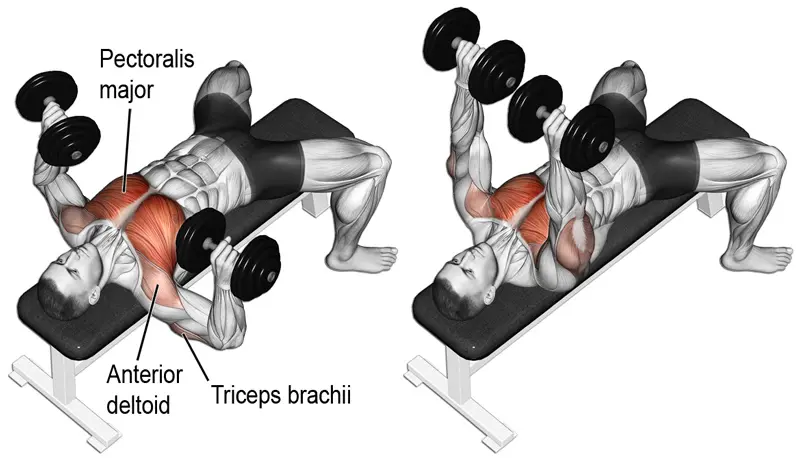
The dumbbell press activates the chest muscles deeply. It works the pectoralis major and minor thoroughly. The movement forces the muscles to work hard for stability and power. This leads to stronger and bigger chest muscles over time.
Improved Range Of Motion
Dumbbells allow your arms to move freely. This creates a greater range of motion than barbells. A wider range helps stretch and contract chest muscles fully. Full muscle movement helps increase muscle size and flexibility.
Enhanced Muscle Symmetry
Each arm works independently with dumbbells. This prevents one side from dominating the other. Balanced work on both sides improves muscle symmetry. Symmetry makes the chest look even and well-shaped.
Dumbbell Press Variations
Dumbbell presses target the chest muscles effectively. Different variations hit the chest from unique angles. This helps build strength and size evenly. Each type works specific parts of the chest. Knowing these variations improves your workout plan. Choose the right one to meet your goals.
Below are the main dumbbell press variations. These exercises vary in bench position and muscle focus.
Flat Dumbbell Press
The flat dumbbell press works the middle chest. Lie flat on a bench with a dumbbell in each hand. Press the weights up and bring them down slowly. This exercise builds overall chest size and strength. It also helps improve shoulder stability.
Incline Dumbbell Press
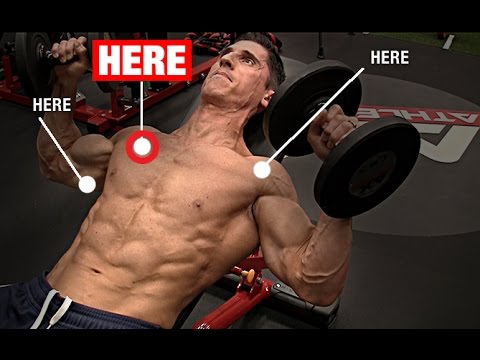
The incline dumbbell press targets the upper chest. Set the bench at a 30 to 45-degree angle. Press the dumbbells up and control the descent. This variation shapes the upper chest and front shoulders. It creates a fuller chest appearance.
Decline Dumbbell Press
The decline dumbbell press focuses on the lower chest. Position the bench at a slight downward angle. Press the dumbbells upward and lower them with control. This move helps define the lower chest muscles. It adds balance to overall chest development.
Proper Form And Technique
Proper form and technique are key to making the dumbbell press effective for your chest muscles. Using the right method helps target the chest and avoid injuries. It also ensures you get the most from every rep. Let’s break down the steps for proper form.
Starting Position
Begin by lying flat on a bench. Hold a dumbbell in each hand. Keep your feet flat on the floor for stability. Position the dumbbells at chest level with your elbows bent. Keep your wrists straight to protect your joints. Your back should stay flat against the bench.
Movement Execution
Push the dumbbells up slowly until your arms are nearly straight. Avoid locking your elbows at the top. Lower the weights back down with control to the starting position. Keep your movements smooth and steady. Focus on squeezing your chest muscles during the press. Breathe out as you push up, and breathe in as you lower the dumbbells.
Common Mistakes To Avoid
Do not arch your back excessively. This can cause strain and reduce chest activation. Avoid flaring your elbows too wide; keep them at about 45 degrees. Don’t let the dumbbells touch at the top; keep them slightly apart. Moving too fast reduces muscle engagement and increases injury risk. Using too heavy weights can lead to poor form and strain.

Credit: www.youtube.com
Comparing Dumbbell Press To Barbell Press
Choosing between the dumbbell press and barbell press matters for chest workouts. Both exercises build chest muscles but differ in how they work the body. Understanding these differences helps pick the right move for your goals.
Muscle Engagement Differences
The dumbbell press uses each arm independently. This helps fix muscle imbalances and works stabilizer muscles more. The barbell press allows lifting heavier weights with both arms together. It targets the chest muscles evenly but less on stabilizers.
Stability And Control
Dumbbells require more control and balance. You must control the weight through the full range of motion. Barbells offer more stability since the hands are fixed on the bar. This lets you focus on pushing heavier without worrying about balance.
Injury Risk Factors
Dumbbells reduce stress on shoulders by allowing natural movement paths. This lowers the chance of shoulder injuries. Barbells can stress joints if form slips or weight is too heavy. Proper technique is crucial to avoid risks with both exercises.
Integrating Dumbbell Press Into Chest Workouts
Integrating the dumbbell press into chest workouts helps build strength and muscle evenly. Dumbbells allow a wider range of motion. This targets the chest muscles deeply. It also improves muscle balance between both sides of the body.
Using dumbbells can make your chest training more effective. It challenges the muscles differently than a barbell press. This leads to better muscle growth and strength over time. Below are tips on how to include dumbbell presses in your routine.
Sample Workout Routines
Start your chest workout with dumbbell presses for maximum energy. Perform 3 to 4 sets of 8 to 12 reps. Use a flat or incline bench to hit different chest areas. Combine with push-ups or cable flys for variety. Adjust weights to maintain good form and avoid injury.
Frequency And Volume
Train your chest 2 to 3 times per week for best results. Allow at least 48 hours between sessions for recovery. Keep total sets per week between 12 and 20. Listen to your body to avoid overtraining. Rest days help muscles grow stronger.
Complementary Exercises
Pair dumbbell presses with exercises like chest flys and push-ups. These focus on different muscle fibers in the chest. Include tricep dips or overhead presses to support pressing strength. Core exercises also improve stability during dumbbell work. Balanced training leads to better chest development.
Credit: fitnessvolt.com
Maximizing Gains With Dumbbell Press
Maximizing gains with the dumbbell press requires more than just lifting weights. It involves smart training, good nutrition, and proper rest. These three factors work together to help your chest muscles grow stronger and bigger. Focusing on each part can lead to better results and reduce the chance of injury.
Progressive Overload Strategies
Progressive overload means increasing the weight or reps over time. Start with a comfortable weight and slowly add more. This challenges your muscles and forces them to adapt. You can also increase the number of sets or reduce rest time between sets. Keep track of your progress to stay motivated and consistent.
Nutrition Tips
Your muscles need fuel to grow. Eat enough protein, like chicken, fish, or beans, to help repair muscle tissue. Include healthy fats and carbohydrates for energy. Drink plenty of water to stay hydrated. Avoid junk food that can slow recovery and reduce strength. Balanced meals support better workout results.
Rest And Recovery
Muscles grow while you rest, not during workouts. Give your chest muscles at least 48 hours to recover between sessions. Sleep well to help your body repair and build muscle. Avoid overtraining, which can cause fatigue and injury. Rest is a key part of any training plan.
Frequently Asked Questions
Does Dumbbell Press Effectively Target The Chest Muscles?
Yes, dumbbell press primarily targets the pectoral muscles. It helps build strength and muscle mass in the chest by allowing a greater range of motion compared to barbell presses.
How Does Dumbbell Press Compare To Barbell Press For Chest Growth?
Dumbbell press offers more muscle activation due to independent arm movement. It improves muscle balance and flexibility, while the barbell press allows heavier loads but less range of motion.
Can Dumbbell Press Improve Chest Muscle Symmetry?
Absolutely. Dumbbell press forces each side to work independently, reducing muscle imbalances. This leads to improved chest symmetry and balanced muscle development over time.
What Variations Of Dumbbell Press Enhance Chest Workout?
Incline and decline dumbbell presses target upper and lower chest areas. Changing angles ensures comprehensive chest development and prevents workout plateaus.
Conclusion
Dumbbell press targets your chest muscles well. It helps build strength and shape your chest. You can adjust the weight to match your level. Using dumbbells also improves your balance and coordination. Consistent practice leads to better chest muscle growth.
Combine it with other exercises for full results. Keep your form correct to avoid injuries. Dumbbell press is a simple, effective chest workout. Give it time, and you will see progress.


