Are you wondering if the dumbbell pullover is really effective for working your lats? You’re not alone.
Many fitness enthusiasts ask this question because the pullover looks simple but its impact isn’t always clear. What if you could target your lats better and get stronger, wider back muscles with just one move? Keep reading to discover the truth about dumbbell pullovers and how they can fit into your workout to maximize your results.
You’ll learn what works, what doesn’t, and how to make every rep count for your lats.
Credit: muscularstrength.com
Dumbbell Pullover Basics
The dumbbell pullover is a classic exercise used in many workout routines. It targets muscles in the chest, shoulders, and back. Many wonder if it works the lats effectively. Understanding the basics helps you perform it right and get the best results.
Starting with the correct setup and form is key. Small mistakes can reduce the exercise’s benefit. Learning the right way keeps you safe and improves muscle engagement.
Exercise Setup
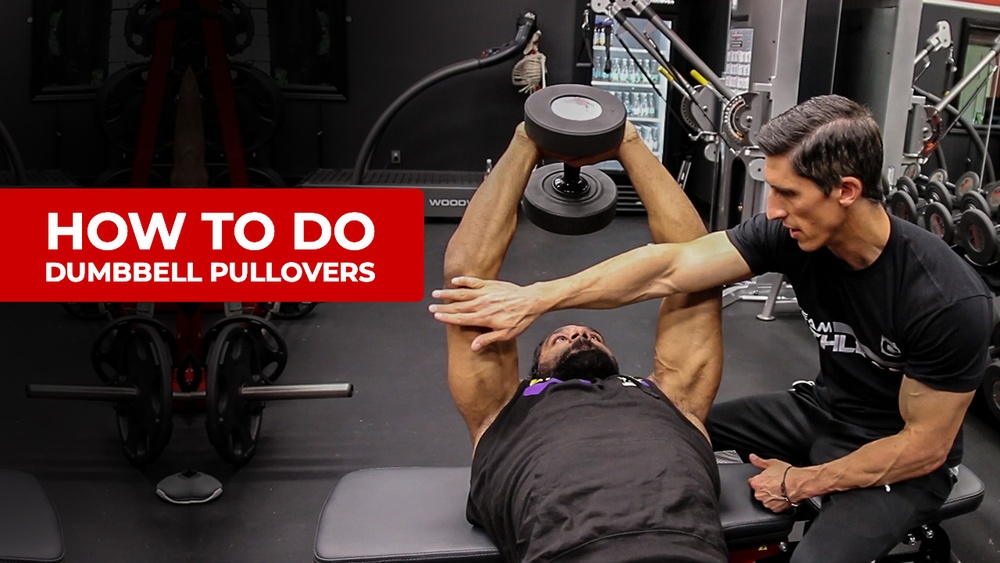
Choose a dumbbell that feels challenging but safe. Lie flat on a bench or the floor. Hold the dumbbell with both hands above your chest. Keep your feet flat on the ground. Your body should feel stable and balanced before starting the move.
Proper Form
Slowly lower the dumbbell backward over your head. Keep a slight bend in your elbows. Go down only as far as comfortable. Bring the dumbbell back above your chest in a controlled way. Keep your core tight to protect your lower back. This helps target the right muscles, including the lats.
Common Mistakes
Avoid using too much weight that strains your shoulders. Don’t lock your elbows or let them flare out. Avoid arching your back excessively. Moving too fast reduces muscle activation. Focus on smooth, controlled movements for best results.

Credit: www.ifastfitness.com
Muscles Targeted
The dumbbell pullover is a classic exercise that targets several upper body muscles. It helps build strength and shape your torso. Knowing which muscles work during the movement improves your workout focus.
This section explains the main muscles worked during the dumbbell pullover. It highlights the role of your lats, chest, and serratus muscles.
Primary Muscles Worked
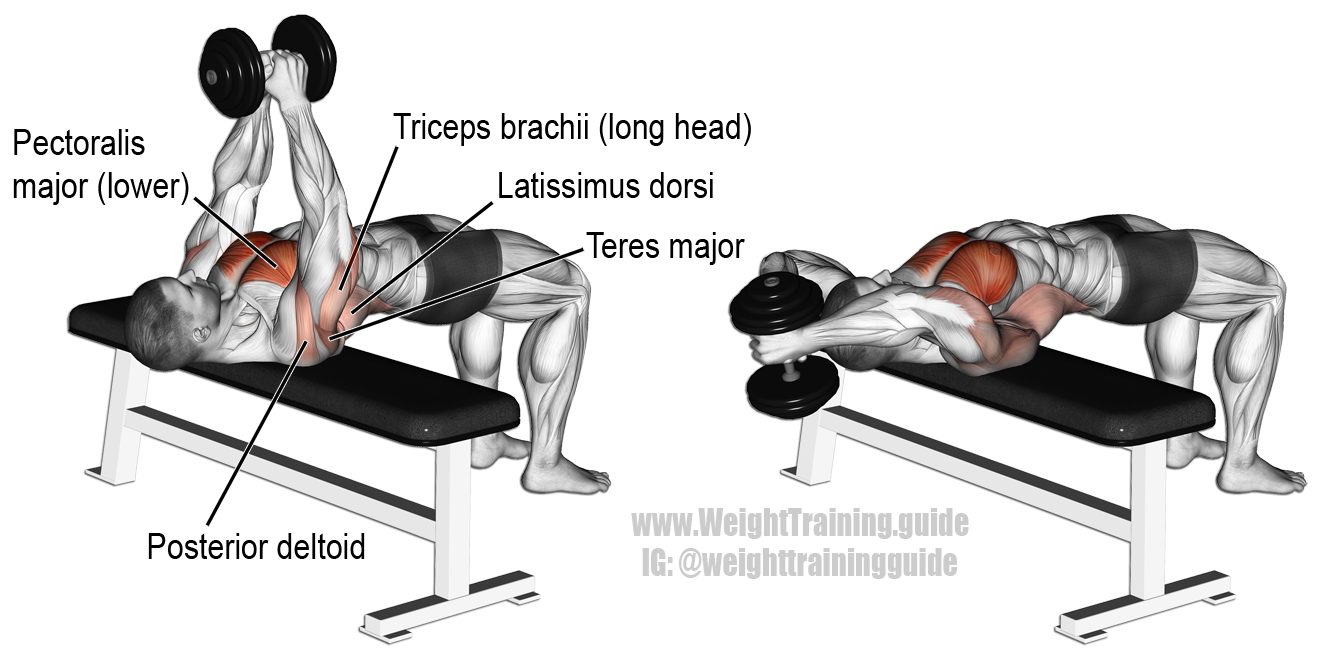
The dumbbell pullover mainly targets the latissimus dorsi muscles. These large muscles stretch across your back and sides. They help pull your arms down and back. The exercise also works the chest muscles as a secondary target. Your serratus anterior muscles get involved too, stabilizing the shoulder blade.
Role Of Lats
The lats control arm movement and shoulder extension. During the pullover, your lats stretch and contract. This action builds strength and size in the upper back. Strong lats improve posture and help in many other lifts. The pullover provides a good stretch and contraction for these muscles.
Involvement Of Chest And Serratus
Your chest muscles assist in moving the arms over your head. They work together with the lats during the pullover. The serratus anterior muscles stabilize the shoulder blades. This support helps protect your shoulders during the exercise. Both muscles contribute to a full range of motion and balanced strength.
Effectiveness For Lats
The dumbbell pullover is often used to target the chest and back muscles. Many wonder if it truly works the latissimus dorsi, or lats. The lats are large muscles that help with pulling movements and shoulder motion.
This exercise can stretch and contract the lats. The effectiveness depends on how you perform the movement and your body position. Understanding the range of motion, muscle activation, and comparison with other exercises helps clarify its impact on the lats.
Range Of Motion Impact
The dumbbell pullover offers a wide range of motion. It allows the arms to move from above the chest to behind the head. This stretch can engage the lats effectively. The greater the stretch, the more the lats work to control the movement. Proper form ensures the lats are targeted, not just the chest or shoulders.
Muscle Activation Studies
Research shows the dumbbell pullover activates multiple muscles, including the lats. Electromyography (EMG) tests reveal moderate lat activation. It is not as intense as some pulling exercises but still beneficial. The exercise also engages the chest and triceps, making it a compound movement. Muscle activation varies with grip and arm angle during the pullover.
Comparison With Other Lat Exercises
Compared to pull-ups and rows, dumbbell pullovers activate the lats less intensely. Pull-ups focus more directly on the lats and upper back. Rows also provide stronger lat engagement through horizontal pulling. Dumbbell pullovers work well as a supplementary exercise. They add variety and help improve shoulder mobility alongside lat work.
Benefits Beyond Lats
The dumbbell pullover is known for working the lats. But its benefits go beyond just one muscle group. This exercise also helps improve other parts of the body. It supports stability, mobility, and breathing. These extra benefits make it a great addition to any workout.
Core Engagement
During the dumbbell pullover, the core must stay tight. Your abs and lower back work hard to keep balance. This helps build a stronger midsection. A strong core improves posture and reduces injury risk. It also supports other lifts and daily activities.
Shoulder Mobility
The pullover stretches the shoulder muscles and joints. This helps increase the range of motion. Better shoulder mobility means less stiffness and pain. It also makes other exercises easier and safer. This is important for both athletes and regular gym-goers.
Breathing And Rib Expansion
The movement of the dumbbell pullover opens up the chest. This allows the ribs to expand fully. Improved rib expansion helps with deeper breathing. Deeper breaths increase oxygen intake and stamina. It also supports better lung health over time.
Incorporating Dumbbell Pullovers
Dumbbell pullovers can be a great addition to your workout. They target the chest, shoulders, and lats. Including them in your routine helps build upper body strength and improve muscle balance. This exercise stretches and works the lats in a unique way compared to other moves.
Adding pullovers to your workouts is simple. They fit well with both back and chest days. Proper integration ensures you gain strength without overtraining. Focus on form and control to get the most from each rep.
Workout Program Integration
Place dumbbell pullovers after your main lifts like rows or bench presses. This order helps pre-exhaust large muscle groups. Use pullovers as a finishing move to stretch and strengthen the lats. They complement other back exercises well.
Sets And Reps Recommendations
Start with 3 sets of 10 to 12 reps. Keep the weight moderate for good form. Avoid going too heavy early on. Focus on slow, controlled movements to engage the lats fully. Gradually increase reps if form stays correct.
Progression Tips
Increase weight every two weeks by small amounts. Add more sets if you feel comfortable. Try slowing the movement during the lowering phase for more muscle tension. Track your progress to stay motivated and avoid plateaus.
Safety And Precautions
Safety is very important when doing dumbbell pullovers. This exercise targets your lats but can strain your shoulders. Taking precautions helps prevent injuries and improves workout results.
Understanding how to protect your shoulders, choose the right weight, and warm up properly makes your session safer. Follow these tips to keep your body strong and healthy.
Avoiding Shoulder Injury
Keep your shoulders stable during the movement. Avoid letting your arms drop too far behind your head. This can cause strain or pain.
Focus on slow, controlled motions. Do not use jerky or fast movements. Stop if you feel discomfort in your shoulder joints.
Proper Weight Selection
Choose a weight that feels challenging but manageable. Start with a lighter dumbbell to learn the form. Increase weight gradually as your strength improves.
Using too heavy a weight risks injury and reduces exercise effectiveness. Keep your movements smooth and controlled throughout.
Warm-up Suggestions
Warm up your body before lifting weights. Do light cardio for 5 to 10 minutes to increase blood flow.
Perform dynamic stretches for your shoulders and chest. Arm circles and shoulder rolls prepare your muscles for exercise.

Credit: www.sloneczne-elfy.pl
Frequently Asked Questions
Does Dumbbell Pullover Target The Lats Effectively?
Yes, dumbbell pullovers engage the latissimus dorsi muscles well. They help in stretching and strengthening the lats along with the chest and triceps.
How Do Dumbbell Pullovers Benefit Lat Muscle Growth?
Dumbbell pullovers increase lat muscle activation and improve upper body strength. They promote muscle elongation and contribute to wider, stronger lats over time.
Can Dumbbell Pullovers Replace Traditional Lat Exercises?
Dumbbell pullovers complement but don’t replace traditional lat exercises like pull-ups. They add variety and target lats differently for balanced muscle development.
What Is The Correct Form For Dumbbell Pullovers To Work Lats?
Keep your arms slightly bent, lower the dumbbell behind your head slowly, and engage your lats during the movement for maximum benefit.
Conclusion
Dumbbell pullovers can help work your lats when done right. They also engage your chest and core muscles. Using proper form is key to feeling the pull in your lats. Start with light weights to avoid strain and improve control.
Combine pullovers with other back exercises for balanced muscle growth. Consistency and good technique bring the best results. Give your lats time to recover between workouts. Keep your routine simple and steady for lasting strength.

