Are you wondering if the dumbbell row can help build your biceps? You’re not alone.
Many people use this exercise to strengthen their back but aren’t sure if it also targets the arms. Understanding how the dumbbell row works can help you decide if it’s the right move for your workout. Keep reading to discover how this simple exercise affects your biceps and how you can get the best results from it.
Your arms might be stronger than you think!
Dumbbell Row Basics
The dumbbell row is a common exercise for building upper body strength. It involves pulling a dumbbell towards your body while keeping your back straight. This move helps develop your back muscles and improves posture.
Performing the dumbbell row correctly is important. Good form reduces injury risk and makes the exercise more effective. Understanding which muscles work during the exercise can help you focus better.
Proper Form And Technique
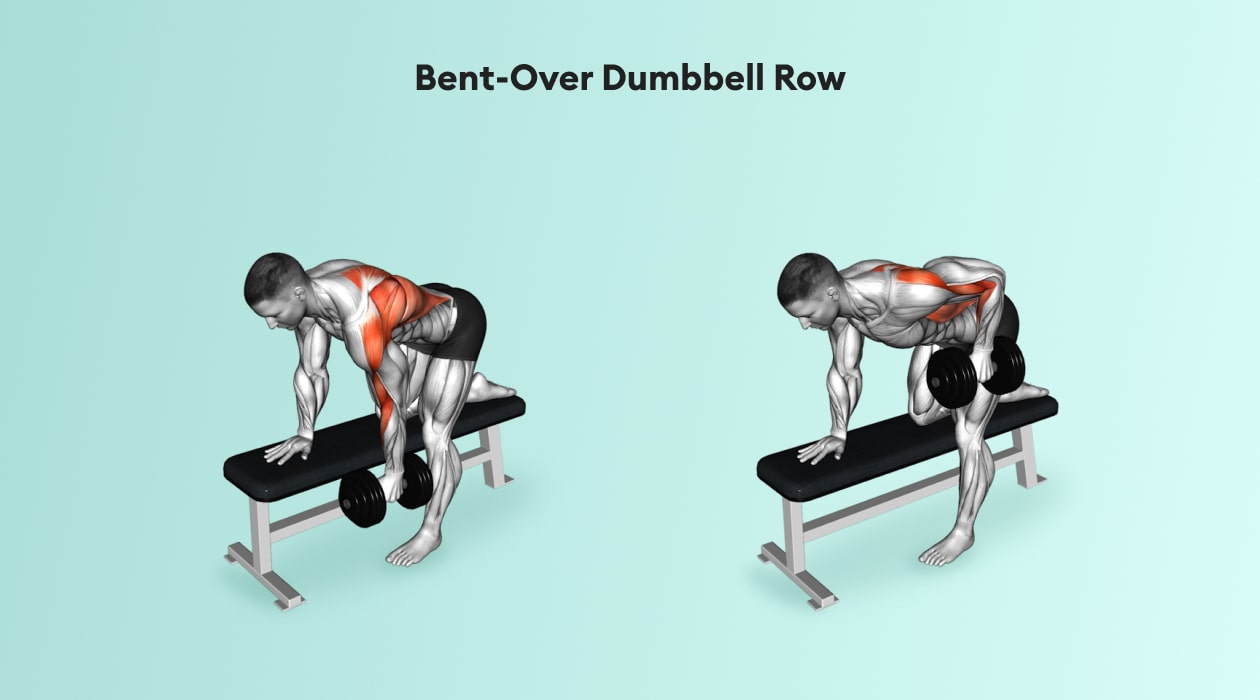
Start by placing one knee and hand on a bench. Your back should be flat and parallel to the floor. Hold the dumbbell with your other hand, arm extended down.
Pull the dumbbell up towards your waist. Keep your elbow close to your body. Avoid twisting your torso or lifting your shoulder. Lower the dumbbell slowly to the start position.
Keep your head in line with your spine. Breathe out as you lift the weight. Inhale while lowering it. Use a weight that lets you keep control throughout.
Muscles Targeted
The dumbbell row mainly works your upper back muscles. The latissimus dorsi and rhomboids get the most effort. Your traps also help stabilize your shoulder blades.
Your biceps assist in pulling the dumbbell. They act as secondary muscles during the lift. Still, the dumbbell row does not isolate the biceps like curls do.
Your core muscles engage to keep your body stable. This helps improve balance and overall strength. The dumbbell row is a great way to build a strong, balanced upper body.
Credit: welltech.com
Biceps Role In Dumbbell Rows
The biceps play a key role during dumbbell rows. This exercise targets the upper back muscles, but the biceps assist in pulling the weight. Understanding how the biceps work helps improve form and results.
How Biceps Engage
During a dumbbell row, the biceps help bend the elbow. This bending motion pulls the dumbbell towards the body. The biceps work together with the back muscles to lift the weight. Without biceps engagement, the pull would be weaker and less controlled.
Biceps Activation Levels
Biceps activation in dumbbell rows is moderate but important. The primary focus is on the back, but the biceps contract to support the movement. Activation increases with heavier weights and slower repetitions. Proper grip and elbow position also affect how much the biceps work.
Comparing Dumbbell Row To Bicep Exercises
Comparing dumbbell rows to bicep exercises helps understand their role in arm training. Dumbbell rows target the back but also involve the biceps. Bicep exercises focus mainly on the front of the upper arm. Knowing their differences guides effective workout choices.
Dumbbell Row Vs. Bicep Curl
Dumbbell rows work many muscles, including the biceps as secondary movers. Bicep curls isolate the biceps, making them the main muscle worked. Rows require pulling the weight towards your body with your back muscles. Curls involve lifting the weight only by bending the elbow.
Rows develop strength in both the back and arms. Curls mainly build size and strength in the biceps. Both exercises use dumbbells but serve different purposes in a workout plan.
Effectiveness For Biceps Growth
Bicep curls are more effective for direct biceps growth. They place constant tension on the biceps through full range of motion. Dumbbell rows engage biceps but less intensely and not throughout the entire movement.
Rows improve overall arm strength and support bicep growth indirectly. To maximize biceps size, curls or similar isolation exercises work best. Combining rows and curls offers balanced arm development.
Optimizing Dumbbell Rows For Biceps
Optimizing dumbbell rows for biceps helps target your arm muscles better. You can change how you hold and move the dumbbell. These small changes focus more effort on your biceps. This makes your workout more effective for arm strength and size.
Grip Variations
Changing your grip changes which muscles work hardest. A supinated grip (palms facing up) hits the biceps more. A neutral grip (palms facing each other) works the biceps and back evenly. A pronated grip (palms facing down) focuses more on the back and less on biceps. Try different grips to find what works best for your biceps.
Range Of Motion Adjustments
Adjusting how far you pull the dumbbell affects muscle focus. Pull the dumbbell higher toward your chest to engage biceps more. Keep your elbow close to your body for better bicep activation. Avoid swinging the weight; move slowly for full muscle control. These tweaks increase bicep work during dumbbell rows.
Common Mistakes Impacting Biceps Activation
Many people want to know if the dumbbell row works the biceps. The answer depends on how you perform the exercise. Common mistakes can reduce biceps activation and make the workout less effective. Understanding these errors helps you get better results. Avoiding these pitfalls ensures your biceps get the right workout.
Incorrect Form
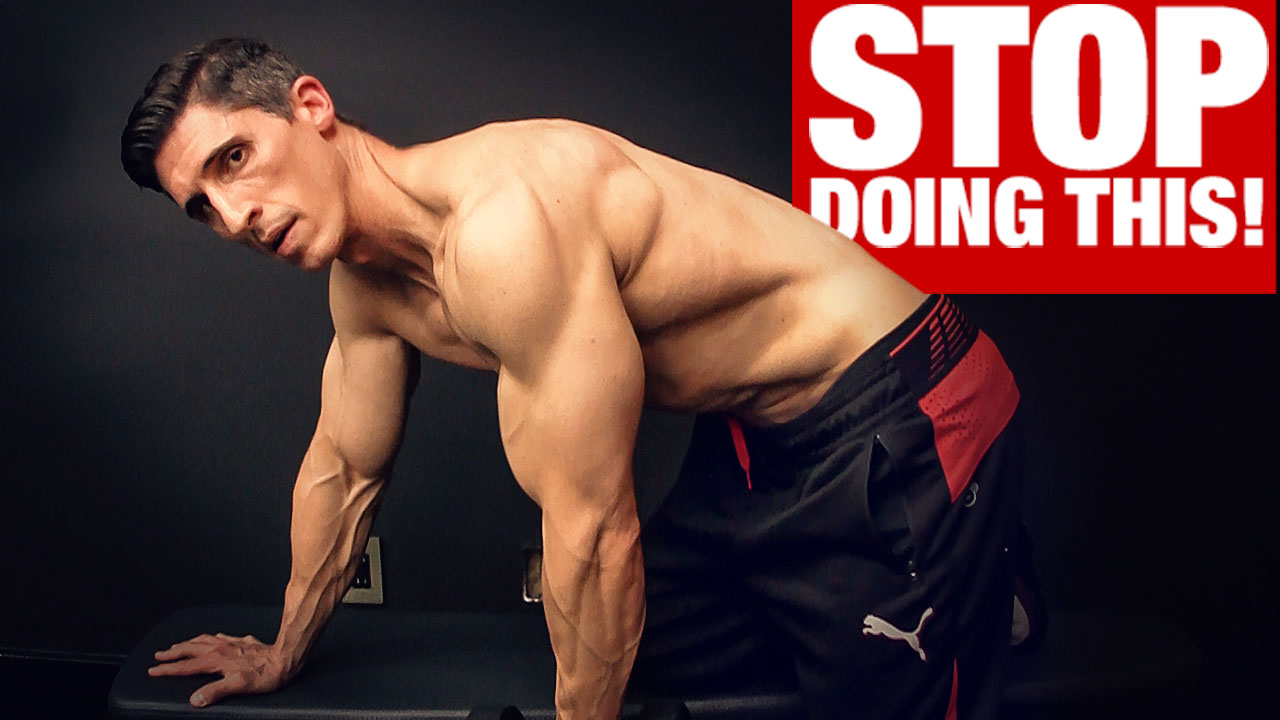
Using wrong form is the top mistake in dumbbell rows. Leaning too far forward or twisting the body lowers biceps engagement. Not keeping the elbow close to the body shifts focus away from the biceps. Pulling with the shoulder or back muscles reduces arm work. Proper form means controlled movement with the elbow driving upward.
Overreliance On Other Muscles
Many lifters use their back or shoulders too much. This habit limits the biceps’ role in the exercise. Relying on momentum or body sway takes effort away from the arms. The biceps work best when you isolate them with slow, steady pulls. Focus on feeling the biceps contract during each repetition.
Credit: learn.athleanx.com
Incorporating Dumbbell Rows Into Your Routine
Dumbbell rows are a great exercise for building back strength and improving posture. They also engage the biceps as secondary muscles during the movement. Adding dumbbell rows to your workout can help balance your upper body strength.
Regularly including this exercise helps target muscles that many other moves miss. It supports better muscle growth and overall arm development. Proper technique ensures you get the most benefit from each set.
Workout Programming Tips
Start with a weight that challenges you but allows good form. Aim for 8 to 12 repetitions per set. Perform 3 to 4 sets depending on your fitness level.
Include dumbbell rows 2 to 3 times per week. Rest at least 48 hours between sessions to let muscles recover. Track your progress and increase weight gradually.
Balancing With Other Exercises
Combine dumbbell rows with pushing exercises like push-ups or bench presses. This balance improves muscle symmetry and reduces injury risk. Also, add bicep-focused moves like curls for direct arm work.
Include lower body and core exercises for a complete routine. This approach creates a strong, balanced body and supports overall fitness goals.

Credit: www.vinhnhatrang.net
Frequently Asked Questions
Does Dumbbell Row Target Biceps Effectively?
Yes, dumbbell rows engage the biceps as secondary muscles. They primarily work the back but also help strengthen the biceps through pulling motions.
How Do Dumbbell Rows Help Build Biceps?
Dumbbell rows involve elbow flexion, which activates the biceps. This movement helps tone and develop bicep muscles alongside the back muscles.
Can Dumbbell Rows Replace Bicep Curls?
Dumbbell rows complement but don’t replace bicep curls. Rows target multiple muscles, while curls isolate biceps for focused growth.
Which Muscles Do Dumbbell Rows Mainly Work?
Dumbbell rows mainly target the latissimus dorsi, rhomboids, and trapezius. Biceps assist but are not the primary focus.
Conclusion
Dumbbell rows mainly target your back muscles but also work your biceps. Your biceps help pull the weight during the exercise. This makes dumbbell rows a good choice for building arm strength. For better bicep growth, combine rows with other bicep exercises.
Keep your form correct to avoid injury and get the best results. Try adding dumbbell rows to your workout routine for stronger arms and back. Simple, effective, and easy to do at home or the gym.