Are you wondering if the dumbbell shoulder press really targets your traps? You’re not alone.
Many people focus on building strong shoulders but miss out on activating key muscles like the traps. Understanding how this exercise works can help you get better results and avoid wasted effort. Keep reading, because what you learn here might change the way you train your upper body—and help you build the strength and definition you want faster than you think.

Credit: www.progressiverehabandstrength.com
Dumbbell Shoulder Press Basics
The dumbbell shoulder press is a popular exercise for building upper body strength. It helps develop shoulder muscles and improves overall arm power. This move can be done standing or sitting, using one dumbbell in each hand. Understanding the basics ensures you perform the exercise safely and effectively.
Mastering the right form and knowing which muscles work will maximize your results. Let’s explore the essentials of the dumbbell shoulder press.
Proper Form And Technique
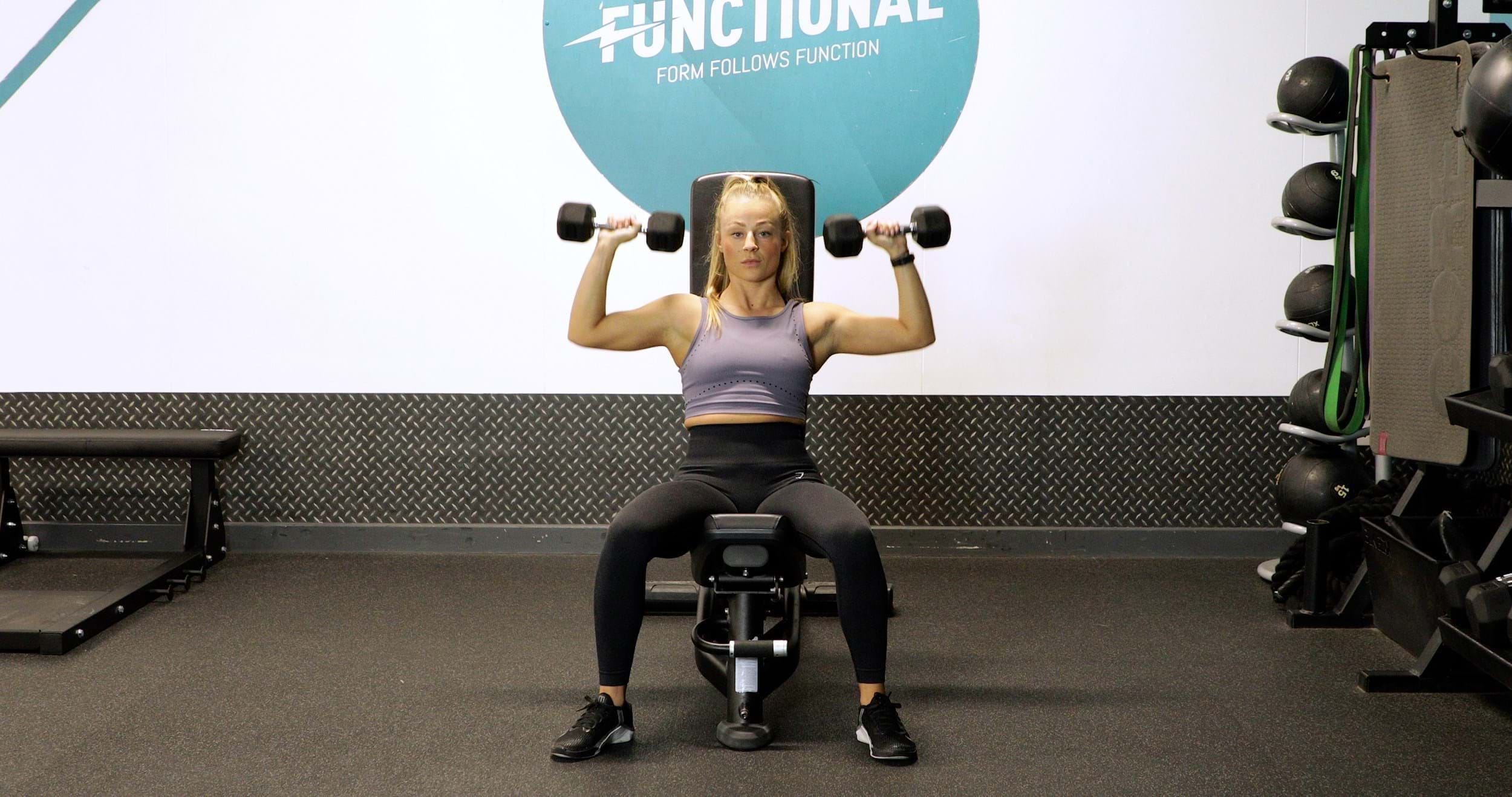
Start by sitting or standing with a straight back. Hold a dumbbell in each hand at shoulder height. Keep your palms facing forward or slightly inward. Press the dumbbells upward until your arms are almost straight. Avoid locking your elbows at the top. Slowly lower the weights back to shoulder level. Keep your core tight to protect your lower back. Move in a controlled and steady way. Proper form helps prevent injuries and improves muscle activation.
Muscles Targeted
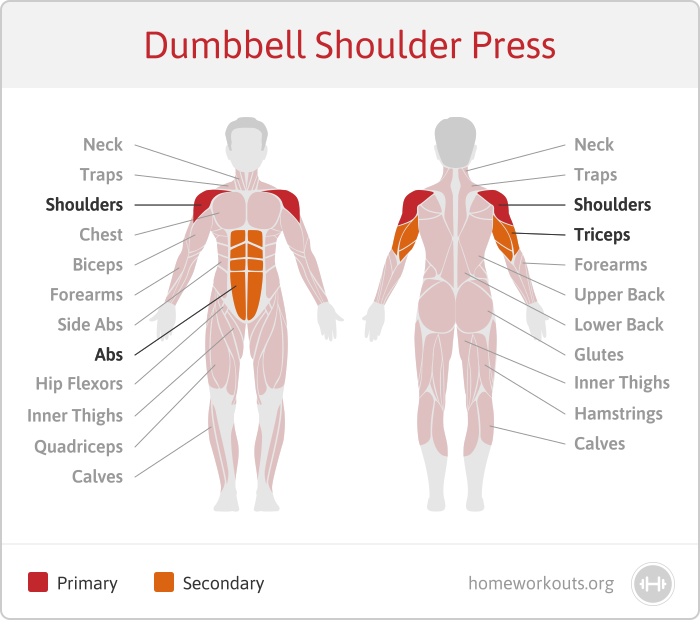
The dumbbell shoulder press mainly works the deltoid muscles in the shoulders. It also engages the triceps in the back of your arms. The upper chest and traps assist during the lift, but they are not the primary focus. The traps help stabilize the shoulder blades during the movement. This exercise builds strength and size in the shoulders for better upper body shape and function.
Role Of Trapezius Muscles
The trapezius muscles play an important role in shoulder movement and stability. These muscles help support the weight of the arms and assist in lifting motions. They work with other shoulder muscles during exercises like the dumbbell shoulder press.
Understanding the trapezius muscles helps to know how they contribute to your workout. The traps are not the main movers in the shoulder press but provide essential support. They help keep your shoulders steady and control the movement.
Trap Muscle Anatomy
The trapezius is a large, flat muscle shaped like a diamond. It covers the upper back and neck area. The muscle has three parts: upper, middle, and lower traps. Each part has a different role in moving and stabilizing the shoulder.
The upper traps help lift the shoulders. The middle traps pull the shoulder blades together. The lower traps assist in pulling the shoulder blades down. All three parts work together to support shoulder movements.
Trap Functions In Shoulder Movements
The trapezius muscles help with many shoulder actions. They stabilize the shoulder blade during lifting and pressing motions. This keeps the shoulder joint in the right position. The traps also help raise the arms by moving the shoulder blades.
During a dumbbell shoulder press, the upper traps activate to raise the shoulders slightly. The middle and lower traps keep the shoulder blades steady. This support allows the deltoid muscles to lift the weights safely and effectively.
Trap Activation During Dumbbell Shoulder Press
The dumbbell shoulder press is a common exercise for the shoulders. Many wonder if it also works the traps. The trapezius muscles help with shoulder movement and stability. Understanding trap activation during this press helps improve workout results. It also guides you in targeting the right muscles.
Electromyography (emg) Findings
EMG measures muscle activity during exercises. Studies show the traps do activate during the dumbbell shoulder press. The upper traps have moderate activity as they assist in lifting the shoulders. However, the activation is less than in direct trap exercises like shrugs. The middle and lower traps show lower activity levels. This means the dumbbell press mainly targets the shoulder muscles, not the traps.
Trap Engagement In Press Variations
Different press types change trap involvement. A strict overhead dumbbell press activates the traps more than a front press. Using a wider grip can increase trap activation slightly. Pressing with a neutral grip reduces trap effort. Standing presses engage the traps more than seated ones. This is due to the need for balance and stability during standing exercises.
Maximizing Trap Involvement
Maximizing trap involvement during the dumbbell shoulder press improves strength and muscle balance. The traps help stabilize the shoulders and assist in lifting. Targeting them properly can enhance your overall shoulder workout. Small changes in technique make a big difference in trap activation.
Adjusting Grip And Range Of Motion
Grip width affects how much the traps engage. A slightly wider grip shifts some load to the traps. Keep your wrists aligned with your elbows for better control. Avoid locking your elbows at the top. Stopping just short of full extension keeps tension on the traps. Lower the dumbbells slowly to increase muscle activation. Controlled motion helps the traps work harder.
Incorporating Shrugs And Holds
Add shrugs at the top of the press for extra trap work. Hold the dumbbells in a shrug position for a few seconds. This increases trap engagement and builds endurance. Combine pressing with shoulder shrugs in one set. This combo targets both the deltoids and traps efficiently. Small pauses improve mind-muscle connection with the traps. Shrugs and holds strengthen traps for better shoulder stability.
Common Mistakes Affecting Trap Use
Many people want to build strong traps with the dumbbell shoulder press. Yet, some common mistakes reduce trap activation. These errors limit the benefits and can cause injury. Understanding these mistakes helps improve form and get better results.
Incorrect Posture
Keeping the right posture is key for trap engagement. Leaning too far back or forward shifts focus away from traps. Rounded shoulders or a curved spine reduce muscle use. A straight back and neutral neck position help target traps well. Poor posture also increases the risk of injury during the press.
Overreliance On Deltoids
Many lifters use only their deltoids during the dumbbell shoulder press. This happens when the arms do most of the work. The traps support and stabilize, but if deltoids take over, traps stay inactive. Focus on squeezing the traps and controlling the movement. This balance helps build stronger traps and better overall shoulder strength.
Credit: www.puregym.com
Complementary Exercises For Traps
Building strong traps requires more than just one exercise. Complementary exercises target different parts of the trapezius muscle. They help improve strength and shape. These exercises also reduce the risk of injury by balancing muscle development.
Including a variety of movements enhances overall trap growth. It keeps your workouts effective and interesting. Here are two key exercises that work well alongside the dumbbell shoulder press.
Dumbbell Shrugs
Dumbbell shrugs focus directly on the upper traps. Hold a dumbbell in each hand at your sides. Lift your shoulders straight up toward your ears. Pause briefly at the top, then lower slowly. This simple move builds trap size and strength.
It also improves shoulder stability. Use a weight that challenges you but allows control. Perform shrugs with good posture for best results. Avoid rolling your shoulders to prevent strain.
Face Pulls And Upright Rows
Face pulls target the rear traps and upper back. Use a cable machine or resistance band. Pull the handles towards your face with elbows high. This exercise improves posture and trap endurance.
Upright rows engage the traps and shoulders together. Hold a barbell or dumbbells in front of you. Lift the weight straight up to your chest. Keep elbows higher than your wrists throughout. This helps build trap thickness and shoulder strength.
Both exercises complement the dumbbell shoulder press well. They train the traps from different angles for balanced growth.
Training Tips For Balanced Shoulder Development
Training the shoulders well needs focus on all parts. Balanced shoulder development helps avoid muscle imbalances and injury. The dumbbell shoulder press can target traps, but training must include smart plans. Careful attention to frequency, volume, and recovery helps build strong, even shoulders.
Programming Frequency And Volume
Train shoulders two to three times per week. This allows enough work without overloading muscles. Use moderate volume, around 9 to 15 sets weekly for all shoulder muscles. Include exercises that hit front, side, rear delts, and traps. The dumbbell shoulder press works the traps but add shrugs or rows for more trap focus.
Recovery And Injury Prevention
Rest days are key for muscle growth and repair. Avoid training shoulders on consecutive days. Stretch and warm up before sessions to keep joints healthy. Use proper form to reduce strain on traps and shoulders. Listen to your body and stop if pain occurs. Good recovery helps maintain progress and prevents injury.
Credit: homeworkouts.org
Frequently Asked Questions
Does Dumbbell Shoulder Press Target Traps Effectively?
Yes, dumbbell shoulder press activates the traps as secondary muscles. It mainly works the deltoids but also engages traps for stabilization and support during the lift.
How Does Dumbbell Shoulder Press Affect Trapezius Muscles?
The exercise recruits the upper trapezius to help lift and stabilize the shoulders. This engagement contributes to trap strength and muscle endurance over time.
Can Dumbbell Shoulder Press Build Bigger Traps?
While it helps tone and strengthen traps, dumbbell shoulder press alone won’t significantly increase trap size. For bigger traps, include targeted trap exercises like shrugs.
Is Dumbbell Shoulder Press Good For Overall Shoulder And Trap Development?
Yes, it improves shoulder strength and activates traps moderately. Incorporating it in your routine enhances upper body stability and muscle coordination.
Conclusion
The dumbbell shoulder press targets your shoulders mainly. It also works your traps, but not as much as other exercises. To build bigger traps, add shrugs or rows to your workout. Dumbbell presses help with overall upper body strength. Keep your form steady and control the weights.
Consistency is key to seeing results in your traps. Mix exercises for balanced muscle growth. Train smart and listen to your body for the best progress.