Are you wondering if lifting dumbbells can really help you build muscle? You’re not alone.
Many people ask this question when starting their fitness journey. The truth is, dumbbells can be a powerful tool to shape and strengthen your body. But how exactly do they work? And what do you need to know to get the best results?
Keep reading, because by the end of this article, you’ll understand how dumbbell workouts can transform your muscles—and how you can make every rep count.

Credit: www.youtube.com
Benefits Of Dumbbell Training
Dumbbell training offers many benefits for muscle building and overall fitness. It allows for flexible workouts that suit all skill levels. Using dumbbells helps target muscles more effectively than some machines or barbells. The small size and variety of weights make dumbbells a great choice for home or gym workouts.
Here are key benefits of dumbbell training that explain why it helps build muscle well.
Muscle Activation And Growth
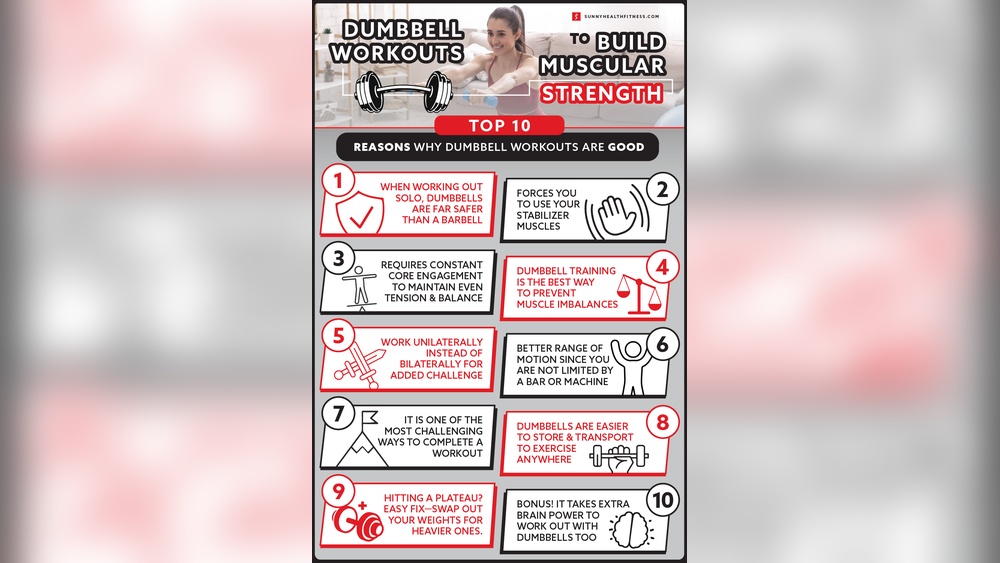
Dumbbells require more muscle control during each lift. This means more muscle fibers work together. The muscles activate fully to keep the weights balanced. Greater muscle activation leads to faster muscle growth over time. Each arm works independently, so weak sides get stronger too.
Improved Range Of Motion
Dumbbells allow a wider range of motion than machines. This helps stretch muscles more during exercises. A full range of motion improves muscle flexibility and strength. It also lowers the risk of injuries by keeping joints healthy. Free movement helps train muscles naturally and effectively.
Balanced Muscle Development
Using dumbbells promotes equal strength in both arms. This prevents muscle imbalances that can cause pain or injury. Balanced muscles improve posture and performance in sports. Training with dumbbells corrects weaknesses by forcing each side to work equally. Balanced development supports long-term fitness and function.

Credit: www.youtube.com
Key Muscle Groups Targeted
Lifting dumbbells helps build muscle by targeting many key muscle groups. You can work different parts of your body with simple movements. This makes dumbbells a great tool for strength training.
Here are the main muscle groups you target when lifting dumbbells. Understanding these groups helps you plan your workouts better.
Upper Body Focus
Dumbbell exercises mainly target the muscles in your upper body. This includes your biceps, triceps, shoulders, and chest. Movements like curls, presses, and raises strengthen these muscles. Strong upper body muscles improve your posture and daily activities.
Lower Body Engagement
Dumbbells also work your legs and glutes. Squats, lunges, and deadlifts with dumbbells build strength here. These exercises help with balance and power. Strong lower body muscles support your whole body and reduce injury risk.
Core Strengthening
Your core muscles stabilize your body during dumbbell exercises. This includes abs, obliques, and lower back muscles. Holding weights while moving forces your core to work harder. A strong core improves balance and overall strength.
Effective Dumbbell Exercises
Dumbbells are simple tools that help build muscle effectively. Using dumbbells allows you to target many muscles at once or focus on one muscle. This variety helps you get stronger and improve your shape. Here are some effective dumbbell exercises to try.
Compound Movements
Compound movements use several muscles and joints at the same time. These exercises save time and build strength fast. Examples include dumbbell squats, deadlifts, and bench presses. They work large muscle groups and help improve balance and coordination.
Isolation Exercises
Isolation exercises focus on one muscle or muscle group. They help fix muscle imbalances and add detail to your physique. Common dumbbell isolation moves are bicep curls, tricep kickbacks, and lateral raises. These exercises are great for shaping and toning specific areas.
Functional Training
Functional training uses movements that mimic daily activities. Dumbbells make these exercises more effective and realistic. Examples include farmer’s walks, woodchoppers, and single-arm presses. Functional training improves strength, stability, and overall body control.
Optimal Training Techniques
Optimal training techniques help you build muscle efficiently with dumbbells. These methods focus on safe and steady progress. They improve strength and muscle size over time. Training smart avoids injury and boosts results.
Progressive Overload
Progressive overload means increasing the weight or reps gradually. This challenges muscles to grow stronger. Start with a comfortable weight. Slowly add more weight or extra reps each week. This constant challenge helps muscles adapt and grow bigger.
Proper Form And Technique
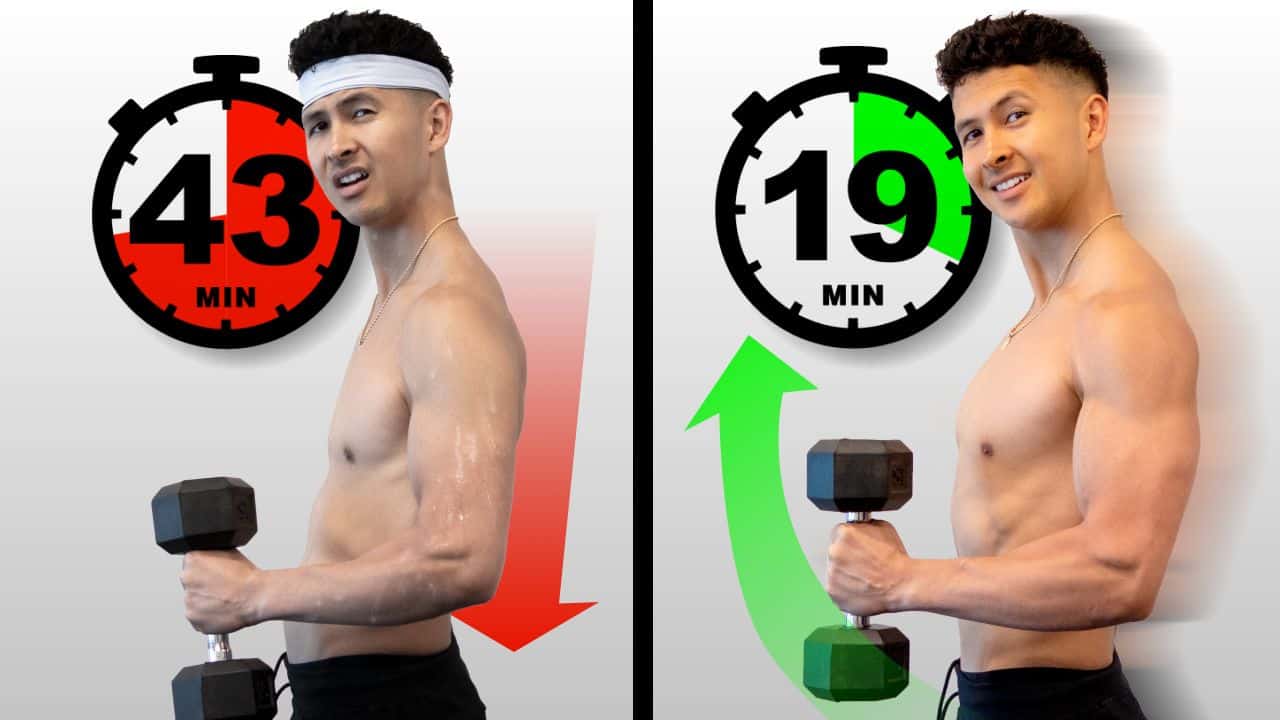
Good form keeps exercises safe and effective. Use slow, controlled movements with dumbbells. Avoid swinging or using momentum. Focus on the muscle you want to work. Correct posture prevents injuries and targets muscles better. Ask for help or watch videos to learn proper technique.
Rest And Recovery
Muscles need time to recover after workouts. Rest days help muscles repair and grow. Avoid training the same muscles every day. Sleep well to support recovery. Proper rest reduces soreness and improves performance in your next session.
Nutrition For Muscle Gains
Nutrition plays a key role in building muscle with dumbbells. Eating the right foods helps your body repair and grow muscle tissue. Without good nutrition, your workouts will not be as effective. Below are some important nutrition tips for muscle gains.
Protein Intake
Protein is the building block of muscle. Eating enough protein helps your muscles recover after lifting dumbbells. Aim for 1.2 to 2.0 grams of protein per kilogram of body weight daily. Good protein sources include chicken, fish, eggs, beans, and dairy. Spread your protein intake evenly across meals to support constant muscle repair.
Caloric Surplus
To build muscle, you need to eat more calories than you burn. This extra energy fuels muscle growth. Track your daily calorie needs and add 250 to 500 calories for muscle gain. Choose healthy, nutrient-rich foods like whole grains, fruits, and healthy fats. Avoid excess junk food, which can cause fat gain instead of muscle.
Hydration Importance
Water is vital for muscle growth and recovery. Staying hydrated helps transport nutrients to your muscles. Drink at least 8 cups of water daily, more if you sweat a lot. Dehydration can lower your strength and slow muscle repair. Keep a water bottle handy during workouts and throughout the day.
Common Mistakes To Avoid
Building muscle with dumbbells can be very effective. Yet, many make simple mistakes that slow progress. Avoiding these errors helps you get better results. Below are common mistakes to watch for.
Overtraining Risks
Training too much can harm your muscles. Muscles need rest to grow stronger. Overtraining causes fatigue and injury. It also lowers your workout quality. Plan rest days and listen to your body.
Neglecting Warm-ups
Skipping warm-ups increases injury risk. Warm muscles perform better during exercise. Spend 5 to 10 minutes warming up. Use light weights or simple movements. This prepares your body for lifting.
Ignoring Muscle Imbalances
Focusing only on strong muscles creates imbalance. Weak muscles can cause pain and poor posture. Train all muscle groups evenly. Use dumbbells to work both sides of your body. Balance helps prevent injury and improves strength.
Tracking Progress
Tracking progress is important for building muscle with dumbbells. It helps you see your gains and stay motivated. Without tracking, it is hard to know if your workouts work or need change.
Measuring Strength Improvements
Measure strength by the weight you lift and repetitions you complete. Note if you lift heavier dumbbells or do more reps. This shows your muscles are getting stronger over time.
Using Workout Logs
Write down your exercises, weights, and reps in a workout log. This keeps all your progress in one place. Review your log weekly to see gains or spot plateaus.
Adjusting Workouts
Change your workouts based on your progress. Increase dumbbell weight or add more reps to challenge muscles. Adjustments help muscles grow and avoid boredom.
Credit: builtwithscience.com
Frequently Asked Questions
Does Lifting Dumbbells Effectively Build Muscle?
Yes, lifting dumbbells effectively builds muscle by creating resistance. This resistance stimulates muscle fibers, causing growth and strength gains over time with consistent training.
How Often Should I Lift Dumbbells To Build Muscle?
For muscle growth, lift dumbbells 3 to 4 times per week. Allow rest days for recovery and muscle repair to maximize results.
Can Dumbbells Target Specific Muscles Better Than Machines?
Dumbbells allow more range of motion and activate stabilizer muscles. This helps target specific muscles and improves overall strength and balance.
What Is The Best Dumbbell Weight For Muscle Building?
Choose a weight that challenges you for 8-12 reps per set. It should be heavy enough to cause fatigue but safe to control.
Conclusion
Lifting dumbbells helps build muscle over time. It works best with regular practice and proper form. Using different weights challenges your muscles to grow. Rest and good nutrition also play key roles. Small steps lead to bigger strength and size gains.
Stay patient and consistent for the best results. Muscle building is a journey, not a quick fix. Keep lifting, and your body will change.