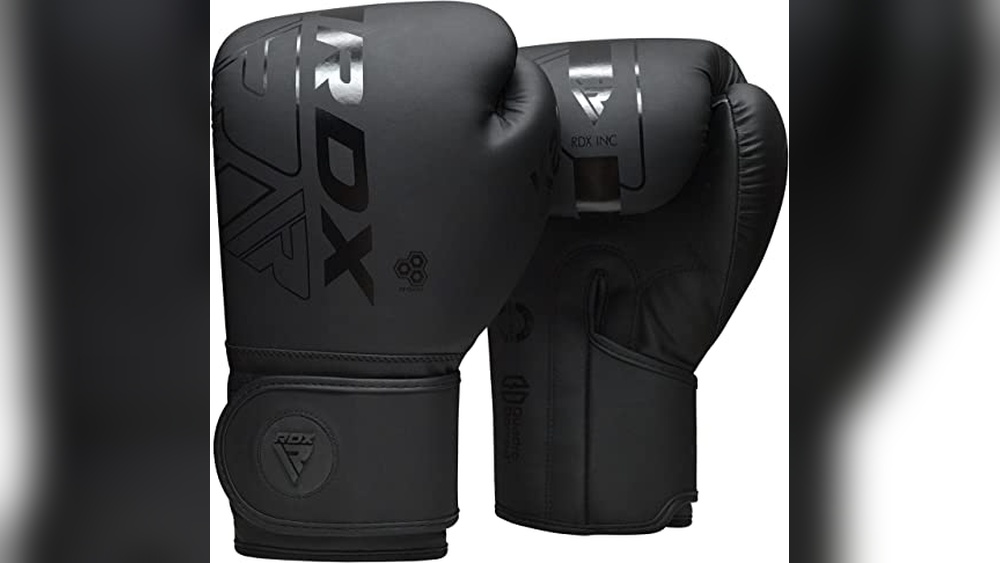
When you pick up a pair of boxing gloves, have you ever wondered if the weight really matters for your fit? You might think size alone is enough to find the right glove, but the weight plays a big role too.
Choosing the wrong weight can affect your comfort, performance, and even safety in the ring. If you want to make sure your gloves feel just right and help you train or fight better, keep reading. This article will clear up the confusion and help you find the perfect glove fit based on weight.

Credit: www.proboxingequipment.com
Glove Weight Basics
Choosing the right boxing gloves means understanding glove weight. Gloves come in different weights to suit various needs. Weight impacts comfort, protection, and performance. Knowing the basics helps pick the best gloves for training or fighting.
Common Weight Categories
Boxing gloves usually weigh between 8 and 20 ounces. Lighter gloves, like 8 or 10 ounces, are for competition or speed work. Heavier gloves, such as 14 or 16 ounces, are common in training and sparring. The weight category depends on the user’s size and purpose.
How Weight Affects Glove Size
Heavier gloves are generally larger with more padding. More padding means better hand protection and shock absorption. Lighter gloves are smaller and less padded, allowing faster punches. Choosing weight affects glove fit, feel, and safety during use.
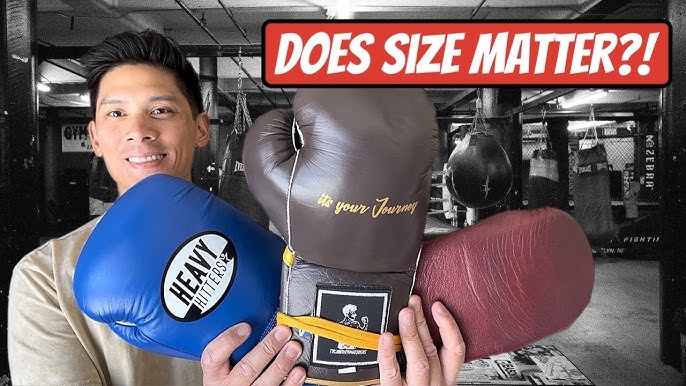
Credit: www.youtube.com
Impact On Performance
The weight of boxing gloves affects how a boxer performs during training and matches. Gloves that fit well and have the right weight can help improve a boxer’s skills. Different weights impact speed, power, and protection. Understanding these effects helps boxers choose the best gloves for their needs.
Speed And Agility
Lighter gloves allow faster hand movements. They make it easier to throw quick punches and combos. Speed is crucial for dodging and counterattacking. Heavy gloves slow down your punches. This can reduce your ability to react quickly in the ring. Trainers often use lighter gloves to build speed and agility.
Power And Protection
Heavier gloves add more padding and weight. This helps protect your hands and your opponent. They absorb more impact during punches. Power can feel stronger with heavier gloves. But they may tire your arms faster. Lighter gloves offer less protection but feel easier to handle. Choosing the right glove weight balances power and safety.
Choosing The Right Weight
Choosing the right weight for boxing gloves affects comfort and protection. Heavier gloves offer more padding but may feel bulky. Lighter gloves provide speed but less cushion, so balance matters for fit and use.
Boxing gloves come in different weights. Choosing the right weight is important. It affects your comfort and performance. The right weight protects your hands and your training partner. Lighter gloves feel faster but offer less padding. Heavier gloves provide more protection but can slow you down. Balance is key to finding the best fit for you.
Factors To Consider
Your body weight plays a role in glove weight choice. Bigger boxers usually need heavier gloves for better protection. The glove size depends on your hand size too. The type of training also matters. Gloves for sparring need more padding. Gloves for bag work can be lighter. Consider your fitness level and hand strength. Comfort and wrist support are very important as well.
Weight Recommendations By Use
For general training, 12 to 14 ounces gloves are common. Beginners often start with 14-ounce gloves to avoid injury. Sparring usually requires 16-ounce gloves for better protection. Bag work and pad work need lighter gloves, around 10 to 12 ounces. Competition gloves tend to be lighter for speed, often 8 to 10 ounces. Choose gloves based on your training type and personal needs.
Weight And Hand Size Connection
Weight plays a key role in choosing boxing gloves that fit well. Gloves come in different weights, like 8 oz, 10 oz, 12 oz, and more. The right weight depends on your hand size. Gloves that are too heavy or too light can cause discomfort and affect your performance. Understanding how weight connects to hand size helps you pick gloves that protect your hands and feel right during training or fights.
Matching Gloves To Hand Dimensions
Measure your hand width and length before buying gloves. Gloves with more padding are usually heavier. Larger hands need heavier gloves for better protection. Smaller hands fit better in lighter gloves with less padding. Check glove sizes with your hand measurements. The glove should cover your knuckles and wrist comfortably. Proper matching avoids slipping or tightness inside the glove.
Comfort And Fit Importance
Comfort is vital for boxing gloves. Gloves that fit well reduce the chance of injury. Weight affects how gloves feel on your hands. Heavy gloves may feel bulky for small hands. Light gloves may lack enough cushion for big hands. A good fit means your hand moves naturally inside the glove. It also helps maintain good punching form. Always try gloves on before buying to ensure comfort.
Training Vs Competition Gloves
Boxing gloves come in different types for training and competition. Each type has a specific weight and purpose. Choosing the right gloves is important for safety and performance. Understanding the differences helps you pick what fits your needs best.
Weight Differences
Training gloves are usually heavier than competition gloves. They range from 14 to 18 ounces. The extra weight helps protect your hands and your partner during practice. Competition gloves are lighter, often between 8 and 10 ounces. Lighter gloves allow for faster punches and better speed in the ring.
Purpose-driven Choices
Training gloves focus on safety and endurance. They add padding to reduce injury risk. Competition gloves prioritize speed and precision. They have less padding to make punches quicker and sharper. Picking gloves depends on your goal—training or fighting.
Common Misconceptions
Many people have wrong ideas about boxing gloves and their weight. These myths can confuse beginners and affect glove choice. Knowing the facts helps in picking the right gloves for size and purpose. Let’s clear up some common misunderstandings.
Heavier Means Better Protection?
Many believe heavier gloves always offer more protection. This is not true. Weight adds padding but also affects speed and comfort. Too heavy gloves can slow your punches. Protection depends on glove design, padding quality, and fit. Light gloves with good padding can protect well. Focus on a glove that fits your hand and training style.
Size Always Matches Weight?
People often think glove size and weight match exactly. They do not. Gloves come in different weights like 8 oz, 10 oz, 12 oz, and more. But the size depends on hand measurements and glove style. Two gloves of the same weight can feel different in size. Always try gloves on before buying. Choose size by hand fit, not just by weight number.
Tips For Trying Gloves
Choosing the right boxing gloves is important for comfort and performance. Trying gloves before buying helps find the best fit and weight. This section offers useful tips for testing gloves effectively. Follow these steps to make a smart choice.
What To Look For
Check the glove size and weight carefully. Gloves come in different weights like 8 oz, 10 oz, and 12 oz. Think about your boxing style and training needs. Look for gloves with good padding and wrist support. The material should feel strong but soft on your skin. Make sure the gloves feel balanced in your hands.
Testing Fit And Weight
Put on the gloves and move your hands around. Make a fist and stretch your fingers. The gloves should not feel tight or loose. Lift your arms to test the weight. Gloves that feel too heavy can tire your arms fast. Gloves too light may not protect well. Choose gloves that feel comfortable for longer workouts.

Credit: spartansboxing.com
Frequently Asked Questions
Does Glove Weight Affect Boxing Glove Fit?
Yes, glove weight influences fit because heavier gloves offer more padding and bulk. This can make them feel tighter or larger depending on hand size and glove design.
How To Choose Glove Weight For Proper Fit?
Choose glove weight based on your hand size and intended use. Lighter gloves suit smaller hands and speed, while heavier gloves provide protection and stability.
Can Wrong Glove Weight Cause Discomfort?
Wearing gloves that are too heavy or light can cause discomfort. Ill-fitting gloves may lead to hand fatigue, poor performance, or injury during training or matches.
Is Glove Weight Linked To Hand Protection?
Heavier gloves generally provide better hand and wrist protection due to extra padding. Proper glove weight ensures safety and reduces the risk of injuries.
Conclusion
Weight does matter when choosing boxing gloves for size. Heavier gloves offer more padding and protection. Lighter gloves give better speed and control. Your skill level and training type also affect the right choice. Comfort should never be ignored. Always try gloves before buying to ensure a good fit.
The right glove weight helps improve performance and safety. Keep these points in mind to find gloves that suit you best. Your hands will thank you.