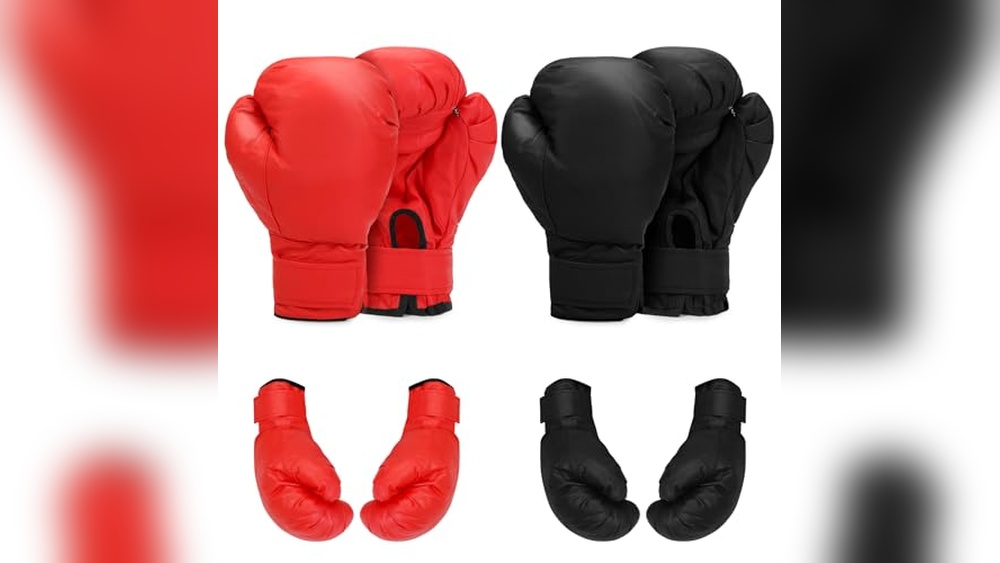
Have you ever wondered if your weight decides the boxing glove size you should use? Picking the right gloves isn’t just about comfort—it affects your performance, safety, and even how you train.
You might assume heavier people need bigger gloves, but is that really true? Keep reading to discover the surprising facts that could change the way you choose your gloves and help you get the most out of every punch.

Credit: www.fightstorepro.com
Factors Influencing Boxing Glove Size
Choosing the right boxing glove size depends on several important factors. Weight alone does not decide the perfect fit. Understanding these factors helps pick gloves that protect and perform well. Gloves must fit the hand and suit the style of boxing. Proper fit prevents injuries and improves comfort during training or matches.
Role Of Hand Measurements
Hand size is a key factor in choosing glove size. Measure the hand around the knuckles with fingers together. This measurement helps find the right glove width and length. Gloves too tight or too loose can cause discomfort. Accurate hand measurements ensure gloves fit snugly and protect hands well.
Impact Of Weight On Glove Selection
Weight can influence glove size but it is not the only factor. Heavier boxers often use larger gloves for more padding. Lighter boxers may choose smaller gloves for better speed and control. Weight helps guide the choice, but hand size and style matter more. Gloves must balance protection and mobility based on the boxer’s weight.
Consideration Of Boxing Style
Boxing style affects glove size choice significantly. Fighters who focus on power may prefer heavier gloves for extra padding. Those who emphasize speed and technique often select lighter gloves. Training gloves differ from competition gloves in weight and size. Understanding your boxing style helps pick gloves that match your needs.
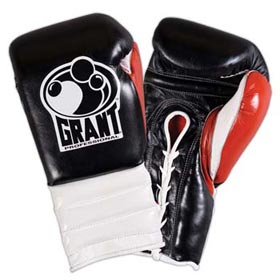
Credit: expertboxing.com
Standard Glove Sizes And Weight Classes
Standard glove sizes in boxing relate closely to weight classes. Gloves protect both the fighter and their opponent. Different weight classes use different glove sizes for safety and fairness. This system helps boxers compete under equal conditions.
Gloves come in ounces, and the size affects padding and weight. Choosing the right glove size depends on the boxer’s weight class. This choice can impact performance and injury risk.
Common Glove Sizes By Weight
Boxers in lighter weight classes usually use smaller gloves. For example, fighters under 135 pounds often wear 8 to 10-ounce gloves. Middleweight boxers, around 160 pounds, commonly use 10 to 12-ounce gloves. Heavyweights over 200 pounds tend to wear 12 to 16-ounce gloves. Larger gloves offer more padding and protection. This scale helps maintain balance in matches.
Variations Across Boxing Organizations
Different boxing organizations set their own glove size rules. The World Boxing Association (WBA) may require different glove sizes than the International Boxing Federation (IBF). Amateur boxing often uses heavier gloves than professional bouts. These rules ensure safety and fairness in each competition. Boxers must follow these guidelines based on the organization they compete in.
Expert Opinions On Weight And Glove Fit
Experts often discuss the link between a person’s weight and boxing glove size. Weight alone does not decide the right glove fit. Many factors influence comfort and protection in gloves. Expert opinions offer a clear view of how weight and glove size connect. These insights help boxers choose the right gloves for training and matches.
Insights From Professional Boxers
Professional boxers stress comfort and hand protection over weight. They say glove size depends more on hand shape and wrist strength. Some lighter boxers use larger gloves for better padding. Heavyweight boxers might prefer smaller gloves for speed. Personal feel and fit matter most to these athletes.
Trainers’ Recommendations
Trainers focus on glove fit to prevent injuries during practice. They recommend gloves that fit snugly but allow movement. Trainers suggest measuring hand size rather than relying on weight alone. They often guide boxers to try different glove sizes. This approach ensures better control and safety.
Sports Medicine Perspectives
Sports medicine experts highlight injury prevention as a top priority. They explain that gloves must cushion impact to protect joints. These experts advise against choosing glove size based only on weight. Proper glove fit supports hand health and improves performance. They recommend consultation with trainers or specialists for best results.
Risks Of Improper Glove Sizing
Choosing the wrong glove size in boxing can cause serious problems. Gloves that do not fit well affect safety and skill. Many boxers ignore this important detail. This can lead to injuries and poor performance in the ring.
Injury Potential
Gloves that are too small offer less padding for your hands. This increases the chance of bruises and broken bones. Too large gloves may slip and cause wrist injuries. Poor fit also raises the risk of cuts and scrapes. Protecting your hands is key in boxing. The right glove size helps avoid these risks.
Performance Impact
Improper glove size limits your hand movement and speed. Large gloves can feel heavy and slow your punches. Small gloves restrict your fist, reducing power and control. This affects your accuracy and timing during a match. Comfort and fit improve focus and technique. Proper glove size supports better training and fighting.
Tips For Choosing The Right Boxing Gloves
Choosing the right boxing gloves can improve your training and protect your hands. The right gloves fit well and feel comfortable. They also match your boxing style and needs. Use these tips to find gloves that suit you best.
Measuring Your Hands Correctly
Measure your hand size before buying gloves. Use a tape measure to find the circumference of your hand. Measure around the widest part, just below the knuckles. Do not include the thumb. This helps pick gloves that fit snugly without being tight.
Trying Different Sizes
Try on gloves in several sizes to find the best fit. Gloves should feel secure but not restrict movement. Check if your fingers reach the glove tips comfortably. Move your wrist and make a fist to test flexibility. Choose gloves that feel balanced and natural on your hand.
Considering Glove Padding And Weight
Glove padding protects your hands and your opponent. Heavier gloves usually have more padding and offer more protection. Lighter gloves allow faster punches and more speed. Pick padding and weight based on your training type and hand size. This helps avoid injury and improves performance.
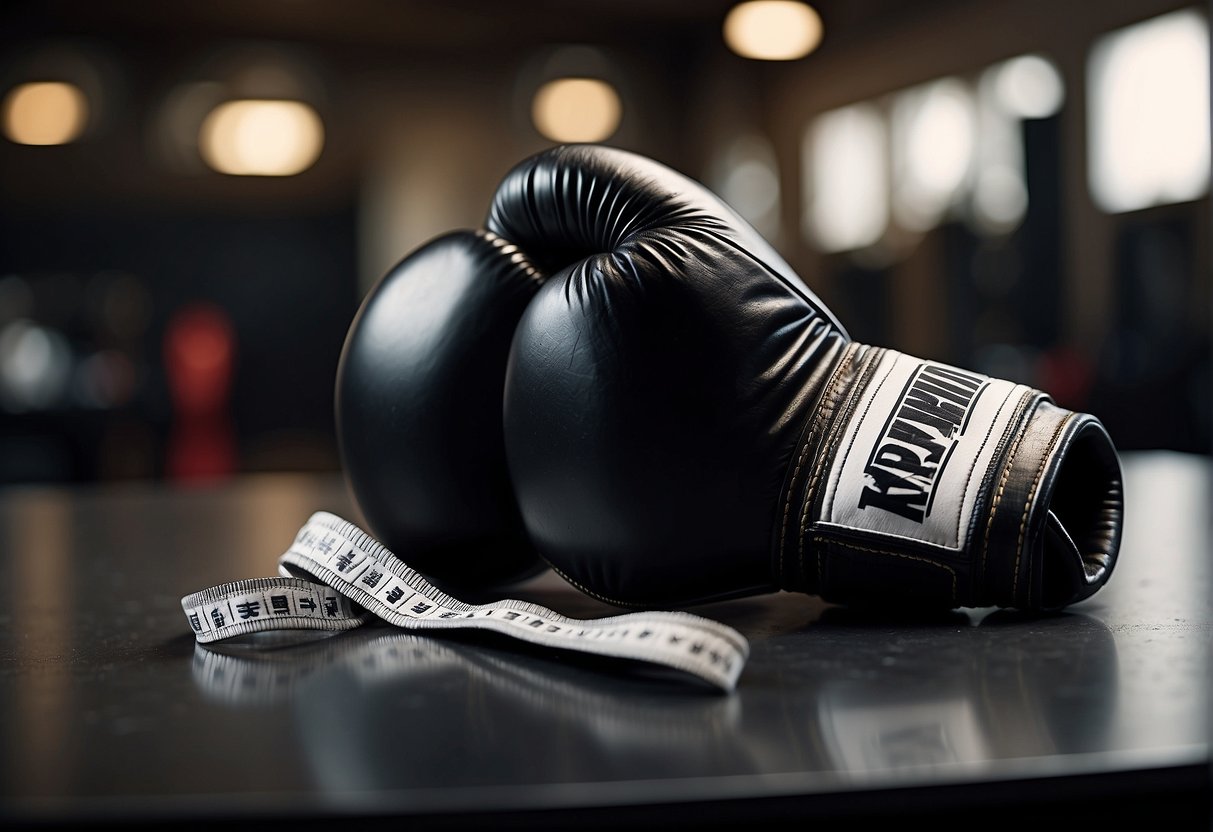
Credit: hangarhpc.com
Frequently Asked Questions
Does A Person’s Weight Determine Boxing Glove Size?
No, weight alone doesn’t dictate glove size. Hand circumference and glove purpose matter more in choosing the right size. Boxers must consider padding and fit for protection and performance.
How To Choose Boxing Glove Size Correctly?
Measure your hand circumference around the knuckles. Match this with glove size charts. Consider your training type to select appropriate weight and padding.
Can Wearing Wrong Glove Size Cause Injury?
Yes, wrong glove size can lead to hand injuries and reduced protection. Proper fit ensures safety and better performance in boxing.
Do Professional Boxers Choose Gloves By Weight?
Pros consider hand size, weight, and glove function. Weight helps but is not the sole factor in glove selection.
Conclusion
Weight alone does not decide the right boxing glove size. Hand size and fit matter just as much. Gloves that are too big or small cause discomfort and affect performance. Choosing gloves based on proper measurement keeps you safe and improves your training.
Always try gloves on before buying. Comfort and protection come first in boxing gear. Remember, the right glove fits your hand, not just your body weight. This helps you punch better and stay injury-free during every session.