Have you ever wondered how bike locks stay so flexible yet strong? If you’ve struggled with tangled or bulky locks, understanding how bike locks are coiled can change the way you choose and use them.
Knowing the secrets behind their design helps you pick the right lock to keep your bike safe without the hassle. Keep reading to discover how these coils work and why they matter for your bike’s security and your peace of mind.
Types Of Coiled Bike Locks
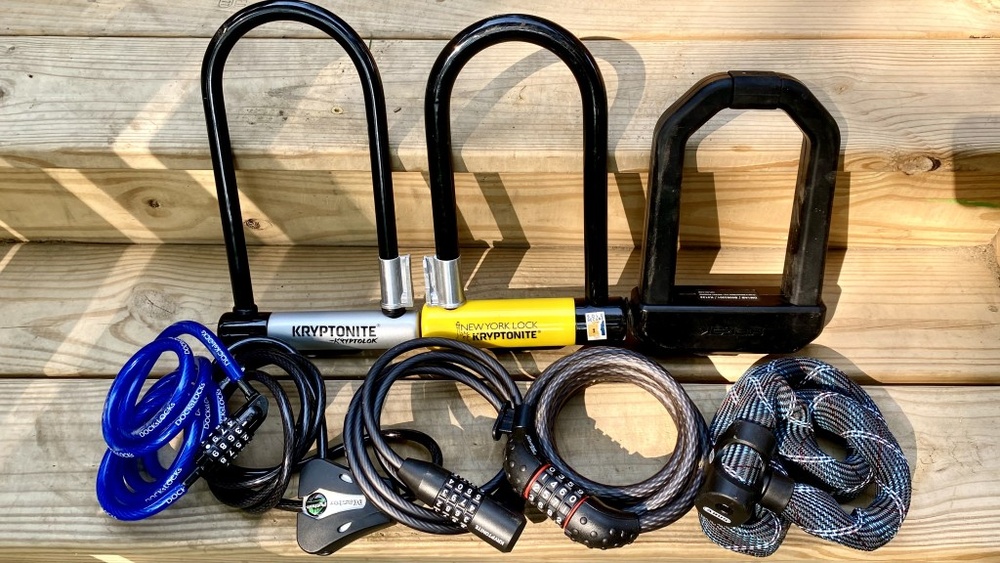
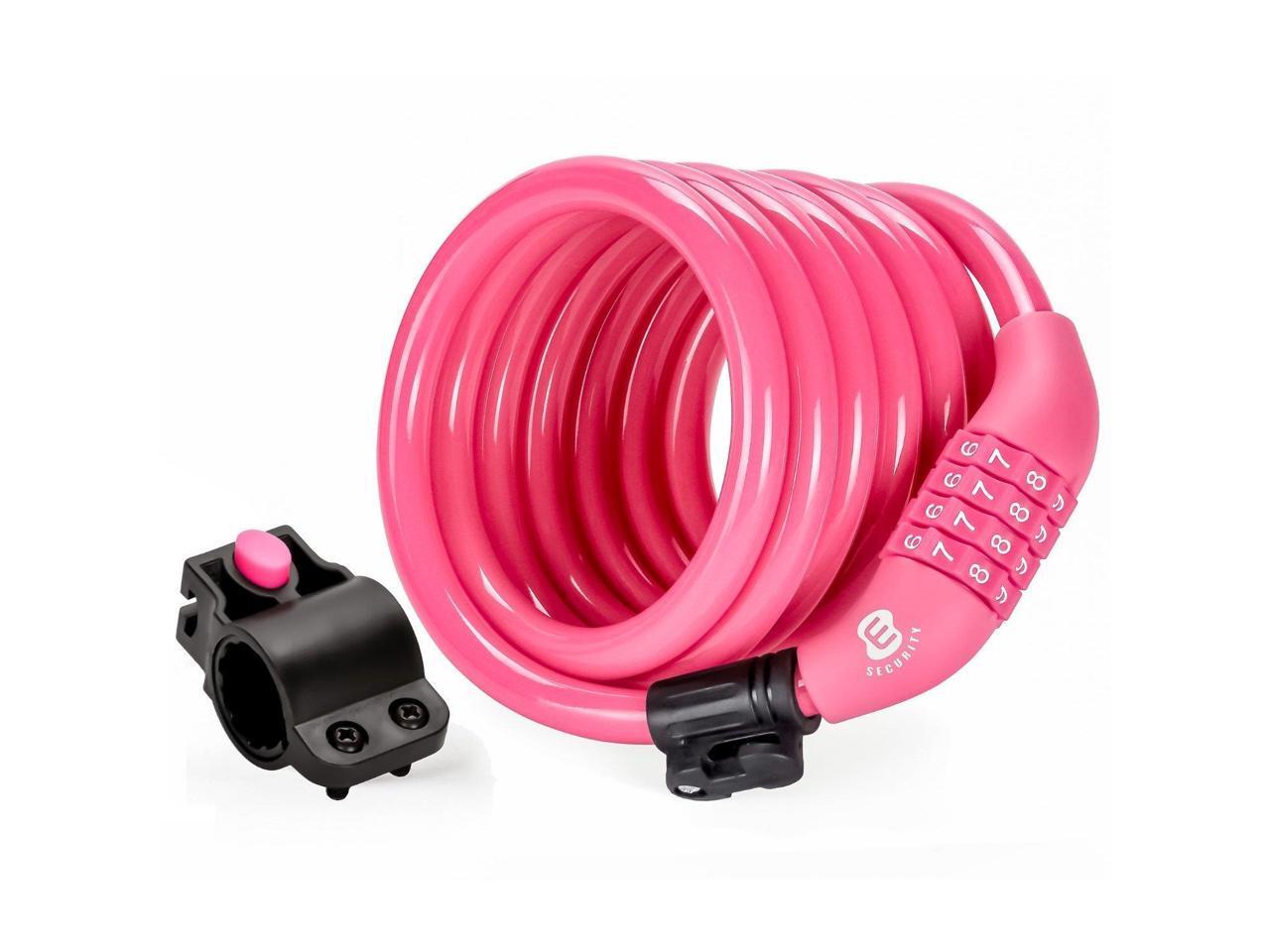
Coiled bike locks are popular for their flexibility and ease of use. They wrap neatly around the bike frame and a fixed object. These locks come in different types, each with its own design and strength. Understanding these types helps you choose the right lock for your needs.
Coiled locks vary mainly by the material used and the locking mechanism. Each type offers a balance of security and convenience. Let’s explore the common types of coiled bike locks to help you make a smart choice.
Cable Locks
Cable locks use thin steel cables covered with plastic or rubber. The cable coils tightly, making it easy to carry. They are light and flexible, ideal for quick stops. However, cable locks are less secure against cutting tools. Use them in low-risk areas or as a secondary lock.
Steel Coil Locks
Steel coil locks feature thicker steel strands wrapped in a coil shape. The steel offers higher resistance to cutting and pulling. These locks are heavier but provide better protection. Steel coil locks suit urban areas with moderate theft risk. Their coil design keeps them compact and simple to handle.
Combination Vs Keyed Locks
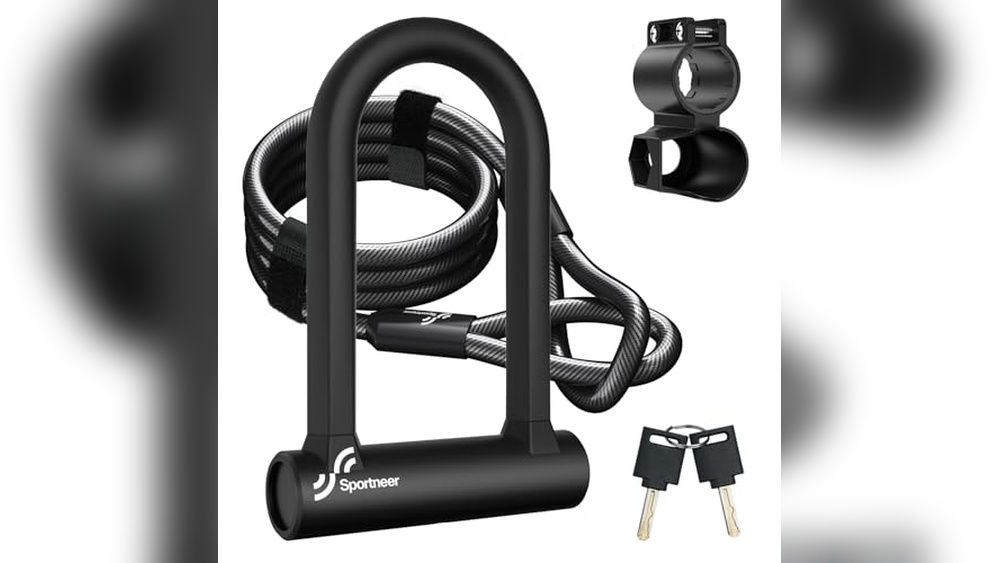
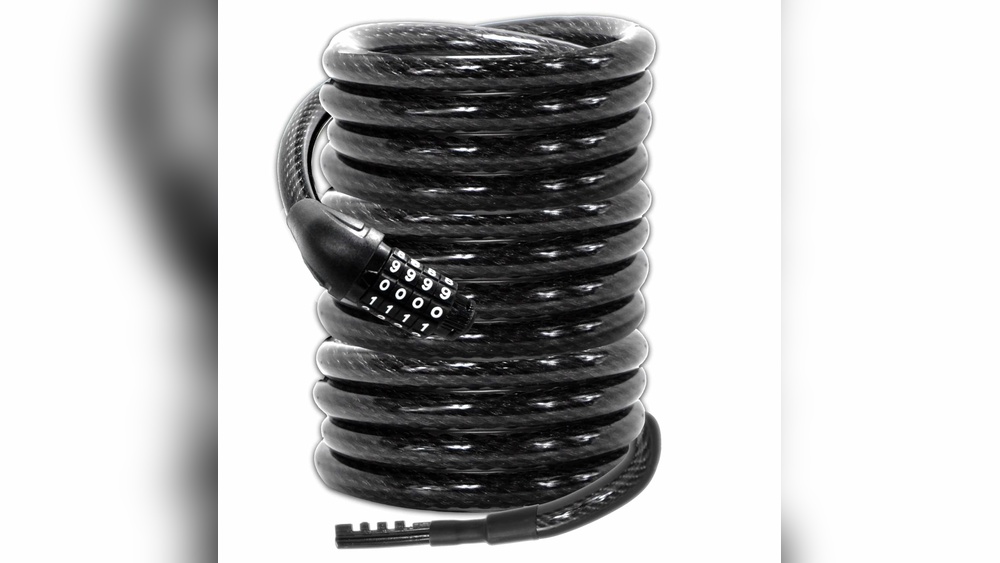
Coiled locks come with two main locking options: combination and keyed. Combination locks use numbers or letters to open, no key needed. This means no worries about losing keys. Keyed locks require a physical key to unlock. They often offer stronger security but need careful key management. Choose the type based on your convenience and security needs.

Credit: www.amazon.com
Materials Used In Coiled Locks
Coiled bike locks use specific materials to keep your bike safe and easy to carry. These materials make the lock strong, flexible, and able to resist weather. The choice of materials affects the lock’s durability and security.
Steel Cores
The core of most coiled locks is made from steel. Steel is very strong and hard to cut. It protects the bike from thieves. Many locks use braided or hardened steel for extra strength. This helps stop saws and cutters.
Protective Coatings
Steel cores are covered with protective coatings. These coatings stop rust and scratches. Common coatings include plastic or vinyl. They also prevent the lock from damaging the bike’s paint. Coatings keep the lock looking new.
Weather Resistance
Coiled locks face rain, sun, and cold. Materials must resist rust and wear. Many locks use weatherproof coatings that last a long time. This keeps the lock working well outdoors. Weather resistance adds to the lock’s lifespan.
Manufacturing Process
The manufacturing process of bike locks involves careful steps to ensure strength and flexibility. Each lock must be durable to protect bicycles from theft. The coil shape helps the lock wrap easily around bike frames and objects.
High-quality materials and precise techniques make sure the coil is tough yet flexible. The process starts with wire coiling, followed by assembling the lock parts. Finally, strict quality control checks guarantee the product’s reliability.
Wire Coiling Techniques
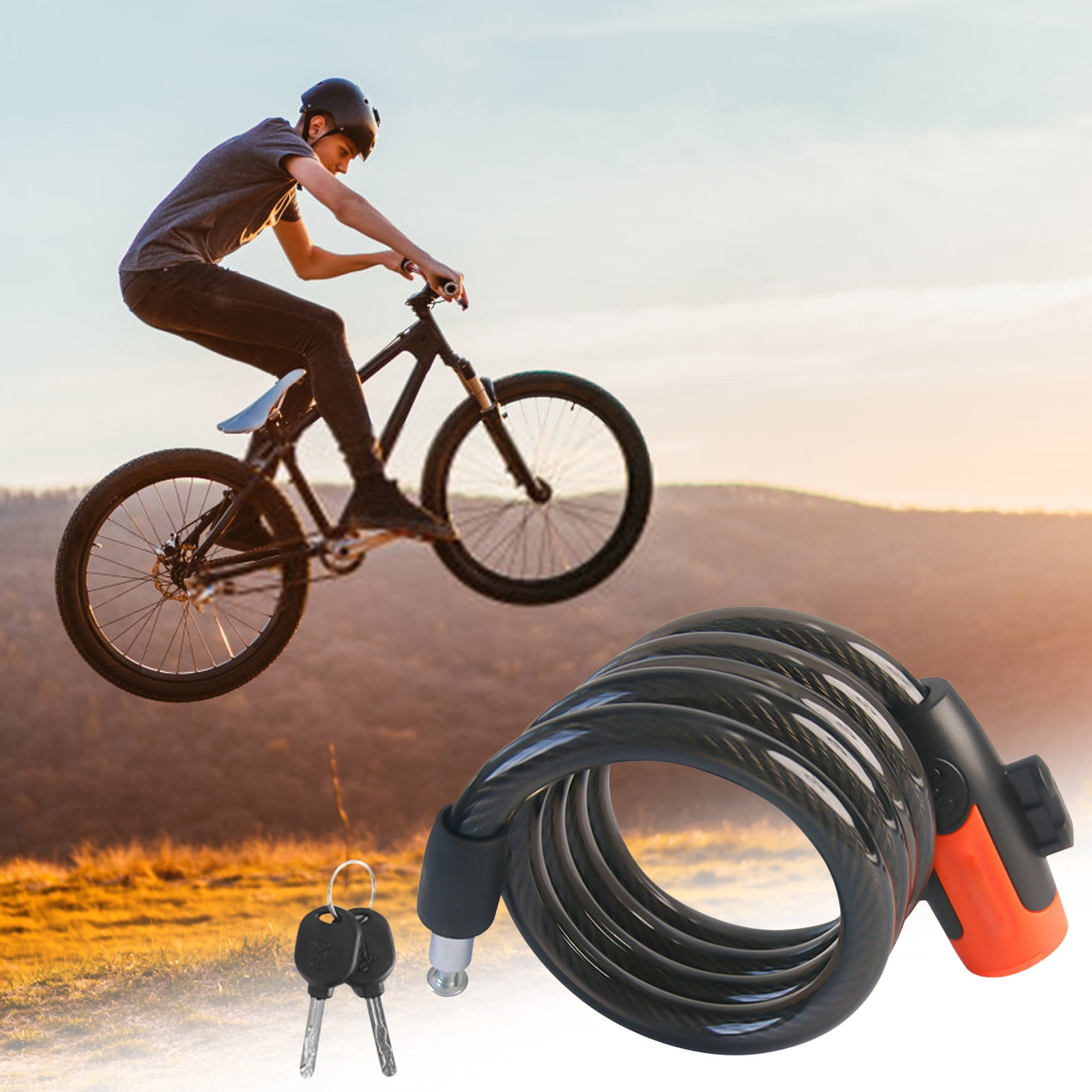
The wire used for bike locks is strong steel. It passes through machines that bend it into coils. These machines control the coil size and tightness. The coil must be flexible enough to wrap around objects. At the same time, it must resist cutting and breaking. Some wires get a plastic or rubber cover for extra protection and grip.
Lock Assembly
After coiling, the wire is cut to the right length. The ends get attached to locking parts. These parts include a key or combination lock mechanism. Workers or machines fit the coil to the lock body. All pieces must fit tightly to avoid weak spots. Assembly lines work fast but keep careful checks on every lock.
Quality Control Measures
Each bike lock undergoes tests for strength and function. Machines test the coil’s resistance to cutting and pulling. Locks are opened and closed many times to check the mechanism. Inspectors look for any defects or weak spots. Only locks that pass these tests reach the market. This ensures safety for bike owners everywhere.
Credit: www.martinispa.com
Security Features In Coiled Locks
Coiled bike locks offer strong security in a compact form. Their design allows easy storage and flexible use. The security features in coiled locks help protect your bike from theft. These features focus on resisting cutting tools, reliable locking, and advanced anti-theft technologies.
Cut Resistance
Coiled locks use thick steel cables to resist cutting. The steel is often braided or layered for more strength. Some locks add a plastic or rubber coating to protect the steel. This coating also stops tools from gripping the cable tightly. The design makes cutting with bolt cutters or saws very hard.
Locking Mechanisms
Most coiled locks use strong key or combination locks. Key locks have pins inside that prevent picking. Combination locks use rotating dials to secure the cable. Both types lock the cable ends tightly together. This stops the cable from opening without the right key or code.
Anti-theft Technologies
Some coiled locks add extra features for better security. These include alarms that sound if the lock is tampered with. Others have hardened steel cores inside the cable. Some designs include anti-drill plates to protect the lock cylinder. These technologies make theft attempts louder and harder.
Choosing The Right Coiled Lock
Choosing the right coiled lock is key for keeping your bike safe. This choice depends on your daily needs and how you use your bike. A good coiled lock offers the right mix of security, size, and price. It should fit your lifestyle and bike type.
Assessing Security Needs
Think about where you park your bike most. High-theft areas need stronger locks. Look for locks with thick steel coils. Check the lock’s rating and reviews to find strong options. Choose a lock that matches the risk level of your area.
Portability And Convenience
Coiled locks are easy to carry. They wrap neatly around your bike frame or fit in a bag. Consider the lock’s weight and size. A heavy lock can be hard to carry every day. Pick a lock that balances protection with easy transport.
Budget Considerations
Set a budget before buying a coiled lock. More expensive locks usually offer better security. Still, affordable locks can protect bikes in low-risk areas. Compare prices and features. Choose a lock that fits your budget and security needs.
Credit: www.g-locbrakes.com
Tips For Using Coiled Locks Effectively
Coiled bike locks offer a flexible and compact way to secure your bicycle. Using them well increases your bike’s safety. Follow these tips to get the most from your coiled lock. Learn how to lock properly, avoid common errors, and keep your lock in top shape.
Proper Locking Techniques
Choose a solid, fixed object to lock your bike. Thread the coiled lock through the bike frame and a wheel. This prevents easy theft of parts or the whole bike. Pull the lock tight to reduce slack. A tight lock is harder to cut or pry open. Always double-check the lock before leaving your bike.
Common Mistakes To Avoid
Do not lock only the wheel or the seat. Thieves can easily remove these parts. Avoid using weak or thin locks that break quickly. Do not leave extra slack in the lock. Slack allows tools to work better on the lock. Avoid locking your bike in poorly lit or isolated areas.
Maintenance And Care
Keep the lock clean and dry to prevent rust. Wipe it down after rain or wet conditions. Lubricate the keyhole with oil every few months. Check the coil for any cuts or damage regularly. Replace the lock if you notice significant wear. Proper care extends the life of your lock and security.
Frequently Asked Questions
How Are Bike Locks Designed To Coil Tightly?
Bike locks coil tightly using flexible steel cables covered in plastic. The cable’s flexibility allows it to wrap compactly. This design makes the lock easy to carry and store without tangling or damage.
Why Do Some Bike Locks Coil Instead Of Being Rigid?
Coiled bike locks offer portability and convenience. They are lightweight and compact, making them easy to carry on rides. Their flexible design allows locking around various objects, improving security options.
What Materials Make Bike Locks Flexible Enough To Coil?
Bike locks use braided steel cables for strength and flexibility. These cables are coated with plastic or rubber to protect the bike and lock from scratches. This combination ensures durability and easy coiling.
Does Coiling Affect The Security Of A Bike Lock?
Coiling does not reduce security if the lock uses strong materials. The steel cable’s thickness and quality are key to protection. Proper locking technique is also essential for safety.
Conclusion
Bike locks coil tightly to save space and add strength. The coiling helps keep the lock easy to carry and use. It also makes the lock harder to cut or break. Different materials and designs affect how well the coil works.
Choosing the right coil lock means thinking about safety and convenience. Understanding how bike locks coil helps you pick the best one. Keep your bike safe with a lock that fits your needs. Simple design, smart function. That’s how coiled bike locks protect your ride.