When you step into the world of boxing, understanding how your gloves are weighted can make a huge difference in your training and performance. You might wonder why gloves come in different weights and what those numbers really mean for you.
The truth is, the weight of your boxing gloves affects everything—from your speed and power to how well your hands are protected. Whether you’re aiming to build strength, improve technique, or keep your sparring partner safe, knowing how gloves are weighted helps you choose the right pair for your goals.
Keep reading to discover how glove weights work and how they can help you train smarter and hit harder.
:format(jpeg)/f/115220/1244x700/b5324542a6/boxing-glove-ounces-explained-youtube-video.jpg)
Credit: blog.joinfightcamp.com
Boxing Glove Weights
Boxing glove weights play a key role in training and fighting. Gloves come in different weights to suit various needs. Choosing the right weight affects comfort, protection, and performance. Understanding how gloves are weighted helps boxers pick the best pair for their goals.
Glove weight is measured in ounces (oz). Each weight offers a different balance of padding and mobility. Heavier gloves provide more protection but can slow punches. Lighter gloves allow faster strikes but less cushioning.
What Ounces Mean
Ounces indicate the glove’s weight, not size. Common weights range from 8 oz to 20 oz. Lower ounces mean lighter gloves with less padding. Higher ounces mean heavier gloves with thicker padding. Gloves with more ounces protect hands and opponents better.
Weight Vs Size
Glove weight does not always match glove size. Two gloves can be the same size but different weights. Weight depends on padding amount and glove material. Bigger gloves often weigh more due to extra padding. Size affects fit, while weight affects feel and protection.
Padding And Protection
Heavier gloves have more padding inside. Padding absorbs impact and reduces injury risk. Sparring usually requires heavier gloves for safety. Lighter gloves suit speed training and competition. Proper padding protects both the wearer and the opponent.
Types Of Weighted Gloves
Weighted boxing gloves come in various types designed for different training purposes. Each type helps improve specific skills such as power, speed, or endurance. Understanding these types can guide your glove choice for better results in the ring.
Heavier Gloves For Sparring
Heavier gloves usually weigh 14 to 18 ounces. They have extra padding to protect both fighters during sparring sessions. The added weight tires your arms, building strength and stamina. These gloves reduce the risk of injury and are ideal for controlled practice.
Lighter Gloves For Speed
Lighter gloves often weigh 8 to 12 ounces. They allow faster punches and quick movements. These gloves help you work on your technique and improve hand speed. Using lighter gloves is common during bag work and pad drills.
Balanced Gloves For Training
Balanced gloves offer a middle ground, usually 12 to 14 ounces. They provide enough padding for safety and enough weight for conditioning. These gloves suit general training and can be used for both sparring and speed work. They help develop overall boxing skills efficiently.
Choosing The Right Weight
Choosing the right weight for your boxing gloves is key to improving your skills and protecting your hands. Gloves come in various weights, measured in ounces (oz). The weight affects padding, hand protection, and training style. Picking the correct glove weight depends on the purpose and your experience level.
For Sparring
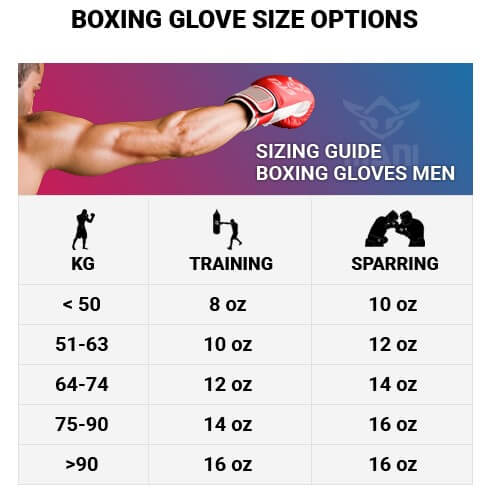
Sparring gloves are usually heavier, often 14 to 16 oz. The extra padding protects you and your partner from injury. Heavier gloves slow down your punches, helping you focus on technique. They also reduce the impact on your hands during long sessions.
For Bag Work
Bag gloves are lighter, typically 10 to 12 oz. These gloves let you punch faster and harder on the heavy bag. Less padding means you feel the impact more, improving your punching accuracy. They help build speed and power without tiring your arms too quickly.
For Beginners
Beginners should start with gloves around 12 to 14 oz. This weight offers a good balance of protection and comfort. It helps you learn proper form without risking injury. Beginners also benefit from gloves that fit well and feel secure on their hands.
Credit: www.readytoeat.com
Benefits Of Weighted Gloves
Weighted boxing gloves offer several key benefits for training and safety. Adding weight to gloves changes how you train your hands, arms, and body. This helps build muscle and improve your boxing skills. Weighted gloves also protect both you and your partner during practice.
Hand And Partner Protection
Weighted gloves have extra padding to absorb impacts better. This reduces the risk of injuries to your hands. They also protect your sparring partner from hard hits. The added weight helps slow punches, making training safer. Both you and your partner can train longer with less pain.
Improving Strength And Endurance
Training with weighted gloves makes your muscles work harder. This builds strength in your arms and shoulders. Carrying extra weight also improves endurance over time. Your muscles get used to the effort, so you punch harder without getting tired. This helps you last longer in fights and training sessions.
Enhancing Punch Speed And Technique
Weighted gloves train your body to move faster. When you switch back to normal gloves, punches feel quicker and lighter. This improves your reaction time and hand speed. Weighted gloves also force you to focus on proper form. Better technique means more effective and accurate punches.
Common Weight Classes
Boxing gloves come in different weights. These weights affect how the gloves feel and perform. Choosing the right weight depends on your training needs and skill level. Understanding common weight classes helps you pick the best gloves for your workouts.
8 Oz To 10 Oz Gloves
These gloves are lighter and often used for competition. They allow faster punches and better hand speed. Boxers use them for fights to increase agility. Less padding means less protection but more precision. They are best for experienced boxers who want speed.
12 Oz To 16 Oz Gloves
These gloves are popular for training and sparring. They offer more padding to protect hands and opponents. Heavier gloves help build strength and endurance. Many gyms require 14 oz or 16 oz for sparring safety. These gloves balance protection and comfort during practice.
Specialty Weights
Some gloves come in unique weights for specific uses. Weighted gloves over 16 oz help improve conditioning. Lighter gloves under 8 oz are rare and used for special training. Specialty gloves suit boxers with unique training goals. Always choose specialty gloves carefully to match your needs.
Tips For Perfect Fit
Finding the perfect fit for boxing gloves affects comfort and performance. Proper fit helps protect your hands and wrists. It also improves your technique and reduces injury risk. Here are some practical tips to help you choose gloves that fit well and meet your training needs.
Measuring Your Hand Size
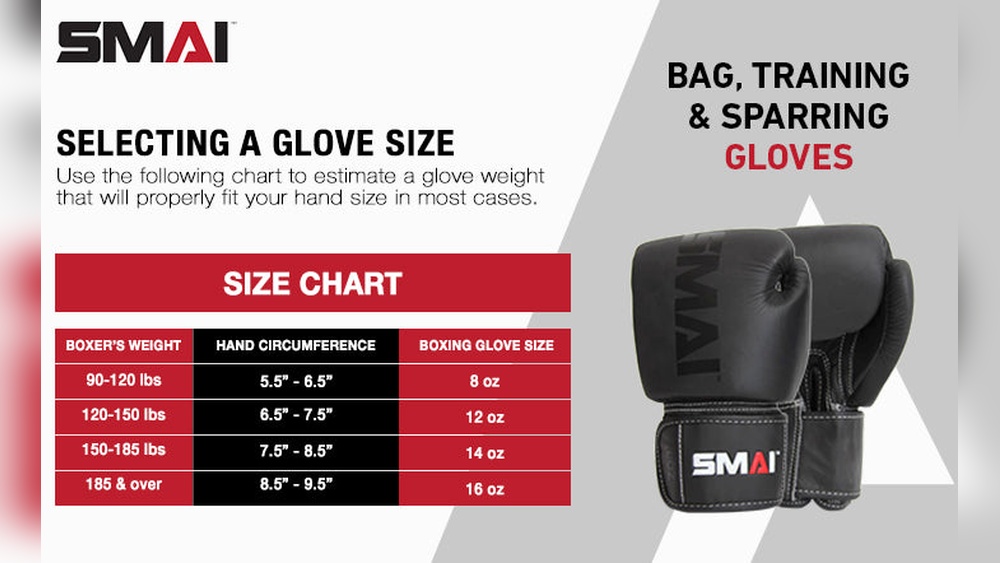
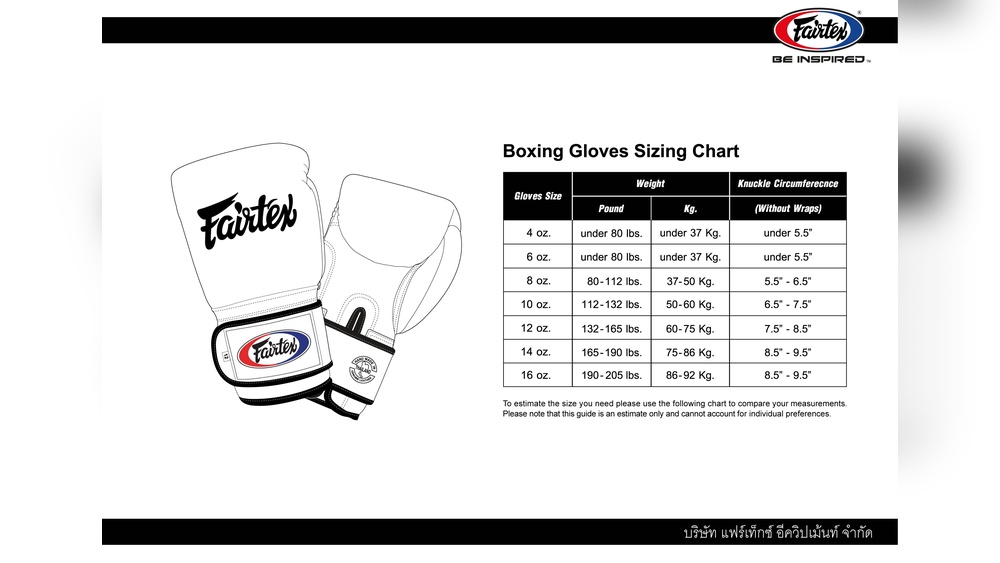
Start by measuring your hand size accurately. Use a tape measure around your knuckles with your fingers together. This gives you the correct glove size in inches. Knowing your hand size ensures a snug fit without tightness or looseness. Gloves that are too big or small can cause discomfort and reduce protection.
Trying Different Weights
Boxing gloves come in various weights, usually measured in ounces (oz). Try gloves of different weights to find what feels best. Lighter gloves offer more speed and flexibility. Heavier gloves provide extra padding and hand protection. Testing several weights helps you balance comfort, speed, and safety.
Considering Training Goals
Your training goals affect the best glove weight for you. For sparring, choose gloves with more padding to protect both you and your partner. For bag work or speed drills, lighter gloves help improve punch speed and form. Match your glove weight with your workout style for effective training.

Credit: www.ringside.com
Frequently Asked Questions
How Do They Weigh Boxing Gloves?
Boxing gloves are weighed by their ounce (oz) rating, indicating glove weight and padding amount. Heavier gloves offer more protection and conditioning benefits. Lighter gloves enable faster punches and better technique development. The weight choice depends on training type, protection needs, and hand size.
What’s The Difference Between 12 Oz And 16 Oz Boxing Gloves?
12 oz gloves are lighter, offering speed and technique for bag work. 16 oz gloves provide extra padding, better for sparring and hand protection.
What Does The 14 Oz Mean In Boxing Gloves?
The 14 oz in boxing gloves indicates their weight, affecting padding thickness and protection level. Heavier gloves offer more hand and opponent protection. They suit sparring and general training by balancing safety and mobility.
What Do Weighted Boxing Gloves Do?
Weighted boxing gloves increase resistance during training, enhancing muscle strength, endurance, and punch power while providing extra hand protection.
Conclusion
Boxing gloves vary in weight to serve different training needs. Heavier gloves offer more padding, protecting hands and partners. Lighter gloves help improve speed and technique with less bulk. Choosing the right weight depends on your goals and experience. Understanding glove weight helps boxers train safely and effectively.
Always pick gloves that balance protection and comfort for best results.