
Have you ever wondered how big normal boxing gloves really are? Whether you’re just curious or thinking about starting boxing, knowing the size of gloves can help you feel more confident and prepared.
The right glove size affects your comfort, safety, and performance in the ring. You’ll discover exactly how big standard boxing gloves are, why size matters, and how to choose the perfect pair for your needs. Keep reading—you’re about to get all the answers that will make your boxing experience better and safer.
Boxing Glove Sizes Explained
Boxing glove sizes can be confusing at first. Knowing the right size helps protect your hands and your opponent. Gloves differ by weight and purpose. Let’s break down the basics of boxing glove sizes.
Weight Categories And Measurements
Boxing gloves are measured by weight, shown in ounces (oz). The weight includes padding and material. Common weight categories range from 8 oz to 20 oz. Lighter gloves have less padding, heavier gloves offer more protection.
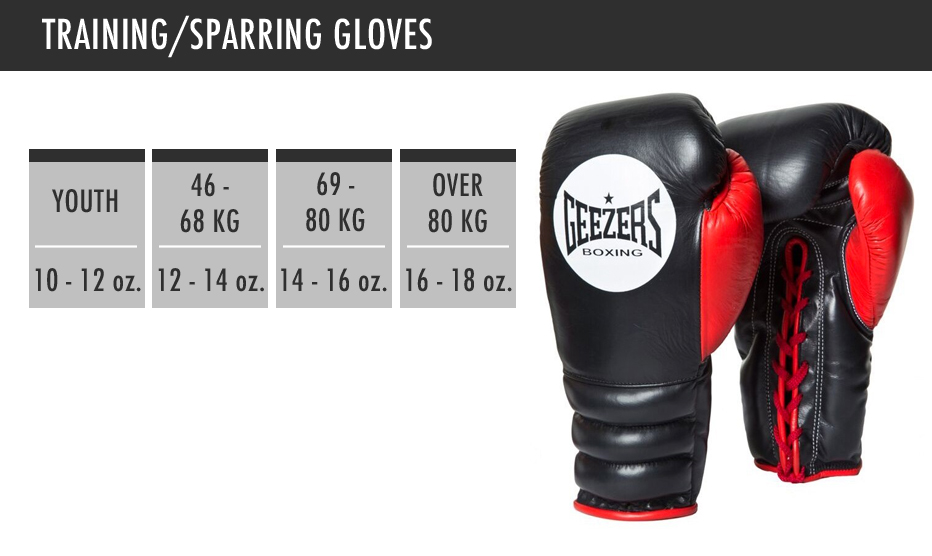
The right glove weight depends on your body weight and training type. Pro fighters often use 8 oz or 10 oz gloves for matches. For training, 12 oz to 16 oz gloves are common. Heavier gloves build strength and reduce injury risks.
Common Glove Sizes In Ounces
The most popular glove sizes are 8 oz, 10 oz, 12 oz, 14 oz, and 16 oz. Small hands or lighter fighters choose 8 oz or 10 oz. Average-sized adults usually use 12 oz or 14 oz gloves. Heavyweight fighters or those training hard prefer 16 oz gloves.
Kids and beginners often start with smaller gloves for comfort. Each size fits different hand sizes and training needs. Choosing the right glove size helps improve your boxing experience.
Impact Of Glove Size On Performance
Glove size changes how you punch and defend. Lighter gloves allow faster punches and quicker hand movement. Heavier gloves slow you down but protect your hands better. They also help increase arm strength during training.
Smaller gloves give less padding, which increases impact on your opponent. Bigger gloves reduce impact but raise safety. The right glove size balances speed, power, and protection. This balance improves your overall boxing skills.
Choosing The Right Glove Size
Choosing the right glove size is important for comfort and safety in boxing. Gloves that fit well protect your hands and wrists. Too big or too small gloves can cause injury or reduce performance. Understanding how to select the right size helps you train better and compete with confidence.
Factors Influencing Glove Size
Several factors affect the size of boxing gloves. Your weight is one of the main considerations. Heavier boxers usually need larger gloves for better padding. The type of boxing you practice also matters. Training gloves are often bigger and softer than competition gloves. Hand protection needs and glove purpose guide your size choice.
Matching Gloves To Training And Competition
Training gloves differ from competition gloves in size and padding. Training gloves have extra padding to protect your hands during long sessions. Competition gloves are lighter and smaller for speed and power. Choose gloves that fit the activity type. This ensures safety and better performance in both training and matches.
Hand Size And Glove Fit
Your hand size is key to glove fit. Measure your hand around the knuckles without the thumb. Gloves must feel snug but not tight. They should allow finger movement and wrist support. Proper fit reduces injury risk and improves punching technique. Trying gloves on before buying is always helpful.
Standard Sizes For Different Boxing Styles
Boxing gloves come in various sizes tailored for specific uses. Choosing the right size depends on the boxing style and training purpose. Proper glove size protects your hands and your opponent. Understanding standard sizes helps in picking the right gloves.
Gloves For Sparring
Sparring gloves usually weigh between 14 and 16 ounces. They are larger to provide extra padding and protect both fighters. These gloves reduce the risk of injury during practice fights. Heavier gloves help slow punches and improve defense skills.
Gloves For Bag Work
Bag gloves tend to be smaller, often 12 to 14 ounces. They offer less padding but more wrist support. These gloves are designed to protect your hands from impact with heavy bags. Using the right size helps you train longer and safer.
Competition Glove Sizes
Competition gloves vary by organization and weight class. They usually weigh 8 to 10 ounces. These gloves are lighter for faster punches and better control. Rules often require specific glove sizes to ensure fairness and safety in matches.

Credit: vixencomposites.com
Material And Padding Differences By Size
Boxing gloves vary not just in size but also in the materials and padding inside. These differences affect how gloves feel and protect your hands. Smaller gloves often have less padding. Larger gloves include more foam to absorb impact. The material also changes with size and purpose. Understanding these details helps you pick the right gloves for training or competition.
Foam Types In Various Sizes
Foam padding is key to glove size and comfort. Smaller gloves use thinner foam layers. Larger gloves have thicker, denser foam for better shock absorption. Some gloves use multiple foam layers for extra protection. The foam quality can affect glove weight and flexibility. Good foam keeps hands safe and makes punches less painful.
Leather Vs Synthetic Materials
Leather gloves are common in all sizes. They are soft and last longer. Leather molds to your hand shape over time. Synthetic gloves cost less and come in many colors. They are lighter but may wear out faster. Both materials impact glove feel and durability. Choose based on your budget and how often you train.
Durability And Protection
Larger gloves often provide more padding, increasing protection. Smaller gloves focus on speed but may offer less cushioning. Leather gloves generally last longer under heavy use. Synthetic gloves need gentle care to stay in good shape. Proper gloves reduce injury risk during punches. Select gloves that match your training intensity and hand size.
Measuring Your Hand For Perfect Fit
Finding the right boxing gloves means knowing your hand size. Gloves that fit well protect your hands and improve your performance. Measuring your hand is simple and takes just a few minutes. This helps you pick gloves that feel comfortable and secure.
Step-by-step Hand Measurement
First, get a soft measuring tape or a piece of string and a ruler. Wrap the tape around the widest part of your hand, just below the knuckles. Do not include the thumb in this measurement. Note the number where the tape meets. This is the circumference of your hand.
Next, measure the length of your hand. Place the tape at the tip of your middle finger. Stretch it down to the base of your palm. Write down this length in inches or centimeters.
Using Size Charts Effectively
Check the glove size chart from the brand you want. Match your hand circumference to the chart numbers. Choose the glove size that fits closest to your measurement. Pay attention to length too, as some brands vary.
Remember, glove sizes are often in ounces, not inches. Heavier gloves offer more padding and protection. For training, 12 to 16-ounce gloves are common. For competition, lighter gloves may be required.

Credit: vixencomposites.com
Popular Brands And Their Size Variations
Boxing gloves come in many sizes, depending on the brand. Each brand has its own way of sizing gloves. This can confuse buyers. Knowing the size differences helps you pick the right gloves. Popular brands offer various sizes to fit different needs. Understanding these variations is key for comfort and protection during training or matches.
Brand-specific Sizing Differences
Brands use different weight measurements to label their gloves. For example, some brands use ounces like 10 oz or 16 oz. Others might add extra padding, making the glove feel bigger. Some gloves fit tighter, while others offer more space inside. These differences affect hand movement and protection. Checking each brand’s size chart is important before buying. It ensures the gloves fit well and protect your hands properly.
Top Brands To Consider
Everlast is one of the most common brands. Their gloves usually follow standard sizing but feel snug. Winning gloves are popular in pro boxing and have a more compact fit. Title Boxing offers gloves with extra padding, making them feel bigger. Cleto Reyes gloves are known for a tight and secure fit. Each brand targets different preferences, from tight fits to spacious gloves. Choosing a brand depends on your hand size and training style.
Credit: www.geezersboxing.co.uk
Frequently Asked Questions
What Is The Average Size Of Normal Boxing Gloves?
Normal boxing gloves typically range from 8 to 16 ounces. The size depends on their intended use, like training or competition. Heavier gloves offer more padding, while lighter gloves provide speed and agility.
How Do Boxing Glove Sizes Affect Performance?
Larger gloves provide better hand protection and reduce impact force. Smaller gloves allow faster punches but less cushioning. Choosing the right size balances safety and performance based on your training needs.
Are All Boxing Gloves The Same Size Worldwide?
No, boxing glove sizes can vary slightly by brand and country. Most gloves use ounces to measure size, but shape and padding thickness might differ. Always check specific brand sizing guides before purchasing.
Why Do Boxing Gloves Come In Different Weights?
Different weights cater to various training needs and skill levels. Heavier gloves build endurance and protect hands during sparring. Lighter gloves improve speed and are used mainly in competitions.
Conclusion
Normal boxing gloves usually weigh between 8 to 16 ounces. Their size depends on the glove’s weight and purpose. Smaller gloves are lighter and fit tighter. Bigger gloves offer more padding and protection. Choosing the right size helps protect your hands and your opponent.
Gloves should feel comfortable and secure during training or fights. Knowing glove sizes helps you pick the best pair. It also improves your boxing experience and safety. Keep these points in mind when buying boxing gloves.


