Have you ever wondered how much space a bike locker actually takes up? Whether you’re thinking about securing your bike at work, school, or in your neighborhood, knowing the size of a bike locker is key to making the right choice.
You want to be sure it fits your bike comfortably without wasting space. You’ll discover exactly how big a bike locker is, what factors affect its size, and how to pick the perfect one for your needs. Keep reading to make your bike storage simple, safe, and hassle-free.
Credit: www.belson.com
Bike Locker Dimensions
Bike lockers come in different sizes to fit various bike types and storage needs. Knowing the dimensions helps choose the right locker for your bike. Size affects how easily the bike fits and how much space the locker takes.
Bike locker dimensions vary by design and purpose. Some are made for standard bikes, while others fit unique or larger models. Understanding these sizes ensures safe and secure bike storage.
Standard Sizes
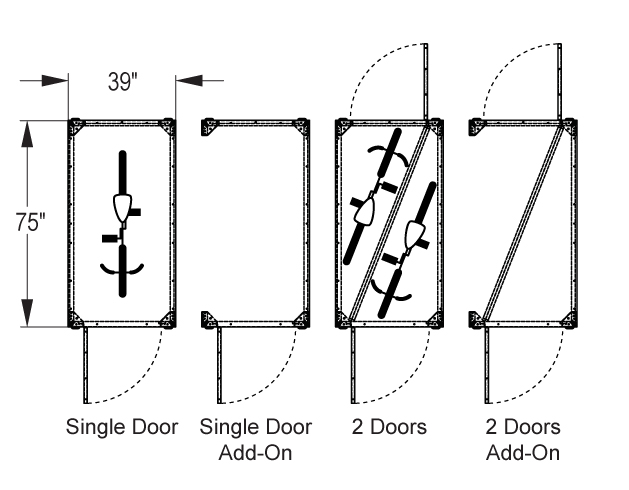
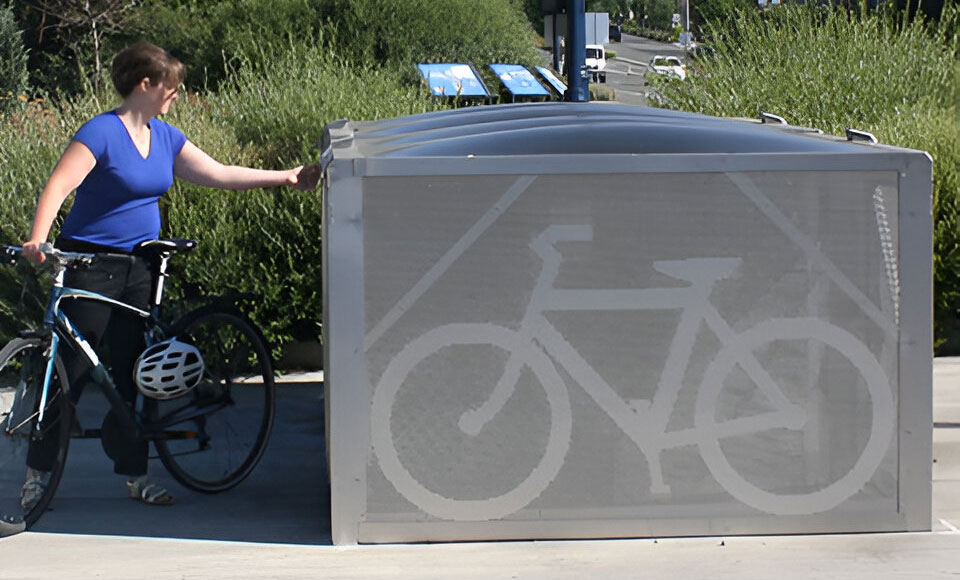
Most bike lockers follow standard sizes for common bike models. Typical lockers measure about 7 feet long, 3 feet wide, and 3 feet high. These dimensions fit most adult bicycles, including mountain and road bikes.
The width allows space for handlebars and pedals. Height covers the bike and leaves room for locks or accessories. Standard sizes suit public places like schools, parks, and offices.
Custom And Specialized Sizes
Custom bike lockers serve special needs or unusual bike types. Some fit electric bikes, cargo bikes, or bikes with trailers. These lockers are often longer, wider, or taller.
Custom dimensions depend on user requirements. They may include extra compartments or ventilation. Specialized lockers offer better protection and convenience for unique bikes.
Credit: cyclesafe.com
Factors Influencing Locker Size
Bike locker size varies based on several key factors. Choosing the right size ensures your bike fits safely and comfortably. Understanding these factors helps you pick the best locker for your needs.
Type Of Bicycle
Different bikes have different sizes. Road bikes are slim and long. Mountain bikes are wider and taller. Electric bikes often need extra space due to their batteries. A kid’s bike is smaller but needs room for easy access. Consider your bike’s shape and size before choosing a locker.
Additional Storage Needs
Some lockers offer space for more than just a bike. You might want room for a helmet, gloves, or a jacket. Tools and bike locks also need space. Extra storage makes your locker more useful. Think about what else you want to store with your bike.
Comparing Bike Locker Types
Bike lockers come in various types. Each type has different sizes and features. Understanding these helps you choose the best option for your space and needs.
Wall-mounted Lockers
Wall-mounted lockers save floor space. They attach directly to a wall. These lockers usually fit one bike. Their size is compact, often around 6 feet tall and 2 feet wide. They suit small areas or narrow corridors. Access is easy since bikes hang vertically.
Freestanding Lockers
Freestanding lockers stand on their own. They offer more space than wall-mounted types. Typical sizes range from 6 to 7 feet tall and 3 feet wide. These lockers hold one or two bikes. Their design allows placement anywhere, indoors or outdoors. They provide full protection from weather and theft.
Modular Locker Systems
Modular locker systems combine several lockers. They can fit multiple bikes in one unit. Each compartment is usually 6 feet tall and 3 feet wide. Modules connect side-by-side or stack vertically. This flexibility suits large bike storage areas. Users can customize size and capacity easily.
Credit: kingcounty.gov
Space Planning For Bike Lockers
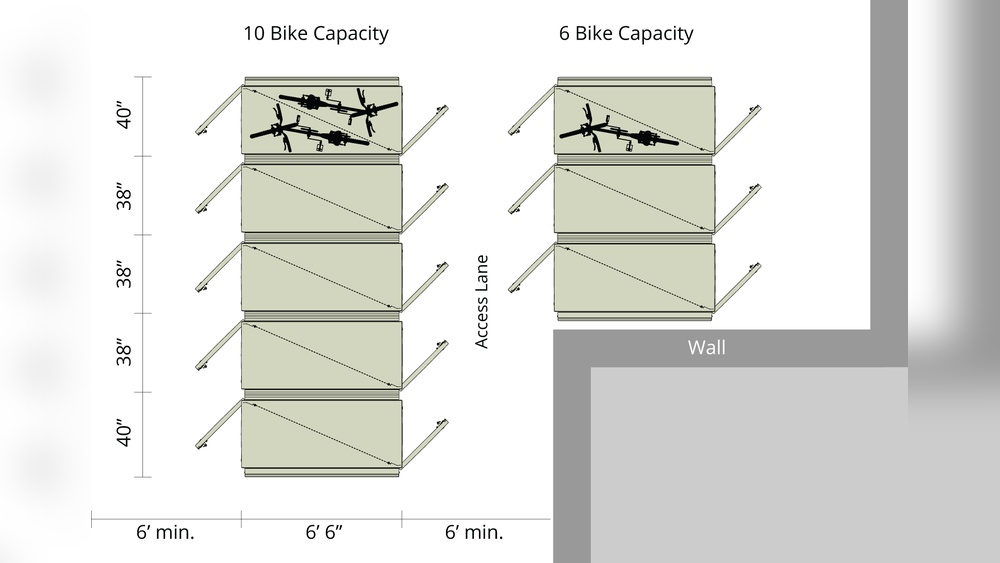
Space planning is key when installing bike lockers. Proper planning ensures lockers fit well and serve their purpose. It helps avoid wasted space and keeps areas organized. Understanding the size and placement options guides better decisions. This section explores indoor and outdoor placement and tips for maximizing storage.
Indoor Vs Outdoor Placement
Indoor bike lockers protect bikes from weather and theft. They require dry, well-ventilated spaces with enough clearance. Space for walking and opening locker doors is essential. Outdoor lockers must be sturdy and weatherproof. Choose locations with good lighting and security. Placement near entrances helps users access lockers easily. Consider local rules about outdoor structures.
Maximizing Storage Efficiency
Select lockers that fit the bike sizes you expect. Stackable or modular lockers save floor space. Arrange lockers in rows or clusters for easy access. Leave enough room for users to move comfortably. Use narrow lockers for single bikes or wider ones for extra gear. Mark pathways clearly to prevent congestion. Efficient layouts improve user experience and increase capacity.
Materials And Security Features
Bike lockers protect your bike from theft and weather. Their materials and security features play a big role in safety and durability. Choosing the right materials can keep your bike safe for years.
Security features add layers of protection. Strong materials and good locks work together to keep thieves away. Let’s explore how materials affect durability and size.
Durability And Size Impact
Bike lockers often use steel or heavy-duty plastic. Steel is strong and resists damage well. Plastic lockers are lighter but less secure. The material affects the overall size and weight of the locker.
Steel lockers need thicker walls. This can make them larger and heavier. Plastic lockers might be smaller but less tough. Size varies based on the material and design.
Good materials keep the bike safe from rain and dust. They also stop rust and wear over time. Durability matters for long-term use.
Locking Mechanisms
Locking systems are key to bike locker security. Common locks include key locks, combination locks, and electronic locks. Each type offers different security levels.
Key locks are simple and reliable. Combination locks avoid lost keys but need code management. Electronic locks offer convenience with digital access.
Some lockers have reinforced locking bars. These make breaking in very hard. A strong lock system increases safety greatly.
Installation Considerations
Installing a bike locker requires careful planning. The right spot and space make a big difference. Proper installation helps protect bikes and keeps users happy. Consider several factors before placing a bike locker to ensure it fits well and works smoothly.
Site Requirements
Choose a flat, stable surface for the locker. Avoid soft or uneven ground. The area should have good drainage to prevent water damage. Check local rules about public space use. Make sure there is enough room around for safe installation and use.
Accessibility And Clearance
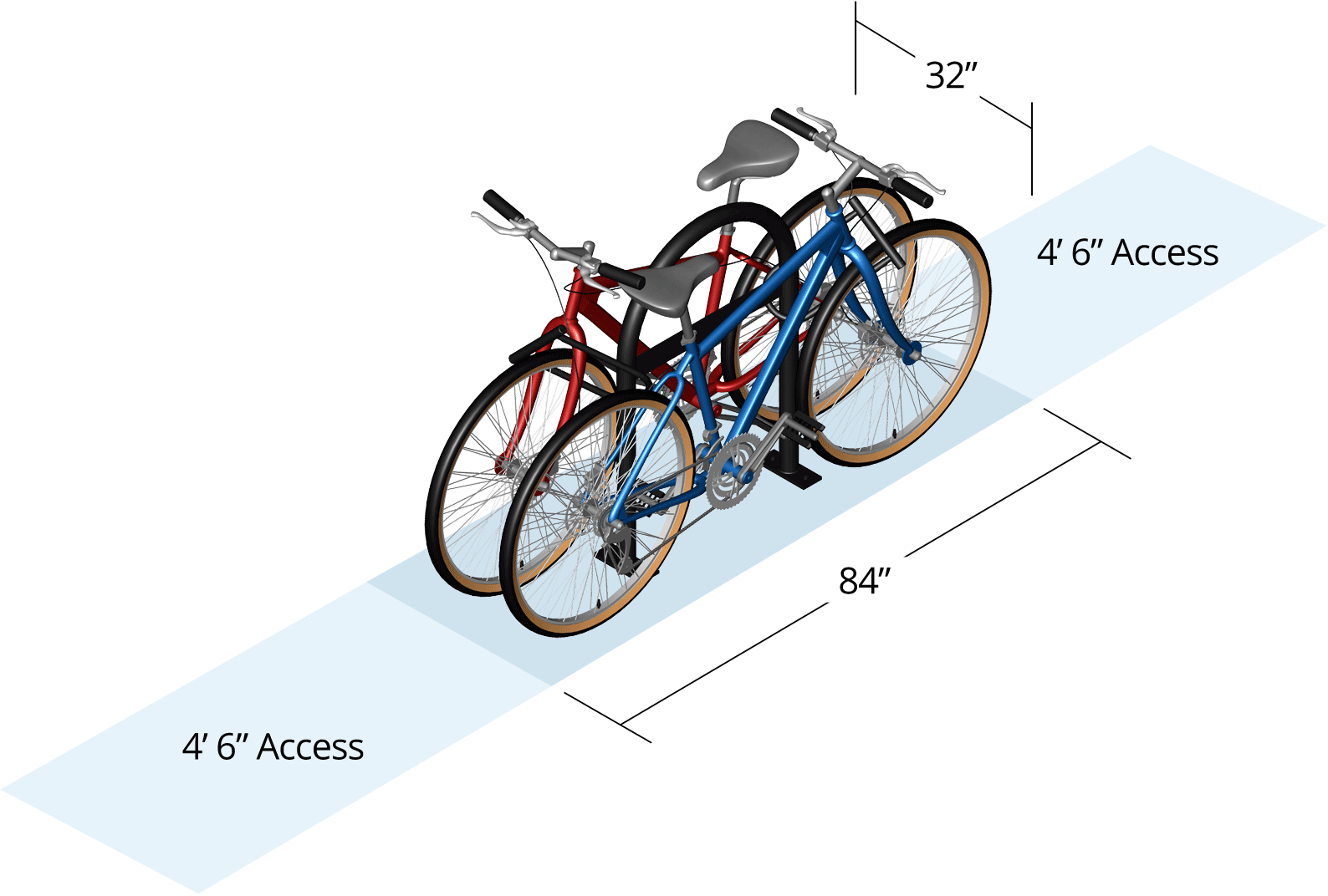
Allow enough space for easy access to the locker door. Leave room for users to move and park bikes comfortably. The locker should not block walkways or entrances. Keep clear paths for people with disabilities. Proper clearance makes the locker user-friendly and safe.
Sizing Tips For Different Users
Choosing the right size for a bike locker depends on who will use it and how often. Different users have different needs. Understanding these helps pick a locker that fits well and keeps bikes safe. Size matters for comfort and storage efficiency.
Commuters
Commuters often use standard road or hybrid bikes. A bike locker should be long enough for 68 to 72 inches. Width should allow easy access, about 24 to 30 inches. Lockers with extra space for helmets and bags work best.
Families
Families need larger lockers for multiple bikes. Kids’ bikes are smaller but parents’ bikes need more space. A locker size of 72 to 84 inches in length suits families well. Wider lockers, around 36 to 48 inches, help store several bikes safely.
Commercial Use
Commercial spaces require durable, spacious lockers. Size depends on bike types and quantity. Lockers often measure 72 to 84 inches long and 30 to 48 inches wide. Extra compartments for accessories are a plus in commercial settings.
Frequently Asked Questions
What Are The Typical Dimensions Of A Bike Locker?
A standard bike locker usually measures around 7 feet long, 3 feet wide, and 4 feet high. These sizes fit most bicycles securely and provide extra space for accessories. Locker dimensions can slightly vary depending on manufacturer and design.
How Much Space Does A Bike Locker Occupy?
A bike locker typically occupies about 21 square feet of ground space. This compact size allows efficient use in parking areas or public spaces while keeping bikes protected from theft and weather.
Can Bike Lockers Fit Different Bicycle Types?
Yes, most bike lockers accommodate various bicycle types, including road, mountain, and hybrid bikes. Adjustable features and spacious interiors help secure different frame sizes and wheel dimensions safely.
Are Bike Lockers Suitable For Long-term Storage?
Bike lockers are ideal for long-term storage. They protect bikes from weather damage, theft, and vandalism, making them perfect for commuters and residents who need secure daily bike parking.
Conclusion
A bike locker offers a secure place for your bike. Its size fits most standard bicycles comfortably. You can store helmets and small gear inside too. Choosing the right locker depends on your bike’s size and space available. These lockers keep your bike safe from weather and theft.
They help keep public areas neat and organized. Knowing the typical dimensions helps you plan better. A well-sized bike locker supports daily cycling habits. It’s a simple step to protect your bike every day.