Have you ever wondered what makes boxing gloves more than just padded gear? Understanding how boxing gloves work can change the way you see the sport and protect yourself or your loved ones if you step into the ring.
These gloves don’t just soften punches—they are designed to shield your hands, reduce injuries, and even influence your fighting style. Keep reading to discover the surprising science behind boxing gloves and why choosing the right pair matters for your safety and performance.
Boxing Glove Basics
Boxing gloves protect fighters and improve performance in the ring. They cushion the hands and reduce the impact of punches. Gloves also help prevent injuries to both the wearer and the opponent. Understanding the basics of boxing gloves can help you choose the right pair and use them correctly.
Types Of Boxing Gloves
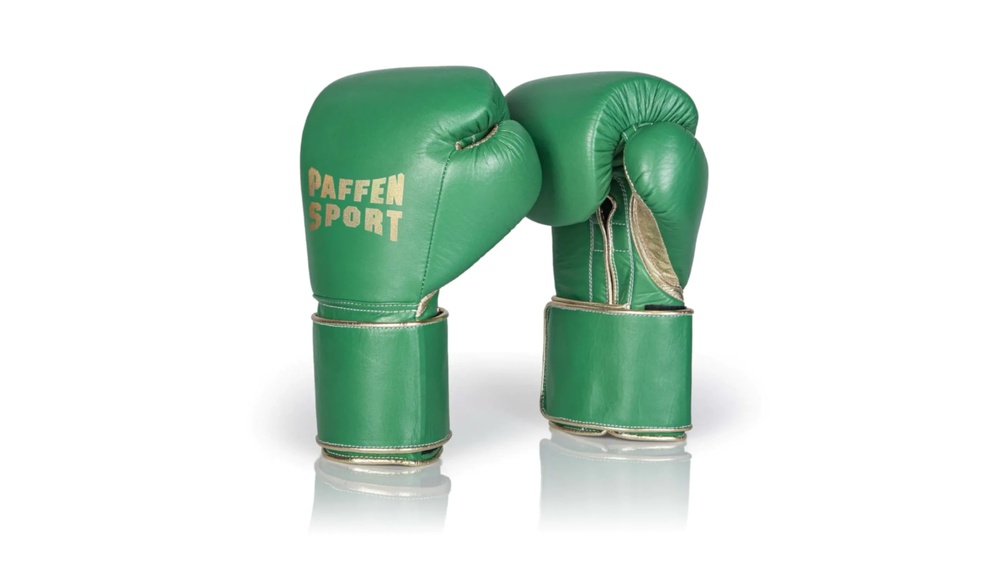
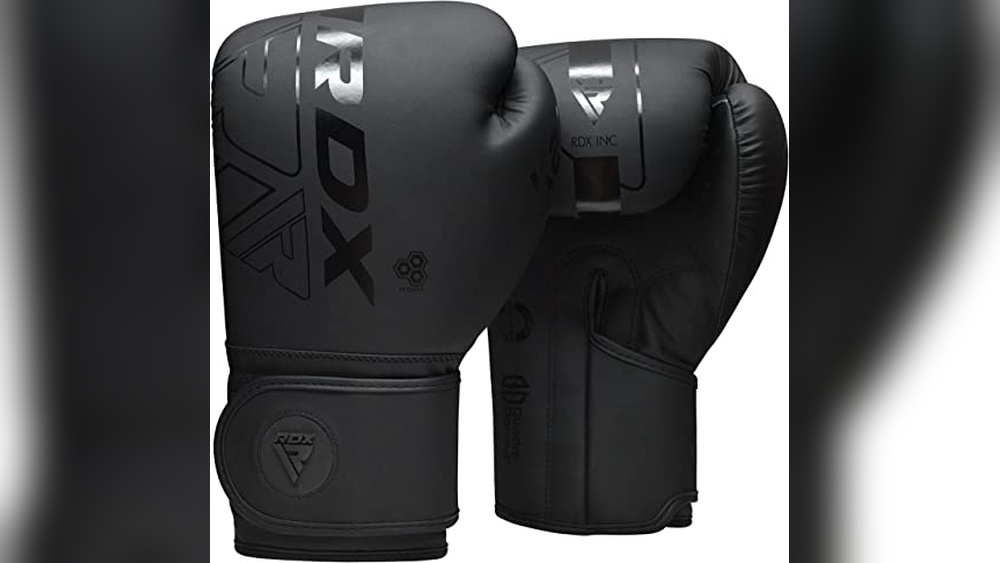
Boxing gloves come in several types. Training gloves offer extra padding for practice sessions. Competition gloves are lighter and designed for matches. Bag gloves have firmer padding for heavy bag work. Each type serves a specific purpose in boxing training and fighting.
Materials Used In Gloves
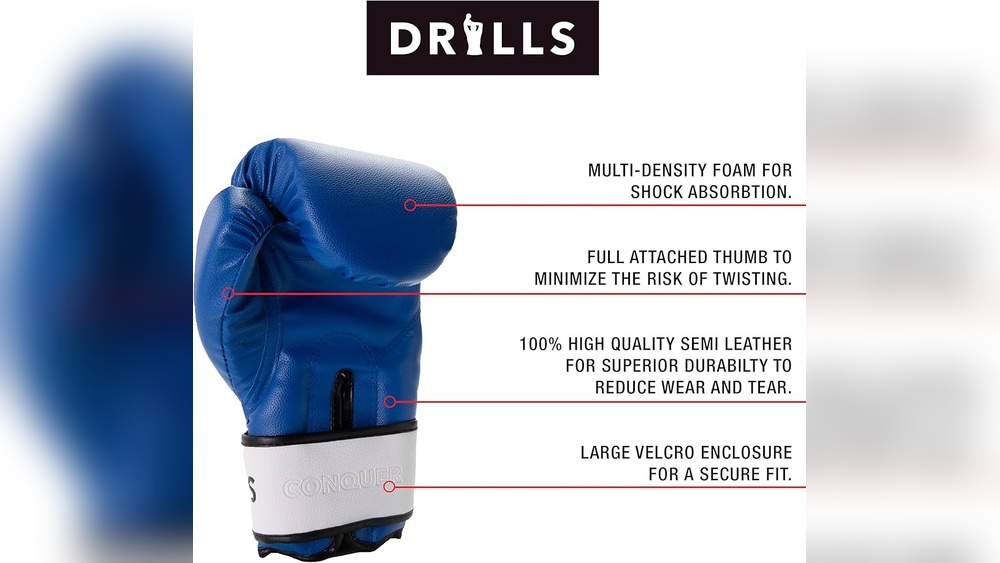
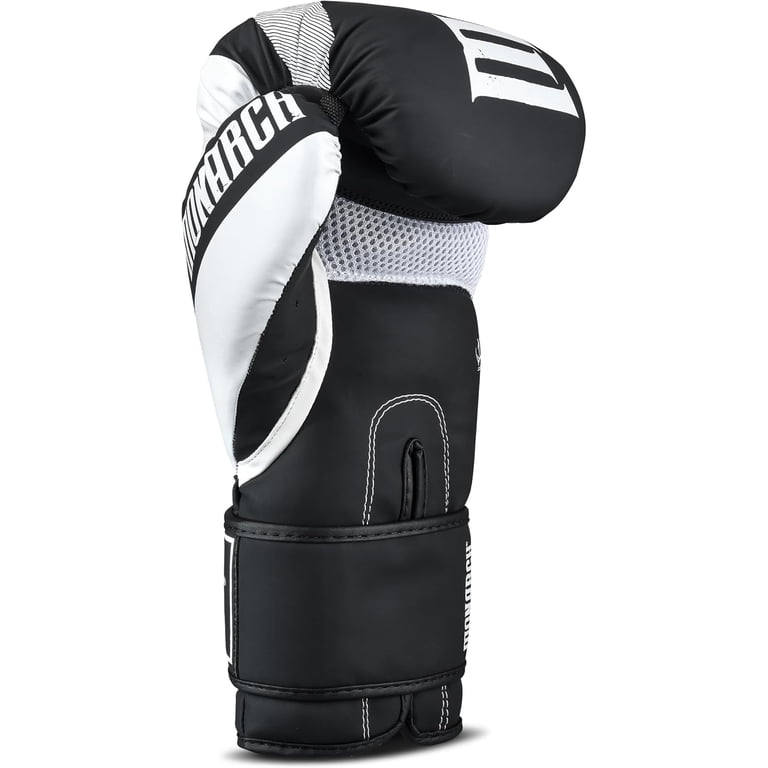
Most boxing gloves use leather or synthetic materials. Leather gloves are durable and comfortable but cost more. Synthetic gloves are affordable and easy to clean. Inside, gloves have foam padding to absorb shock. The lining keeps hands dry and comfortable during use.
Credit: www.martinispa.com
Impact Absorption
Impact absorption is a key function of boxing gloves. It protects both the wearer’s hands and the opponent from serious injury. Gloves reduce the force of punches by softening the blow. This allows fighters to train and compete safely.
Padding And Cushioning
Boxing gloves contain thick padding inside. This padding is usually made of foam or gel. It cushions the knuckles and soft tissues of the hand. The foam compresses when a punch lands, absorbing much of the impact. This stops the full force from hitting the hand directly.
Good padding also spreads out the pressure over a larger area. This lowers the risk of fractures or bruises. Different gloves have varying levels of padding, depending on their purpose. Training gloves typically have more padding than competition gloves.
Distribution Of Force
Gloves help spread the impact force evenly across the hand. Instead of one sharp point of contact, force spreads over the glove’s surface. This reduces the chance of injury for both fighters. The glove’s shape and padding work together to distribute energy.
Force distribution also protects the opponent. The glove softens the punch and lowers the risk of cuts or deep bruises. Properly designed gloves balance protection with the ability to land effective punches.
Hand And Wrist Protection
Boxing gloves protect the hands and wrists during punches. They reduce the risk of fractures and sprains. Proper protection helps boxers train longer and hit harder without injury. Gloves provide cushioning and support to key areas.
Support Structures
Inside the gloves are padding layers that absorb shock. Foam padding cushions the knuckles and back of the hand. The wrist area has a firm wrap or strap. This wrap keeps the wrist stable and straight. It stops the wrist from bending in harmful ways. Support structures keep bones aligned during impact. This prevents strain on tendons and ligaments.
Preventing Injuries
Hand and wrist injuries are common in boxing. Gloves reduce impact force on small bones. They spread the punch force over a larger area. This lowers the chance of fractures and bruises. Wrapping the wrist tightly stops sudden twists. It also protects against hyperextension and sprains. Gloves create a barrier between the hand and opponent. This barrier reduces cuts and abrasions. Overall, gloves help boxers avoid serious hand and wrist damage.

Credit: www.martinispa.com
Glove Fit And Comfort
Glove fit and comfort play a big role in boxing performance. Gloves that fit well protect your hands and reduce injury risk. Comfort helps you train longer and punch better. Every detail matters, from size to material.
Sizing And Adjustability
Choosing the right glove size is key. Gloves come in different weights like 10 oz or 16 oz. Your weight and hand size guide the choice. A snug fit keeps your hand stable without feeling tight. Adjustable straps let you tighten or loosen the glove. This helps keep the glove secure during movement. Proper sizing prevents slipping and protects your wrist.
Breathability And Flexibility
Breathable gloves keep your hands cool and dry. Materials like mesh or perforated leather allow air flow. This reduces sweat and odor. Flexible gloves let your hand move naturally. Soft padding and quality stitching improve hand bending. Good flexibility helps with quick punches and better control. Comfort and performance go hand in hand.
Glove Design And Performance
Boxing gloves are more than just padded covers for your hands. Their design affects how well you perform in the ring. Every detail, from the weight to the padding, plays a role in your punching ability and hand protection. Understanding glove design helps boxers choose the right pair for training or fighting.
Good gloves balance protection with comfort. They keep your hands safe without slowing you down. Let’s explore how weight and balance impact glove performance and how these factors affect your punch speed and power.
Weight And Balance
Boxing gloves come in different weights, usually from 8 to 20 ounces. Lighter gloves weigh less and feel faster. Heavier gloves add more padding and protect better. Balance means how the glove feels on your hand. A well-balanced glove feels natural and steady. It helps keep your wrist stable during punches. Gloves that are too heavy or unbalanced tire your arms quickly. Choosing the right weight and balance improves your control and comfort.
Effect On Punch Speed And Power
Glove weight changes how fast you can punch. Lighter gloves let you move your hands quickly. This speed can surprise your opponent. Heavier gloves slow you down but add more power behind each punch. Padding also absorbs impact, reducing hand injury. The right glove lets you punch with speed and force. It helps you train better and fight smarter. Balancing speed and power is key for every boxer.
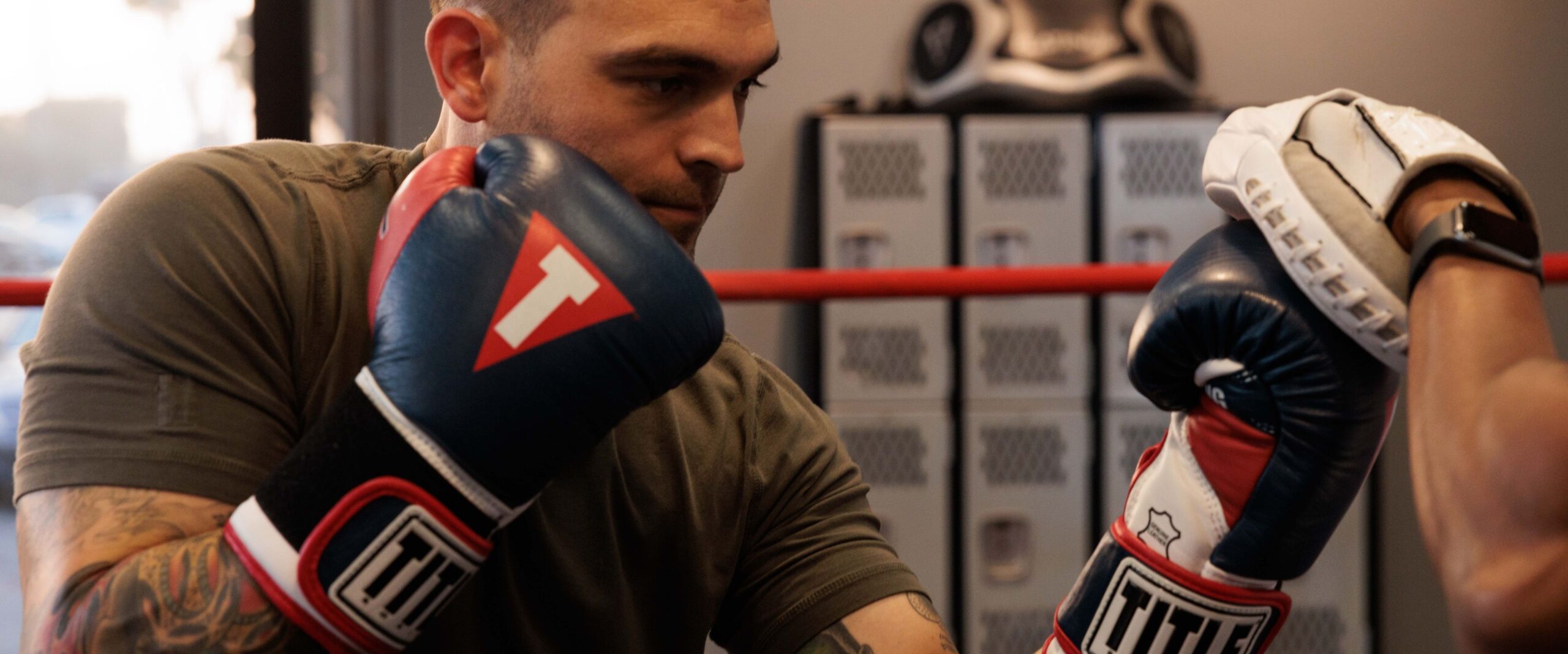
Credit: titleboxingclub.com
Maintenance And Care
Boxing gloves need care to stay in good shape. Proper maintenance keeps them clean, fresh, and safe. It also helps the gloves last longer.
Good care prevents bad smells and damage. It protects the padding and material inside the gloves. This makes every training session better.
Cleaning Tips
Wipe gloves with a damp cloth after each use. Use mild soap if they are very dirty. Avoid soaking the gloves in water. Let them air dry in a cool place. Do not leave gloves in direct sunlight or near heaters. This can damage the leather or foam inside.
Use glove deodorizers or stuff gloves with newspaper. This helps remove moisture and bad odors. Clean the inside gently to avoid tearing the lining.
Extending Glove Lifespan
Always dry gloves completely before storing. Keep them in a well-ventilated bag or container. Avoid leaving gloves in your gym bag for too long. Rotate gloves if you train often to reduce wear. Use hand wraps to protect gloves and your hands. Check gloves regularly for any damage or loose stitching. Repair small problems early to prevent bigger damage.
Frequently Asked Questions
What Materials Are Boxing Gloves Made Of?
Boxing gloves are typically made of leather or synthetic leather. Inside, they have foam padding to absorb impact. This combination protects both the wearer’s hands and the opponent’s body during punches.
How Do Boxing Gloves Protect Your Hands?
Boxing gloves distribute the force of punches evenly across the hand. The padding cushions knuckles and reduces injury risk. Gloves also stabilize wrist joints, preventing sprains during impact.
Why Do Boxing Gloves Have Different Weights?
Gloves come in various weights, like 8oz to 16oz, to suit training and competition needs. Heavier gloves provide more padding and slow punches, while lighter gloves allow faster strikes in matches.
How Do Boxing Gloves Affect Punching Power?
Gloves reduce direct impact by absorbing shock, which slightly lowers punching power. However, they protect the hand and opponent, allowing safer, longer training and matches without injury.
Conclusion
Boxing gloves protect both the wearer and the opponent. They absorb impact and reduce hand injuries. Gloves also help spread the force of punches. This makes boxing safer and more controlled. Different gloves suit different training or fight needs. Choosing the right gloves matters a lot.
Understanding how gloves work helps you use them better. Safety and comfort go hand in hand. Keep gloves clean and well-maintained for longer use. Knowing these basics makes boxing safer and more enjoyable.