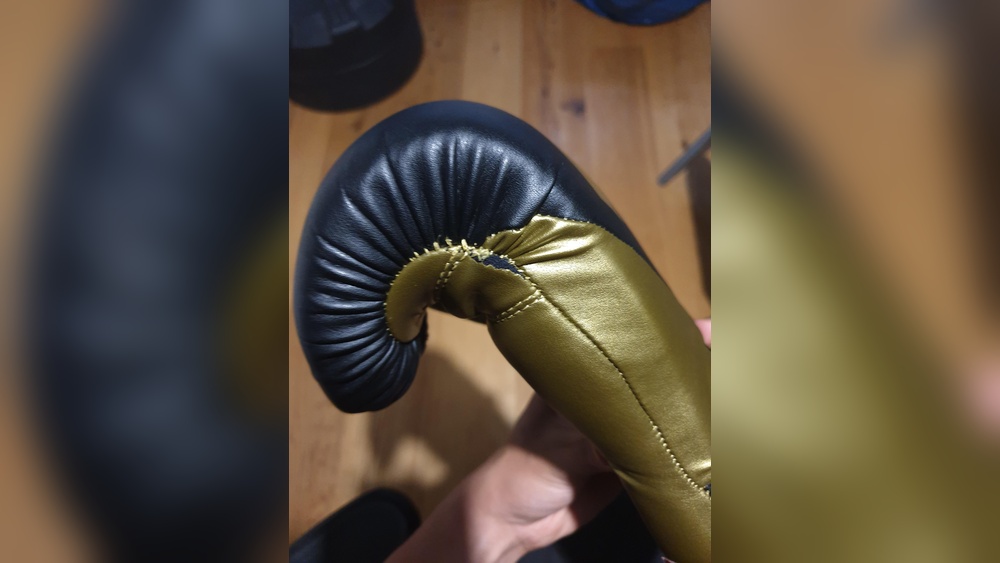
Have you ever wondered why your boxing gloves start to rip, even though you take good care of them? It can be frustrating to see your gear wear out faster than expected.
Understanding how boxing gloves rip can help you protect your investment and get the most out of your training. You’ll discover the common reasons behind glove damage and simple tips to keep your gloves strong and ready for every fight.
Keep reading to learn how to make your boxing gloves last longer and save money in the process.
Common Causes Of Glove Damage
Boxing gloves face many challenges during training and fights. These challenges cause damage and tears over time. Understanding what causes glove damage helps protect your gear and save money. Here are the common causes that make boxing gloves rip.
Wear And Tear From Training
Daily training stresses gloves. Punching bags, pads, and sparring wear out the material. Continuous use weakens the fabric and stitching. Over time, small tears grow bigger. Gloves lose their shape and protection.
Impact And Striking Forces
Each punch delivers strong force. This force stretches and strains glove materials. Hard hits cause padding to compress and break down. Repeated impacts create cracks and holes. Gloves are not built to last forever.
Poor Quality Materials
Cheap gloves often use low-grade leather or synthetic materials. These materials tear easily. Weak stitching unravels quickly. Poor materials fail to absorb shock properly. Investing in good gloves reduces damage risks.
Improper Storage
Leaving gloves in damp or hot places harms them. Folding or crushing gloves can deform padding. Storing gloves without ventilation leads to material breakdown. Proper storage extends glove life.
Exposure To Moisture And Sweat
Sweat soaks into gloves during use. Moisture breaks down leather and padding. Wet gloves encourage mold and bad smells. Dry gloves after training to avoid damage. Use glove deodorizers or air dry them well.

Credit: www.reddit.com
Signs Of Glove Deterioration
Boxing gloves wear out over time with use. They show clear signs when they start to break down. Knowing these signs helps you protect your hands and get new gloves on time.
Gloves face stress from punches, sweat, and storage. These factors cause damage that affects glove safety and comfort. Watch for these common signs of glove deterioration.
Visible Tears And Cracks
Look closely at the glove surface. Tears or cracks appear first on the outer layer. These breaks let moisture inside, speeding up damage. Small cracks can turn into big tears quickly. Avoid using gloves with visible rips.
Loss Of Padding
Padding inside the glove absorbs impact. Over time, it becomes thin or uneven. This reduces hand protection during punches. You may feel harder hits or discomfort. Soft padding means gloves need replacement.
Frayed Stitching
Check the seams and stitches. Frayed or loose threads signal wear and tear. Weak stitching can cause gloves to split open. This affects glove shape and support. Gloves with damaged seams lose their strength fast.
Unpleasant Odors
Strong bad smells come from sweat buildup. It shows poor glove ventilation and hygiene. Odors can cause skin irritation or infections. Regular cleaning helps, but persistent smell means gloves are old. Replace gloves to keep your hands healthy.
Materials And Construction
Boxing gloves protect hands and deliver powerful punches. Their strength depends on materials and how they are made. Different materials and construction methods affect gloves’ lifespan and how they rip. Understanding these helps you know why gloves wear out.
Leather Vs Synthetic Gloves
Leather gloves feel soft and last longer. They resist tears better than synthetic gloves. Synthetic gloves cost less and look good. They may rip faster with heavy use. Leather breathes well, reducing sweat damage. Synthetic gloves often trap moisture inside. This moisture can weaken the glove over time.
Stitching Techniques
Strong stitching holds gloves together. Double or triple stitching makes gloves tougher. Poor stitching causes seams to open and gloves to rip. Thread quality matters. Nylon threads resist breaking better than cotton. Tight stitches keep padding inside and maintain glove shape. Loose stitches let padding come out and gloves fail faster.
Padding Types And Durability
Gloves use foam or gel padding. Foam is soft but can break down quickly. Gel padding lasts longer and absorbs shocks well. Padding that breaks down leaves hands less protected. Thin or low-quality padding wears faster and may tear the glove surface. Good padding keeps gloves thick and strong, preventing rips.
Prevention Strategies
Preventing boxing gloves from ripping extends their life and saves money. Gloves face stress from punching, sweat, and storage. Using the right care and habits protects them well. Small steps make a big difference in durability.
Choosing The Right Gloves
Pick gloves made from strong materials like genuine leather. Synthetic leather can be cheaper but wears out fast. Buy gloves that fit your hand size correctly. Too tight or loose gloves tear more easily. Higher quality gloves often last longer.
Proper Cleaning And Drying
Clean gloves after each use to remove sweat and dirt. Use a soft cloth and mild soap solution. Avoid soaking gloves in water. Let gloves dry completely in a cool, airy place. Never use direct heat or sunlight to dry them.
Using Hand Wraps Correctly
Wrap your hands well before wearing gloves. Hand wraps protect gloves from sweat and oils. They also keep gloves inside cleaner and safer. Change hand wraps regularly to avoid transferring bacteria. Proper wrapping reduces glove wear inside.
Safe Storage Practices
Store gloves in a dry, cool place after use. Avoid leaving gloves in bags for long periods. Keep gloves away from moisture and heat sources. Use a breathable bag or container for storage. Good storage stops mold and material damage.
Rotating Gloves Regularly
Use more than one pair of gloves if possible. Rotating gloves gives each pair time to dry and rest. This reduces wear and tear on a single pair. Regular rotation extends the overall lifespan of gloves. It also keeps gloves fresher for training.
Expert Maintenance Tips
Keeping your boxing gloves in good shape prevents rips and tears. Expert maintenance helps your gloves last longer and stay safe. Small steps can protect the gloves from damage over time.
Routine Inspection
Check your gloves often for signs of wear. Look inside and outside for cracks or loose stitching. Catching problems early stops bigger damage later. Pay attention to the padding and seams.
Repairing Minor Damage
Fix small tears right away to stop them from growing. Use strong glue or needle and thread for quick repairs. Avoid using weak tape that can fall off. Repairing early keeps gloves functional and safe.
When To Replace Gloves
Replace gloves if padding feels thin or uneven. Large rips or broken seams mean it’s time for new gloves. Worn gloves lose protection and can cause injury. Don’t wait too long to get a new pair.
Extending Glove Lifespan
Air out gloves after every use to prevent moisture buildup. Store gloves in a cool, dry place away from sunlight. Clean gloves regularly with mild soap and water. Use glove deodorizers to keep them fresh longer.

Credit: www.boxingoverbroadway.com

Credit: www.reddit.com
Frequently Asked Questions
Why Do Boxing Gloves Rip Easily?
Boxing gloves rip due to constant impact, friction, and stress during training or fights. Low-quality materials also cause faster wear and tear. Proper care and quality gloves can reduce ripping.
How Does Sweat Affect Boxing Gloves Ripping?
Sweat weakens the glove’s material by causing moisture buildup. This leads to faster fabric breakdown and stitching failure. Regular cleaning and drying help prevent damage from sweat.
Can Poor Stitching Cause Boxing Gloves To Rip?
Yes, poor stitching or weak thread can cause gloves to rip quickly. Quality gloves use reinforced stitching to withstand impact and stress. Inspect stitching regularly to avoid glove damage.
Does Glove Size Impact Ripping Frequency?
Using the wrong glove size increases stress on seams and padding. Ill-fitting gloves stretch materials unevenly, causing faster ripping. Always choose the correct size for durability.
Conclusion
Boxing gloves rip because of constant use and strong impacts. Sweat and dirt also weaken the material. Poor quality gloves tend to tear faster. Taking care of gloves can help them last longer. Clean and dry them after every session.
Store gloves in a cool, dry place. Replace gloves once you see rips or tears. Protect your hands and improve training with good gloves. Simple steps prevent damage and save money. Keep your gloves strong and ready for every fight.

