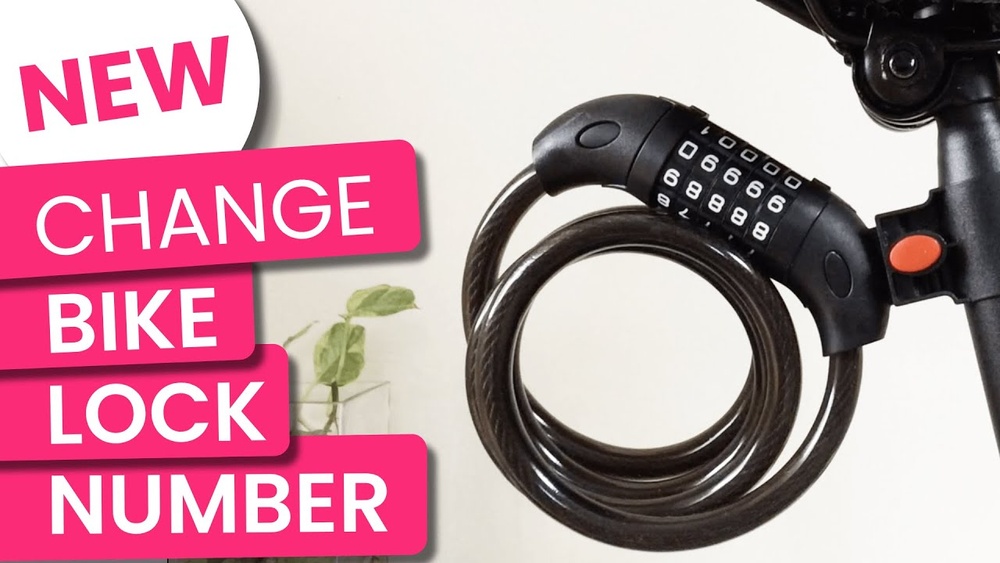
You know how important it is to keep your bike safe, but have you ever wondered where to store your bike lock and cable when you’re on the move? Carrying them the wrong way can be annoying, bulky, or even risky.
Imagine reaching your destination only to find your lock tangled or missing. You’ll discover simple, smart ways to store your bike lock and cable so they’re always ready when you need them—without getting in your way. Keep reading to find out how to protect your bike and make your rides smoother every time.

Credit: viavelolock.com
Choosing The Right Lock
Choosing the right lock is key to keeping your bike safe. A good lock can stop theft and give peace of mind. Not all locks are equal. Some fit better for short stops, others for long parking. Understanding the types and features helps you pick the best one.
Types Of Bike Locks
There are several main types of bike locks. U-locks are strong and hard to break. Cable locks are flexible and easy to carry. Chain locks combine strength with flexibility. Folding locks fold into a compact shape. Each type works well in different situations.
Security Levels Explained
Locks come with different security levels. Low-level locks protect against quick thefts. Medium-level locks guard against more tools. High-level locks resist strong cutting tools. Choose a lock with the right security for your area. Higher security locks weigh more but offer better protection.
Material And Durability
Lock material affects strength and lifespan. Hardened steel is tough and resists cutting. Alloy metals offer good strength with less weight. Avoid cheap metals that break easily. A durable lock lasts longer and keeps your bike safer. Check for rust resistance, especially for outdoor use.

Credit: viavelolock.com
Cable Storage Options
Bike cables are essential for security but can be bulky to carry. Cyclists find smart ways to store cables. Good storage keeps cables neat and ready for use. It also protects cables from damage. Here are common cable storage options for cyclists.
Coiling Techniques
Coiling is the easiest way to store a bike cable. Cyclists wrap the cable into loops. This reduces tangling and saves space. Tight coils fit into bags or pockets. Some use a figure-eight coil to prevent twists. This method keeps cables organized and quick to grab.
Cable Sleeves And Protectors
Cable sleeves add protection and improve storage. They cover cables with soft or hard materials. This stops scratches and wear during transport. Sleeves also help keep cables straight. Cyclists find it easier to handle cables with sleeves. They can slip cables into small compartments without damage.
Compact Cable Designs
Some cables are designed to be small and flexible. These compact cables coil easily and take less room. They often use thinner materials but stay strong. Compact designs fit into bike bags or mounted holders. Cyclists prefer them for short rides or city trips. Small size means less weight to carry around.
Mounting Locks On The Bike
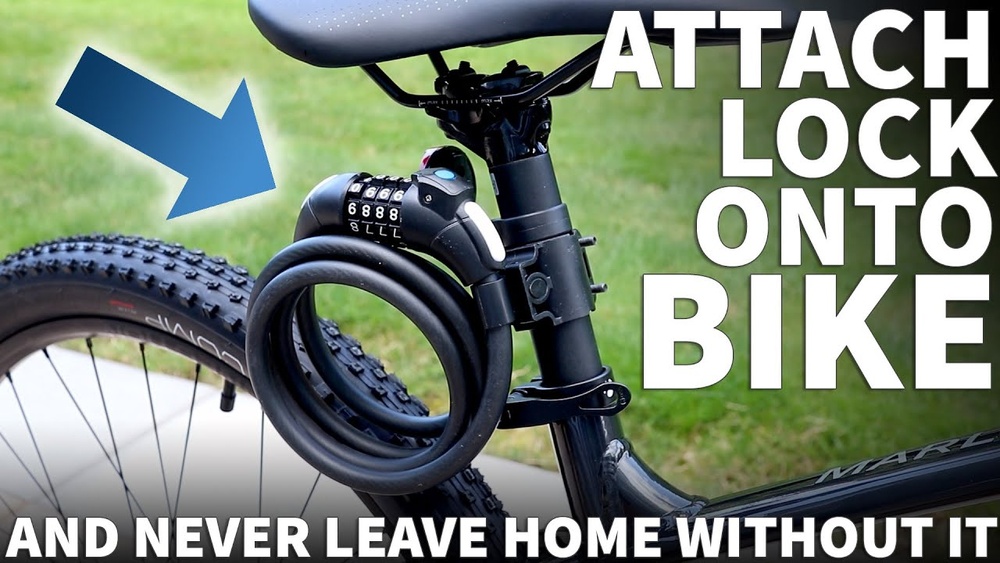
Mounting locks on a bike helps keep them safe and easy to carry. Cyclists use special holders and attachments to store locks during rides. These mounting options keep the lock secure and prevent it from rattling or falling off.
Choosing the right mounting method depends on lock size and bike design. Proper storage also makes locking your bike faster and simpler.
Frame Mount Holders
Frame mount holders attach directly to the bike frame. They use brackets or clips to hold the lock tightly. These holders keep the lock close to the frame, reducing movement and noise.
Most frame mounts fit U-locks or heavy chain locks. They are easy to install and remove when needed. Frame mounts save space and keep the lock ready to use.
Underseat Storage
Underseat storage uses small bags or pouches below the bike seat. These bags can hold cable locks or smaller U-locks. They protect the lock from dirt and weather during rides.
Underseat storage is easy to access but may hold less weight. This method works well for light or flexible locks. It keeps the bike looking clean and organized.
Handlebar Attachments
Handlebar attachments clip locks to the front of the bike. These holders keep the lock visible and easy to grab. They often fit coil or cable locks best.
Handlebar storage can add some weight to the front wheel. Still, it offers quick access and saves space elsewhere. Many cyclists prefer this for short trips or city rides.
Using Bags And Pouches
Storing a bike lock and cable safely is important for every cyclist. Using bags and pouches helps keep these items secure and easy to carry. These storage options protect your lock from weather and damage. They also stop the lock from scratching your bike or gear. Below are some common ways cyclists use bags and pouches for their locks.
Backpack Lock Compartments
Many backpacks have special compartments for bike locks. These pockets keep the lock separate from other items. This prevents damage and makes it easy to find. The compartments often have padding to protect the lock. Some backpacks have straps to hold the lock in place. This keeps the lock from moving around while riding.
Saddle Bags For Lock Storage
Saddle bags attach under the bike seat. They are small but can fit a lock and cable. These bags keep the lock close to the bike. This reduces noise and keeps the lock out of the way. Saddle bags usually have zippers or Velcro to close them tightly. Many models offer water resistance to protect the lock.
Handlebar Bags
Handlebar bags provide easy access to bike locks. They sit on the front of the bike, near the handlebars. These bags often have multiple pockets for tools and locks. Handlebar bags keep your lock handy for quick stops. They come in different sizes to fit various locks. Padded bags protect the lock from bumps and scratches.
Safety Tips For Lock Storage
Storing bike locks and cables safely helps keep them in good shape. It also stops thieves from stealing the lock itself. Proper storage extends the lock’s life and saves money. Follow these tips to protect your lock and keep your bike safe.
Avoiding Lock Damage
Keep locks dry to stop rust and corrosion. Store them in a cool, dry place away from sunlight. Avoid placing heavy items on top of the lock to prevent bending or breaking. Use a protective case or pouch if available. Handle cables carefully to avoid kinks and cuts.
Preventing Theft Of The Lock Itself
Never leave your lock unattended in public spaces. Store it inside your home or garage when not in use. Use a secure hook or bracket to hang the lock. Avoid hiding the key in obvious places. Consider using a secondary lock to secure the main lock.
Regular Maintenance
Check locks and cables regularly for damage or wear. Clean them with a soft cloth and mild soap. Lubricate moving parts with lock oil to keep them working smoothly. Replace worn or damaged parts immediately. Regular care prevents lock failure and theft risks.
Smart Habits For Cyclists
Smart habits help cyclists protect their bikes and locks effectively. Storing bike locks and cables properly keeps them ready for use. Safe storage also prevents damage and loss. Good habits save time and reduce stress during rides.
Locking Strategies
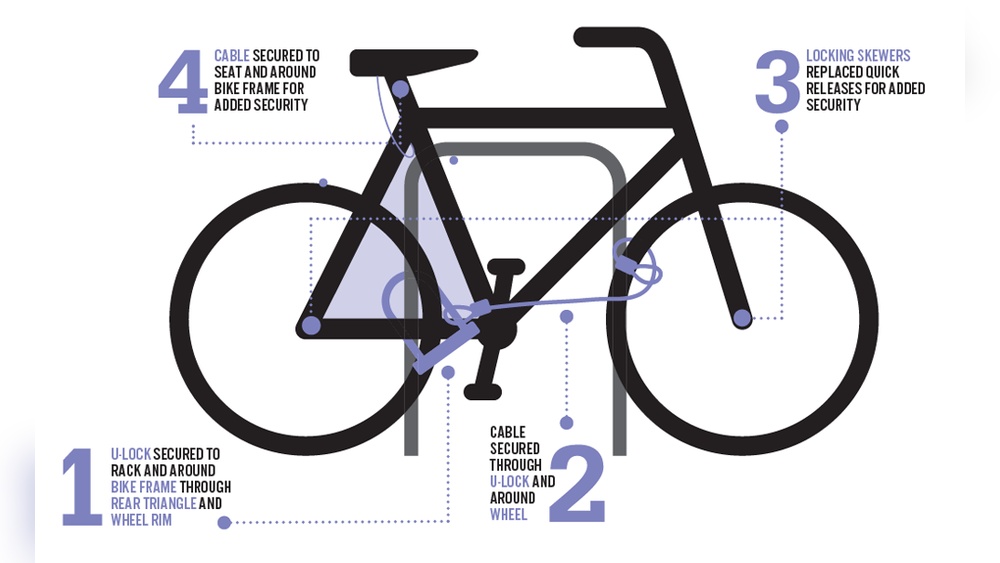
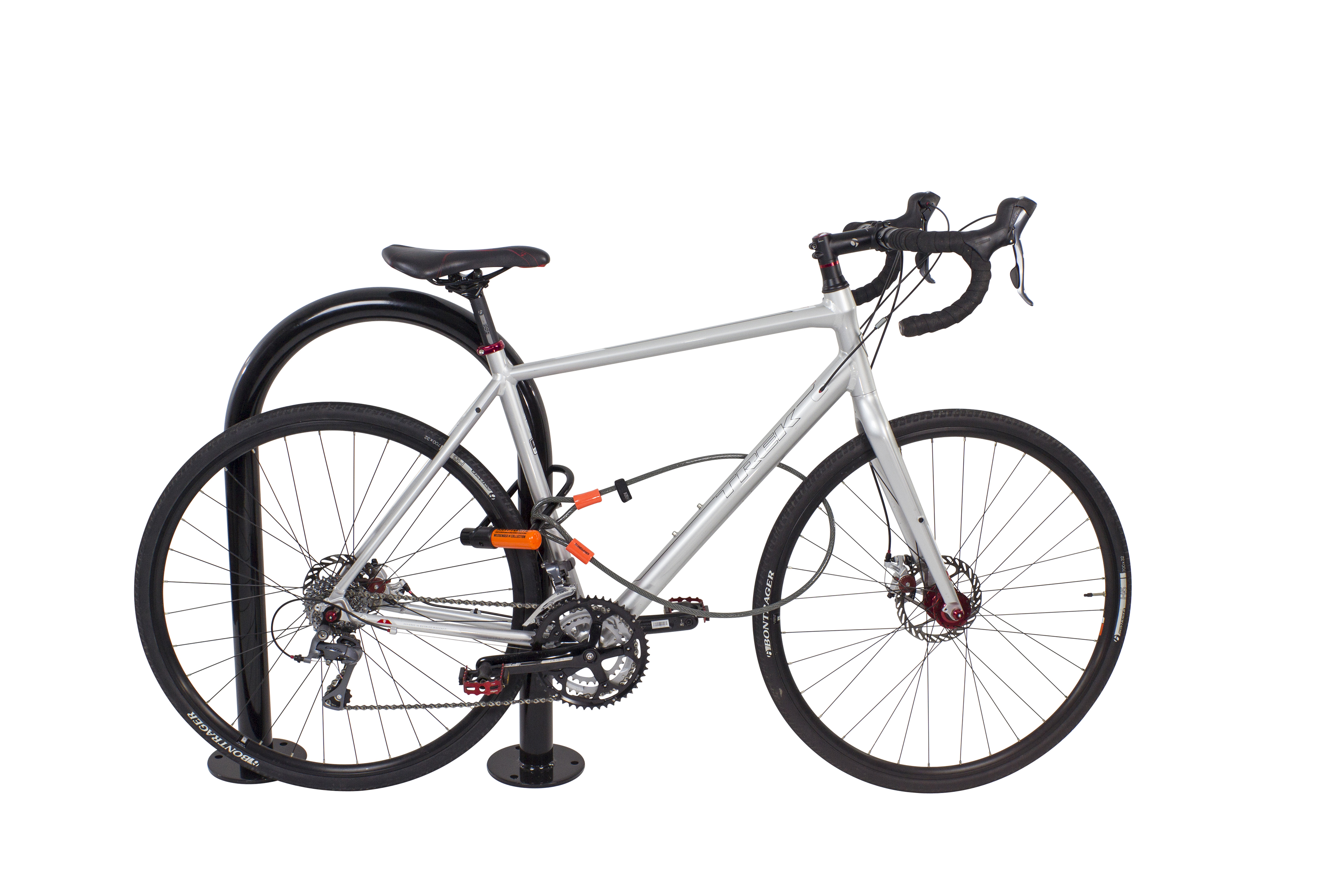
Choose strong, reliable locks for your bike. Always lock your bike frame and wheels to a fixed object. Use two different types of locks for better security. Avoid locking your bike in isolated or poorly lit areas. Double-check your lock before leaving your bike.
Daily Carry Tips
Carry your lock and cable in a compact bag or pouch. Use a lock holder that attaches to your bike frame. Keep cables coiled neatly to avoid tangles. Choose lightweight locks for easy carrying. Make sure your lock is easy to reach during stops.
Travel And Long-distance Storage
Store locks in padded compartments to prevent scratches. Secure cables with Velcro straps or reusable ties. Use a dedicated lock case for air or train travel. Avoid placing heavy items on top of your locks. Check locks regularly for rust or damage after trips.
Credit: kdfoundation.org
Frequently Asked Questions
How Do Cyclists Carry Bike Locks During Rides?
Cyclists usually wrap their locks around the bike frame or seat post. Some use lock holsters or backpacks for easy access. This keeps the lock secure and prevents noise or damage while riding.
What’s The Best Way To Store Bike Cables When Cycling?
Cyclists coil cables neatly and attach them to the frame or inside bags. Using cable ties or Velcro helps keep cables organized and tangle-free during rides.
Can Bike Locks And Cables Be Stored Together Safely?
Yes, storing locks and cables together in a dedicated bag or lock holder prevents scratches and keeps both secure. It also makes carrying and accessing them convenient.
Are There Compact Options For Carrying Bike Locks And Cables?
Yes, many compact U-locks and foldable cables are designed for easy storage. They fit in small bags or mounts, making transportation lightweight and hassle-free.
Conclusion
Storing your bike lock and cable properly keeps them safe and ready. Choose a method that fits your bike and daily rides. Keep locks secure but easy to reach. Avoid loose cables that might tangle or get damaged. Small habits make a big difference in bike care.
Stay organized to protect your gear every time you ride. Simple steps keep your bike safe and your mind calm. Try different storage options until you find the best fit. Safe storage means longer lock life and less hassle.