You’ve got your folding bike, but how do you keep it safe when you’re not riding? That’s where folding bike locks come in.
These clever devices might look simple, but they pack a smart design that protects your bike from theft. If you’ve ever wondered how they work or which one is right for you, this article will clear things up. By the end, you’ll know exactly how folding bike locks keep your bike secure—and how to choose one that fits your needs perfectly.
Keep reading to unlock the secrets behind these handy bike security tools.
Types Of Folding Bike Locks
Folding bike locks come in different types. Each type offers unique benefits for security and convenience. Understanding these types helps you choose the best lock for your needs. Key factors include the materials used, locking mechanisms, and size. These features affect strength, ease of use, and portability.
Materials Used
Strong materials keep your bike safe. Most folding locks use steel or hardened alloy. Steel is tough and resists cutting tools. Hardened alloys add extra strength without extra weight. Some locks have a protective cover to stop scratches. This cover also keeps the lock safe from weather damage.
Locking Mechanisms
Folding locks have different ways to lock. Common types include key locks and combination locks. Key locks need a key to open, offering strong security. Combination locks use numbers, no key needed. Some locks have a folding design that snaps shut. This design makes locking quick and easy.
Size And Portability
Size matters for carrying your lock. Folding locks fold into a small package. They fit easily in a bag or mount on the bike frame. Lightweight locks are easier to carry every day. The right size gives good security without extra bulk. Portability makes it simple to bring your lock anywhere.

Credit: www.youtube.com
How Folding Locks Secure Your Bike
Folding bike locks keep your bike safe using smart design and strong materials. They combine flexibility with security. This lets you lock your bike in many places. Their compact shape makes carrying easy. Understanding how these locks secure your bike helps you choose the best one.
Jointed Link Design
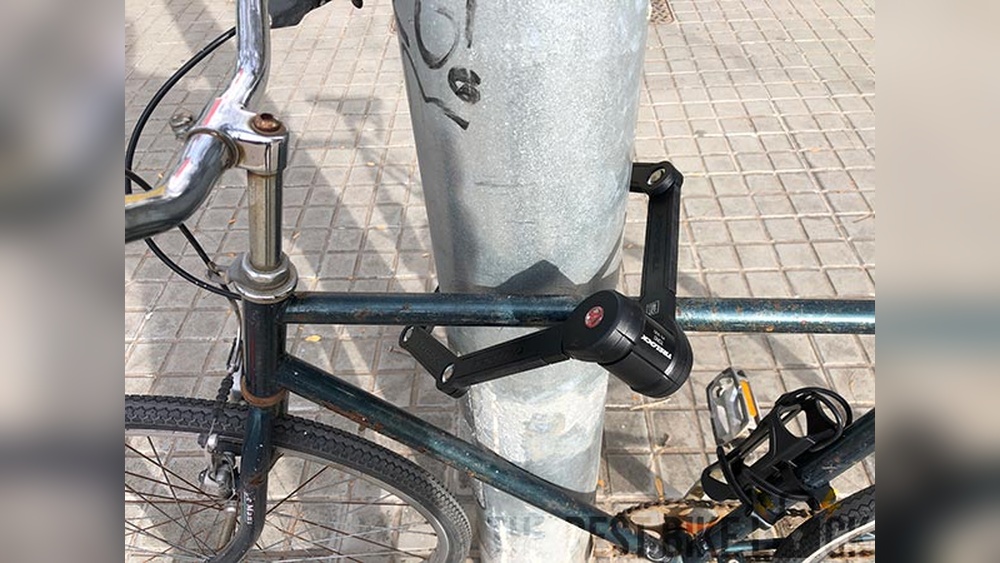
Folding locks use jointed links connected by rivets. These links fold like a pocket knife. This design allows the lock to bend around objects. It fits tight spaces better than a chain or U-lock. The joints are strong to resist twisting and pulling. This keeps the lock sturdy and hard to break.
Resistance To Cutting Tools
The metal in folding locks is tough and thick. Hardened steel protects the lock from saws and cutters. Some locks have extra layers to stop grinding tools. The small gaps between links make it hard to insert cutting tools. This strong build slows down thieves and keeps your bike safe.
Anchoring Points
Folding locks secure your bike to fixed objects. You can lock to bike racks, poles, or fences. The lock’s length and flexibility allow many anchoring options. This prevents thieves from lifting or moving your bike. A well-anchored bike is much harder to steal.
Advantages Over Other Locks
Folding bike locks offer several benefits compared to traditional locks. Their design and materials provide unique strengths that suit many cyclists’ needs. Understanding these advantages helps in choosing the right lock for your bike.
Flexibility And Versatility
Folding locks bend at multiple joints, allowing various shapes. This flexibility helps secure bikes to different objects. You can wrap them around poles, bike racks, or fences easily. Their compact folding design fits in small bags or pockets. This versatility makes them useful in many places.
Ease Of Use
Folding locks open and close quickly with simple movements. No need to struggle with stiff cables or chains. They lock firmly with a single click or key turn. This simplicity saves time, especially during daily rides. Less hassle means more convenience for the user.
Weight Comparison
Folding locks weigh less than heavy chains and U-locks. Their materials are strong but lightweight. Carrying a folding lock adds little burden on your ride. Lighter locks encourage cyclists to carry protection always. This balance of weight and strength suits many riders.
Common Vulnerabilities
Folding bike locks offer convenience and compact design for cyclists. Yet, they have some common vulnerabilities. Knowing these weak points helps you choose and use your lock better. Understanding risks improves your bike’s safety.
Potential Weak Points
Folding bike locks have joints that fold and unfold. These joints can be weak spots. Thieves may target these sections to break the lock. The metal bars may be thinner than solid locks. Thin metal bends or snaps easier under force. Some locks use rivets or screws that can loosen over time.
Lock Picking Risks
Many folding bike locks use cylinder keys. These locks can be picked by skilled thieves. Cheap locks often have simple mechanisms. Simple locks open faster with lock picking tools. Higher quality locks use complex pins to resist picking. Still, no lock is fully pick-proof. Awareness of picking risks helps in choosing better locks.
Wear And Tear Effects
Daily folding and unfolding cause wear. The lock’s moving parts can wear out or rust. Rust weakens the metal and joints. Dirt and grime build up inside the lock. This buildup can jam the key or folding action. Regular cleaning and lubrication extend the lock’s life. Ignoring wear leads to easier break-ins.
Tips For Maximizing Security
Keeping your folding bike safe depends on more than just using a lock. You need smart ways to get the best protection. Small steps can make a big difference. These tips help you use folding bike locks better. They keep your bike secure and give you peace of mind.
Choosing The Right Lock
Pick a lock that matches your bike and where you park it. Folding locks should be strong and hard to cut. Look for locks made with hardened steel. A lock that folds compactly fits well with your bike’s design. Check the lock’s weight too. Too heavy can be hard to carry. Balance security and ease of use.
Proper Locking Techniques
Lock your bike frame and one wheel to a solid object. Avoid locking only the wheel or seat. Use a fixed, immovable object like a bike rack or pole. Make sure the lock fits tightly. Loose locks give thieves room to work. Position the lock away from the ground to stop tools from sliding under.
Maintenance Practices
Keep your folding lock clean and dry. Dirt and rust can weaken the lock mechanism. Use light oil to keep it working smoothly. Check for damage or weak spots regularly. Replace the lock if it shows wear. A well-maintained lock stays reliable for longer. It also makes locking and unlocking easier.

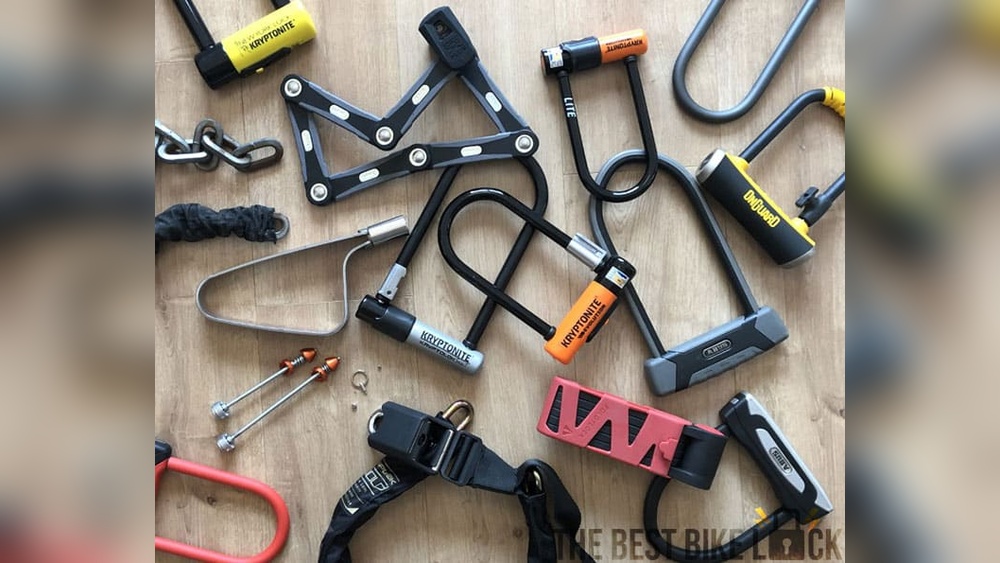
Credit: thebestbikelock.com
Popular Folding Lock Brands
Folding bike locks offer a smart way to protect your bike without carrying bulky chains. Many brands now make these locks, each with unique designs and features. Knowing popular brands helps you pick a lock that fits your needs and budget.
Top Models In The Market
Several brands stand out for quality and durability. Abus is a favorite, known for strong steel bars and compact folding. Trelock offers models with sleek designs and reliable locking mechanisms. OnGuard makes folding locks that balance weight and security well. Each brand offers different sizes and shapes to suit different bikes.
Price Ranges
Folding bike locks vary in price, usually from $40 to $120. Basic models cost around $40 to $60. Mid-range locks with better materials and security fall between $60 and $90. High-end locks, often from top brands, cost $90 or more. Prices depend on lock length, weight, and security features.
Customer Reviews
Many users praise Abus for its strong build and ease of use. Trelock gets good marks for style and solid protection. OnGuard users like its light weight and good folding design. Some reviews mention that cheaper locks may feel less sturdy. Checking reviews helps find the right balance of price and security.

Credit: www.youtube.com
Frequently Asked Questions
How Do Folding Bike Locks Provide Security?
Folding bike locks use multiple metal bars connected by rivets. They fold compactly and unfold to lock your bike securely. The rigid design resists cutting and leverage attacks, offering strong protection against theft while being easy to carry.
What Materials Are Folding Bike Locks Made Of?
Folding bike locks are mainly made from hardened steel bars. This material is strong, durable, and resistant to cutting or sawing. The steel bars are linked with rivets that allow folding and unfolding without compromising security.
Can Folding Bike Locks Fit In A Backpack?
Yes, folding bike locks fold into a compact shape. This makes them easy to carry in backpacks or bike-mounted holders. Their portable design suits urban cyclists needing a balance between security and convenience.
How Do Folding Bike Locks Compare To Chain Locks?
Folding bike locks are lighter and more compact than chains. They provide similar security levels but are less bulky and easier to carry. Chains can be heavier and harder to manage, making folding locks popular for daily use.
Conclusion
Folding bike locks offer strong, flexible protection for your bike. Their design makes them easy to carry and use anywhere. They fold into a compact shape, saving space in your bag. Sturdy materials help resist cutting or picking attempts. Choosing the right lock can keep your bike safe on the go.
Remember, a good lock adds peace of mind during your rides. Simple, practical, and reliable—folding locks fit well with active lifestyles. Keep your bike secure with a lock that works for you.