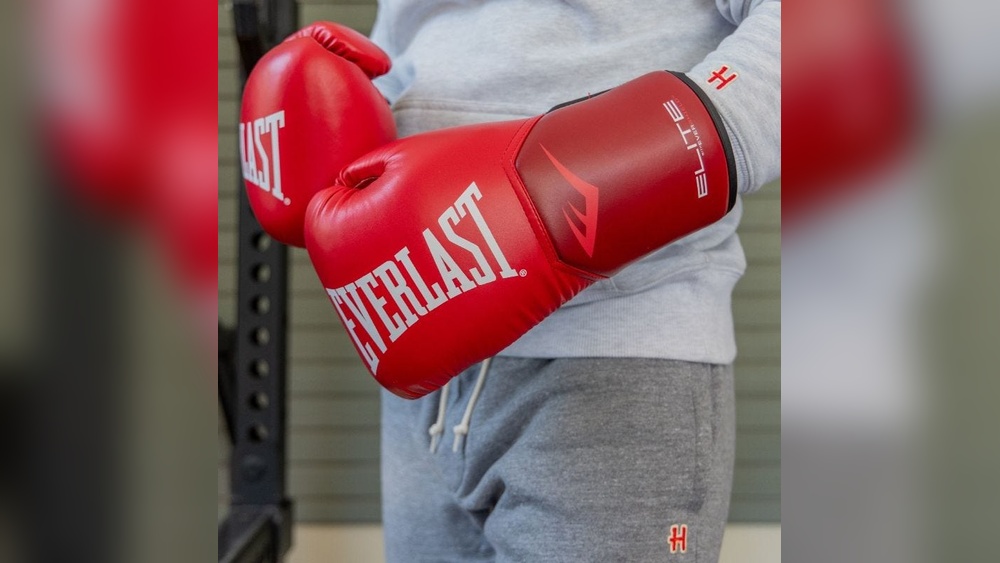
Choosing the right boxing gloves can make all the difference in your training and performance. You want gloves that protect your hands, fit comfortably, and boost your confidence every time you step into the ring.
But with so many options out there, how do you know which pair is best for you? This guide will help you cut through the confusion and find gloves that feel just right—so you can focus on improving your skills and crushing your goals.
Keep reading to discover the simple steps to picking gloves that match your needs perfectly.
Types Of Boxing Gloves
Choosing the right boxing gloves means understanding the different types available. Each type serves a specific purpose and suits different training needs. Knowing these types helps you pick gloves that protect your hands and improve your performance.
Training Gloves
Training gloves are made for everyday practice. They offer good padding to protect your hands and your partner. These gloves come in many sizes and weights, fitting most training routines. They help build strength and technique safely.
Sparring Gloves
Sparring gloves are softer and heavier than other gloves. They protect both you and your sparring partner during practice fights. The extra padding reduces impact and lowers the chance of injury. Sparring gloves focus on safety in controlled training.
Competition Gloves
Competition gloves are lighter and less padded. These gloves allow faster hand movement and harder punches. They follow strict size and weight rules for official matches. Using competition gloves helps you feel the real fight experience.
Bag Gloves
Bag gloves are designed for heavy bag workouts. They have firm padding to protect your knuckles from hard punches. These gloves are durable and made to withstand constant impact. Bag gloves keep your hands safe during intense hitting sessions.

Credit: www.smai.com
Glove Size And Weight
Choosing the right glove size and weight is key for every boxer. Gloves affect comfort, protection, and performance. The size and weight you pick will change how you train and fight.
Choosing The Right Ounce
Boxing gloves come in different ounces, like 8 oz, 10 oz, or 16 oz. The ounce number shows the glove’s weight. Lighter gloves help with speed and quick punches. Heavier gloves give more padding and protect hands better. Pick a glove weight that feels right for your skill and training.
Impact On Protection And Speed
Heavier gloves slow your punches but add more hand protection. They reduce impact on your knuckles and wrists. Lighter gloves make your punches faster but offer less padding. Using the right weight helps prevent injuries and improves your boxing style.
Size Recommendations By Purpose
For bag work, use lighter gloves, like 12 oz or less. For sparring, heavier gloves, 14 oz to 16 oz, are best. Competition gloves are usually 8 oz or 10 oz. Choose gloves based on your training type to get the best results.
Material Options
Choosing the right boxing gloves starts with understanding the materials used. Gloves come in different materials, each with its pros and cons. The choice affects how the gloves feel, last, and protect your hands. Knowing about material options helps you pick gloves that suit your needs and budget.
Leather Vs Synthetic
Leather gloves are made from real animal hide. They feel soft and fit well over time. Leather lasts longer and handles sweat better. Synthetic gloves use man-made materials like vinyl or polyurethane. They cost less and come in many colors. Synthetic gloves are lighter but may wear out faster than leather.
Durability Factors
Leather gloves resist tears and cracks better than synthetics. They keep shape even after heavy use. Synthetic gloves can break down quicker, especially with rough training. Stitching and padding quality also affect durability. Gloves with strong stitching last longer regardless of material. Proper care extends the life of any glove.
Comfort Considerations
Leather gloves soften and mold to your hand with use. They feel comfortable during long training sessions. Synthetic gloves may feel stiff at first but improve with time. Breathability varies; leather often allows better airflow. Comfort depends on fit and padding, not just material. Try gloves on to check comfort before buying.
Closure Types
Choosing the right boxing gloves means understanding closure types. The closure keeps gloves tight and secure on your hands. It affects comfort, support, and ease of use. Two main types exist: velcro straps and lace-up gloves. Each type suits different needs and preferences.
Velcro Straps
Velcro straps offer quick and easy closure. They allow you to put on and take off gloves fast. This type is popular for training and sparring. Velcro straps provide good wrist support with adjustable tightness. They are ideal for solo workouts without help.
Lace-up Gloves
Lace-up gloves use laces to secure the fit. They offer a snug and customized fit around the wrist. These gloves provide excellent wrist stability and hand protection. Lace-up gloves require assistance to put on and remove. They are common in professional boxing matches.
Pros And Cons Of Each
Velcro straps are convenient and easy to use. They fit well for most hand sizes and workouts. The main drawback is less firm wrist support than lace-ups. Lace-up gloves offer superior support and a precise fit. They need someone to help tie and untie laces. This can limit quick changes during training.
Fit And Comfort
Choosing boxing gloves that fit well and feel comfortable is key for better training and protection. Gloves should feel snug but not tight. Too loose gloves can cause injury or blisters. Gloves that are too tight can reduce blood flow and cause pain. Comfort affects how long you can train and how well you perform.
Good fit and comfort protect your hands and wrists. They help you punch with more power and accuracy. Pay close attention to these details before buying your gloves.
Measuring Your Hand Size
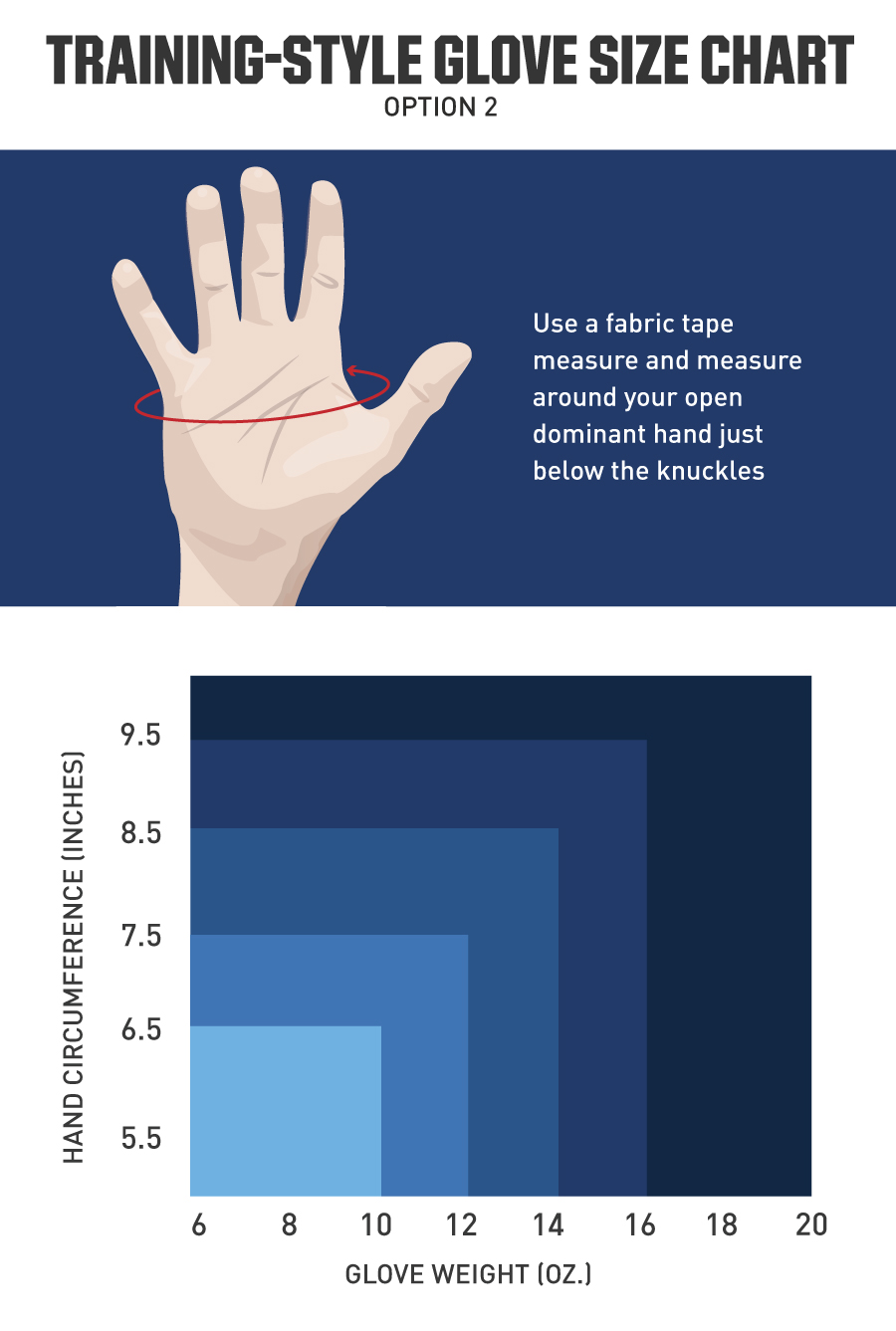
Measure your hand to find the right glove size. Use a tape measure around your knuckles with your hand open. Do not include the thumb in the measurement. The number in inches helps pick the right glove size. Most brands have size charts to match your hand size. Measure both hands for the best fit.
Importance Of Wrist Support
Strong wrist support keeps your wrist stable during punches. It lowers the risk of sprains and breaks. Look for gloves with a wide, adjustable wrist strap. The strap should wrap tightly but not cut off circulation. Good wrist support lets you train longer and punch harder safely.
Breaking In New Gloves
New gloves feel stiff and tight at first. Break them in to make them softer and more comfortable. Use them lightly for a few sessions. Punch bags help soften the padding. You can also gently massage the gloves to loosen them. Proper break-in time improves glove fit and comfort.

Credit: www.thefightfactory.com.au
Budget And Brand
Choosing boxing gloves depends a lot on your budget and the brand you trust. Your budget sets the limit for what you can spend. The brand often tells you about the glove’s quality and durability. Both factors help you find gloves that fit your needs and last long.
Affordable Vs Premium Gloves
Affordable gloves suit beginners or casual users. They cost less and still offer decent protection. Premium gloves use better materials and last longer. They feel more comfortable and protect your hands better. Decide how often you will train before choosing.
Reliable Brands To Consider
Brands with good reviews often deliver quality gloves. Look for brands known for safety and comfort. Some popular names include Everlast, Title, and Hayabusa. These brands make gloves for different skill levels and budgets. Choose a brand with a strong reputation.
Warranty And Return Policies
Check if the gloves come with a warranty. A warranty protects you from defects or early wear. Also, review the return policy before buying. A good return policy lets you exchange or return gloves if needed. This helps avoid wasting money on poor fits or quality.
Additional Features
Choosing the right boxing gloves means looking beyond just size and fit. Additional features can improve your comfort and performance. These features help keep your hands safe and cool during training or fights. Understanding these details can guide you to the best gloves for your needs.
Ventilation And Breathability
Good ventilation stops your hands from getting too hot. Gloves with mesh panels or holes allow air to flow. This reduces sweat and keeps your gloves dry. Dry gloves feel better and last longer. Breathable gloves help prevent skin problems too.
Padding Density
Padding protects your hands and your opponent. Different gloves have different padding thickness and firmness. Softer padding feels comfy but may wear out fast. Firmer padding lasts longer and offers strong protection. Choose padding based on how you train or fight.
Design And Style Options
Designs do more than look good. Some gloves have extra wrist support for safety. Others are lighter for speed and quick moves. Color and style choices let you express your personality. Pick a design that fits your style and needs.
Maintaining Your Gloves
Taking care of your boxing gloves is important for performance and hygiene. Proper maintenance keeps gloves fresh and strong. It helps prevent bad smells and damage. Follow simple steps to clean and store gloves correctly. This keeps them safe and lasts longer.
Cleaning Tips
Wipe gloves with a damp cloth after every use. Use mild soap and water for tough stains. Avoid soaking gloves in water to protect the padding. Air dry gloves in a well-ventilated space. Do not use direct heat or sunlight to dry them. Use glove deodorizers or sprinkle baking soda inside to reduce odor.
Storage Recommendations
Store gloves in a cool, dry place to avoid mold. Keep them away from direct sunlight or damp areas. Use a mesh bag for better air circulation. Do not leave gloves in your gym bag for long hours. Proper storage prevents bacteria growth and material damage.
Extending Glove Lifespan
Rotate between two pairs of gloves if possible. This allows each pair to dry fully between uses. Avoid hitting hard surfaces or objects not meant for boxing. Regularly check gloves for tears or loose stitching. Repair small damages early to avoid bigger problems. Proper care saves money and keeps gloves useful longer.
Credit: www.dickssportinggoods.com
Frequently Asked Questions
What Size Boxing Gloves Should I Choose?
Choose gloves based on your weight and training type. Lighter gloves (8-12 oz) suit competition, heavier (14-16 oz) for training and sparring.
How Do I Pick Gloves For Sparring?
Select gloves with extra padding, usually 14-16 oz, to protect both you and your partner during sparring sessions.
Which Glove Material Is Best For Durability?
Leather gloves last longer and offer better durability compared to synthetic options, making them ideal for frequent use.
How Important Is Glove Padding In Boxing?
Padding absorbs impact, reducing hand injuries. Thicker padding is crucial for sparring, while thinner suits bag work.
Conclusion
Choosing the right boxing gloves takes time and care. Think about size, weight, and padding first. Comfort and fit matter a lot. Gloves should protect your hands and wrists well. Try on different types before you buy. Good gloves help you train safely and improve your skills.
Keep your needs and budget in mind. The right gloves make boxing more fun and safe. Take your time and choose wisely. Your hands will thank you.