
Choosing the right size boxing glove can make all the difference in your training and performance. But how do you know which size fits you best?
Using gloves that are too big or too small can lead to discomfort, poor technique, or even injury. You’ll discover simple tips to find the perfect glove size for your hands and goals. Keep reading, because the right gloves will boost your confidence and help you get the most out of every punch.
Choosing Glove Size
Finding the right boxing glove size is important for comfort and safety. Gloves that fit well protect your hands and help you train better. Choosing the wrong size can cause pain or injuries.
Boxing gloves come in different sizes and weights. Knowing the difference helps you pick gloves that suit your style and needs. Read on to learn about glove sizes and how to choose the best one.
Why Size Matters
Gloves that fit properly offer better wrist support. They reduce the risk of hand injuries during punches. Too small gloves can squeeze your hands uncomfortably. Too large gloves may slip and reduce control.
Proper size gloves improve your punching technique. They also protect your training partner in sparring sessions. Size impacts your performance and safety, making it essential to choose wisely.
Common Glove Sizes
Boxing gloves usually come in sizes measured in ounces (oz). Common sizes are 8 oz, 10 oz, 12 oz, 14 oz, and 16 oz. Smaller sizes are lighter and used mainly for competitions.
Larger gloves have more padding and weight. They are best for training and sparring. Beginners often start with 12 oz or 14 oz gloves for good protection.
Weight Vs. Size
Weight in ounces shows glove padding and protection level. Heavier gloves offer more padding but feel bulkier. Lighter gloves allow faster punches but less cushioning.
Size relates to the glove’s internal space for your hand. Bigger sizes fit larger hands comfortably. Choose weight and size based on your hand size and training type.

Credit: www.smai.com
Measuring Your Hand
Choosing the right size boxing glove starts with measuring your hand. This step is important because gloves that fit well protect your hands better. It also helps you train more comfortably and safely. Measuring your hand is simple and takes just a few minutes. The key is to get an accurate size to find gloves that suit your needs.
Hand Circumference
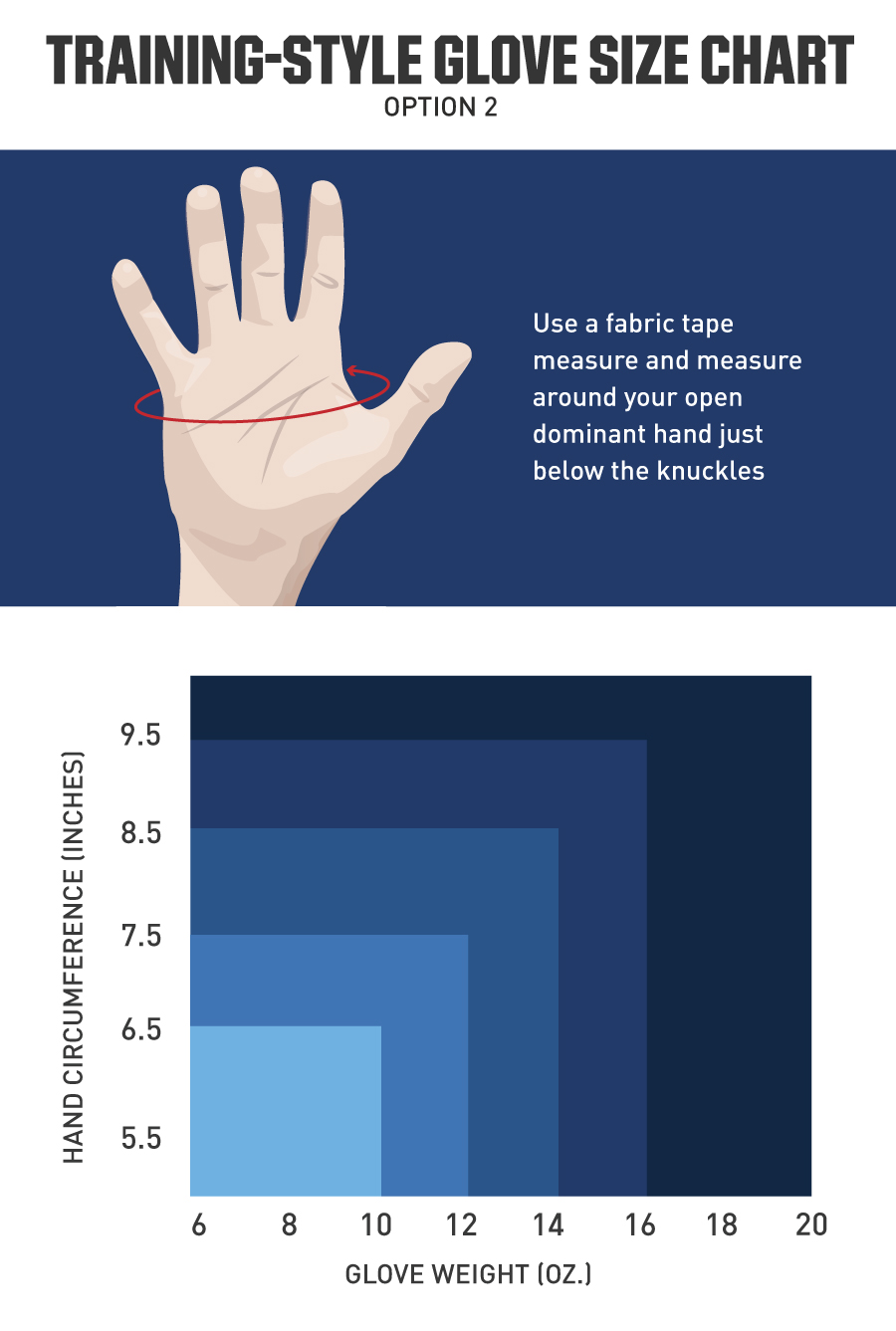
Hand circumference is the main measurement for boxing gloves. It means the distance around your hand. Measuring this helps determine the glove size you need. Most boxing gloves use hand circumference as a guide. Knowing this number gives a clear idea of the right fit.
Measuring Techniques
To measure your hand correctly, use a flexible tape. Wrap it around the widest part of your hand. This is usually just below the knuckles. Keep your fingers together and straight. Avoid measuring around your thumb. The tape should be snug but not tight. This ensures an accurate measurement.
Using A Tape Measure
A cloth or plastic tape measure works best. Start at one side of your hand. Wrap the tape around to the starting point. Note the number where the tape meets. This number is your hand circumference in inches or centimeters. Write it down to help choose the right glove size.
Glove Types And Uses
Choosing the right boxing glove size depends on the type of glove and its use. Different gloves serve different purposes in training and competition. Knowing each glove’s role helps pick the best size and fit for your needs.
Training Gloves
Training gloves are for general practice and workouts. They provide good padding to protect your hands and wrists. These gloves come in various weights, usually from 12 to 16 ounces. Heavier gloves offer more protection during long sessions. Choose a size that fits snugly but feels comfortable.
Sparring Gloves
Sparring gloves focus on safety for both you and your partner. They have extra padding to reduce impact. These gloves are often larger, around 14 to 16 ounces. The size helps absorb punches and prevent injuries. Pick gloves that allow good movement but keep your hands well shielded.
Bag Gloves
Bag gloves are made for hitting heavy bags and pads. They have firm padding to protect your knuckles. These gloves are lighter, generally 10 to 12 ounces. They offer less bulk so you can throw faster punches. Find a size that feels tight but lets you punch with power and control.
Weight Classes And Glove Sizes
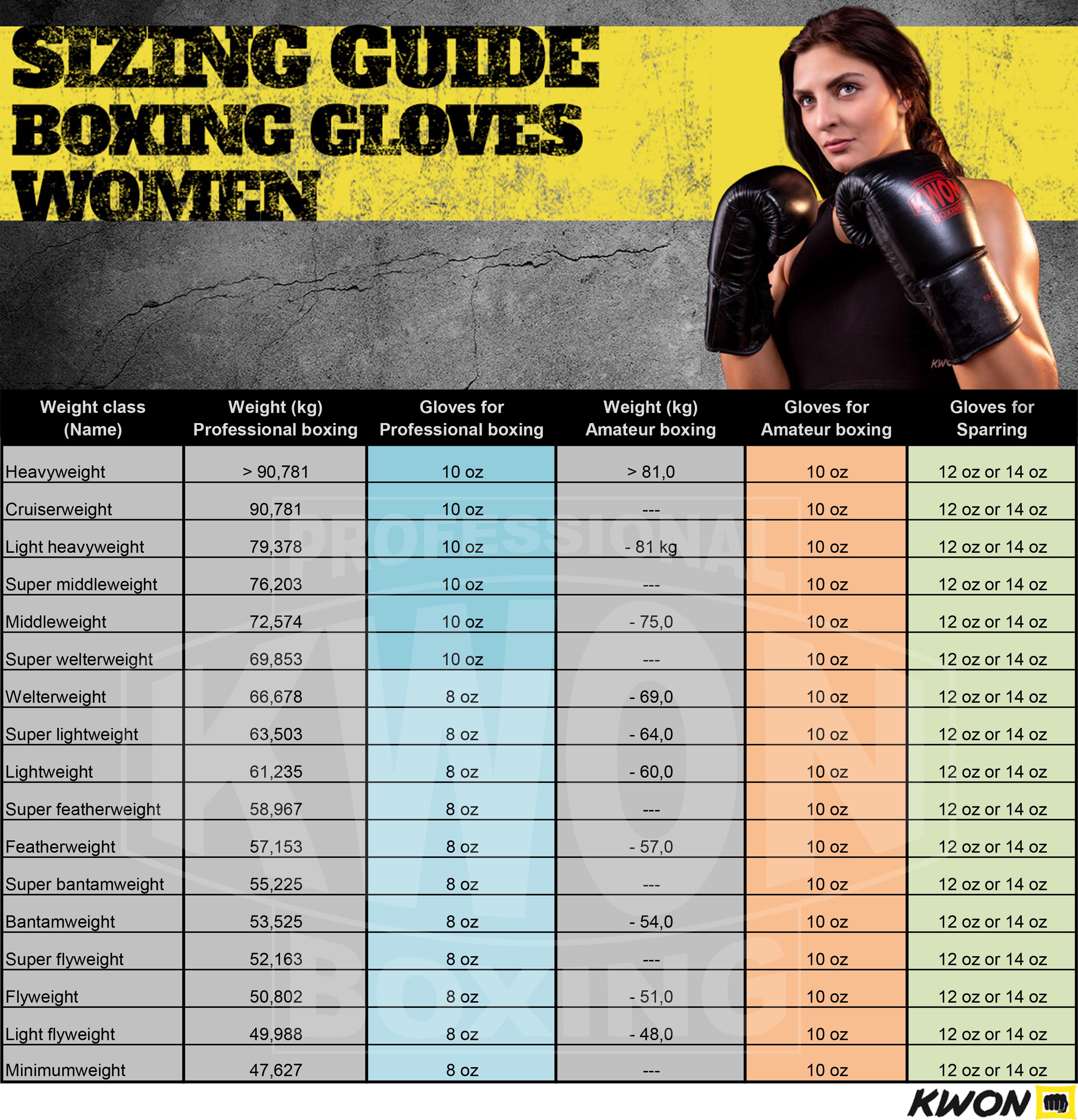
Understanding weight classes helps choose the right boxing gloves. Gloves come in different weights. Each weight fits different uses and hand sizes. Picking the right glove improves comfort and protection.
Lightweight Gloves
Lightweight gloves usually weigh 8 to 10 ounces. These gloves suit smaller hands and faster punches. They work well for training and competitions. Lightweight gloves offer speed and control.
Middleweight Gloves
Middleweight gloves weigh between 12 and 14 ounces. These gloves balance protection and speed. Many boxers use them for sparring and bag work. They protect hands without feeling too heavy.
Heavyweight Gloves
Heavyweight gloves range from 16 ounces and above. They provide extra padding and shock absorption. Ideal for intense training and sparring sessions. Heavy gloves keep both hands and opponents safer.
Fit And Comfort
Choosing the right boxing glove size is key for fit and comfort. Gloves that fit well protect your hands and improve performance. Too tight or loose gloves can cause pain or injury. This section helps you find gloves that feel right and keep your hands safe.
Proper Fit Indicators
Gloves should fit snugly but not squeeze your hand. Your fingers should reach the top without feeling cramped. The wrist wrap must secure your wrist firmly. No gaps or loose areas inside the glove. You should close your fist easily inside the glove.
Common Fit Issues
Gloves too big slide around and reduce control. Too small gloves pinch your fingers and hurt your knuckles. Loose wrist straps cause your gloves to slip during training. Gloves that are too tight limit blood flow and cause numbness. Avoid gloves that feel uncomfortable or cause pain.
Padding And Support
Good padding protects your knuckles during impact. Padding should feel soft but firm to absorb shock. Gloves must support your wrist to prevent injuries. Look for gloves with balanced padding for both comfort and safety. Proper support helps you train longer with less risk.
Material And Durability
Choosing the right boxing glove size depends on more than just fit. Material and durability play key roles in glove performance and comfort. Gloves made from strong materials last longer and protect your hands better. The quality of stitching keeps gloves intact during tough training. Good ventilation helps keep your hands dry and fresh.
Leather Vs. Synthetic
Leather gloves are durable and soft. They mold to your hands over time. Leather can handle heavy use without breaking. Synthetic gloves cost less and are easier to clean. They may wear out faster than leather. Choose leather for long-term use and synthetic for light workouts.
Stitching Quality
Strong stitching holds gloves together during hits. Double or reinforced stitching lasts longer than single stitching. Poor stitching can cause gloves to tear or fall apart. Check seams carefully before buying. Quality stitching means your gloves stay safe and reliable.
Ventilation Features
Ventilation keeps your hands cool and dry. Look for gloves with mesh panels or perforations. Good airflow reduces sweat and odor inside gloves. Dry hands reduce slipping and improve grip. Ventilated gloves increase comfort during long sessions.
Trying Gloves Before Buying
Trying boxing gloves before buying is very important. It helps you find the right size and feel. Gloves that fit well protect your hands and improve your performance. Testing gloves at a store lets you check comfort and fit. You can see how they feel on your hands. This step saves money and avoids buying the wrong gloves.
Testing Fit
Put the gloves on and check how tight they feel. Gloves should be snug but not too tight. Your fingers should move slightly inside. The gloves must not squeeze your hand too much. Check if your thumb fits comfortably without pain. A proper fit stops injuries and gives better control.
Movement And Flexibility
Move your hand as if punching. The gloves should allow easy bending of fingers. You need good wrist movement too. Gloves that feel stiff or heavy limit your punches. Flexibility helps you train longer without discomfort. Test by making a fist and opening your hand.
Wearing Hand Wraps
Wear your usual hand wraps before trying gloves. Wraps add extra padding and change glove fit. Gloves may feel tighter with wraps on. This step shows the true fit during training. Never test gloves without your hand wraps. It helps avoid buying gloves that are too small.
Adjusting For Personal Preference
Choosing the right boxing glove size is not just about your hand measurements. Personal feelings and habits matter a lot. Adjusting the glove size to your taste helps improve comfort and performance. This section explains how tightness, weight, and use affect your glove choice.
Tightness Level
Some boxers like gloves that fit very tight. Others prefer a little space inside. Tight gloves give more control but less comfort. Looser gloves feel softer but might reduce your punch speed. Try different fits to see what feels best on your hands.
Weight Preference
Gloves come in many weights, like 8 oz, 12 oz, or 16 oz. Lighter gloves feel faster but offer less padding. Heavier gloves protect more but can slow your hands. Think about how fast or protected you want to feel when choosing the weight. Pick what matches your strength and style.
Purpose Of Use
Think about why you need boxing gloves. Training gloves for sparring need extra padding. Bag gloves can be lighter and less padded. Competition gloves often have strict size rules. Match your glove size to your main activity for the best experience.
Common Mistakes To Avoid
Choosing the right size boxing glove is important for safety and comfort. Many beginners make simple mistakes that cause problems. Avoid these common errors to get the best fit for your gloves. Proper sizing helps protect your hands and improves your training.
Choosing Too Small
Picking gloves that are too small can hurt your hands. Small gloves squeeze your knuckles and fingers. This can cause pain and injury. Gloves should fit snugly but not tight. Your fingers need space to move slightly inside.
Ignoring Hand Wraps
Hand wraps add extra padding and support. Many forget to wear wraps before trying gloves. Without wraps, gloves feel tighter than they should. Always measure your hand size with wraps on. This ensures a more accurate glove size choice.
Overlooking Glove Weight
Gloves come in different weights, like 8 oz or 16 oz. Weight affects protection and training style. Lighter gloves offer less padding and are for competition. Heavier gloves give more protection and are good for training. Choose the right weight for your purpose and hand size.
Credit: kdfoundation.org
Maintenance Tips
Proper care helps your boxing gloves last longer and stay fresh. Maintaining gloves is key for comfort and hygiene. Follow these simple tips to keep your gloves in top shape.
Cleaning Gloves
Wipe gloves with a clean, damp cloth after each use. Use mild soap and water for stubborn dirt. Avoid soaking gloves to prevent damage. Let gloves air dry fully before storing. Use glove deodorizer spray to reduce odor and bacteria.
Storing Properly
Store gloves in a cool, dry place away from sunlight. Do not keep gloves in a closed bag for long. Use glove dogs or silica packs inside gloves to absorb moisture. Keep gloves open to let air circulate and prevent mildew.
Extending Glove Life
Wear hand wraps to reduce sweat inside gloves. Avoid sharing gloves to keep them clean and safe. Rotate between two pairs if you train often. Regular cleaning and proper storage extend glove durability and comfort.
Credit: www.dickssportinggoods.com
Frequently Asked Questions
What Factors Determine The Right Boxing Glove Size?
Boxing glove size depends on hand weight, glove purpose, and padding thickness. Heavier gloves offer more protection, while lighter gloves enhance speed and agility.
How Do I Measure My Hand For Glove Size?
Measure your hand circumference around the knuckles, excluding the thumb. Use a tape measure and compare with sizing charts for accurate glove fit.
What Glove Size Is Best For Beginners?
Beginners typically use 12-16 oz gloves. These sizes balance protection and comfort, reducing injury risk while learning techniques effectively.
Are Larger Gloves Better For Sparring Or Bag Work?
Larger gloves (14-16 oz) are ideal for sparring due to extra padding. Smaller gloves (10-12 oz) work better for bag training and speed drills.
Conclusion
Choosing the right boxing glove size matters a lot. It keeps your hands safe during training or fights. Think about your weight, hand size, and glove use. Trying gloves on helps find the best fit. Remember, comfort and protection come first.
The right gloves make training easier and more fun. Take your time to pick the perfect pair. Your hands will thank you later. Keep these tips in mind for smart glove choices. Ready to train safely and confidently?


