Choosing the right size boxing gloves can make all the difference in your training and performance. If you’ve ever felt your gloves were too tight, too loose, or just uncomfortable, you’re not alone.
Wearing the wrong size can lead to hand injuries or reduce your power and speed. But how do you know which gloves fit you perfectly? You’ll discover simple tips to find the best glove size for your hands and your style.
Keep reading, and you’ll learn how to protect yourself and boost your confidence every time you step into the ring.

Credit: www.smai.com
Choosing Gloves By Weight
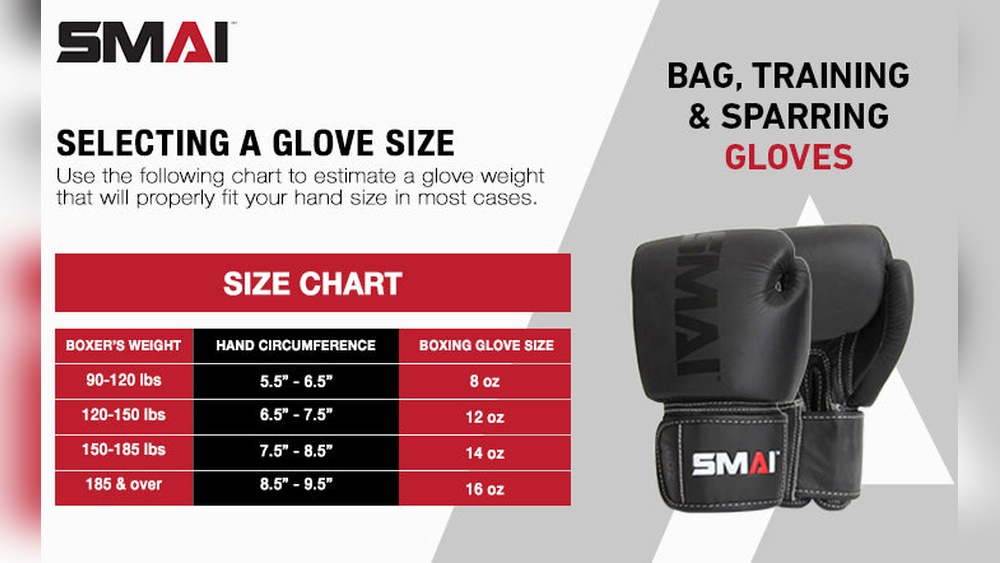
Choosing boxing gloves by weight is one of the easiest ways to find the right fit. Gloves come in different weights, which affect how they feel and perform. The weight of the glove also relates to padding and protection. Lighter gloves usually mean less padding and more speed. Heavier gloves offer more protection but can slow you down.
Common Glove Weights
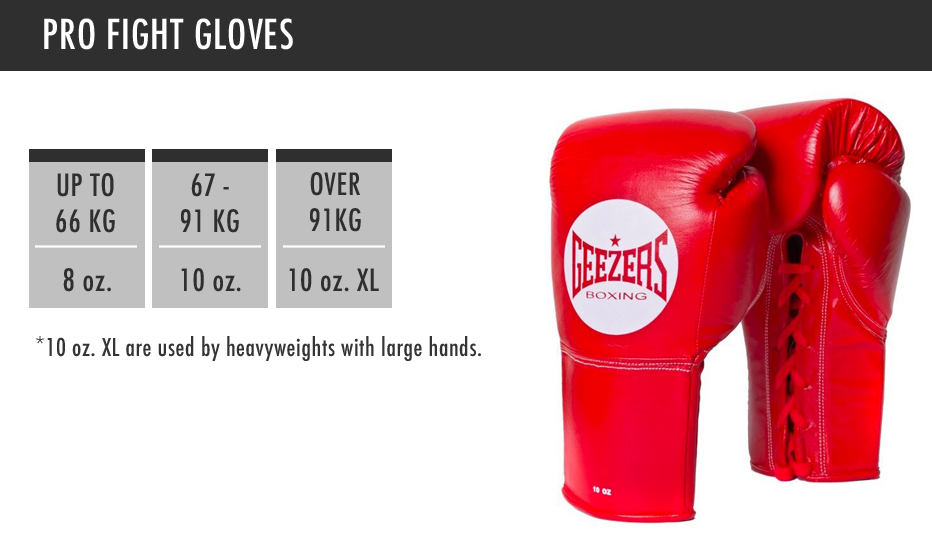
Boxing gloves generally range from 8 oz to 20 oz. The most common sizes are 10 oz, 12 oz, 14 oz, and 16 oz. Fighters often use 10 oz gloves for matches. For training, heavier gloves like 14 oz or 16 oz are popular. The extra weight helps protect your hands and your partner during practice.
Weight And Hand Size
Your hand size also matters when choosing glove weight. Smaller hands fit better in lighter gloves. Larger hands need heavier gloves for proper padding. Gloves that are too tight or too loose can cause injury. Measure your hand circumference to pick the best weight.
Weight For Different Training Types
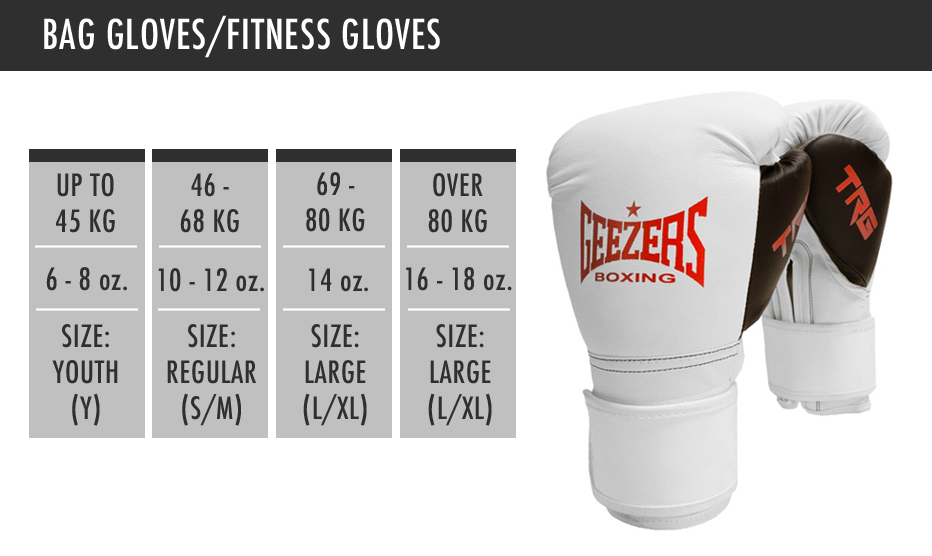
Different training types call for different glove weights. For bag work, lighter gloves allow faster punches. Sparring needs heavier gloves to reduce injury risk. General training often uses medium-weight gloves for balance. Choose gloves that match your training goals and hand size.
Credit: www.geezersboxing.co.uk
Measuring Your Hand
Choosing the right boxing gloves starts with measuring your hand. This step is key to finding gloves that fit well and feel comfortable. Proper fit protects your hands and improves your performance. Measuring your hand is quick and easy. A tape measure and a few simple steps are all you need.
How To Measure Hand Circumference
First, wrap a soft tape measure around your dominant hand. Measure at the widest part, just below your knuckles. Do not include your thumb in the measurement. Keep the tape snug but not tight. Note the number in inches or centimeters. This number is your hand circumference.
Matching Measurements To Glove Sizes
Use your hand circumference to find the right glove size. Gloves are usually sized in ounces, like 10 oz or 16 oz. Smaller hands often fit gloves sized 8 to 12 ounces. Larger hands need 14 to 16 ounces or more. Check size charts from the glove brand for exact matches. A good fit means your fingers reach the glove’s end without too much space.
Purpose-based Sizing
Choosing the right boxing glove size depends on your training purpose. Different activities need different glove sizes. This helps protect your hands and your opponent or equipment. Purpose-based sizing ensures you get the best fit for your needs.
Gloves For Sparring
Sparring gloves are larger and softer. They usually weigh 14 to 16 ounces. This size cushions impact and reduces injury risk. Bigger gloves protect both you and your partner during practice. Comfort and safety come first in sparring gloves.
Gloves For Bag Work
Bag gloves are smaller and firmer. They often weigh 12 to 14 ounces. These gloves offer better control and power for heavy bag training. They help condition your hands for impact. Bag gloves focus on strength and technique.
Gloves For Competition
Competition gloves are the lightest and most compact. They usually weigh 8 to 10 ounces. These gloves allow faster punches and quick movement. They meet official rules for amateur or pro fights. Competition gloves balance speed and protection.
Credit: www.geezersboxing.co.uk
Considering Glove Fit
Choosing the right boxing gloves starts with considering how they fit your hands. Proper glove fit affects comfort, protection, and performance. Gloves that fit well keep your hands safe and help you box better.
Snug Vs Loose Fit
A snug fit means the gloves feel tight but not painful. They stay in place and support your hands well. Gloves that are too loose can slide around and cause injury. Loose gloves reduce control and make punching harder. Always pick gloves that feel secure without squeezing your fingers.
Wrist Support And Closure Types
Good wrist support helps prevent injuries during training or fights. Look for gloves with strong closures like Velcro straps or laces. Velcro is easy to use and quick to adjust. Laces offer a tighter, custom fit but need help to tie. Strong wrist support keeps your wrist stable and safe from twists or sprains.
Material And Padding Impact
Choosing the right boxing gloves depends a lot on the material and padding. These two factors affect comfort, protection, and glove size. Understanding their impact helps you pick gloves that fit well and feel good during training or fights.
Leather Vs Synthetic
Leather gloves are strong and last longer. They soften over time to fit your hand better. This natural material breathes well, reducing sweat and odor. Leather gloves may feel snug at first but stretch slightly with use.
Synthetic gloves cost less and are easier to clean. They are lighter but may not last as long. These gloves can feel stiffer, which affects comfort and hand movement. Synthetic material often keeps its shape without stretching much.
Padding Thickness And Distribution
Padding protects your knuckles and wrist from impact. Thicker padding offers more shock absorption but can add bulk. Thinner padding feels lighter but may not protect as well.
Good gloves spread padding evenly across the hand. This balance helps avoid pressure points and injuries. Uneven padding can cause discomfort and affect your punch technique. Choose gloves with enough padding to match your boxing style and training intensity.
Trying Gloves On
Trying boxing gloves on is a key step to find the right size. Gloves that fit well protect your hands and improve your performance. It is best to try gloves before buying to avoid discomfort and injury. This process helps you feel the glove’s fit and support.
What To Look For When Trying Gloves
Check the glove’s tightness around your wrist. It should feel secure but not too tight. The padding must cover your knuckles fully. Your fingers should move easily inside without extra space. Look for a snug fit that does not squeeze your hand. Make sure the glove closes properly with its strap or laces.
Testing Comfort And Mobility
Put your hand in a fist to test the glove’s comfort. You should feel the padding support your knuckles well. Try moving your wrist up and down to check flexibility. The glove must allow smooth movement without resistance. Punch lightly to sense how it feels during action. Comfortable gloves help avoid hand strain and injuries.
Common Mistakes To Avoid
Choosing the right size boxing gloves is important for comfort and safety. Many people make simple mistakes that affect their training and performance. Avoiding these errors helps you get the best gloves for your needs.
Choosing Based On Style Alone
Picking gloves only by style is a common mistake. Style looks good but does not mean the gloves fit well. Gloves should fit your hand size and training type first. A good fit protects your hands better. Always check the size before buying.
Ignoring Hand Wrapping
Hand wraps add extra padding inside gloves. Some ignore this and buy gloves that are too tight. Wrapping your hands changes how gloves feel. Measure your hands with wraps on. This way, you get the right glove size for protection and comfort.
Maintaining Your Gloves
Proper care keeps your boxing gloves lasting longer and feeling fresh. Gloves absorb sweat and dirt during training. Without care, they can smell bad and wear out fast. Cleaning and storing them right protects your investment. It also keeps your hands safe and comfortable.
Cleaning Tips
Wipe gloves after every use with a clean cloth. Use mild soap and water for a deeper clean. Avoid soaking gloves to protect the padding inside. Let gloves air dry completely before storing them. Avoid direct sunlight to prevent material damage. Use glove deodorizers or baking soda to reduce odor.
Storage Recommendations
Store gloves in a cool, dry place away from heat. Avoid leaving them in your gym bag for too long. Use a breathable bag or mesh to keep air flowing. Keep gloves separate from other gear to avoid damage. Open the gloves slightly to let air circulate inside. Proper storage helps maintain shape and prevents mold.
Frequently Asked Questions
How Do I Measure My Hand For Boxing Gloves?
Measure around your knuckles with a tape measure. Use this circumference to find your glove size. Proper fit ensures safety and comfort during training.
What Glove Weight Is Best For Beginners?
Start with 12 to 14-ounce gloves. These offer good protection and control for new boxers. Heavier gloves provide more padding but less speed.
Does Body Weight Affect Boxing Glove Size?
Yes, heavier boxers generally need larger gloves. Choose gloves that balance protection and mobility. Check size charts for guidance based on your weight.
Can Glove Size Impact Boxing Performance?
Absolutely, the right size improves comfort and technique. Ill-fitting gloves can cause hand fatigue and reduce punching power. Always prioritize fit over style.
Conclusion
Choosing the right boxing glove size protects your hands and improves your training. Consider your weight, hand size, and the type of boxing you do. Gloves that fit well help you punch better and avoid injury. Trying on gloves before buying helps find the perfect fit.
Remember, comfort and protection come first. Take your time to pick gloves that feel right. This simple step makes a big difference in your boxing experience. Stay safe and enjoy every workout with the right gloves.