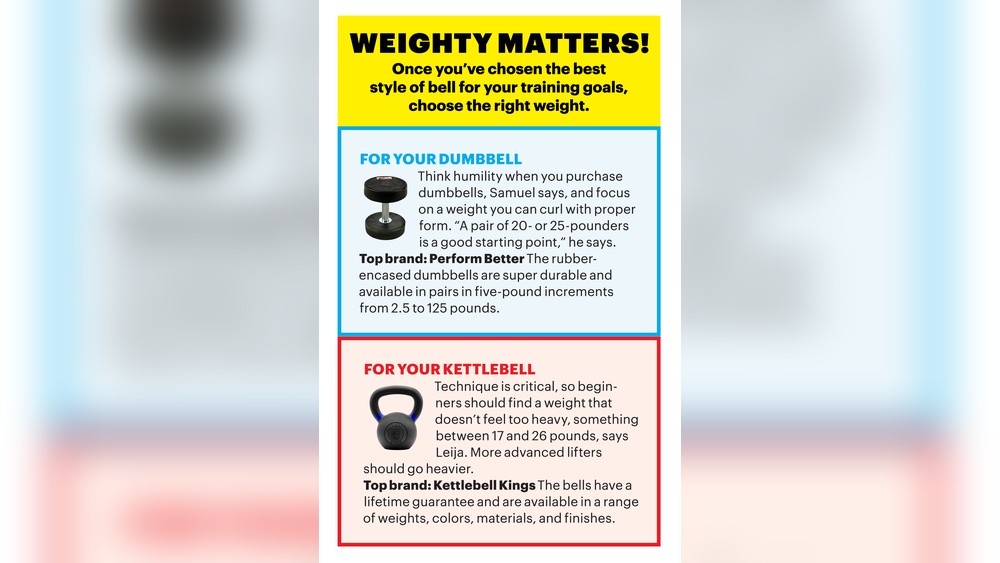
Choosing the right weight dumbbells can be tricky. If you pick weights that are too heavy, you risk injury or poor form.
If they’re too light, your workouts won’t be effective. So, how do you find the perfect balance? This guide will help you understand exactly what weight dumbbells you should use to get the best results. By the end, you’ll feel confident and ready to lift with purpose.
Keep reading to discover how to make your workouts smarter and more efficient.

Credit: www.ifpa-fitness.com
Factors To Consider
Choosing the right dumbbell weight is key to a good workout. The right weight helps you build strength without risking injury. Many things affect which dumbbells you should use. Think about your fitness level, the kind of exercise, your goals, and any past injuries. These points guide you to pick weights that work best for you.
Fitness Level
Your current fitness level matters a lot. Beginners should start with lighter weights. This helps your muscles get used to the movement. If you are more advanced, heavier weights can challenge your muscles more. Choosing weights that match your strength keeps workouts safe and effective.
Exercise Type
Different exercises need different weights. For small muscle groups like biceps, use lighter weights. Big muscle groups like legs need heavier dumbbells. Some moves need slow, controlled motion. Others use fast, explosive power. Pick weights that allow you to keep good form during each exercise.
Training Goals
Your goals affect the weight you choose. If you want to build muscle, go for heavier weights with fewer reps. For muscle endurance, use lighter weights and do more reps. For general fitness, pick moderate weights that feel challenging but doable. Clear goals help you select the right dumbbell weight.
Injury History
Past injuries need careful attention. Use lighter weights to avoid strain on weak spots. Focus on controlled movements and slow progress. If pain occurs, stop and rest. Choosing safe weights helps protect your body and supports recovery.

Credit: www.onepeloton.com
Starting Weight Recommendations
Choosing the right dumbbell weight is key for effective workouts. Start with weights that challenge you but do not cause strain. The goal is to build strength safely and steadily.
Different fitness levels need different starting weights. This guide helps you pick the best option for your skill level.
Beginners
Begin with light weights to learn proper form. Women can start with 3 to 5 pounds. Men might choose 5 to 10 pounds. Focus on control, not heavy lifting.
Use weights that allow 12 to 15 repetitions without pain. Stop if you feel sharp discomfort. Gradually increase weight after two weeks.
Intermediate Lifters
Choose moderate weights for strength gains. Women often use 8 to 12 pounds. Men may pick 12 to 20 pounds. Lift weights that tire you by the last rep.
Perform 8 to 12 repetitions per set. Rest between sets to recover. Adjust weight if you complete sets too easily.
Advanced Lifters
Pick heavier weights for muscle growth. Women might lift 15 to 25 pounds. Men usually handle 20 to 40 pounds or more. Push yourself but maintain good form.
Do 6 to 10 repetitions per set. Fewer reps with heavier weights build strength. Change weights to avoid plateaus.
Testing Your Dumbbell Weight
Testing your dumbbell weight is important to find the right load for your exercises. The right weight helps you build strength without risking injury. It also makes your workout more effective and enjoyable. Follow these steps to test your dumbbells safely.
Performing A Trial Set
Start with a light weight to warm up your muscles. Hold the dumbbells and do 8 to 12 repetitions of your chosen exercise. Pay attention to how your muscles feel during the movement. Avoid any sharp pain or discomfort while lifting.
Assessing Muscle Fatigue
Muscle fatigue shows if the weight is correct. You should feel tired in your muscles by the last few reps. Muscles should feel challenged but still able to complete the set. If your muscles feel weak or shaky, the weight might be too heavy.
Adjusting Weight Accordingly
Increase the weight if the set feels too easy. Lower the weight if you cannot finish the reps with good form. Small changes make a big difference in your progress. Choose a weight that challenges you but keeps you safe.
Weight Selection For Different Exercises
Choosing the right dumbbell weight depends on the exercise you perform. Each movement targets different muscles and needs different strength levels. Picking the correct weight helps prevent injury and improves your workout results. Let’s explore how weight choice varies for different exercises.
Upper Body Movements
Upper body exercises often include pressing, curling, and rowing. These moves target smaller muscles like biceps, triceps, and shoulders. Start with lighter weights for control and correct form. You should feel muscle effort but still complete 8 to 12 reps comfortably. Increase weight slowly as you get stronger.
Lower Body Movements
Lower body exercises use big muscles such as thighs, glutes, and calves. These muscles handle heavier weights than upper body muscles. Squats, lunges, and deadlifts need dumbbells that challenge but do not strain you. Pick weights you can lift with good form for 10 to 15 reps. The goal is steady strength gain without pain.
Isolation Vs Compound Exercises
Isolation exercises focus on one muscle group, like bicep curls. These usually require lighter weights to avoid strain. Compound exercises, like dumbbell presses, work several muscles together. They allow heavier weights because more muscles share the load. Select lighter weights for isolation and heavier for compound moves to maximize benefits.
Progressive Overload Strategies
Progressive overload strategies help you get stronger and build muscle. This method means gradually increasing the weight you lift. It challenges your muscles to adapt and grow. Using the right weight dumbbells is key to applying progressive overload safely and effectively.
When To Increase Weight
Increase dumbbell weight when your current weight feels easy. You should complete your sets with good form and little effort. If you can do more reps than planned, it is time to add weight. This keeps your workouts challenging and effective.
Increment Size
Choose small weight increases to avoid injury. Usually, 2 to 5 pounds is a good step up. Small increments let your muscles adjust gradually. This prevents strain and helps maintain proper technique during exercises.
Tracking Progress
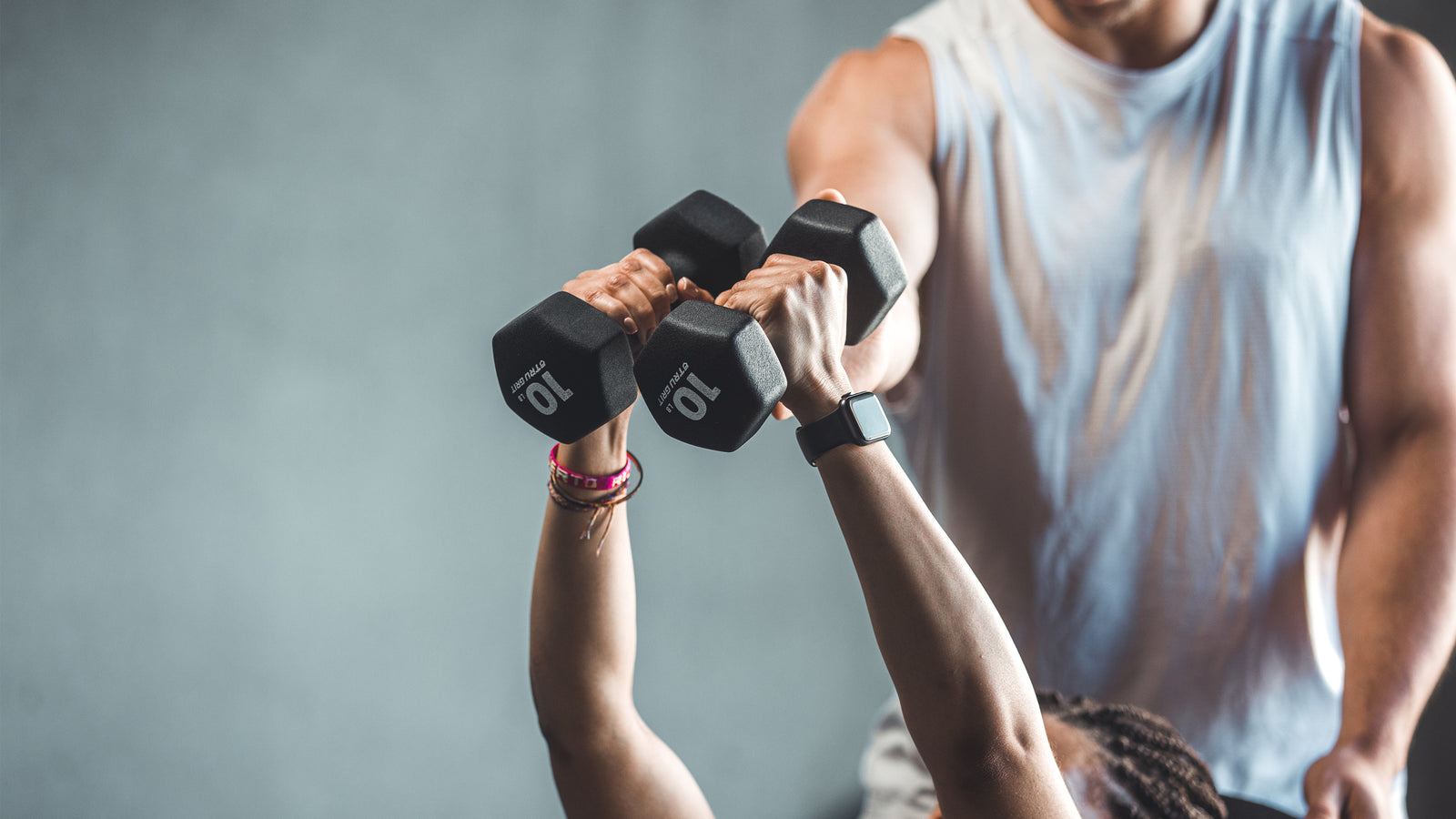
Keep a workout log to track your dumbbell weights and reps. Write down the weight used and how many reps completed. Tracking helps you see improvements and decide when to increase weight. It also keeps your training organized and goal-focused.
Credit: trugrit-fitness.com
Common Mistakes To Avoid
Picking the right dumbbell weight is key for safe and effective workouts. Many beginners make common mistakes that slow progress and risk injury. Avoid these errors to train smarter and see better results.
Choosing Too Heavy
Using weights that are too heavy can cause poor form. It may lead to muscle strain or injury. Heavy dumbbells also reduce the number of repetitions you can do. This limits muscle endurance and growth. Start with a manageable weight and increase slowly.
Choosing Too Light
Light weights might feel easy but may not challenge your muscles. This slows muscle strength and size gains. If you never feel tired or sore, the weight is probably too light. Push yourself just enough to feel effort by the last few reps.
Ignoring Form
Good form protects your body and targets muscles well. Poor form wastes effort and risks injury. Focus on controlled movements and proper posture. Lower the weight if you cannot keep good form during exercises.
Tips For Safe Dumbbell Training
Using dumbbells safely is important to avoid injuries. Following simple tips helps you train well and stay healthy. Safe training improves your strength and keeps your body strong.
Here are key tips for safe dumbbell training. These will guide you through warming up, holding the weights right, and giving your body time to rest.
Warm-up Importance
Warming up prepares your muscles and joints for exercise. It increases blood flow and reduces the risk of injury. Start with light cardio or gentle stretching for 5 to 10 minutes. This helps your body get ready for lifting dumbbells. Never skip your warm-up. It sets the foundation for a safe workout.
Proper Grip Techniques
Holding dumbbells correctly keeps your hands and wrists safe. Use a firm but comfortable grip. Your thumb should wrap around the handle. Avoid gripping too tight. Keep your wrists straight, not bent. This reduces strain and improves control. Proper grip also helps you lift the right weight without slipping.
Rest And Recovery
Your muscles need time to recover after training. Rest days allow your body to repair and grow stronger. Avoid training the same muscle group every day. Sleep well and drink enough water. Rest reduces soreness and prevents injuries. It keeps your training effective and safe over time.
Frequently Asked Questions
How Do I Choose The Right Dumbbell Weight?
Start with a weight that allows 8-12 reps with good form. If it’s too easy, increase the weight. If too hard, lower it. Choose a weight that challenges muscles without causing strain or injury.
What Weight Dumbbells Are Best For Beginners?
Beginners should start with light weights, usually 3 to 8 pounds. This helps build strength and prevents injury. Gradually increase weight as muscles get stronger and exercises become easier.
How Can I Tell If Dumbbell Weight Is Too Heavy?
If you can’t complete 8 reps with proper form, the weight is too heavy. Struggling or feeling sharp pain indicates the need to reduce weight for safety.
Should Dumbbell Weight Vary By Exercise Type?
Yes, use lighter weights for smaller muscles and heavier for larger muscles. For example, biceps need lighter dumbbells than legs. Adjust based on exercise difficulty and muscle group.
Conclusion
Choosing the right dumbbell weight helps you exercise safely and well. Start light to learn the correct form and avoid injury. Gradually increase the weight as your strength grows. Pay attention to how your muscles feel during workouts. Challenge yourself, but never push too hard.
This balance leads to steady progress and better results. Remember, consistency matters more than heavy weights. Keep track of your improvements and adjust as needed. Your body will thank you for careful training and proper weight choice.