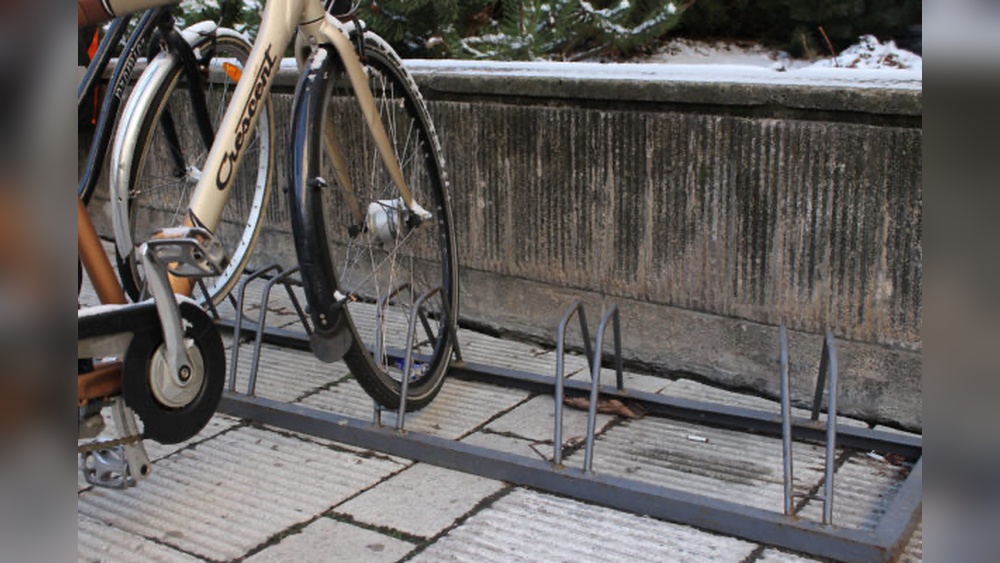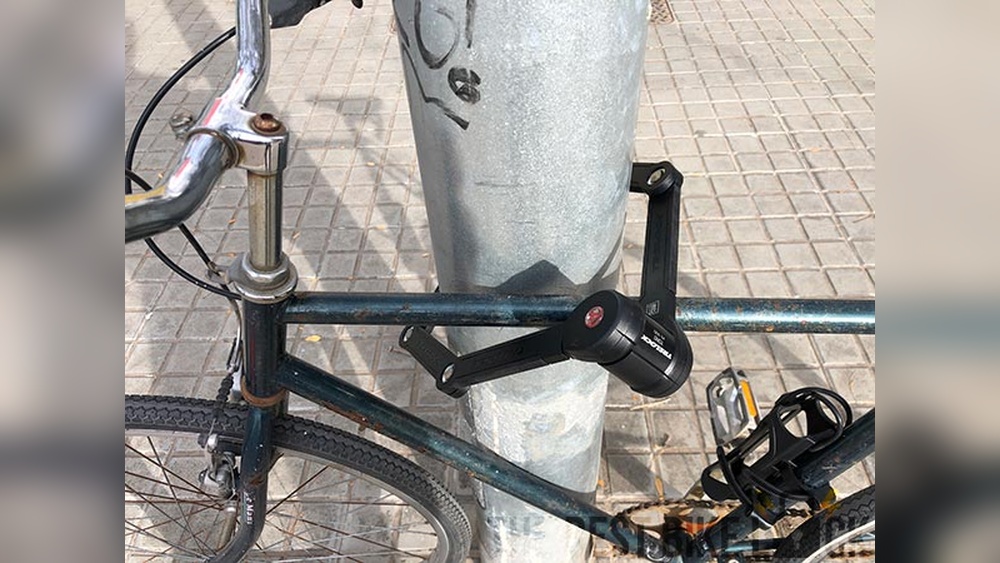
You’ve just invested in a folding bike—a perfect blend of convenience and style. But how do you keep it safe when you’re not riding?
Knowing how to use a folding bike lock properly can be the difference between peace of mind and a stolen ride. You’ll discover simple, effective ways to secure your bike quickly and confidently. Ready to protect your investment and avoid common mistakes?
Let’s dive in and make sure your folding bike stays exactly where you left it.
Choosing The Right Folding Bike Lock
Choosing the right folding bike lock is key to keeping your bike safe. The right lock fits your bike and your security needs. It should be easy to carry and strong enough to stop thieves. This guide helps you pick the best folding lock for your bike.
Types Of Folding Locks
Folding locks come in different styles. Some have solid metal bars joined by rivets. Others fold like a ruler. Some locks have a chain inside for more flexibility. Each type offers a mix of security and ease of use. Choose one that matches your daily routine and bike size.
Security Levels To Consider
Not all folding locks offer the same protection. Some are better for quick stops, others for long parking. Check if the lock has passed security tests. Look for locks with high ratings for cut resistance. A strong lock prevents thieves from breaking it easily.
Material And Build Quality
Good materials make a big difference. Look for locks made from hardened steel or similar metals. These resist cutting and sawing. Rivets and joints should be strong and tight. A well-built lock lasts longer and keeps your bike safer.
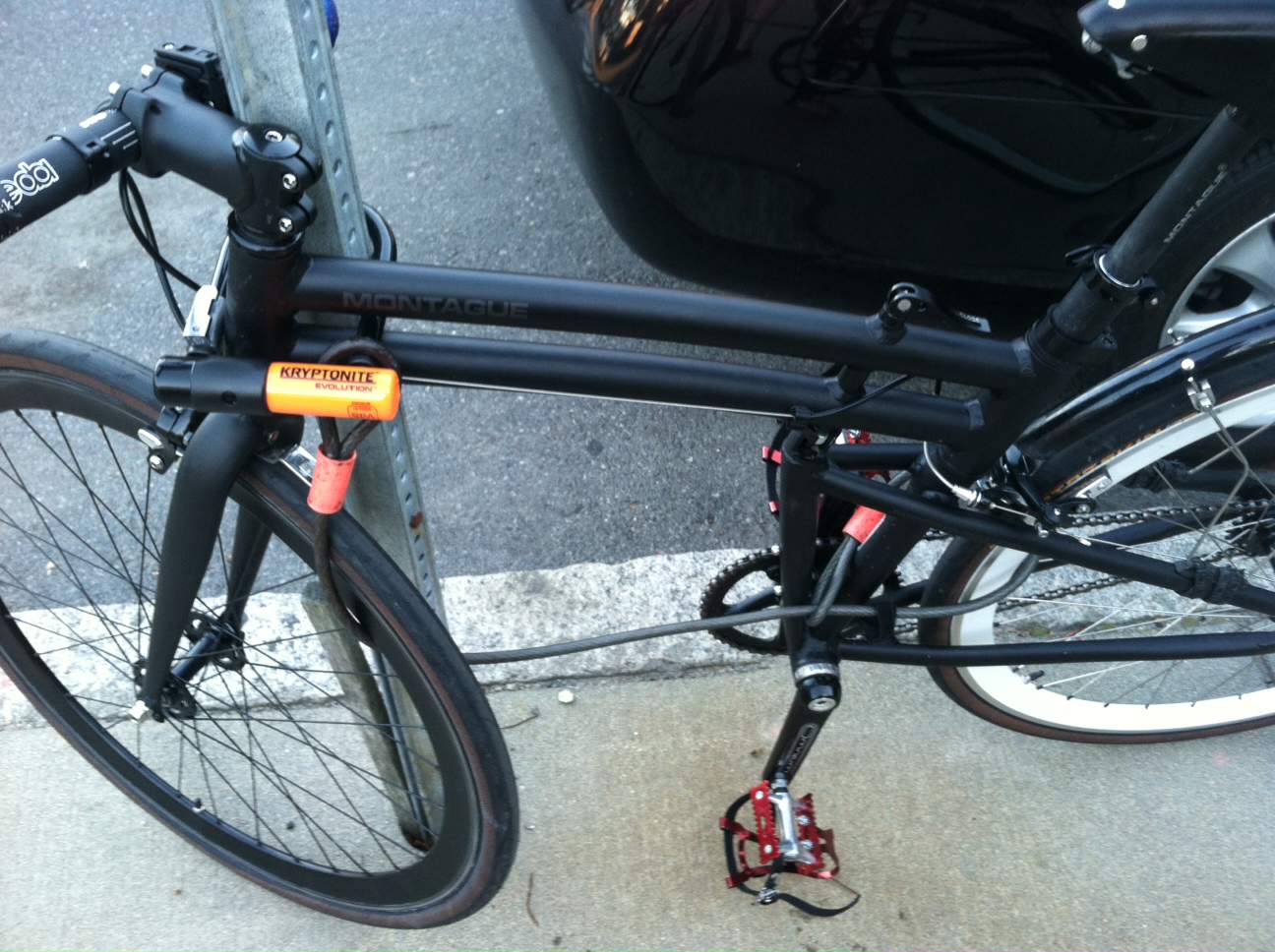
Credit: www.montaguebikes.com
Preparing Your Bike And Lock
Preparing your bike and lock is the first step to secure your folding bike properly. Taking time to get ready helps avoid problems later. It also keeps your bike safe from theft. Follow these simple steps before locking your bike.
Inspecting The Lock Mechanism
Check the folding lock for any damage or rust. Make sure it folds and unfolds smoothly. Test the locking parts to see if they work well. A faulty lock can make your bike unsafe. Clean the lock if it looks dirty or stiff. Proper inspection ensures the lock will hold tight.
Positioning Your Bike Properly
Place your bike so it stands steady and does not fall. Keep the frame close to the lock for better security. Avoid locking only the wheels as they can be removed. Hold the bike steady while folding the lock around it. Proper positioning makes it hard for thieves to steal parts.
Selecting A Secure Location
Choose a well-lit and busy spot to park your bike. Avoid isolated or hidden areas that attract thieves. Look for solid objects like bike racks or poles. Make sure the object cannot be cut or moved easily. A secure location adds extra protection for your bike.
Step-by-step Locking Process
Using a folding bike lock is simple and quick. Follow these easy steps to secure your bike safely. The lock folds up for easy carrying. When ready, unfold and lock your bike in place. This process keeps your bike protected and gives you peace of mind.
Unfolding The Lock Correctly
Start by holding the lock firmly. Unfold each segment slowly and fully. Make sure all parts are straight and connected. Avoid forcing the lock open. A smooth unfold prevents damage and ensures it works well.
Securing The Frame And Wheels
Place the lock around the bike frame first. Include one or both wheels if possible. The frame is the strongest part to lock. Securing wheels reduces the chance of theft. Check that the lock fits snugly but not too tight.
Locking To A Fixed Object
Find a strong, immovable object like a bike rack. Wrap the unfolded lock around the object and your bike. Make sure the object cannot be cut or moved easily. Lock the ends together firmly. Test the lock by pulling gently to confirm it is secure.
Tips For Maximizing Security
Using a folding bike lock properly helps keep your bike safe. Small habits make a big difference. Follow these tips to make your lock more secure and protect your bike better.
Avoiding Common Locking Mistakes
Always lock your bike frame, not just the wheel. Thieves can remove wheels easily. Choose a strong, fixed object to lock your bike to. Avoid thin poles or signs that can be cut or moved. Make sure the lock is tight and close to the object. This stops thieves from using tools to break it.
Using Multiple Locks
Use more than one lock to increase security. Combine a folding lock with a cable or chain lock. Lock both the frame and the wheels separately. This makes stealing your bike harder and slower. Thieves often look for quick targets. Multiple locks discourage them.
Regular Maintenance Of Your Lock
Keep your folding lock clean and dry. Dirt and rust can weaken the lock over time. Apply lubricant to the joints regularly. This keeps the lock folding smoothly and working well. Check for damage or wear before each use. Replace the lock if it looks weak or broken.
Transporting And Storing Your Lock
Transporting and storing your folding bike lock correctly keeps it safe and ready to use. A good storage method protects the lock from damage and makes carrying easier. This helps you avoid hassle during rides and keeps your lock in good shape for longer.
Compact Storage Options
Folding bike locks fold into small shapes. This lets you store them in small spaces. Some locks fit inside a bike bag or backpack. Others come with special cases or mounts for the bike frame. Choose a spot where the lock stays secure and does not rattle.
Keep the lock dry and clean before storing. Moisture can cause rust and damage over time. A compact storage method also means less weight to carry on your ride.
Carrying The Lock On Your Ride
Carry the lock where it does not bother you. Many folding locks come with mounts that attach to the bike frame. This keeps the lock close and easy to reach. Some riders use a small bag on the handlebars or under the seat.
A lightweight lock is easier to carry on long rides. Make sure the lock does not move or hit your legs while riding. A secure carry method keeps your ride comfortable and safe.

Credit: thebestbikelock.com
Troubleshooting Common Issues
Troubleshooting common issues with your folding bike lock keeps it working well. Small problems can stop your lock from securing your bike. Quick fixes help you avoid bigger troubles. Follow simple steps to handle common faults easily.
Dealing With Stiff Joints
Stiff joints make folding the lock hard. Dirt and rust cause stiffness. Clean joints with a cloth and mild soap. Dry them completely. Apply a small amount of lubricant to each joint. Move the lock parts back and forth. This spreads the lubricant and loosens the joints. Repeat if needed until the lock folds smoothly.
Fixing Lock Mechanism Problems
The lock might not open or close easily. Dust or debris inside can block the mechanism. Spray a small amount of lock lubricant into the keyhole. Insert and turn the key gently several times. Avoid forcing the key to prevent damage. If the lock sticks, tapping it lightly can help. Test the lock after cleaning and lubricating to ensure smooth operation.
When To Replace Your Lock
Replace your lock if it shows severe rust or damage. Broken joints or a faulty lock cylinder mean less security. If the lock does not work after cleaning and lubricating, it may be time for a new one. A strong, reliable lock protects your bike better. Don’t risk theft with a weak lock. Choose a replacement that fits your bike and security needs.
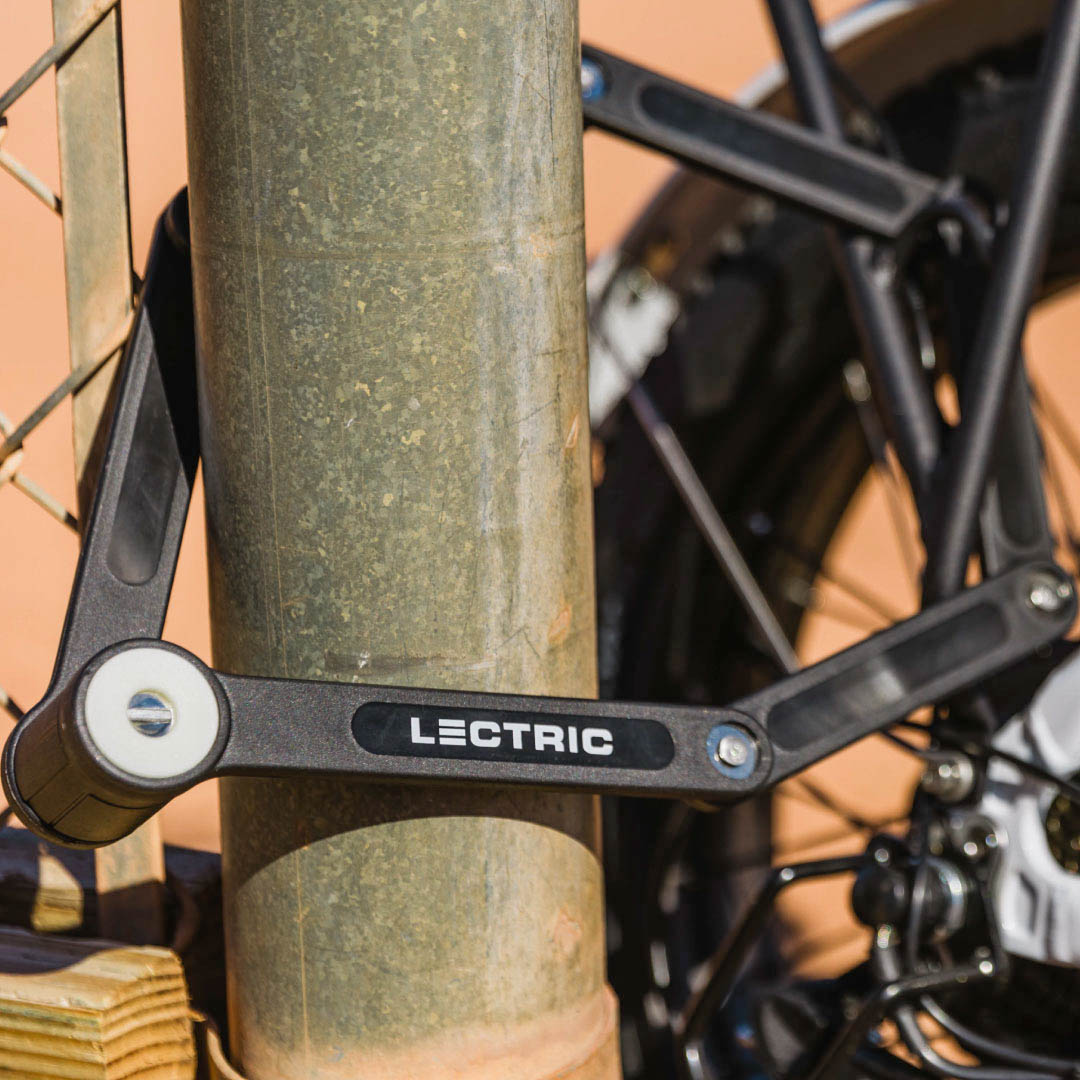
Credit: lectricebikes.com
Frequently Asked Questions
How Do You Properly Secure A Folding Bike Lock?
To secure a folding bike lock, wrap it around the bike frame and a sturdy object. Ensure the lock is tight and covers both the frame and wheel. This prevents theft by limiting movement and access to the bike’s key parts.
Can Folding Bike Locks Fit In A Backpack?
Yes, folding bike locks are compact and designed to fold into a small size. This makes them easy to carry in a backpack or attach to the bike frame. Their portability is ideal for cyclists on the go.
Are Folding Bike Locks Resistant To Cutting Tools?
Folding bike locks are made with hardened steel links to resist cutting. While not completely cut-proof, they offer strong protection against common thieves. Combining them with other security measures enhances bike safety.
How Do I Maintain My Folding Bike Lock?
Keep your folding bike lock clean and lubricated. Wipe off dirt and grime regularly. Apply lubricant to the hinge and locking mechanism to prevent rust and ensure smooth operation. Proper care extends the lock’s lifespan.
Conclusion
Using a folding bike lock keeps your bike safe and secure. It fits easily in your bag or on your bike frame. Always lock your bike to a strong, fixed object. Wrap the lock tightly around the frame and the object.
This makes it harder for thieves to steal your bike. Regular practice helps you lock your bike faster and better. Remember, a good lock adds peace of mind during every ride. Stay safe and enjoy cycling with confidence.