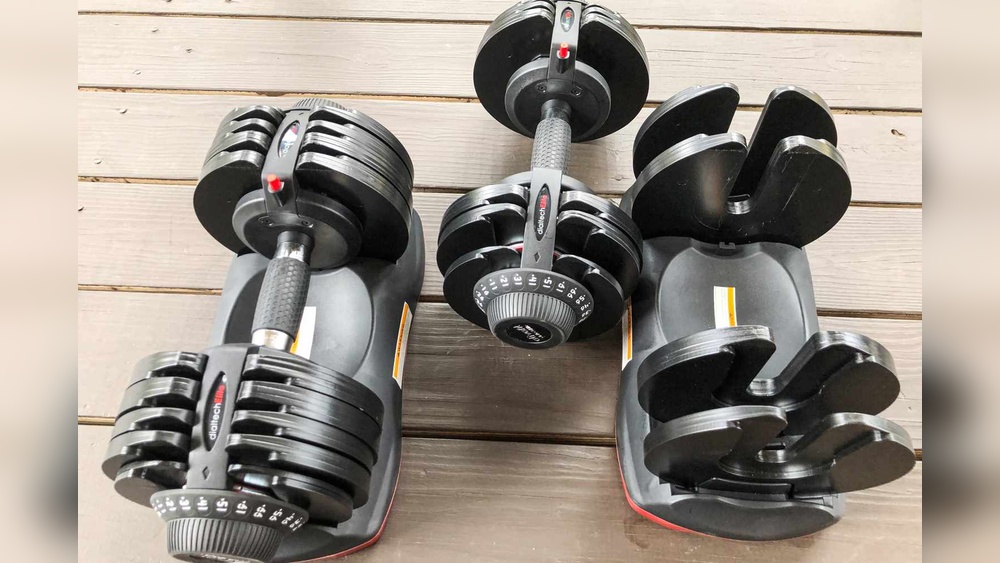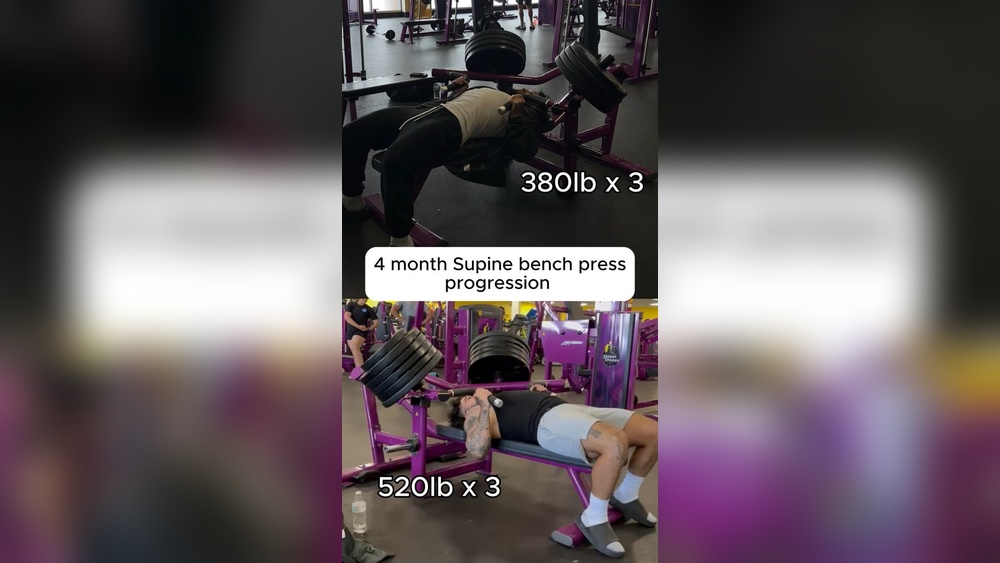
If you want to get stronger and improve your chest workout, you might wonder how the dumbbell press helps with your bench press. You’ve probably seen both exercises in the gym, but do they really work together?
Understanding this connection can make a big difference in your training results. You’ll discover how the dumbbell press affects your bench press performance and how to use both to build more strength and muscle. Keep reading to unlock the secrets that will take your lifts to the next level.

Credit: www.trxtraining.com
Benefits Of Dumbbell Press
Dumbbell press offers many benefits that help improve your bench press. It strengthens muscles in a different way than a barbell. Using dumbbells can lead to better muscle control and balance. The movement also allows for a wider range of motion. This helps build muscles evenly and reduces the risk of injury.
Improved Muscle Activation
Dumbbells require each arm to work on its own. This forces small stabilizer muscles to engage more. These muscles often stay inactive during barbell presses. Activating them improves overall strength and control. Better muscle activation means stronger lifts and fewer imbalances.
Enhanced Range Of Motion
Dumbbells allow your arms to move more freely. You can lower the weights further than with a barbell. This deeper stretch activates more muscle fibers. It also improves joint flexibility and mobility. A greater range of motion builds muscle more effectively.
Balanced Muscle Development
Each arm lifts independently with dumbbells. This prevents one side from dominating the other. Balanced strength helps avoid injuries and bad posture. Dumbbell presses fix muscle imbalances better than barbells. Balanced muscles improve performance in all pressing movements.
Key Differences From Bench Press
The dumbbell press and bench press look similar but have key differences. These differences affect how your muscles work and how you move. Understanding them helps you train smarter and avoid injury. It also shows how each exercise fits your goals.
Stabilizer Muscle Engagement
Dumbbell press activates more stabilizer muscles. Each arm works independently, forcing balance and control. This recruits smaller muscles around your shoulder and chest. The bench press uses a bar, which guides the movement. It needs less stabilizer effort and focuses more on the main muscles.
Movement Path Variations
Dumbbells allow a natural, varied path during the press. Your hands can move freely and adjust to your comfort. The bench press follows a fixed, straight path. This limits wrist and shoulder movement. Dumbbells reduce strain by letting your arms move in a more natural arc.
Load Distribution
Dumbbell press divides the weight evenly between both arms. You can feel if one side is weaker or stronger. The bench press places the load on a single bar. This can mask strength imbalances between arms. Dumbbells help build balanced strength by forcing each side to work alone.
How Dumbbell Press Builds Bench Press Strength
The dumbbell press is a powerful tool to build bench press strength. It works your muscles differently than the barbell bench press. Dumbbells allow a greater range of motion and require more control. These factors help improve overall pressing power. The following points explain how the dumbbell press supports bench press gains.
Targeting Weak Points
Dumbbells let each arm work independently. This helps fix strength imbalances. Weak points in one arm get stronger over time. You can also adjust hand position easily. This targets different parts of the chest and shoulders. These varied angles improve muscle balance and strength.
Increasing Joint Stability
Dumbbell presses demand more control at your shoulder joints. Each arm moves freely and must stay steady. This strengthens the muscles around your joints. Stronger joints reduce injury risk. They also help you lift heavier weights safely on the bench press.
Improving Muscle Coordination
Using dumbbells trains your muscles to work together better. Your body learns to stabilize and press evenly. This coordination improves your form and power. Better muscle teamwork means stronger and safer bench pressing.
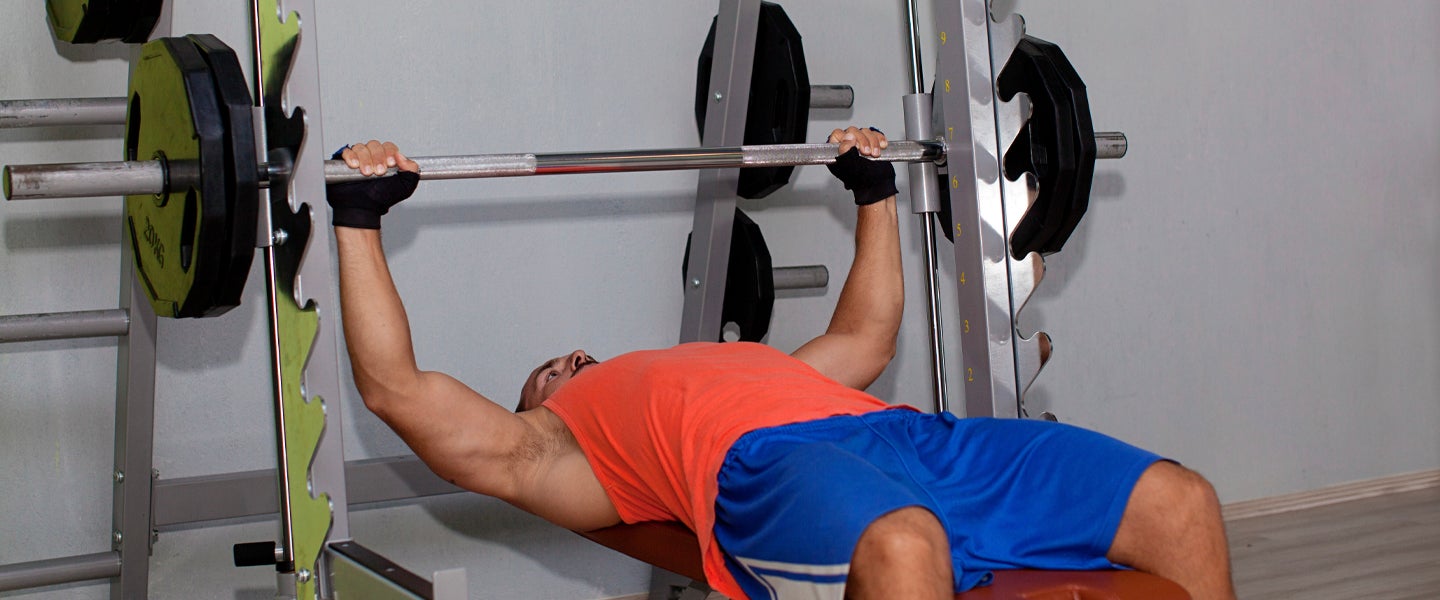
Credit: melmagazine.com
Effective Dumbbell Press Techniques
The dumbbell press builds strength and stability for the bench press. Using dumbbells requires each arm to work on its own. This improves muscle balance and control. Effective dumbbell press techniques increase your power and reduce injury risk. Focus on form, avoid mistakes, and follow progression steps to see steady gains.
Proper Form Tips
Lie flat on a bench with feet on the floor. Hold dumbbells at chest level with palms facing forward. Press the weights up until your arms are straight. Keep your shoulder blades squeezed together. Lower the dumbbells slowly back to the start. Maintain a neutral wrist position to protect your joints. Breathe out when pressing up and in when lowering. Keep your core tight to support your back.
Common Mistakes To Avoid
Do not let your elbows flare out too wide. Avoid bouncing the dumbbells off your chest. Do not lift weights that are too heavy. Avoid arching your back excessively during the press. Keep your wrists aligned and steady. Do not hold your breath while pressing. Avoid rushing the movement; control is key. These mistakes can cause pain and limit progress.
Progression Strategies
Start with light weights to learn proper form. Gradually increase the dumbbell weight over weeks. Add more repetitions or sets as you grow stronger. Try slow and controlled reps for better muscle activation. Use a spotter or safety equipment when lifting heavy. Include dumbbell presses in your regular workout routine. Track your progress to stay motivated and consistent.
Incorporating Dumbbell Press Into Training
Incorporating dumbbell press into your training can improve your strength and muscle balance. Dumbbells allow a greater range of motion than a barbell. This helps activate more muscles, especially stabilizers. Using dumbbells also reduces strength imbalances between your arms. You get a more balanced and natural pressing motion.
Training with dumbbells complements bench press work well. It prepares your muscles and joints for heavier lifts. It also builds control and coordination. Many lifters find that dumbbell press improves their bench press performance over time.
Sample Workout Plans
Start with light dumbbells to learn proper form. Try 3 sets of 8 to 12 reps. Focus on slow and controlled movements. Add dumbbell press after your warm-up or before bench press. For strength, lower reps to 4 to 6 with heavier weights. Include dumbbell press twice a week.
Balancing With Bench Press
Alternate dumbbell press and bench press in your routine. Use dumbbells on one day and bench on another. This prevents overtraining and joint stress. Dumbbells improve your range of motion while bench press builds maximum strength. Balance both to get the best results.
Recovery And Frequency
Rest is crucial after pressing workouts. Allow 48 to 72 hours for muscle recovery. Avoid training chest muscles intensely every day. Overtraining can cause fatigue and injury. Train pressing muscles two to three times per week. Listen to your body and adjust volume as needed.

Credit: www.youtube.com
Tracking Progress And Results
Tracking progress and results is key for improving your dumbbell and bench press. It helps you see real changes in strength. You stay motivated and avoid injury. Careful tracking shows if your workouts work well or need change.
Measuring Strength Gains
Track the weight you lift in both dumbbell and bench presses. Note how many reps and sets you complete. Write down any increase in weight or reps each week. Small improvements add up fast. Use a journal or app to keep records clear.
Adjusting Workloads
Increase the weight or reps when exercises feel easier. This pushes muscles to grow stronger. Lower the load if you feel pain or struggle to finish sets. Balance between challenge and safety is important. Change your workout plan based on progress notes.
Signs Of Overtraining
Watch for constant fatigue or muscle soreness that won’t go away. Poor sleep and low energy can also signal overtraining. If progress stops or you feel weak, rest more. Taking breaks helps muscles recover and grow. Listen to your body to avoid setbacks.
Frequently Asked Questions
How Does Dumbbell Press Improve Bench Press Strength?
Dumbbell press enhances stabilizer muscles and range of motion. This leads to better muscle balance and control. These benefits directly improve bench press performance by increasing overall strength and reducing injury risk.
Can Dumbbell Press Fix Bench Press Imbalances?
Yes, dumbbell press targets each arm independently. This helps correct muscle imbalances and asymmetries. Balanced strength from dumbbell presses translates to a more stable and powerful bench press.
Is Dumbbell Press Better Than Bench Press For Muscle Growth?
Dumbbell press often engages more stabilizer muscles than bench press. It allows for a greater range of motion, promoting muscle hypertrophy. However, both exercises complement each other well for balanced muscle growth.
How Often Should I Do Dumbbell Press For Bench Gains?
Perform dumbbell press 2-3 times weekly to boost bench press. Consistent practice improves muscle coordination and strength. Always allow proper rest to avoid overtraining and promote recovery.
Conclusion
The dumbbell press helps build strength and control for the bench press. It works muscles in a slightly different way but supports overall chest development. Using both exercises can improve your lifting technique and power. Keep practicing with good form to see steady progress.
Small changes add up over time. Stay consistent and patient. Your bench press will benefit from dumbbell press training. Simple, effective, and worth including in your workout plan.