Have you ever wondered how dumbbell weight really works? Whether you’re just starting out or looking to boost your workout, understanding the basics can make a huge difference.
Knowing how to choose the right weight helps you build strength faster and avoid injury. You’ll discover how dumbbell weights affect your muscles and how to pick the perfect weight for your goals. Keep reading, and you’ll unlock the secret to making every lift count.
Choosing The Right Dumbbell Weight
Choosing the right dumbbell weight is key for safe and effective workouts. The weight affects your strength gains and workout quality. Picking the right weight helps avoid injuries and builds muscle steadily. It is important to know how to select dumbbells that fit your fitness level and goals.
Factors Influencing Weight Selection
Your current strength and fitness level matter most. Beginners should pick lighter weights to learn the movements. The exercise type also changes the weight choice. Bigger muscles like legs handle heavier weights than smaller muscles like arms. Your workout goals affect weight, too. Lighter weights suit endurance, while heavier weights build strength.
Starting Light Vs Heavy
Starting light helps your body adjust to new exercises. It reduces risk of pain and injury. Light weights improve your form and confidence. Starting heavy can cause strain and slow progress. Lifting too much weight early can stop you from exercising regularly. Gradually increasing weight feels safer and more rewarding.
Progressive Overload Importance
Progressive overload means slowly increasing dumbbell weight over time. This challenges your muscles to grow stronger. Without increasing weight, muscles stop improving. Add small weight increases regularly to keep progress steady. This method builds strength and muscle safely. It keeps workouts fresh and effective.
How Dumbbell Weight Builds Strength
Dumbbell weight helps build strength by challenging muscles to work harder. Lifting weights creates stress on muscle fibers. This stress causes the muscles to grow stronger over time. Strength increases as the body adapts to the load. Understanding how dumbbells build strength shows why they are effective tools for fitness.
Muscle Fiber Activation
Dumbbell exercises activate muscle fibers by forcing them to contract. Different weights target different types of fibers. Heavy weights mainly activate fast-twitch fibers, which grow larger and stronger. Lighter weights activate slow-twitch fibers, improving endurance. Using dumbbells ensures more fibers get involved in the workout.
Neuromuscular Adaptations
Lifting dumbbells trains the nervous system to control muscles better. The brain sends stronger signals to muscles. This improves coordination and strength. Neuromuscular changes help muscles contract more efficiently. Over time, you lift heavier weights with less effort.
Role Of Repetitions And Sets
The number of repetitions and sets affects strength gains. Lower reps with heavier weights build maximum strength. Higher reps with lighter weights improve muscle endurance. Combining different rep ranges creates balanced muscle growth. Proper reps and sets keep muscles growing and prevent plateaus.
Maximizing Muscle Gain With Dumbbells
Maximizing muscle gain with dumbbells requires smart planning. Using the right weight and workout style helps muscles grow stronger. Dumbbells allow many ways to challenge muscles, making workouts effective and varied.
Understanding how to balance weight, volume, and rest improves muscle growth. Small changes in your routine can lead to better results. Muscle gain happens when muscles face enough stress and get time to recover.
Combining Weight And Volume
Choosing the correct dumbbell weight is key. Too light, muscles won’t work hard. Too heavy, form breaks and risk of injury rises. Volume means how many sets and reps you do. Higher volume with moderate weight helps build size. Lower reps with heavier weight increase strength. Mixing both helps muscles grow evenly.
Exercise Variations For Growth
Using different dumbbell exercises keeps muscles guessing. Change angles and grips to hit muscles differently. For example, bicep curls with palms up or down target different parts. Adding new moves prevents plateaus. It also helps avoid workout boredom. Variety leads to better muscle development over time.
Rest And Recovery Impact
Muscles need rest to grow after workouts. Without rest, muscles stay tired and don’t build well. Aim for at least 48 hours of recovery between sessions for the same muscle group. Sleep and good nutrition also support muscle repair. Proper rest helps muscles get bigger and stronger safely.
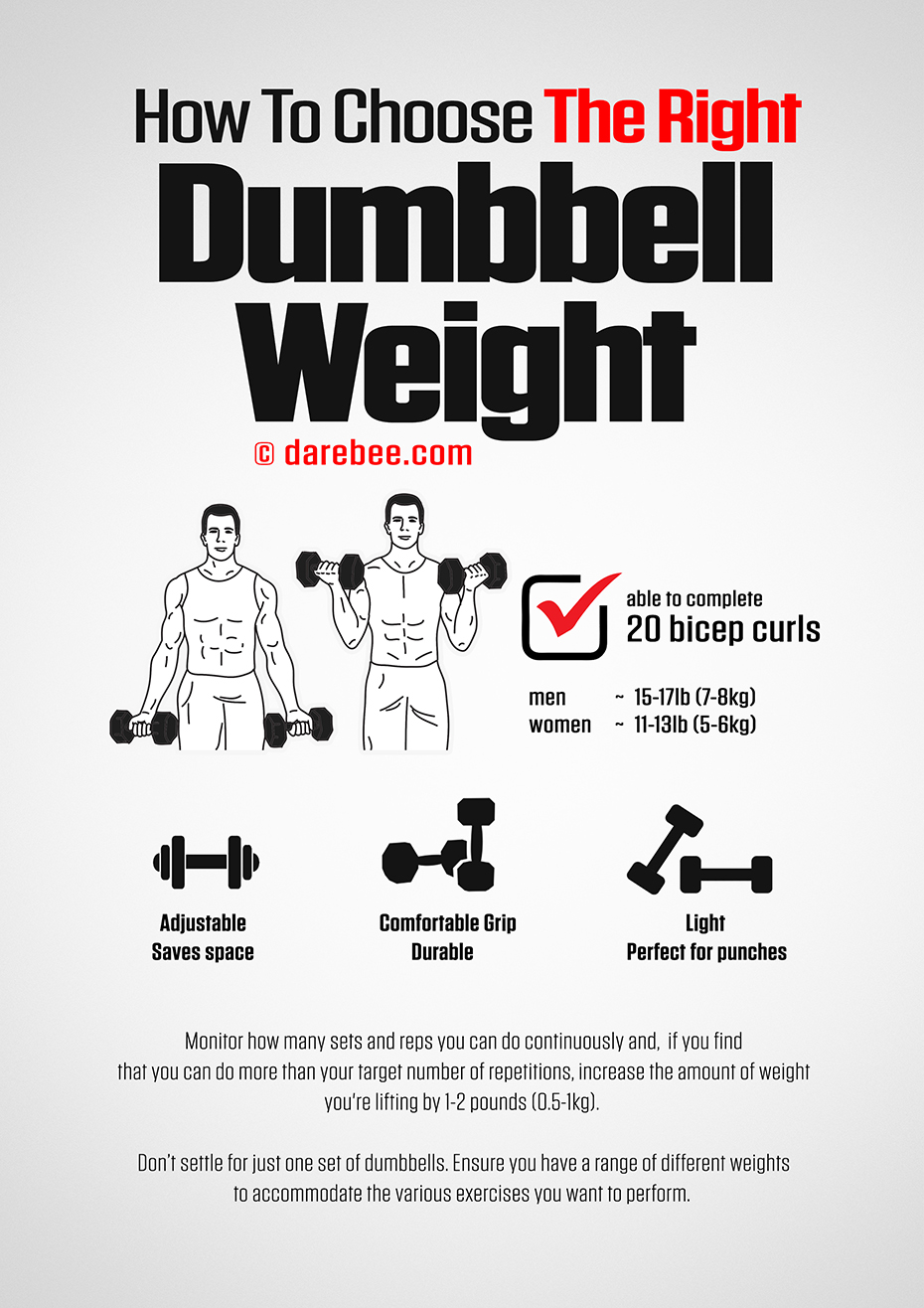
Credit: darebee.com
Common Mistakes When Using Dumbbell Weight
Using dumbbells can improve strength and fitness. Many beginners make common mistakes that slow progress or cause harm. Avoiding these errors helps you train safely and effectively.
Lifting Too Heavy Too Soon
Choosing weights that are too heavy leads to poor control. It causes strain on muscles and joints. Start with lighter weights to build strength. Gradually increase weight as your muscles get stronger. Patience prevents injury and improves results.
Poor Form And Injury Risks
Bad posture or wrong movements cause injuries. Keep your back straight and core tight. Move slowly and focus on the correct technique. Poor form wastes effort and may cause pain. Practice in front of a mirror or ask for help.
Neglecting Warm-ups And Cool-downs
Skipping warm-ups makes muscles stiff and prone to injury. Warm-ups increase blood flow and prepare your body. Cool-downs help reduce muscle soreness and stiffness. Include light stretches and slow movements before and after exercise.
Tracking Progress And Adjusting Weight
Tracking your progress with dumbbell weights is key to improving strength. It helps you know when to increase weight for better results. Adjusting weight keeps workouts effective and safe. Without tracking, you might stop improving or risk injury. Understanding how to track and adjust weight will boost your fitness journey.
Signs To Increase Weight
Feeling too easy during exercises shows it’s time to increase weight. If you finish sets without much effort, your muscles need more challenge. When you can do more than 12 reps easily, increase the weight. Strength grows by pushing muscles just enough. Watch for steady progress and adjust weight accordingly.
Using Workout Logs
Write down your exercises, weights, and reps each session. Logs help you see patterns and progress over time. They prevent guessing and keep your workouts focused. Tracking your data shows when to add weight or change routines. Using a simple notebook or app works well for logging.
Balancing Challenge And Safety
Choose a weight that challenges muscles but does not cause pain. Avoid lifting too heavy too soon to prevent injuries. Focus on good form and controlled movements. Rest between sets to recover muscles properly. Balance is key for steady strength gains and long-term health.
Credit: www.businessinsider.com

Credit: trainingstation.co.uk
Frequently Asked Questions
What Determines The Weight Of A Dumbbell?
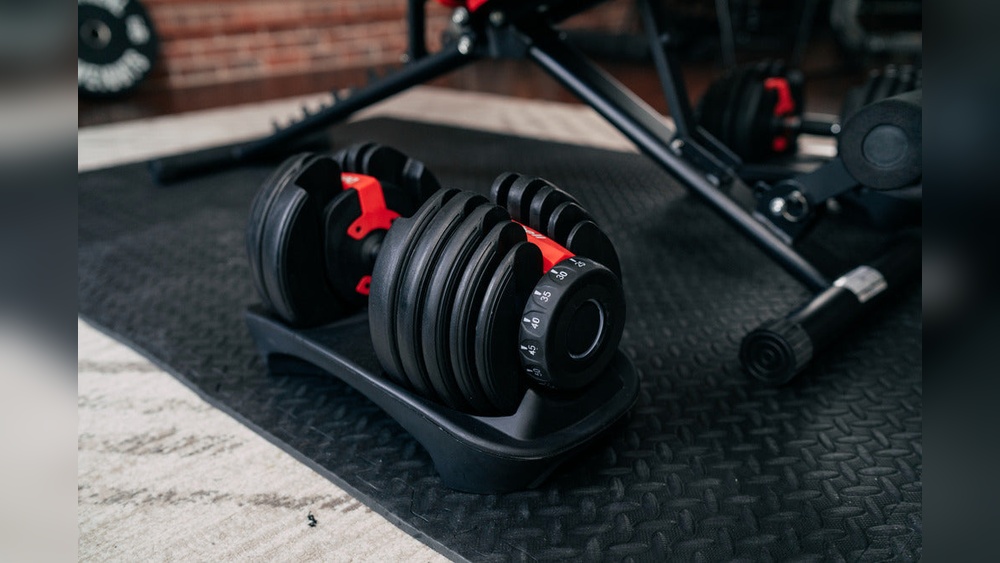
The weight of a dumbbell is determined by the amount of metal or material inside. It can vary based on design and purpose. Adjustable dumbbells allow changing weights by adding or removing plates.
How Does Dumbbell Weight Affect Muscle Growth?
Heavier dumbbells increase muscle resistance, promoting strength and growth. Lighter weights help with endurance and toning. Proper weight selection is key for effective workouts.
Can I Use Dumbbells For All Fitness Levels?
Yes, dumbbells come in various weights suitable for beginners to experts. Adjustable sets offer versatility, allowing progression as strength improves.
Why Choose Fixed-weight Vs Adjustable Dumbbells?
Fixed-weight dumbbells offer simplicity and quick use. Adjustable dumbbells save space and provide multiple weight options. Choice depends on workout needs and convenience.
Conclusion
Dumbbell weight affects your workout strength and progress. Choosing the right weight helps build muscle safely. Too light, and you may not see results. Too heavy, and you risk injury. Focus on steady improvement and listen to your body. Change weights as you get stronger.
Simple steps lead to better fitness over time. Keep practicing, and your strength will grow. Dumbbells are a useful tool for many exercises. Consistency matters more than lifting the heaviest weights.