Have you ever wondered how the lock on a bike pump actually works? If you’ve struggled with getting your tire inflated just right or felt confused by the pump’s locking mechanism, you’re not alone.
Understanding this small but powerful feature can make a big difference in how quickly and easily you get your bike ready to ride. Keep reading, and you’ll discover the simple secret behind the lock that keeps your pump connected and your tire perfectly inflated every time.
This knowledge will save you time and frustration on your next ride.
Bike Pump Basics
A bike pump is a simple tool that fills your tires with air. It helps keep your bike tires firm and safe to ride. Understanding its basics makes using it easier and more effective.
Knowing different types and parts of a bike pump can help you choose the right one. It also helps you see how the lock on a bike pump works.
Types Of Bike Pumps
There are several types of bike pumps. Floor pumps are large and stay on the ground. They have a long handle and a stable base. Hand pumps are small and easy to carry. They fit in a backpack or bike frame. Mini pumps are tiny versions of hand pumps. They work well for quick fixes on the road. CO2 inflators use small gas cartridges. They fill tires fast but need refills.
Pump Components
A bike pump has a few main parts. The barrel is the tube that holds air. The handle moves up and down to push air. The hose or nozzle connects the pump to the tire valve. The lock or lever keeps the pump tight on the valve. This lock stops air from escaping while pumping. A pressure gauge shows how much air is inside the tire. Some pumps have this feature for better control.
Role Of The Lock Mechanism
The lock mechanism plays a key role in making a bike pump easy to use. It keeps the pump nozzle tightly attached to the valve. This helps stop air from leaking during inflation. Without the lock, the nozzle may slip off or let air escape.
This small part improves the overall pumping process. It ensures the air goes directly into the tire. The lock mechanism also makes the pump more secure and stable. It helps riders fill their tires faster and with less effort.
Purpose Of The Lock
The lock holds the pump nozzle firmly on the valve stem. It creates a tight seal to prevent air loss. This helps maintain pressure while pumping. The lock allows you to use both hands to pump air easily.
It also stops the nozzle from moving or slipping off. This makes the process safer and more effective. The lock supports different valve types like Presta or Schrader. It ensures a snug fit for various bikes.
Where The Lock Is Located
The lock is usually found on the pump head or nozzle. It is a small lever or clip that you flip or press. This action secures the nozzle onto the valve stem. The location makes it easy to reach and operate by hand.
Some pumps have the lock built into the pump head. Others use a separate clamp near the nozzle. Both types work to hold the connection tight. The design depends on the pump brand and model.
How The Lock Engages
The lock on a bike pump keeps the pump nozzle tightly attached to the valve. It stops air from leaking during inflation. Understanding how this lock engages helps you use your pump better. The lock works through simple mechanical steps that secure the connection.
Step-by-step Lock Activation
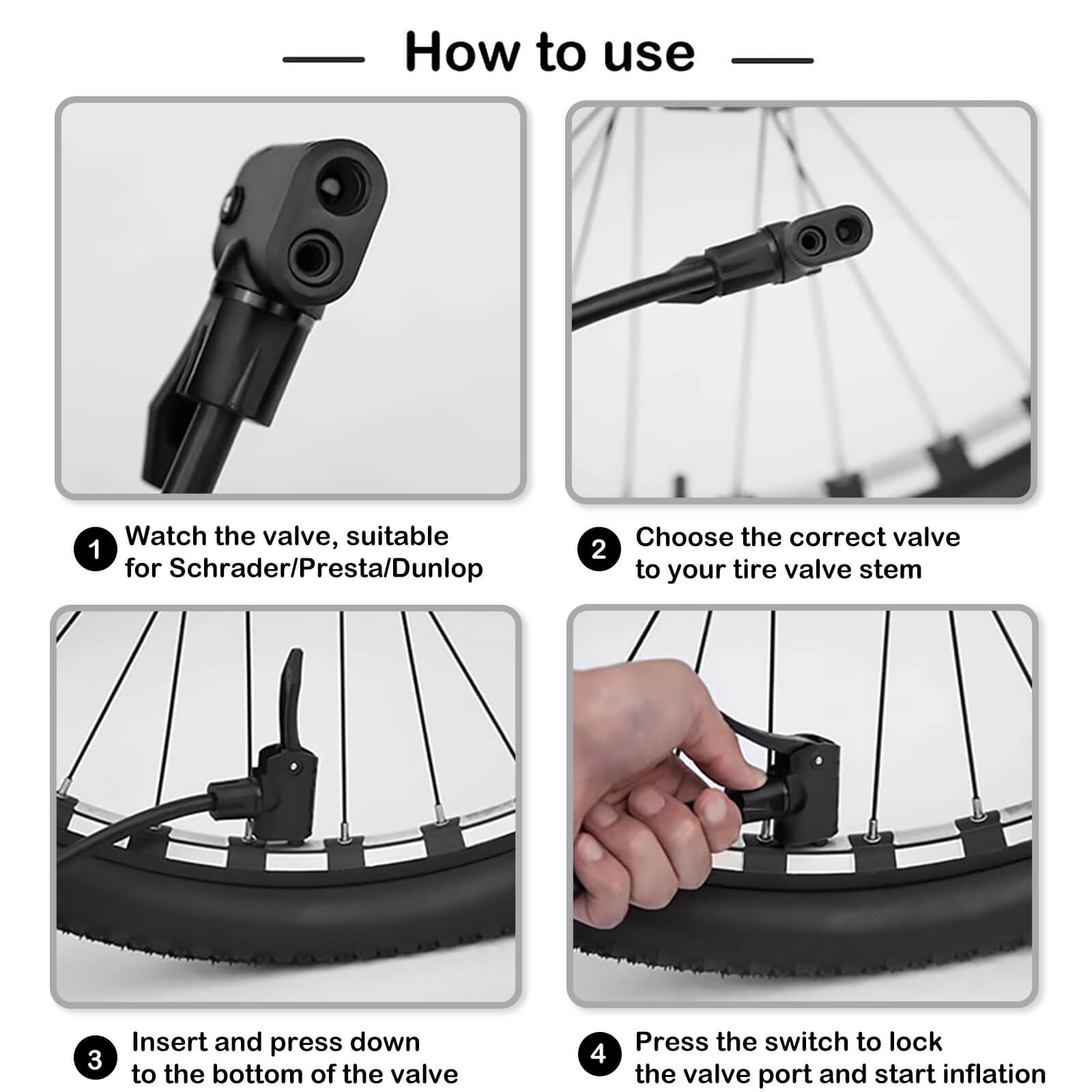
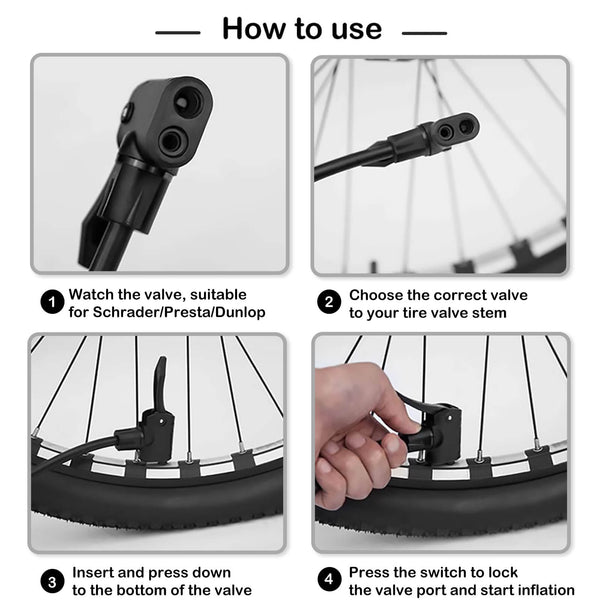
First, place the pump head over the bike valve. Next, push or pull a lever on the pump head. This action moves a small internal clamp. The clamp grabs the valve stem firmly. It stops the pump head from slipping off. You feel a slight resistance when the lock engages. Now the pump can push air without losing pressure. To unlock, you simply reverse the lever movement.
Common Lock Designs
Two main lock designs appear on most bike pumps. One uses a lever that flips up or down. This lever tightens the clamp around the valve. The second design uses a twist-lock. You turn a collar on the pump head to lock it in place. Both designs create a tight seal for efficient pumping. Each design suits different valve types like Presta or Schrader. They ensure a secure hold during air inflation.
Credit: www.liftingitalia.com
Benefits Of A Locked Pump Head
The locked pump head offers several key benefits during bike tire inflation. It holds the pump in place, making the process easier and faster. Without a locked head, the pump might slip off, wasting effort and time. This feature helps riders get the job done smoothly.
Using a locked pump head ensures a better connection between the pump and the valve. This improves the overall experience and reduces frustration. Below are two main benefits that explain why the locked pump head is important.
Ensuring A Tight Seal
The locked pump head creates a strong grip on the valve. This tight seal stops air from escaping. It also keeps the pump steady during inflation. A solid seal means less effort to fill the tire. The pump works more efficiently and fills the tire faster. This saves energy and time for the rider.
Preventing Air Leakage
Air leakage slows down the pumping process. The locked head stops air from leaking out. This keeps the air pressure steady inside the tire. It ensures that the tire inflates correctly and holds pressure longer. Preventing leaks also protects the pump from damage. The rider gets better results with less hassle.
Using The Lock For Different Valves
Bike pumps come with a lock mechanism to secure the pump head on different valve types. This lock keeps the pump firmly attached during inflation. It prevents air leaks and makes pumping easier. Different valves need slightly different locking steps.
Presta Valve Locking
Presta valves are thin and have a small nut on top. First, open the nut by twisting it counterclockwise. Place the pump head over the valve carefully. Push down the lock lever to clamp the pump head tightly. The lock holds the pump in place. Inflate the tire without air escaping. After pumping, lift the lock lever and remove the pump head. Don’t forget to close the valve nut to stop air loss.
Schrader Valve Locking
Schrader valves are wider and similar to car tire valves. Press the pump head onto the valve firmly. Flip the lock lever to secure the pump head. This action creates a tight seal around the valve. It stops air from escaping while pumping. Pump air into the tire steadily. When done, lift the lock lever and pull the pump head off. The valve closes by itself, no need to twist anything.
Troubleshooting Lock Issues
The lock on a bike pump keeps the pump head secured to the valve. Sometimes, it may not work well, causing air to leak. This section helps fix common lock problems fast. Easy steps can bring back strong locking and smooth pumping.
Lock Not Holding Properly
A lock that slips or won’t stay closed wastes time. Dirt or grime inside the lock can stop it from gripping. The locking lever might be loose or broken. Check the pump head for damage or wear. Bent parts also cause poor locking. Keep the lock clean and dry to avoid sticking.
Tips For Better Lock Performance
Clean the lock regularly with a dry cloth. Use a little oil on moving parts to help them move smoothly. Tighten loose screws on the pump head carefully. Replace worn seals or rubber rings to keep air tight. Press the lever firmly to lock the pump head. Store the pump in a dry place to protect parts from rust. These small steps improve lock hold and pump efficiency.
Maintenance For Pump Locks
Maintaining the lock on a bike pump is essential for smooth operation. Dirt and rust can cause the lock to stick or fail. Regular care keeps the lock working well and extends the pump’s life.
Cleaning And Lubrication
Start by cleaning the lock area with a soft cloth. Remove dust, dirt, and old grease. Use a mild cleaner if needed. Avoid harsh chemicals that can damage the lock.
Next, apply a small amount of lubricant. Use a light oil or silicone spray for best results. This helps the lock move smoothly without sticking. Wipe off any excess to prevent dirt buildup.
When To Replace Lock Components
Look for signs of wear like rust, cracks, or broken parts. If the lock no longer holds tight, it may need replacement. Check the locking mechanism and seals regularly.
Replacing worn parts keeps the pump reliable and safe. Use parts made for your pump model. Proper replacement ensures the lock works as designed.
Credit: www.liftingitalia.com

Credit: www.youtube.com
Frequently Asked Questions
How Does A Bike Pump Lock Mechanism Function?
The lock on a bike pump secures the pump head to the valve. It creates an airtight seal, preventing air leaks during inflation. This ensures efficient air transfer from the pump to the tire, making inflation faster and easier.
Why Is The Lock Important On A Bike Pump?
The lock keeps the pump attached firmly to the valve. Without it, air escapes, wasting effort and time. It helps maintain consistent pressure and prevents the pump head from slipping during use.
Can A Bike Pump Lock Fit All Valve Types?
Most bike pump locks fit standard valve types like Presta and Schrader. Some locks are adjustable or reversible to accommodate different valves. Always check compatibility before use to ensure a secure seal and proper inflation.
How To Properly Engage The Lock On A Bike Pump?
Place the pump head firmly on the valve stem. Flip or twist the lock lever to secure the connection. Ensure the lock is tight to avoid air leaks while pumping the tire.
Conclusion
The lock on a bike pump holds the nozzle tightly. It stops air from leaking during pumping. This helps the tire fill quickly and properly. Knowing how the lock works makes pumping easier. You can keep your bike tires at the right pressure.
This keeps your ride smooth and safe. Next time you pump your tires, notice the lock. It plays a small but important role. Understanding this simple tool saves time and effort. A well-locked pump means better air flow every time.