Have you ever wondered just how tough it is to cut through a bike lock? Whether you’re trying to understand how secure your lock really is or curious about what it takes to break one, knowing the truth can save you from a lot of trouble.
You might be surprised by what makes some locks nearly impossible to cut, while others fall apart in seconds. Keep reading to discover the secrets behind bike lock strength and what you need to know to keep your bike safe.
Types Of Bike Locks
Bike locks come in various styles. Each type offers different protection levels. Knowing these types helps you pick the right lock for your bike.
U-locks
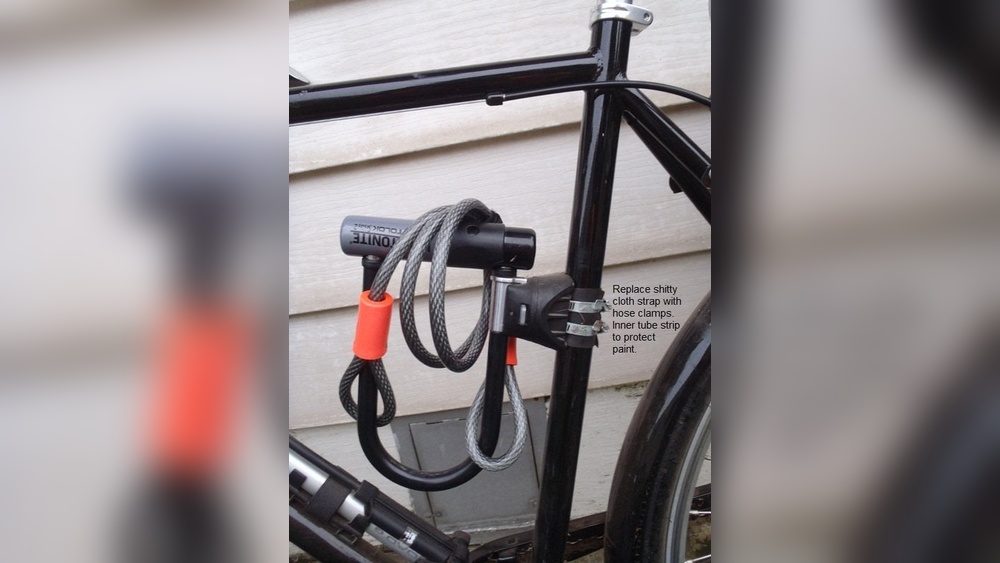
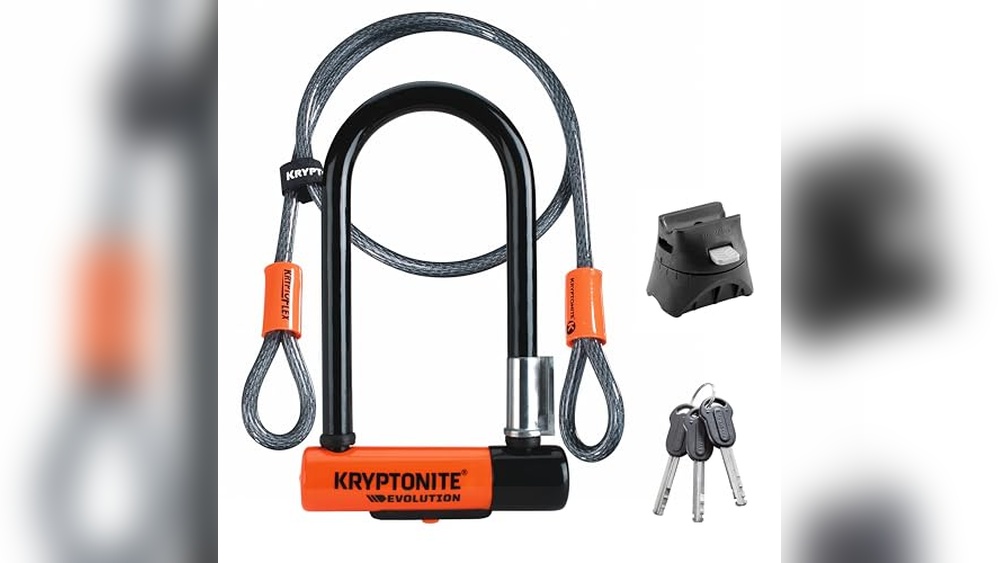
U-locks are shaped like a “U.” They are made of solid metal. Cutting them is very difficult. Thieves need strong tools and more time. U-locks are good for high security.
Chain Locks
Chain locks use thick metal links. The links are covered with fabric to avoid scratches. Cutting chain locks takes heavy bolt cutters or grinders. The thicker the chain, the harder it is to cut.
Cable Locks
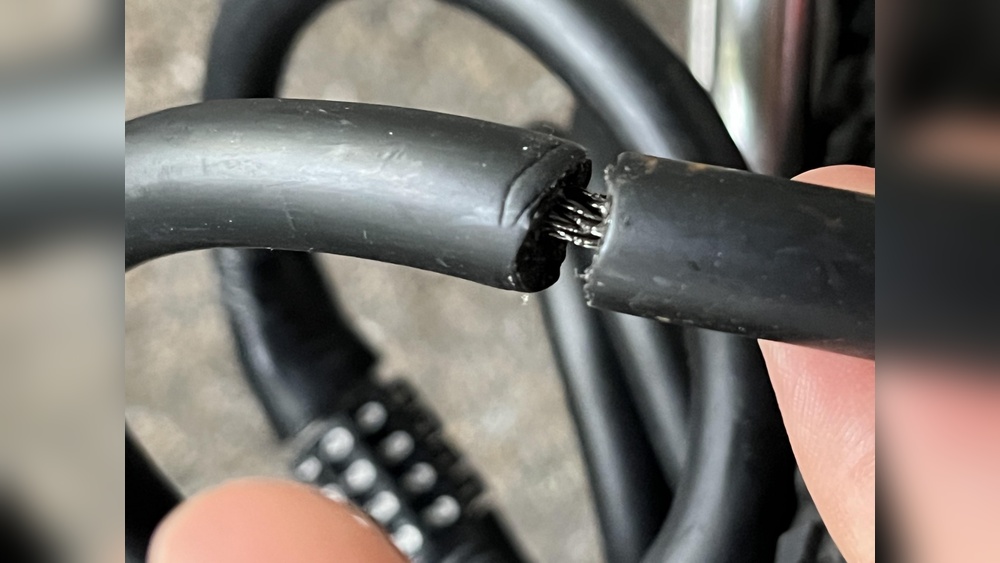
Cable locks are made of braided steel wires. They are flexible and easy to carry. Cutting cables is easier than cutting chains or U-locks. Many thieves carry wire cutters for cable locks.
Folding Locks
Folding locks have connected metal plates. They fold into a compact size. Cutting them is tough but possible. They offer good balance between security and convenience.
Credit: www.reddit.com
Materials And Security Levels
Bike locks vary widely in materials and security levels. These differences affect how hard it is to cut them. Knowing the materials and locking types helps understand their strength. Some locks resist cutting tools better than others. The design and metal quality play big roles in security.
Hardened Steel
Hardened steel is a popular choice for bike locks. It undergoes heat treatment to make it very tough. This process increases resistance to cutting and sawing. Hardened steel locks often cost more but offer strong protection. They can withstand many common tools used by thieves.
Alloy Compositions
Some bike locks use metal alloys instead of pure steel. Alloys mix different metals to improve strength and weight. These can be lighter but still hard to cut. The right alloy makes the lock tough yet easier to carry. Not all alloys offer the same security level, so quality matters.
Locking Mechanisms
The locking mechanism also affects security. Simple locks are easier to pick or break. Advanced designs use complex internal parts to stop tampering. Some locks have double locking points for extra strength. The mechanism works with the material to keep the bike safe.
Common Cutting Tools
Cutting a bike lock is not easy. It needs the right tools and effort. Some tools work better than others. Some take more time and noise. Here are common tools used to cut bike locks. Each tool has its own strengths and limits.
Bolt Cutters
Bolt cutters are strong and made for cutting metal. They look like big scissors with long handles. They use force to cut through chains and cables. Small locks may break quickly. Thick or hardened locks can resist bolt cutters. It takes strength and time to cut tough locks.
Angle Grinders
Angle grinders are power tools with a spinning blade. They cut through metal by grinding it down. They work fast and can cut thick locks. Using them can be loud and dangerous. Sparks fly while cutting, so safety is important. Angle grinders need electricity or batteries to work.
Hacksaws
Hacksaws are manual tools with a serrated blade. They cut metal by moving the blade back and forth. They are cheap and easy to carry. Cutting a bike lock with a hacksaw takes a lot of time. Thick or hardened locks are very hard to saw through. Patience and effort are key with hacksaws.
Lock Picking Tools
Lock picking tools do not cut but unlock the lock. They need skill and practice to use well. Lock picking is quiet and leaves no marks. It works on some locks but not all. Some locks are designed to stop picking. Learning to pick a lock can be tricky for beginners.

Credit: www.youtube.com
Difficulty Factors
Cutting a bike lock is not always easy. Several factors affect how hard it can be. These factors change how long and what tools you need to cut through the lock. Understanding these can help you know the challenge level.
Lock Thickness
Thicker locks are harder to cut. Thin locks may break with small tools. Thick locks need strong, heavy tools. The thickness also adds to the lock’s strength and resistance.
Material Hardness
Locks made from hard metals resist cutting. Steel locks are tougher than aluminum ones. Some locks have special coatings to stop cutting tools. Hard materials require more force and better tools to break.
Tool Accessibility
Some locks are designed to limit tool use. Tight spaces make it hard to place cutters. Bigger tools may not fit around the lock. Good tool access makes cutting faster and easier.
Time Required
Cutting a lock can take minutes or hours. Simple locks may open quickly with the right tools. Strong locks need longer effort and patience. Time depends on lock design and tool strength.
Expert Tips To Enhance Security
Protecting your bike starts with smart security choices. Simple actions can make a big difference. Understanding how to secure your bike helps prevent theft and saves you money and stress.
Choosing The Right Lock
Select a lock that is tough to cut or break. U-locks and heavy-duty chains offer strong protection. Avoid cheap cable locks; they are easy targets. Look for locks made of hardened steel for better safety.
Proper Locking Techniques
Lock your bike frame and both wheels to a fixed object. Avoid locking just the wheel or the seat. Use the smallest possible gap inside the lock. This limits space for tools to fit and cut.
Combining Multiple Locks
Use two different types of locks for extra security. A U-lock plus a cable lock covers more parts. Thieves need more time and tools to break both. This often scares them away quickly.
Regular Maintenance
Check your lock regularly for rust or damage. Keep it clean and lubricated to work smoothly. A well-maintained lock lasts longer and stays strong. Replace old or weak locks before problems occur.
Credit: www.reddit.com
Signs Of A Vulnerable Lock
Knowing the signs of a vulnerable lock helps protect your bike better. A weak lock is easier to cut or break. Spotting these signs early can save your bike from theft. Some locks look strong but hide serious problems. Check your lock often to find these issues.
Visible Wear And Tear
Scratches, rust, and dents show a lock’s age and damage. These marks weaken the metal and make cutting easier. Faded paint or worn labels suggest long use. A lock with clear wear needs replacement soon.
Loose Components
Loose parts like shaky shackles or wobbly keys reduce a lock’s strength. A lock should feel solid and tight. If parts move too much, it may break under pressure. Test your lock by shaking it gently.
Outdated Models
Old lock designs lack modern security features. Thieves know how to open these quickly. Locks made years ago may use weak materials. Using the latest locks helps keep your bike safer.
Legal And Ethical Considerations
Understanding the legal and ethical sides of cutting a bike lock is important. Cutting a lock without permission is against the law. It can lead to serious trouble. Ethical issues also arise, as it involves respect for other people’s property.
Respecting rules keeps you safe and fair. It helps build trust in communities. Knowing these points helps you make smart choices about bike locks.
Lock Tampering Laws
Lock tampering means damaging or breaking a lock illegally. Laws punish this act strictly in many places. Penalties can include fines, community service, or jail time. Authorities treat lock tampering as theft or vandalism. Even trying to cut a lock without owning the bike is illegal. Always check local laws before handling someone else’s lock.
Responsible Lock Use
Using a bike lock responsibly protects your property and others’. Always use your own lock. Do not try to cut or remove locks that do not belong to you. Reporting lost keys or broken locks to owners is the right step. Respecting others’ property keeps communities safe and honest. Responsible use means following laws and ethical guidelines at all times.
Frequently Asked Questions
How Difficult Is It To Cut A Standard Bike Lock?
Cutting a standard bike lock depends on its material and thickness. Basic locks are easier to cut with bolt cutters. High-security locks use hardened steel, making them very hard to cut without specialized tools.
What Tools Are Needed To Cut A Bike Lock?
Common tools include bolt cutters, angle grinders, and hacksaws. Bolt cutters work well on thin chains. Angle grinders cut through hardened steel but are noisy and require power. Hacksaws take longer and need effort.
Can All Bike Locks Be Cut Quickly?
No, bike locks vary in security. Simple cable locks cut quickly. U-locks and chain locks with hardened steel resist cutting longer. High-quality locks can deter thieves due to time and noise involved.
How Long Does It Take To Cut A Bike Lock?
Cutting time varies by lock type and tools used. Basic cable locks take seconds with bolt cutters. Hardened steel locks may take several minutes or more with power tools.
Conclusion
Cutting a bike lock is not easy. Strong materials and designs make it hard. Some locks take minutes; others need hours. Good locks keep your bike safe. Choosing the right lock matters a lot. Always use locks that resist cutting tools.
Protect your bike with careful lock choices. Safety depends on the lock’s strength and your care. Don’t make it simple for thieves. Stay smart and keep your bike secure.