
Have you ever wondered how heavy boxing gloves really are? If you’re stepping into the ring or just curious about the sport, knowing the weight of gloves can change the way you train and fight.
The right glove weight affects your speed, power, and even your safety. You’ll discover exactly how heavy boxing gloves can be, why the weight matters, and how to choose the best gloves for your needs. Keep reading to get the inside scoop that can boost your performance and protect your hands every time you throw a punch.
Credit: www.geezersboxing.co.uk
Glove Weights In Boxing
Boxing gloves come in different weights. Each weight serves a specific purpose in training or competition. Understanding glove weights helps boxers choose the right pair for their needs. Weight affects protection, speed, and comfort during fights.
Common Weight Categories
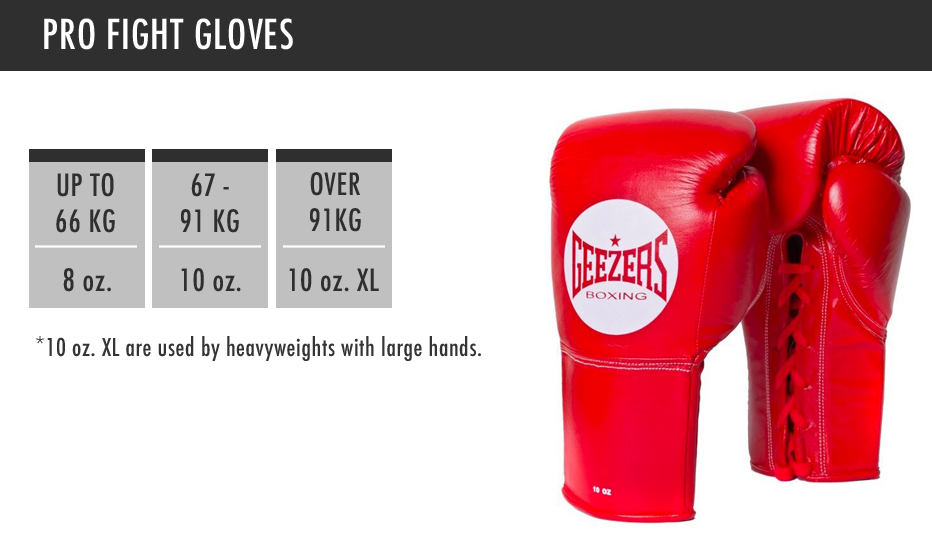
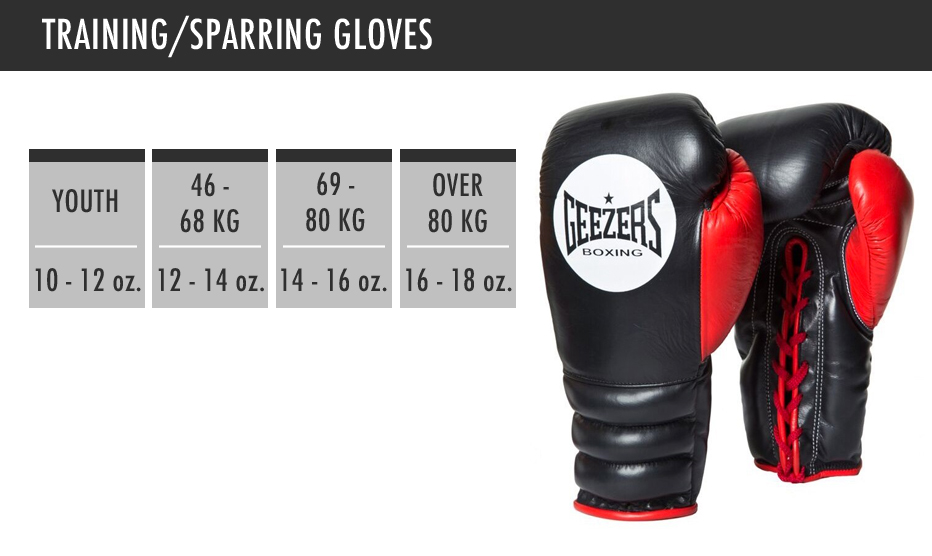
Boxing gloves usually weigh between 8 and 20 ounces. Lighter gloves, like 8 or 10 ounces, are common in professional fights. Heavier gloves, such as 14 or 16 ounces, are often used for training and sparring. The choice depends on the boxer’s weight and the type of activity.
Materials Affecting Weight
Glove weight depends on the materials used inside and outside. Leather gloves tend to be heavier but last longer. Synthetic gloves are lighter and cheaper but may wear out faster. Padding thickness also changes the overall weight. More padding means heavier gloves and better hand protection.
Weight Standards Across Organizations
Different boxing organizations have specific rules for glove weights. The World Boxing Association (WBA) often requires 10-ounce gloves for lighter weight classes. The World Boxing Council (WBC) may set 8-ounce gloves for certain fights. Amateur boxing usually uses heavier gloves, like 12 or 16 ounces, to protect athletes.
Impact Of Glove Weight On Performance
The weight of boxing gloves plays a major role in how a boxer performs. Different glove weights affect speed, power, and stamina. Choosing the right glove weight helps a boxer train better and compete well.
Heavy gloves can slow down punches but offer more protection. Lighter gloves allow faster movements but less padding. Understanding these effects helps in picking gloves that fit your style and goals.
Speed And Agility Considerations
Lighter gloves let boxers punch faster and move quickly. Speed is key for dodging and landing quick hits. Gloves that are too heavy can slow hand speed and reduce agility.
Faster punches often catch opponents off guard. Training with lighter gloves can improve hand speed and reaction time. But very light gloves may not protect hands well during hard hits.
Power And Protection Balance
Heavier gloves absorb more impact, protecting hands and opponents. They help reduce injuries during sparring. But extra weight can lessen punch power and speed.
Boxers must find a balance between power and safety. Gloves that are too heavy may tire arms quickly. Gloves that are too light increase risk of injury.
Endurance And Fatigue Effects
Wearing heavy gloves requires more energy and strength. It can tire muscles faster and reduce training time. Fatigue affects focus and technique in later rounds.
Lighter gloves help conserve energy and keep stamina high. They allow longer training sessions without quick exhaustion. Choosing glove weight impacts how long boxers perform well.
Choosing The Right Glove Weight
Choosing the right glove weight is important for boxing performance and safety. Gloves come in different weights, usually measured in ounces. The right weight protects your hands and helps with training or fighting. Picking the correct glove weight depends on your skill, body size, and personal comfort.
Wearing gloves that are too heavy or too light can affect your speed and power. It may also increase the risk of injury. Understanding how to select the right glove weight helps you train better and stay safe.
Factors Based On Skill Level
Beginners often use heavier gloves. They protect the hands and help build strength. Heavier gloves also slow down punches, giving more control.
Intermediate boxers may choose medium-weight gloves. These provide a balance of speed and protection. Advanced boxers often prefer lighter gloves for faster punches and better movement.
Weight Classes And Glove Selection
Boxers in different weight classes use different glove weights. Lighter weight classes tend to use lighter gloves. Heavier classes often use heavier gloves for more protection.
Competition rules may require specific glove weights. Always check the rules before picking gloves for a match. Training gloves can differ from competition gloves in weight and design.
Personal Comfort And Fit
Comfort is key when choosing glove weight. Gloves should fit snugly but not too tight. Try on gloves to find the best fit for your hands.
Consider padding and wrist support. These affect comfort and safety. Choose gloves that feel good during long training sessions.
Credit: www.geezersboxing.co.uk
Training Vs Competition Gloves
Boxing gloves come in different types for training and competition. Each type has a specific weight and design. These differences affect how boxers train and perform in the ring. Understanding these gloves helps boxers choose the right pair for their needs.
Differences In Weight And Padding
Training gloves are usually heavier than competition gloves. They have extra padding to protect the hands during long practice sessions. Competition gloves are lighter to allow faster punches and better hand speed. The padding in competition gloves is thinner to meet fight rules.
Purpose Of Heavier Training Gloves
Heavier gloves build strength and endurance in the arms. They slow down punches, helping boxers improve control and technique. The extra padding reduces the risk of injury during sparring. Wearing heavier gloves during training prepares the hands for the speed of competition gloves.
Competition Glove Regulations
Competition gloves must follow strict rules set by boxing organizations. Weight limits depend on the boxer’s weight class and gender. Gloves usually weigh between 8 and 10 ounces in competition. These rules ensure fair fights and protect both fighters from serious harm.
Impact On Safety And Injury Prevention
Glove weight plays a big role in boxing safety and injury prevention. Choosing the right glove weight helps protect both fighters. It reduces the risk of cuts, bruises, and broken bones. Gloves also absorb some of the impact from punches. This lowers the chance of serious hand and head injuries.
How Weight Influences Protection
Heavier gloves offer more padding. This padding absorbs more force during punches. It protects your knuckles and wrists better. Lighter gloves have less padding and allow faster punches. They may increase the risk of hand injuries. Fighters often use heavier gloves for training and lighter gloves for matches. The right weight depends on your skill and purpose.
Common Injuries And Glove Role
Boxers face common injuries like cuts, bruises, and fractures. Gloves help prevent cuts by covering the knuckles. They reduce bruises by softening the punch impact. Wrist injuries happen when punches land wrong. Proper gloves provide wrist support to avoid these injuries. Gloves also help protect the opponent from serious harm. Using the correct glove weight lowers injury risks.
Proper Glove Maintenance
Keeping gloves clean is essential for safety. Sweat and bacteria can build up inside gloves. This leads to bad smells and skin infections. Dry gloves after every use. Use glove deodorizers or spray to keep them fresh. Regular cleaning helps maintain padding and glove shape. Well-maintained gloves offer better protection and last longer.
Popular Brands And Their Weight Options
Choosing the right boxing gloves involves understanding brand options and their weight varieties. Different brands offer gloves that suit training, sparring, or competition. Each brand designs gloves with specific weights for comfort and protection. This section highlights popular boxing brands and their common weight choices. It helps readers find the best gloves for their needs.
Top Brands Overview
Everlast is a classic brand known worldwide. It offers durable gloves for beginners and pros. Winning is a favorite among professionals. It focuses on quality and hand protection. Cleto Reyes makes handcrafted gloves popular in boxing circles. They provide excellent wrist support and comfort. Hayabusa is famous for its modern design and strong padding. Rival offers gloves with great fit and flexibility. These brands lead the market with trusted products.
Weight Variations In Popular Models
Glove weights usually range from 8 oz to 20 oz. Everlast gloves often come in 10 oz, 12 oz, and 16 oz sizes. Winning gloves mostly offer 10 oz and 12 oz options. Cleto Reyes provides gloves in 12 oz and 14 oz, suited for fights and training. Hayabusa gloves range from 12 oz to 16 oz, balancing protection and speed. Rival gloves appear in 12 oz, 14 oz, and 16 oz, ideal for sparring and bag work. Weight choice depends on the purpose and comfort.

Credit: www.youtube.com
Frequently Asked Questions
What Is The Standard Weight For Boxing Gloves?
Boxing gloves typically weigh between 8 to 16 ounces. The weight depends on the purpose, such as training, sparring, or competition. Heavier gloves offer more protection but reduce speed. Lighter gloves allow faster punches but less padding.
How Does Glove Weight Affect Boxing Performance?
Heavier gloves slow down hand speed but increase hand protection. Lighter gloves improve punch speed but offer less cushioning. Choosing the right weight balances safety and performance for the boxer’s needs.
Why Are Different Glove Weights Used In Boxing?
Different weights match various training and competition requirements. Sparring often uses 14-16 ounce gloves for safety. Professional fights usually require 8-10 ounce gloves for speed and impact.
Are Heavier Gloves Better For Sparring Sessions?
Yes, heavier gloves provide more padding and reduce injury risk during sparring. They help protect both you and your partner, making training safer and more effective.
Conclusion
Glove weight matters a lot in boxing. It affects speed, power, and safety during fights. Lighter gloves allow faster punches but less protection. Heavier gloves slow you down but protect hands better. Choosing the right glove depends on training or competition.
Knowing glove weight helps you train smart and avoid injuries. Remember, the best gloves fit well and feel comfortable. Keep practicing with the right gloves to improve your boxing skills. Stay safe and enjoy the sport!


