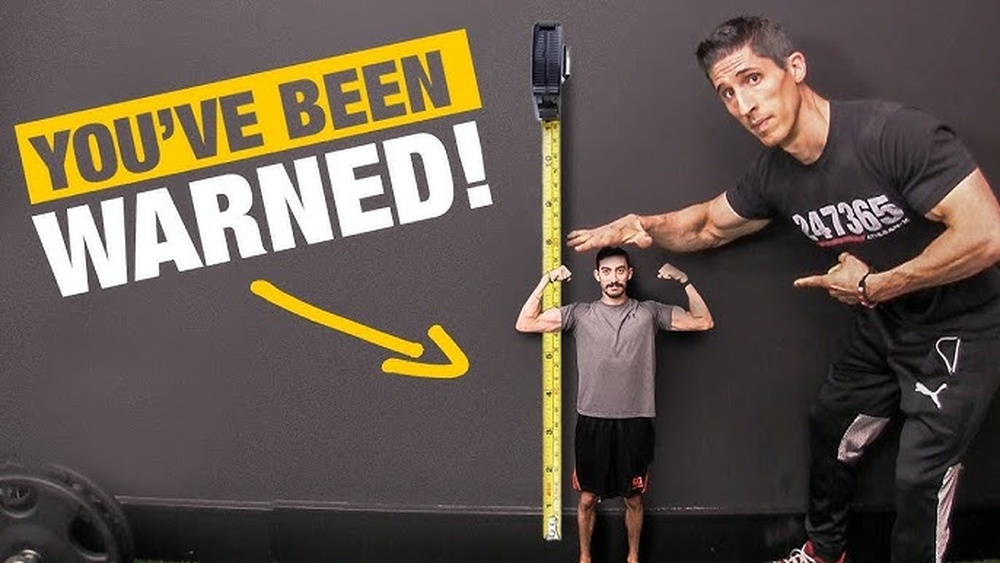
How heavy are the dumbbells you lift? This simple question can reveal a lot about your strength, progress, and workout strategy.
Whether you’re just starting out or have been training for years, knowing the right weight to challenge your muscles without risking injury is key. In this episode, we dive deep into what your dumbbell weight says about your fitness level and how to choose the perfect load to boost your gains.
Ready to lift smarter and see better results? Keep reading to discover tips that can transform your workouts.

Credit: www.youtube.com
Choosing Dumbbell Weight
Choosing the right dumbbell weight is important for a safe and effective workout. The weight should challenge your muscles without causing injury. Picking weights that are too heavy or too light can slow progress. Understanding how to select the right dumbbells helps improve strength and endurance steadily.
Several factors influence the best dumbbell weight for you. Your current fitness level, workout goals, and the type of exercises you do all matter. This guide breaks down these points to help you make a smart choice.
Factors To Consider
Start by thinking about your experience with weights. Consider any injuries or physical limits you have. The dumbbell weight should allow you to perform exercises with good form. Choose weights that let you complete your sets without pain or strain.
Also, think about how many repetitions you want to do. Lighter weights are better for higher reps and endurance. Heavier weights suit fewer reps and muscle building. Your strength and stamina will guide your choice.
Assessing Your Fitness Level
Begin with a weight that feels comfortable. Test different weights to find one that tires your muscles by the last rep. Avoid weights that cause shaking or poor form. Regularly check your progress and increase weight slowly.
Beginners should start with lighter dumbbells to learn proper technique. More experienced lifters can use heavier weights to push muscles harder. Listen to your body and adjust as needed for safety and growth.
Goals And Training Types
Your workout goals shape your dumbbell weight choice. For muscle tone and endurance, choose lighter weights with more reps. For muscle size and strength, pick heavier weights with fewer reps. Different training styles need different weights.
Strength training requires heavier dumbbells to challenge muscles. Circuit training may use lighter weights for faster movement. Balance your weight choice with your workout plan to get the best results.
Credit: dumbbell-nan-kilo-moteru.fandom.com
Weight Recommendations By Exercise
Choosing the right dumbbell weight matters for each exercise. It helps you build strength safely and avoid injuries. Different exercises need different weights. This guide breaks down weight choices by workout type.
Upper Body Workouts
Start with lighter weights for shoulder presses or bicep curls. This helps control your movements well. For chest presses, choose a weight you can lift 8 to 12 times. Avoid weights that cause pain or poor form. Increase weight slowly as you get stronger.
Lower Body Workouts
Leg exercises need heavier dumbbells since legs are stronger. Squats and lunges often require weights you can lift 10 to 15 times. Use a weight that challenges you but keeps your balance steady. Start light to learn the correct form before adding weight.
Full-body Routines
Full-body workouts use medium weights to cover many muscles. Choose dumbbells you can lift 10 to 12 times per set. Focus on steady control and breathing during each move. Adjust weights based on your energy and fatigue levels.
Progressive Overload Techniques
Progressive overload is the key to building strength and muscle. It means gradually increasing the stress on your muscles. This helps your body adapt and grow stronger over time. Using dumbbells, there are several ways to apply progressive overload. You can lift heavier weights, do more reps, or increase sets. Small, steady changes lead to big results.
When To Increase Weight
Increase your dumbbell weight when exercises feel easy. If you can do your reps with good form and little effort, it is time to add weight. A good rule is to increase weight by 5% to 10%. Avoid jumping to heavy weights too fast. This can cause injury and slow progress.
Tracking Your Progress
Keep a record of your workouts. Write down the weight, reps, and sets you complete. Tracking helps you see patterns and improvements. It motivates you to keep pushing. Use a notebook, app, or spreadsheet. Check your progress every week to decide if you need to increase weight.
Avoiding Plateaus
Plateaus happen when your progress stops. Your muscles get used to the same workout. To avoid plateaus, change your routine regularly. Try different exercises or adjust reps and sets. Adding variety keeps your muscles challenged. This helps you continue to grow stronger.
Common Mistakes With Dumbbell Weights
Choosing the right dumbbell weight is key for progress and safety. Many people make mistakes that slow down results or cause injury. Knowing common errors helps you pick the best weight for your workout. Avoid these pitfalls to improve your strength training.
Lifting Too Heavy
Picking weights that are too heavy can cause injury. Your muscles may strain or joints suffer. It also makes you use bad form to lift the weight. This lowers workout quality and raises injury risk. Start with manageable weights and increase slowly.
Using Too Light Weights
Using weights that are too light limits muscle growth. Your body adapts quickly and stops getting stronger. You may feel bored or unchallenged in workouts. Choose weights that make muscles work but do not cause pain. Change weights as you get stronger.
Compromising Form
Bad form happens when weights are too heavy or you rush. Poor form reduces workout benefits and risks injury. It can cause muscle imbalance or joint pain. Focus on correct movement with controlled speed. Quality beats quantity every time.
Safety Tips For Dumbbell Training
Safety is key when training with dumbbells. Proper safety helps avoid injuries and keeps your workouts effective. Following basic safety tips improves your strength and confidence. Dumbbell training requires focus on form and control. Never rush through exercises or lift weights beyond your ability.
Warm-up Essentials
Start every session with a warm-up. Light cardio, like walking or jogging, raises your heart rate. Follow with dynamic stretches for your arms and shoulders. Warm muscles reduce injury risks and improve performance. Spend at least 5 to 10 minutes warming up.
Proper Grip And Posture
Hold dumbbells firmly but not too tight. A loose grip increases the chance of dropping weights. Keep your wrists straight to avoid strain. Maintain a straight back and engage your core. Good posture protects your spine and targets muscles better. Stop and adjust if your form feels off.
Spotting And Equipment
Use a spotter for heavy or new exercises. A spotter helps control the weight and prevents accidents. Check your equipment before starting. Dumbbells should be secure, with no loose parts. Use a flat, stable surface for your workout. Clear space around you to avoid tripping hazards.
Customizing Your Dumbbell Routine
Customizing your dumbbell routine helps you make steady progress. It matches your current strength and fitness goals. Personalizing workouts keeps you motivated and reduces injury risk. Each level—beginner, intermediate, and advanced—needs a different plan.
Choosing the right exercises and weights fits your body’s needs. It helps build strength safely and effectively. Change your routine as you get stronger to keep improving.
Beginner Plans
Start with light dumbbells to learn proper form. Focus on basic moves like bicep curls and shoulder presses. Use slow, controlled motions to avoid injuries. Aim for 2-3 sets of 10-12 reps. Rest between sets to recover well. Consistency is key to build a strong foundation.
Intermediate Challenges
Increase weight slightly to challenge your muscles more. Add new exercises like lunges and bent-over rows. Try supersets or circuits to boost intensity and burn fat. Perform 3-4 sets with 8-10 reps each. Shorten rest periods to keep your heart rate up. Track progress to adjust weights properly.
Advanced Strength Training
Use heavier dumbbells to push your limits. Incorporate compound movements like dumbbell thrusters and renegade rows. Focus on low reps, around 4-6, with 4-5 sets. Add tempo changes or pauses for more muscle tension. Include rest days to help muscles recover fully. Challenge yourself but listen to your body’s signals.
Credit: dumbbell-nan-kilo-moteru.fandom.com
Frequently Asked Questions
How Heavy Should Dumbbells Be For Beginners?
Beginners should start with light dumbbells, typically 5-10 pounds. This helps build strength safely and avoids injury. Gradually increase weight as you gain confidence and muscle endurance.
What Factors Determine Dumbbell Weight For Lifting?
Dumbbell weight depends on your fitness level, goals, and exercise type. Consider strength, experience, and muscle group targeted for optimal results.
How To Know If Dumbbell Weight Is Too Heavy?
If you can’t complete 8-12 reps with good form, the weight is too heavy. Avoid strain or pain to prevent injury.
Why Does Dumbbell Weight Matter In Strength Training?
Choosing the right weight maximizes muscle growth and strength gains. It ensures effective workouts while reducing injury risk.
Conclusion
Choosing the right dumbbell weight matters for your progress. Start light, focus on form, then add weight slowly. Listen to your body and avoid pushing too hard. Consistency beats lifting heavy too fast. Track your strength and celebrate small wins.
Keep your workouts safe and steady. This helps you build muscle and stay injury-free. Remember, progress is a journey, not a race. Stay patient and enjoy each step forward.