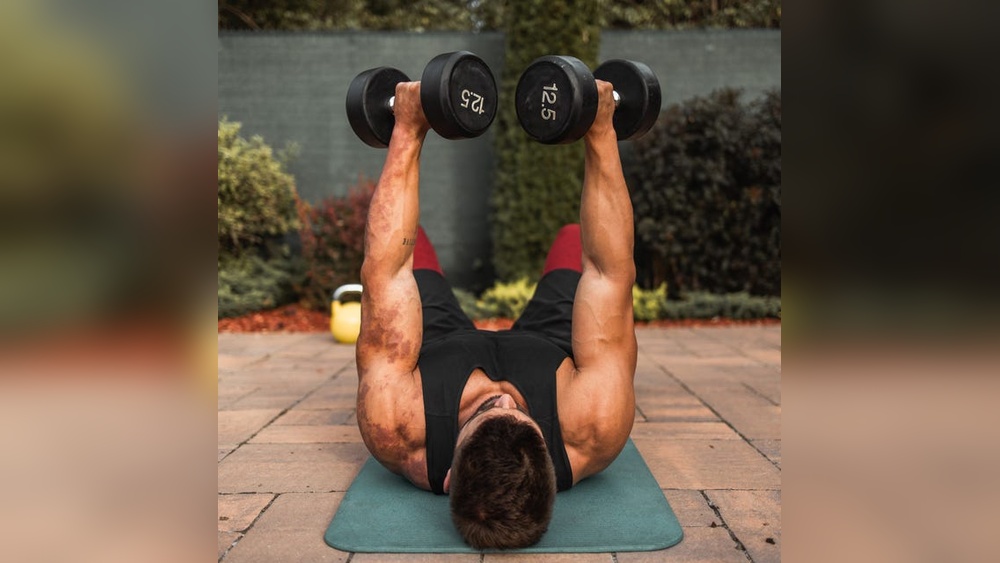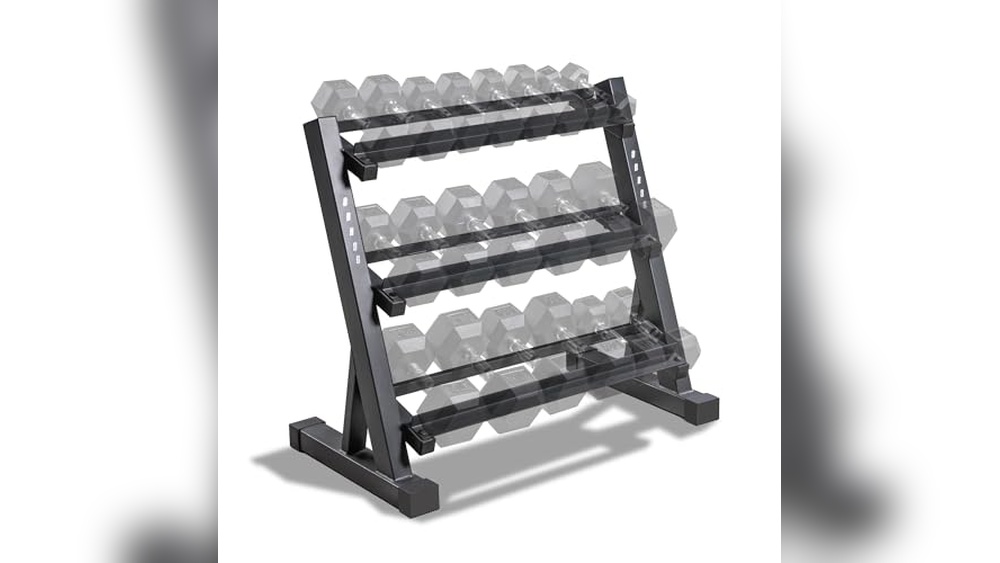
Have you ever wondered exactly how heavy the dumbbells you lift really are? Whether you’re just starting out or have been training for a while, knowing the right weight can make all the difference in your progress and safety.
You’ll discover clear answers and useful tips that will help you choose the perfect dumbbell weight for your workouts. Ready to lift smarter and see better results? Keep reading to find out everything you need to know!
Dumbbell Weight Basics
Dumbbell weight is a key part of strength training. Choosing the right weight helps improve your workout safely. Understanding dumbbell weight basics makes it easier to pick the right size. This guide explains common dumbbell sizes and how their weight is measured.
Common Dumbbell Sizes
Dumbbells come in many sizes for different fitness levels. Beginners often start with light weights like 2 to 5 pounds. Intermediate users may use 10 to 25 pounds. Advanced lifters can handle 30 pounds or more. Some dumbbells are adjustable to fit your strength growth. Knowing common sizes helps find the right dumbbell for your needs.
Weight Measurement Units
Dumbbell weight is usually shown in pounds or kilograms. Pounds (lbs) are common in the United States. Kilograms (kg) are used in most other countries. 1 kilogram equals about 2.2 pounds. Some dumbbells list both units for clarity. Check the weight unit before buying or using dumbbells. This avoids confusion and helps track progress better.
Choosing The Right Weight
Choosing the right dumbbell weight is important for safe and effective workouts. Picking weights that are too heavy can cause injury. Too light weights may not build strength well. Finding the right balance helps improve muscle and avoid strain. This guide explains how to select the best weight for your fitness level.
Factors Affecting Weight Selection
Your strength and fitness goals affect the weight you pick. Muscle size, experience, and exercise type matter too. Some exercises need lighter weights for control. Others require heavier weights for strength. Age and any health issues also influence your choice. Listen to your body’s signals during workouts.
Beginner Weight Recommendations
Start with light weights to learn correct form. Women may begin with 3 to 5 pounds dumbbells. Men might start with 5 to 10 pounds. Use weights that feel easy for 12 to 15 repetitions. Stop before muscles feel too tired or shaky. This prevents injury and builds confidence.
Adjusting Weight For Progression
Increase weight gradually as you get stronger. Add 2 to 5 pounds when exercises feel easy. Keep good form even with heavier weights. Avoid lifting too much too soon. Progress slowly to build strength safely. Track your progress to know when to increase weight.
Strength Levels And Weight Ranges
Strength levels and weight ranges play a big role in your dumbbell workout. Choosing the right weight affects your results. Different weights help you reach different fitness goals. It is important to know which weights fit your strength level.
Strength levels vary from beginner to advanced lifters. Lightweights work well for endurance and beginners. Moderate weights help tone muscles. Heavyweights build muscle size and strength. Let’s explore these categories and weight ranges.
Lightweights For Endurance
Lightweights usually range from 1 to 10 pounds. These weights improve muscle endurance and stamina. Use light dumbbells for many repetitions. This trains your muscles to last longer. It’s great for beginners or those recovering from injury. Lightweights also help improve coordination and form.
Moderate Weights For Toning
Moderate weights range from 10 to 30 pounds. These weights focus on muscle toning and shaping. Use moderate dumbbells for 8 to 15 repetitions per set. This range builds lean muscle and strength. It helps burn fat and improve muscle definition. Moderate weights suit people with some lifting experience.
Heavyweights For Muscle Growth
Heavyweights start at 30 pounds and go up. These weights promote muscle growth and power. Use heavy dumbbells with fewer repetitions, around 4 to 8 per set. Heavyweights challenge your muscles to grow bigger. This range fits advanced lifters and strength trainers. It helps increase overall muscle mass and strength.

Credit: dumbbell-nan-kilo-moteru.fandom.com
Tracking Your Lifting Progress
Tracking your lifting progress is key to getting stronger with dumbbells. It shows how much you improve over time. You stay motivated and avoid hitting a plateau. Recording your workouts helps you plan your next sessions well.
Recording Weights And Reps
Write down the weight of each dumbbell you use. Note the number of reps you complete for each set. This simple habit shows your strength gains clearly. It also helps spot days when you perform better or worse. Use a notebook or a phone app to track every workout.
Setting Realistic Goals
Choose goals that match your current strength level. Small, clear targets keep you focused and motivated. For example, increase the weight by 2 pounds every two weeks. Or add one more rep each session. Realistic goals prevent frustration and reduce injury risk.
Safety Tips For Lifting Dumbbells
Lifting dumbbells can boost strength and improve fitness. Safety is key to avoid injuries and keep training steady. Following basic safety tips helps protect your muscles and joints. Focus on form, technique, and awareness while lifting. This section explains important safety tips for dumbbell exercises.
Proper Form And Technique
Good form prevents injuries and makes workouts effective. Start with a light weight to learn the correct movements. Keep your back straight and core tight during lifts. Move slowly and control the dumbbells at all times. Avoid using momentum to lift; rely on muscle strength. Breathing matters: exhale as you lift, inhale as you lower. Stop if you feel pain or discomfort. Practicing proper form builds strength safely over time.
Avoiding Common Injuries
Common injuries include strains, sprains, and joint pain. Warm up with light cardio and stretching before lifting. Do not lift weights that feel too heavy or awkward. Use a spotter or trainer if trying new exercises. Rest between sets to prevent muscle fatigue. Keep wrists and elbows aligned to avoid stress. Stop exercising if you feel sharp or sudden pain. Consistent care reduces injury risk and supports steady progress.
Adjustable Vs Fixed Dumbbells
Dumbbells come in two main types: adjustable and fixed. Each type has unique features that affect your workout. Choosing the right dumbbell depends on your space, budget, and workout style.
Adjustable dumbbells let you change the weight by adding or removing plates. Fixed dumbbells have a set weight and cannot be changed. Both types help build strength but serve different needs.
Pros And Cons Of Adjustable Sets
Adjustable dumbbells save space. One set replaces many fixed dumbbells. They cost less than buying many fixed pairs. Changing weight is quick, good for mixed workouts.
Drawbacks include a complex locking system. It may break or wear out with time. Adjusting weight can interrupt your workout flow. Some find them less sturdy than fixed dumbbells.
Choosing Fixed Dumbbells
Fixed dumbbells offer simplicity and durability. They are ready to use without adjustments. Ideal for fast-paced workouts or heavy lifting. Usually more comfortable to hold and use.
They take up more space and cost more if you want many weights. Not flexible for changing workout needs. Best for those who use a few weight levels often.
Incorporating Dumbbells Into Workouts
Dumbbells are a great tool for workouts. They fit all levels of strength and fitness. Using dumbbells helps build muscle and improve balance. They also make exercises more varied and fun. You can easily adjust the weight to match your needs. This flexibility allows steady progress without risk of injury.
Incorporating dumbbells into workouts lets you target many muscles. You can do full-body exercises or focus on specific areas. Dumbbells add resistance, which makes muscles work harder. This leads to better strength and endurance. Regular use helps tone your body and improve posture.
Full Body Dumbbell Exercises
Full body exercises work many muscles at once. Dumbbell squats, deadlifts, and presses are good examples. These moves engage legs, arms, and core together. Doing full body workouts saves time and burns more calories. They improve coordination and overall fitness. Use a weight that challenges you but feels safe.
Targeted Muscle Group Workouts
Dumbbells also help focus on one muscle group at a time. You can do bicep curls, tricep kickbacks, or shoulder raises. These exercises build strength in specific areas. Targeted workouts improve muscle shape and size. They are perfect for fixing weak spots or imbalances. Choose dumbbell weights that allow good form and control.

Credit: en.wikipedia.org
When To Increase Dumbbell Weight
Knowing when to increase dumbbell weight is key for steady progress. Lifting the same weight for too long slows muscle growth. Changing the weight at the right time pushes your strength further. This keeps workouts challenging and effective.
Signs You’re Ready To Progress
Your current weight feels easy during sets. You can complete all reps without much effort. You do not feel muscle fatigue after workouts. Your form stays perfect without strain or shaking. You finish sets quickly and want more challenge. These signs mean your muscles are ready for more.
How To Safely Increase Weight
Increase dumbbell weight in small steps to avoid injury. Add 2.5 to 5 pounds at a time. Keep proper form during every rep. Use slow and controlled movements. Stop if you feel pain or discomfort. Give your muscles time to adjust before adding more weight. Rest and recovery remain important as you increase strength.

Credit: dumbbell-nan-kilo-moteru.fandom.com
Frequently Asked Questions
What Is The Average Weight Of Dumbbells For Beginners?
Beginners typically start with dumbbells weighing between 5 to 15 pounds. This range helps build strength without risking injury. Gradually increasing weight improves muscle growth and endurance effectively.
How To Choose The Right Dumbbell Weight For Lifting?
Select dumbbell weight based on your fitness level and exercise type. Choose a weight that challenges muscles but allows proper form. Start light and increase weight as strength improves to avoid strain.
Why Does Dumbbell Weight Matter In Strength Training?
Dumbbell weight impacts workout intensity and muscle development. Using correct weight ensures effective muscle stimulation and prevents injury. Proper weight selection balances challenge and control for optimal results.
How Do Dumbbell Weights Affect Workout Progress?
Increasing dumbbell weight boosts muscle strength and size over time. Progressive overload is essential for continuous improvement. Using weights too heavy or light can hinder progress and cause injury.
Conclusion
Choosing the right dumbbell weight helps improve strength safely. Start light and increase weight step by step. Listen to your body to avoid injury. Consistent practice builds muscle and boosts confidence. Track progress to see how much you lift over time.
Stay patient; results come with regular effort. Keep your workouts simple and enjoyable. Remember, lifting weights is about your health, not just numbers.