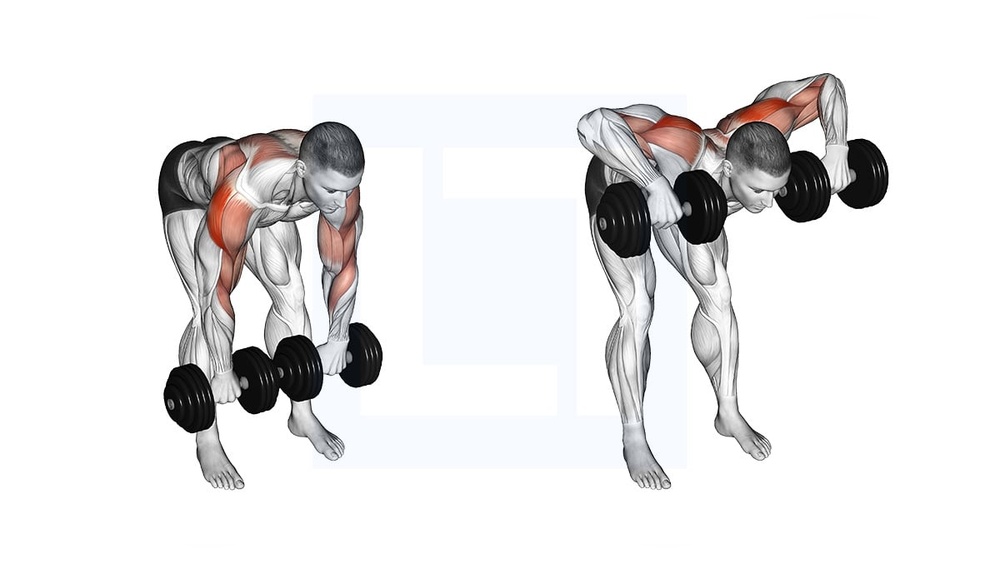
Choosing the right dumbbell weight can feel confusing. If your dumbbells are too light, you might not see progress.
If they’re too heavy, you risk injury or burnout. So, how heavy do dumbbells need to be for your workouts to be effective and safe? This guide will help you find the perfect weight that matches your strength, goals, and fitness level.
Keep reading, and you’ll discover simple tips to make every rep count and get the results you want faster.
Choosing Dumbbell Weight
Choosing the right dumbbell weight is key for effective workouts. The correct weight helps build strength without causing injury. It also keeps exercises challenging but doable. Understanding how to pick the right weight will improve your progress and keep you motivated.
Factors Influencing Weight Selection
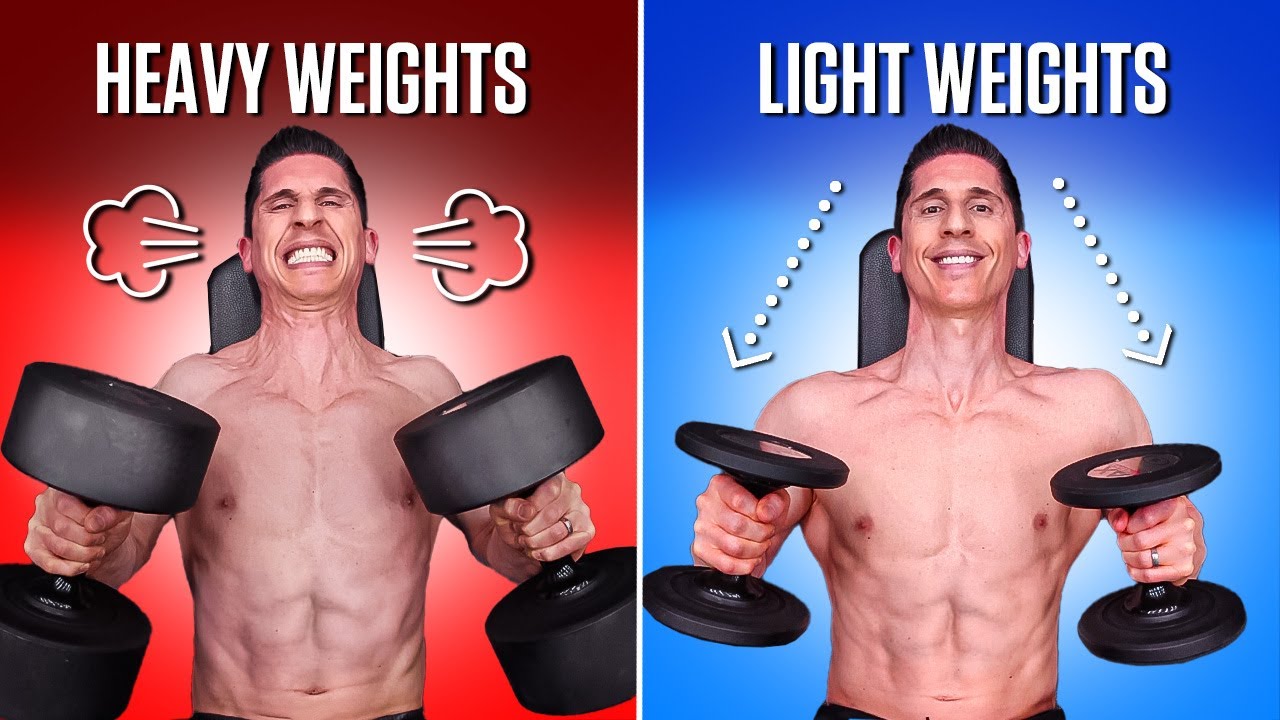
Your fitness level plays a big role in choosing dumbbell weight. Stronger individuals can handle heavier weights safely. Your workout goals matter too. For muscle building, heavier weights with fewer reps work well. For endurance, lighter weights with more reps are better. The type of exercise also affects weight choice. Some moves need lighter weights to maintain good form. Others allow heavier weights for more resistance.
Starting Weight For Beginners
Beginners should start with light dumbbells. This helps learn correct form and avoid injury. Women may start with 3 to 5 pounds. Men might use 5 to 10 pounds. Choose a weight that feels easy but not too light. You should complete 12 to 15 reps without struggling. Focus on control and steady movement first.
Adjusting Weight For Progress
Increase dumbbell weight as you get stronger. When 15 reps feel easy, add more weight. Small increases, like 2 to 5 pounds, work well. Avoid big jumps that cause poor form. Track your progress and adjust often. Changing weights keeps your muscles challenged and growing. This steady increase improves strength safely over time.
Credit: www.youtube.com
Strength Goals And Weight
Choosing the right dumbbell weight depends on your strength goals. Different goals need different weights. The weight you pick affects how your muscles respond. Proper weight helps you train well and avoid injury. Let’s explore how strength goals relate to dumbbell weight.
Building Muscle Mass
To build muscle, use heavier dumbbells. Choose a weight that tires your muscles in 8 to 12 reps. This range helps muscles grow stronger and bigger. If the weight is too light, muscles won’t get enough challenge. Too heavy, and form may break. Find a weight that pushes you but allows good form.
Increasing Endurance
For muscle endurance, pick lighter dumbbells. Aim to do 15 to 20 reps or more. This trains muscles to work longer without getting tired. Light weights help improve stamina and control. Avoid weights that cause early fatigue. Focus on steady, smooth movements to build endurance.
Enhancing Power
Power training needs moderate to heavy dumbbells. Use weights that let you do 3 to 6 fast reps. This boosts your ability to generate force quickly. Power exercises need speed and strength together. Weights too heavy slow you down. Moderate weight with explosive moves works best.
Repetition Ranges And Weight
Choosing the right dumbbell weight depends on your workout goals. Repetition ranges play a key role in deciding how heavy your dumbbells should be. Different rep counts target strength, muscle size, or endurance. Understanding these ranges helps you pick the best weight for your needs.
Low Reps For Strength
Low reps mean lifting heavy dumbbells. Usually, 1 to 5 reps per set focus on building strength. The weight should be heavy enough to make muscles work hard. You must feel challenged by the last rep. Rest between sets should be longer to recover.
Moderate Reps For Hypertrophy
Moderate reps range from 6 to 12. This range helps grow muscle size, called hypertrophy. Choose a weight that tires your muscles by the last few reps. The dumbbells should be neither too light nor too heavy. Keep your form correct to avoid injury.
High Reps For Endurance
High reps mean 12 or more per set. Use lighter dumbbells for endurance training. This helps muscles work longer without getting too tired. The weight should allow you to finish all reps with good control. Short rest times keep your heart rate up.
Safety Tips For Dumbbell Training
Safety is key in dumbbell training. Using the right weight is important, but so is how you train. Careful habits protect your body and help you avoid injury. Follow these safety tips to train smart and stay strong.
Proper Form And Technique
Good form keeps your body safe during exercises. Hold the dumbbells firmly. Move slowly and control every motion. Avoid swinging or jerking the weights. Keep your back straight and core tight. Stop if you feel pain or discomfort. Practice in front of a mirror to check your posture.
Avoiding Overtraining
Rest days help your muscles recover. Do not lift too heavy too soon. Start with light weights and increase gradually. Train different muscle groups on different days. Listen to your body and stop if tired. Overtraining can cause soreness, weakness, or injury. Balance effort and rest for steady progress.
Warm-up And Cool-down
Warm-up prepares your muscles for lifting. Do light cardio or stretching for 5-10 minutes. Warm muscles reduce the risk of injury. After training, cool down with gentle stretches. This helps reduce muscle stiffness and soreness. A proper warm-up and cool-down improve overall performance.
Progressive Overload Strategies
Progressive overload is key to building strength and muscle with dumbbells. It means gradually making your workouts harder. This helps your muscles grow and avoid plateaus. You can increase the challenge by changing weight, reps, or sets over time. Here are some simple strategies to apply progressive overload effectively.
Incremental Weight Increases
Small jumps in dumbbell weight help your muscles adapt safely. Choose weights that are just a bit heavier than your current load. This steady rise encourages growth without causing injury. Try adding 1 to 2 pounds every week or two. Consistency beats big jumps that can lead to strain.
Tracking Your Progress
Write down your weights, reps, and sets each session. This record shows your improvements clearly. It helps you plan the next step in your workout. Tracking keeps you motivated and focused on goals. Use a notebook or an app to keep it simple.
Mixing Rep Schemes
Change the number of repetitions to challenge muscles differently. Lower reps with heavier weights build strength. Higher reps with lighter weights improve endurance. Switch between these to avoid boredom and keep muscles guessing. Varying reps also helps you find the best routine for your body.
Credit: learn.athleanx.com
Choosing Dumbbells For Different Exercises
Choosing the right dumbbells matters for each exercise. The weight affects your form, strength gain, and safety. Different exercises need different weights to get the best results. Picking the right weight helps you build muscle without injury.
Upper Body Lifts
Upper body exercises target arms, shoulders, and chest. Use lighter weights for exercises like bicep curls or shoulder raises. Start with a weight you can lift 10-15 times without pain. Increase weight as your muscles get stronger. Too heavy weights can cause bad form and injury.
Lower Body Movements
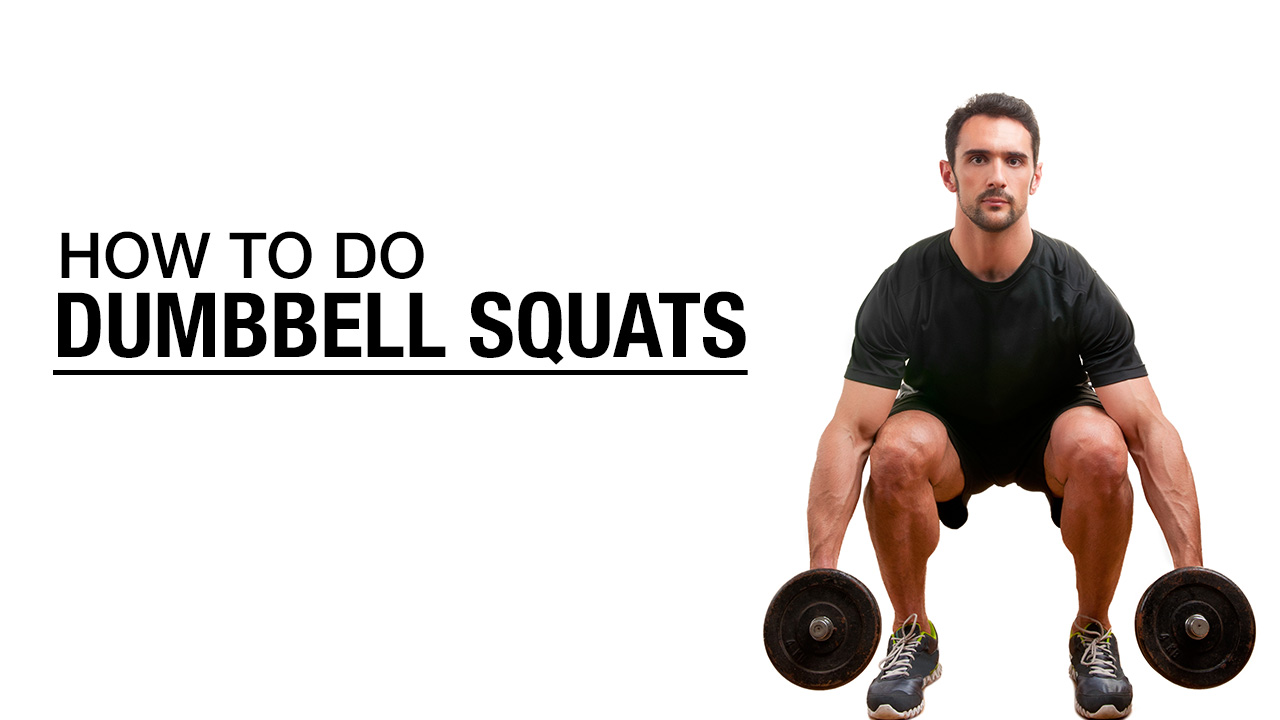
Legs and glutes need heavier weights than arms. Squats, lunges, and deadlifts work well with medium to heavy dumbbells. Choose weights that challenge you but allow proper technique. You should feel tired after 8-12 reps. Use heavier weights as strength improves.
Core Strengthening
Core exercises focus on abs and lower back. Use light to medium dumbbells for moves like Russian twists or weighted sit-ups. The goal is control, not heavy lifting. Pick a weight you can move smoothly for 12-20 reps. Too much weight can cause strain.
Common Mistakes With Dumbbell Weight
Choosing the right dumbbell weight is key for good workouts. Many people make mistakes that slow their progress or cause injury. Avoiding these common errors helps you get stronger safely and faster.
Using Too Heavy Weights
Picking dumbbells that are too heavy is a common problem. It can cause poor form and increase injury risk. Heavy weights make your muscles tired too fast. This stops you from doing exercises correctly. Start with lighter weights and increase slowly.
Sticking To The Same Weight
Using the same dumbbells all the time limits your muscle growth. Your muscles get used to the weight and stop improving. To build strength, increase weight step by step. Change your dumbbell weight regularly to keep challenging your muscles.
Ignoring Muscle Fatigue
Muscle fatigue is a sign you are working hard. Ignoring this feeling can lead to overtraining or injury. Stop or lower weight when your muscles feel too tired. Rest is important for muscle recovery and growth.
Credit: www.youtube.com
Frequently Asked Questions
How Heavy Should Beginner Dumbbells Be?
Beginner dumbbells typically range from 3 to 8 pounds. Start light to focus on form and avoid injury. Gradually increase weight as strength improves to build muscle safely and effectively.
What Dumbbell Weight Suits Muscle Building?
For muscle building, choose weights that allow 8-12 reps per set with difficulty. Usually, 15 to 30 pounds works well. Adjust weight based on your strength level and workout type for optimal growth.
How To Choose Dumbbell Weight For Endurance?
Select lighter dumbbells, around 5 to 15 pounds, for endurance training. Use higher reps (15-20) with less rest. This boosts muscle stamina and cardiovascular fitness without overloading muscles.
Can Dumbbells Be Too Heavy For Workouts?
Yes, dumbbells can be too heavy if form breaks down or pain occurs. Choose weights that challenge you but allow controlled, smooth movements. Avoid injury by progressing gradually.
Conclusion
Choosing the right dumbbell weight depends on your strength and goals. Start with lighter weights to learn proper form. Increase weight as your muscles get stronger. Too heavy can cause injury. Too light may not give enough challenge. Find a balance that feels right for you.
Stay consistent and listen to your body. This helps build strength safely and effectively. Keep adjusting weights as you progress. Remember, steady effort leads to better results over time.