Choosing the right weight for your dumbbells can feel confusing. You want to challenge your muscles without risking injury.
But how heavy should your dumbbells really be? Picking the wrong weight can slow your progress or even cause frustration. You’ll discover simple tips to find the perfect dumbbell weight for your strength and goals. Keep reading to make sure every workout counts and you get the results you want faster.
Credit: trugrit-fitness.com
Choosing The Right Weight
Choosing the right dumbbell weight is key to safe and effective workouts. The right weight helps build strength without causing injury. It also keeps you motivated by matching your fitness level.
Many factors affect which weight fits you best. Your current strength, exercise type, and goals all matter. Starting with the correct weight sets a good foundation.
Factors To Consider
Think about your fitness level first. Beginners need lighter weights to avoid strain. Also, consider your exercise goals. Building muscle needs heavier weights, while toning calls for lighter ones.
Your body size and any injuries matter too. Small or injured people should pick lighter dumbbells. The type of exercise affects weight choice. Some moves use smaller muscles that need lighter weights.
Starting Point For Beginners
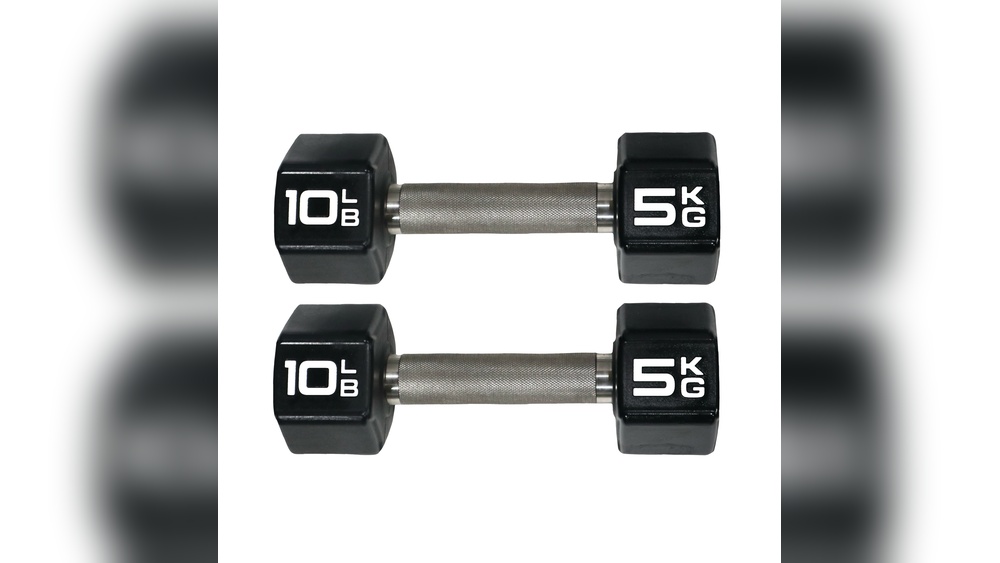
Start with light dumbbells. Usually, 3 to 5 pounds works well for most beginners. Try lifting the weight for 12 to 15 reps. If you feel too much strain, go lighter.
You should feel some effort but still control the weight. It’s better to start too light than too heavy. Focus on learning the right form before increasing weight.
Adjusting Weight Over Time
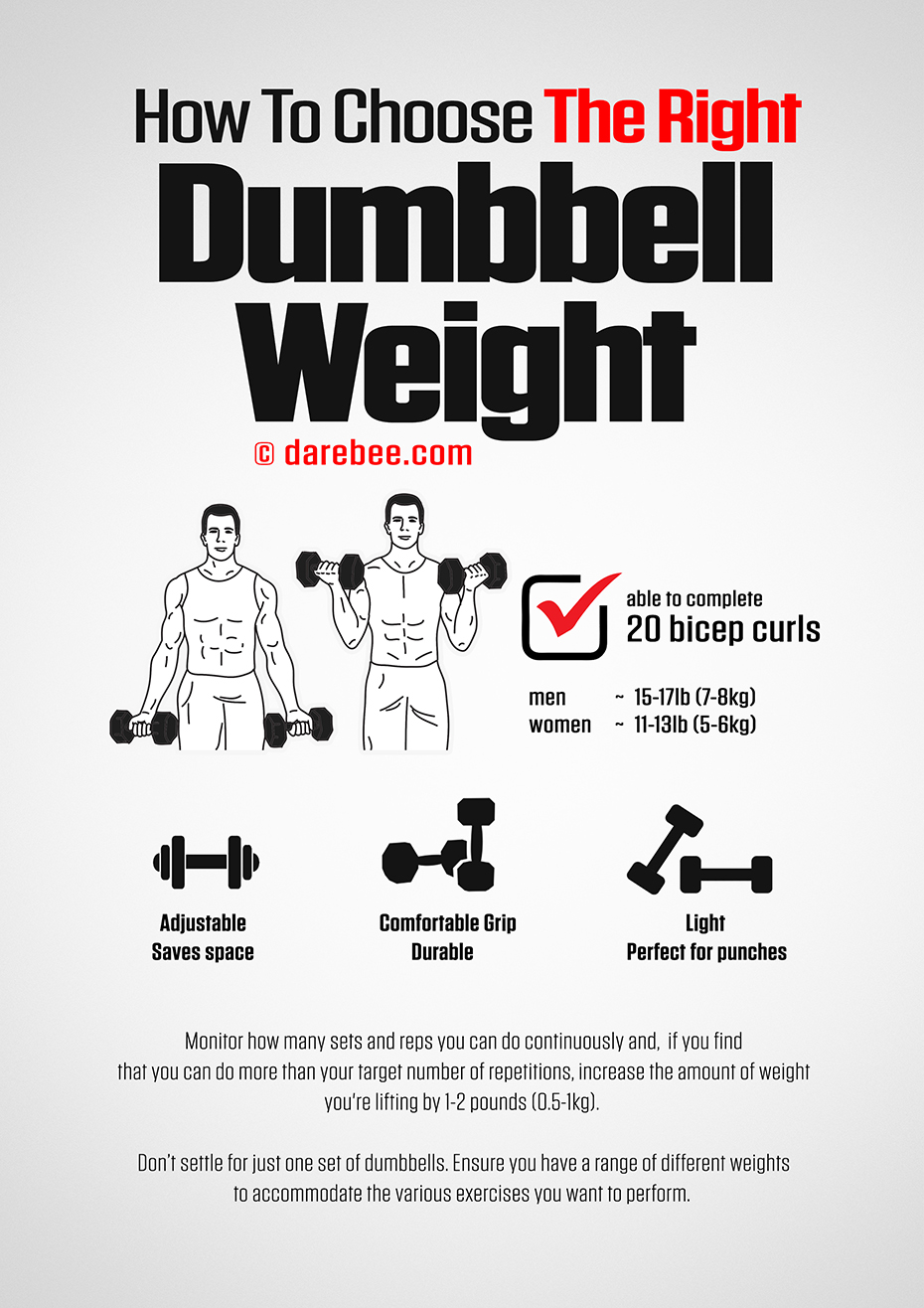
As you get stronger, increase your dumbbell weight slowly. Add 1 to 2 pounds at a time. This helps your muscles grow without injury risk.
Check your progress every few weeks. If 15 reps feel easy, it’s time to move up. Keep challenging your muscles to improve strength.
Strength Levels And Dumbbell Weight
Choosing the right dumbbell weight depends on your strength level. Picking weights that fit your current ability helps you train safely and effectively. Using dumbbells that are too heavy can cause injury. Weights that are too light may not improve your strength. Understanding your strength level guides your choice of dumbbell weight.
Estimating Your Current Strength
Test your strength with basic exercises like bicep curls or shoulder presses. Use light dumbbells at first. Try to do 8 to 12 repetitions with good form. If you finish easily, the weight is too light. If you cannot complete 8 reps, the weight is too heavy. Your ideal dumbbell weight is the one that challenges muscles without pain.
Weight Recommendations By Experience
Beginners should start with 5 to 10 pounds dumbbells. This range builds strength without strain. Intermediate lifters can use 10 to 20 pounds. This weight increases muscle tone and endurance. Advanced users may choose 20 pounds or more. Their muscles are stronger and need more resistance. Adjust the weight as you get stronger to keep improving.
Avoiding Common Mistakes
Do not pick dumbbells based only on what looks heavy. Avoid weights you cannot control for many reps. Do not rush to heavier weights too quickly. Focus on form and control first. Changing weights too often can slow progress. Steady, consistent training helps build true strength safely.
Types Of Exercises And Weight Selection
Choosing the right dumbbell weight depends on the type of exercise. Different exercises need different weights. Understanding this helps you train better and avoid injury. Let’s explore how exercise types affect weight choice.
Compound Vs Isolation Movements
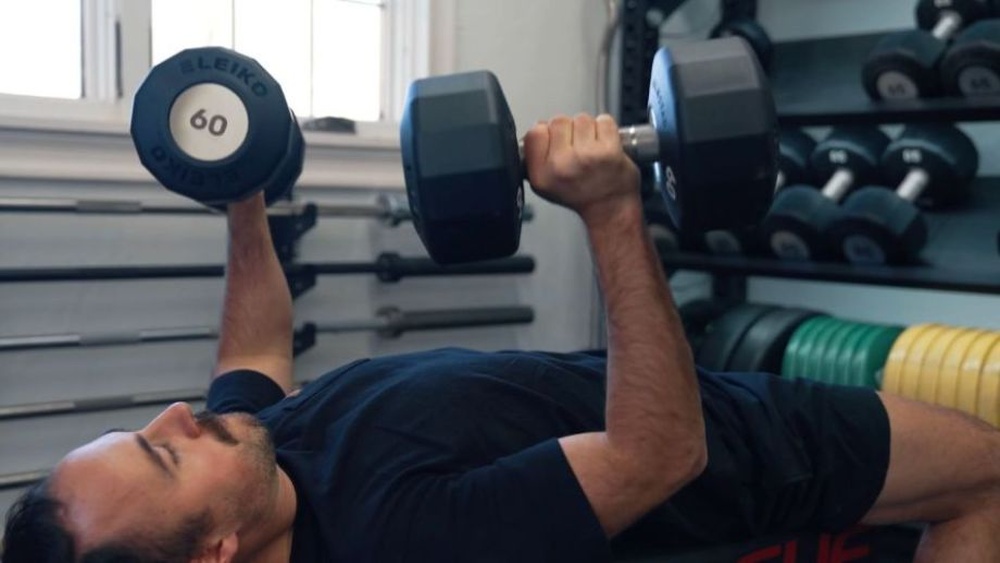
Compound movements use several muscle groups at once. Examples include squats and bench presses. These exercises allow heavier weights because more muscles share the load.
Isolation movements target one muscle group. Examples are bicep curls and tricep extensions. Use lighter weights here to focus on muscle control and form.
Weight Variation For Different Muscle Groups
Large muscles like legs and back handle heavier weights. Smaller muscles such as shoulders and arms need lighter weights. Choosing weight based on muscle size prevents strain and improves growth.
Balancing Strength And Safety
Pick a weight that challenges you but feels safe. Avoid weights that cause pain or poor form. Progress slowly to build strength without injury.
Using proper weight helps keep workouts effective and injury-free. Listen to your body and adjust weights as needed.
Progressive Overload Strategies
Progressive overload is key to building strength with dumbbells. It means gradually increasing the challenge to your muscles. This helps muscles grow and avoid plateaus. Using smart strategies ensures steady progress and reduces injury risk.
When To Increase Dumbbell Weight
Raise the dumbbell weight when exercises feel easier. You should complete your sets without losing form. If you can do more reps than your goal, it’s time. Small weight jumps help keep control and safety. Avoid increasing weight too fast to prevent injury.
Tracking Your Progress
Keep a workout journal or app to track weights and reps. Write down how much you lift each session. Note changes in strength and fatigue levels. Tracking helps you see patterns and plan increases. This makes your training clear and focused.
Incorporating Volume And Intensity
Volume means total work done, like sets and reps. Intensity refers to the weight you lift. Change volume or intensity to keep muscles challenged. For example, add more reps or increase weight. Mixing both helps avoid plateaus and boosts gains.
Dumbbell Weight For Specific Goals
Choosing the right dumbbell weight depends on your fitness goals. Different goals require different weights to get the best results. Picking the right weight helps you train smarter and avoid injury.
Building Muscle Mass
Choose heavier dumbbells that challenge your muscles. Use weights you can lift 6 to 12 times per set. If the last reps feel very hard, the weight is right. This helps muscles grow stronger and bigger.
Improving Endurance
Pick lighter dumbbells for many repetitions. Aim for 15 to 20 reps or more in each set. The weight should tire your muscles after many reps, not quickly. This improves muscle stamina and keeps you active longer.
Enhancing Power
Use moderate to heavy dumbbells for fast, explosive movements. Focus on lifting weights quickly with good form. The weight should be heavy enough to feel strong but not slow you down. This builds speed and strength together.
Safety Tips For Using Heavy Dumbbells
Using heavy dumbbells can boost strength and muscle growth. Safety is the key to avoid injuries and stay consistent. Follow these simple safety tips to protect your body and improve your workouts.
Proper Form And Technique
Always keep your back straight and core tight. Use slow, controlled movements to lift and lower the dumbbells. Avoid swinging or jerking the weights. Focus on the correct posture for each exercise. Proper form reduces stress on joints and muscles.
Preventing Injury
Start with lighter weights to learn the right technique. Increase weight gradually as your strength improves. Listen to your body and stop if you feel pain. Use a spotter when lifting very heavy dumbbells. Rest between sets to let muscles recover.
Warm-up And Cool-down Practices
Warm up with light cardio and dynamic stretches. This prepares your muscles and joints for lifting. After your workout, cool down with gentle stretches. It helps reduce muscle soreness and stiffness. Never skip warm-up or cool-down routines.
Budget And Space Considerations
Choosing the right dumbbell weight depends a lot on your budget and space. Not everyone has a big room or a large budget for gym gear. Smart choices help you save money and keep your workout space neat. Think about how much space you have and how much you want to spend before buying dumbbells.
Selecting Adjustable Dumbbells
Adjustable dumbbells save space and money. One set can replace many fixed weights. You can change the weight easily during workouts. This option fits small rooms well. It also costs less than buying many pairs of dumbbells. Adjustable dumbbells grow with your strength.
Maximizing Home Gym Setup
Use your space smartly for your dumbbells. Keep them in a corner or under a bench. Shelves or racks help keep dumbbells organized. Clear space makes workouts safer and more comfortable. Small spaces need compact equipment. Plan your gym layout before buying dumbbells.
Long-term Investment
Think about your fitness goals and future needs. Buy dumbbells that last and meet your strength progress. Quality dumbbells might cost more but save money over time. Durable equipment needs fewer replacements. Investing in good dumbbells supports consistent workouts.
Credit: darebee.com
Credit: bonytobeastly.com
Frequently Asked Questions
How Do I Choose The Right Dumbbell Weight?
Choose a weight that challenges you but allows proper form. Start light and increase as strength improves. Consider your fitness goals and experience level for the best selection.
What Dumbbell Weight Is Best For Beginners?
Beginners should start with 5-15 pounds. This range helps build strength without risking injury. Adjust weight based on exercise type and comfort during workouts.
How Often Should I Increase Dumbbell Weight?
Increase weight when current weights feel too easy and you complete sets with ease. This usually happens every 2-4 weeks. Gradual increments prevent plateaus and promote muscle growth.
Can Heavy Dumbbells Cause Injury?
Using weights too heavy for your level can cause injury. Always prioritize form over weight. Warm up properly and increase weights gradually to stay safe.
Conclusion
Choosing the right dumbbell weight helps you train safely and effectively. Start with a weight that feels comfortable but still challenges your muscles. Increase the weight slowly as you get stronger. Avoid lifting too heavy too soon to prevent injuries.
Remember, consistency matters more than heavy weights. Keep your workouts regular and enjoy steady progress. Your body will thank you for smart choices. Stay patient and focused on your fitness goals.