Are you wondering how heavy your dumbbells should be to build real muscle? Choosing the right weight can make all the difference between seeing progress or hitting a frustrating plateau.
If your dumbbells are too light, your muscles won’t get the challenge they need. Too heavy, and you risk injury or poor form. You’ll discover exactly how to find the perfect dumbbell weight for your strength level and goals. Stick with me, and you’ll learn simple tips to boost your muscle gains faster than you thought possible.
Let’s get started!

Credit: www.youtube.com
Choosing The Right Weight
Choosing the right dumbbell weight is important for building muscle safely and effectively. The right weight helps you perform exercises correctly and avoid injuries. It also challenges your muscles enough to make them grow stronger. Picking weights that are too light or too heavy slows your progress. Understanding your body and goals helps you find the best weight to use.
Many factors affect how heavy your dumbbells should be. These include your fitness level, the muscle group you want to work, and your exercise type. Learning about these factors helps you choose weights that fit your needs. This section explains these points to guide your weight selection.
Factors Affecting Dumbbell Weight
Your strength level plays a big role in choosing dumbbell weight. Stronger people can use heavier weights. Your exercise form matters too. Proper form means you can lift safely with heavier dumbbells. The number of repetitions also matters. Lower reps usually need heavier weights. Lastly, your fitness goals affect weight choice. For muscle growth, use weights that tire your muscles in 8 to 12 reps.
Beginners Vs Experienced Lifters
Beginners should start with light weights. Light weights help learn correct form and prevent injury. Start with weights that let you do 12 to 15 reps easily. Increase weight slowly as strength improves. Experienced lifters can use heavier dumbbells. They need more weight to challenge muscles. Aim for weights that tire you after 8 to 12 reps. Experienced lifters must adjust weights for different exercises and goals.
Muscle Groups And Weight Variation
Not all muscles lift the same weight. Larger muscles like legs and back can handle heavier dumbbells. Smaller muscles like biceps and shoulders need lighter weights. Use heavier weights for squats or deadlifts. Use lighter weights for shoulder raises or curls. Adjust weight based on the muscle group to avoid strain. Proper weight choice helps muscles grow evenly and prevents injury.
Credit: medium.com
Signs Your Dumbbells Are Too Light Or Heavy
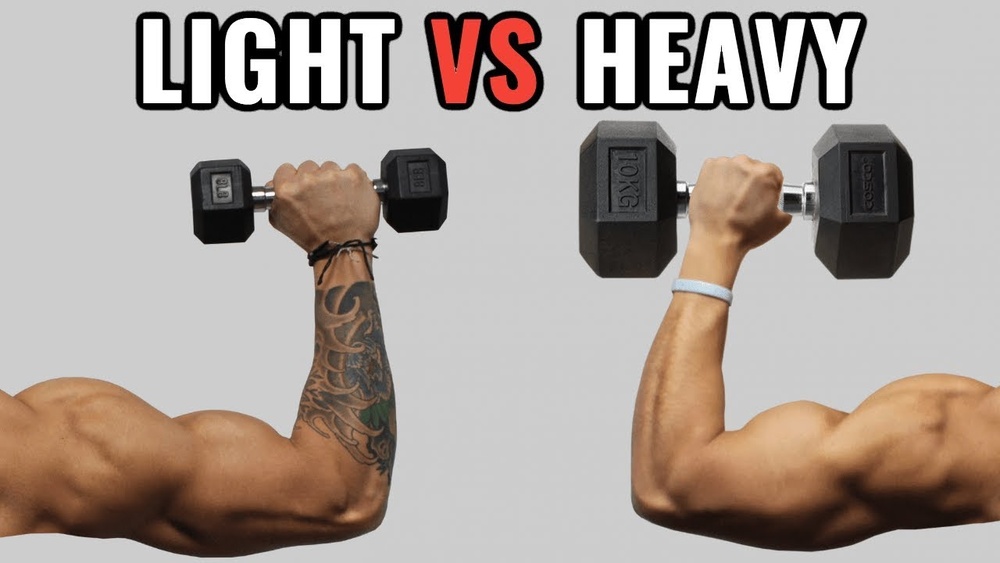
Choosing the right dumbbell weight is key to building muscle effectively. Using weights that are too light or too heavy can slow progress. Dumbbells that are too light won’t challenge your muscles enough. Too heavy weights can cause poor form and injury. Learn to spot the signs to adjust your dumbbells properly.
When To Increase Weight
Finish your sets easily and feel like you can do more? Your dumbbells are too light. You should increase weight when muscles don’t feel tired after a workout. If you complete 12 to 15 reps without struggle, it’s time to add weight. Muscles need challenge to grow stronger and bigger.
Avoiding Injury With Proper Weight
Using weights that are too heavy can harm your body. Struggling to lift or losing control shows the weight is too much. Poor form can lead to muscle strains or joint pain. Start with a manageable weight and increase gradually. Safe lifting helps muscles grow and prevents injury.
Progressive Overload Techniques
Progressive overload is key to building muscle with dumbbells. It means slowly making your muscles work harder over time. This helps muscles grow stronger and bigger. Without this, your progress will stall. You can apply progressive overload in different ways. One simple method is to increase the weight of your dumbbells step by step. Another way is to track your strength and adjust your workout accordingly. These techniques ensure steady muscle gain and avoid plateaus.
Gradually Increasing Dumbbell Weight
Start with a weight you can lift comfortably for 8 to 12 reps. When this becomes easy, increase the weight by a small amount. Adding 2 to 5 pounds is a good start. This challenges your muscles to adapt and grow. Avoid large jumps in weight to reduce injury risk. Keep increasing the weight slowly as your strength improves. This steady rise is essential for muscle growth.
Tracking Strength Gains
Write down your workouts to see your progress. Note the dumbbell weight, reps, and sets each session. Tracking helps you know when to increase weight or reps. It also motivates you by showing your improvements. Use a notebook or a fitness app for easy tracking. Regularly checking your strength guides your next workout step. This keeps your muscle-building journey on track.
Dumbbell Weight Recommendations
Choosing the right dumbbell weight is key to building muscle effectively. The weight should challenge your muscles without causing injury. This guide helps you pick the right dumbbells based on your fitness level, gender, and exercise type.
Start with weights that allow you to perform 8 to 12 reps with good form. The last few reps should feel hard but doable. Adjust weights as you get stronger to keep your muscles growing.
Weight Ranges For Different Fitness Levels
Beginners should start light to learn correct form. Women can begin with 5 to 10 pounds, men with 10 to 20 pounds. Intermediate lifters can use 15 to 25 pounds for women and 25 to 40 pounds for men. Advanced lifters may need 25 to 50 pounds or more, depending on the exercise.
Choose a weight that tires your muscles by the last few reps. Avoid weights that cause pain or poor technique.
Gender-specific Guidelines
Women generally use lighter dumbbells due to lower muscle mass. Most women find 5 to 20 pounds suitable for muscle gain. Men usually start heavier, around 10 to 40 pounds. Strength and comfort vary, so choose what feels right for your body.
Focus on steady progress rather than matching others. Consistency matters more than lifting very heavy weights.
Adjusting Weight For Different Exercises
Heavier weights suit large muscle exercises like squats and chest presses. Use lighter weights for smaller muscles like biceps or shoulders. For example, use 20 to 40 pounds for leg exercises but 5 to 15 pounds for arm workouts.
Change weights based on exercise difficulty. This approach helps prevent injury and improves muscle growth.
Tips For Effective Muscle Growth
Building muscle with dumbbells requires more than just lifting weights. Effective muscle growth depends on several important factors. These include the right workout routine, good nutrition, and proper rest. Knowing how to balance these can help you see better results.
Using dumbbells that are too light or too heavy can slow progress. It is important to challenge your muscles without risking injury. Alongside lifting, supporting your body with good habits makes a big difference.
Combining Dumbbell Workouts With Nutrition
Muscles need fuel to grow. Eating enough protein helps repair muscle fibers after workouts. Include foods like chicken, fish, eggs, and beans in your meals. Carbohydrates give you energy for lifting. Whole grains, fruits, and vegetables are good choices. Healthy fats support overall health. Nuts, seeds, and olive oil work well.
Drink plenty of water. Staying hydrated aids muscle recovery. Avoid junk food and sugary drinks. They can slow muscle growth and make you feel tired.
Rest And Recovery Importance
Muscles grow while you rest, not during workouts. Give your body time to repair by taking breaks between sessions. Aim for at least 48 hours before working the same muscle group again. Sleep is also key. Try to get 7 to 9 hours of good sleep every night.
Rest days reduce the chance of injury. They help keep you strong and motivated for your next workout. Stretching and light activity on rest days can ease muscle soreness.

Credit: www.onepeloton.com
Common Mistakes To Avoid
Choosing the right dumbbell weight is key to building muscle safely and effectively. Many people make mistakes that slow progress or cause injury. Avoiding these errors helps you gain strength faster and stay healthy. Focus on smart training habits and listen to your body.
Using Excessive Weight
Lifting weights that are too heavy can hurt your muscles and joints. It often leads to poor form and increases injury risk. Start with a weight you can control well for 8 to 12 reps. Gradually raise the weight as your strength improves. Heavy weights do not always mean better results.
Neglecting Form And Technique
Good form protects your body and targets the right muscles. Rushing through exercises or using bad posture limits muscle growth. Take time to learn the correct way to lift and move. Use mirrors or ask for help to check your technique. Perfect form beats lifting heavier weights with poor control.
Frequently Asked Questions
How Heavy Should Dumbbells Be For Muscle Gain?
Choose dumbbells that challenge you for 8-12 reps per set. This weight range promotes muscle growth effectively. Increase weight gradually as you get stronger to avoid plateaus and injury. Proper form is crucial for best results and safety.
Can Beginners Use Heavy Dumbbells Safely?
Beginners should start with lighter weights to master form. Gradually increase weight as strength improves. Using heavy dumbbells too soon can cause injury. Focus on controlled movements and proper technique for safe muscle building.
How Often Should I Increase Dumbbell Weight?
Increase dumbbell weight when 12 reps feel easy without strain. This usually happens every 1-2 weeks. Progressive overload is key to continuous muscle growth. Avoid increasing weight too quickly to prevent injury.
Does Dumbbell Weight Affect Muscle Size?
Yes, heavier dumbbells stimulate muscle growth by creating more resistance. Proper weight challenges muscles, leading to hypertrophy. Lighter weights with higher reps build endurance, not size. Balance weight and reps based on your fitness goals.
Conclusion
Choosing the right dumbbell weight helps you build muscle safely. Start with a weight that challenges you but does not cause pain. Increase weight gradually as your strength grows. Focus on good form to avoid injuries and get better results.
Consistency matters more than lifting the heaviest dumbbells. Train regularly, rest well, and eat healthy to support muscle growth. Keep track of your progress and adjust weights as needed. Stronger muscles come with patience and steady effort. Simple steps lead to steady gains.