Have you ever picked up a dumbbell and wondered exactly how it gets its weight? Knowing how a dumbbell is weighted can change the way you train and help you choose the right equipment for your goals.
Whether you’re just starting out or looking to improve your workouts, understanding the design behind these simple tools can make a big difference. Keep reading, and you’ll discover the secrets behind dumbbell weights that most people don’t know—giving you the power to lift smarter and see better results.
Dumbbell Weight Basics
Dumbbells are popular tools for strength training. They come in many shapes and sizes. Understanding how they are weighted helps you choose the right one. The weight affects your workout and progress.
Different materials and designs change the feel and balance of dumbbells. Knowing the basics about their weight helps you train safely and effectively.
Materials Used In Dumbbells
Dumbbells are made from different materials. Common ones include cast iron, steel, and rubber. Cast iron is heavy and durable. Steel is strong and often used in adjustable dumbbells. Rubber coatings protect floors and reduce noise. Some dumbbells use plastic with metal inside. Each material affects weight and comfort during use.
Standard Weight Measurements
Dumbbell weights are measured in pounds or kilograms. Most gyms use pounds in the United States. Kilograms are common in other countries. Weights range from very light (1-5 pounds) to heavy (over 100 pounds). Choose weights that match your strength level. Proper weight helps avoid injury and improves results.
Fixed Vs Adjustable Weights
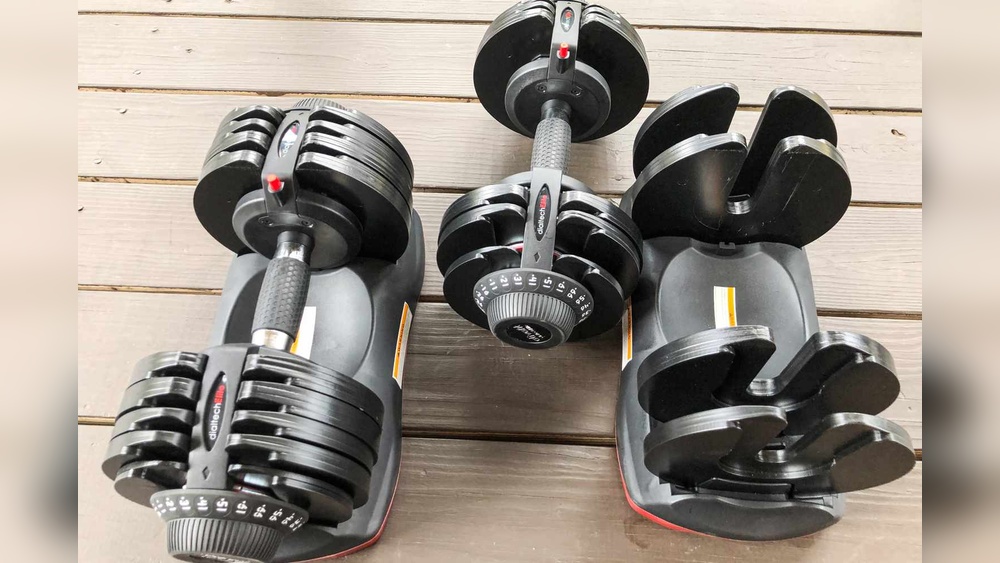
Fixed dumbbells have a set weight. They are easy to use and durable. Adjustable dumbbells let you change the weight by adding or removing plates. They save space and cost less over time. Both types have pros and cons. Pick one based on your needs and workout style.
Credit: www.puregym.com
Manufacturing Process
The manufacturing process of dumbbells involves precise steps to ensure each weight is accurate and durable. This process combines craftsmanship and technology. It starts with shaping the dumbbell and ends with testing for quality. Every detail matters to deliver a reliable product.
Casting And Molding Techniques
Dumbbells often begin as molten metal poured into molds. These molds shape the metal into the desired dumbbell form. Casting allows for a strong and solid structure. Some dumbbells use rubber or plastic coatings. These coatings are added after the metal cools. Molding also helps create different designs and textures.
Adding Weight Increments
Weight increments are added to meet different strength levels. Manufacturers insert small metal plates or fill materials inside the dumbbell shell. This method controls the final weight precisely. Adjustable dumbbells use removable plates for easy changes. Fixed dumbbells have set weights sealed inside. This step ensures accurate weight for safe workouts.
Quality Control Measures
Quality control checks every dumbbell for weight accuracy and durability. Machines measure the exact weight to match standards. Inspectors look for surface defects or weak spots. Some dumbbells undergo drop tests to ensure toughness. Only products that pass these tests reach customers. This guarantees safety and long-lasting use.
Weight Distribution Factors
Weight distribution in a dumbbell affects how it feels and performs during exercise. Proper balance makes lifting safer and more effective. Different factors control how the weight spreads across the dumbbell.
Balance And Stability
Balance keeps the dumbbell steady in your hand. Even weight on both sides prevents tilting. Stability helps you control the movement better. Poor balance leads to strain and risks injury.
Handle Design Impact
The handle shape changes how weight feels. A thick handle can shift the center of gravity. Smooth or textured grips affect grip security. Handle length also plays a role in weight distribution.
Weight Placement Methods
Weights can be fixed or adjustable. Fixed weights are cast as one solid piece. Adjustable dumbbells use plates added on each side. Plate size and position change the balance point. Manufacturers design weight placement for comfort and function.

Credit: www.youtube.com
Types Of Dumbbell Weighting
Dumbbells come in different weights and materials. The type of weighting affects durability and comfort. Choosing the right dumbbell depends on your workout needs and preferences.
Here are the main types of dumbbell weighting you will find.
Iron And Steel Dumbbells
These dumbbells are made from solid iron or steel. They are very durable and long-lasting. The metal surface can feel cold and hard to grip. Some have a textured handle for better hold. Iron and steel dumbbells often have a classic look. They are popular in gyms and for heavy lifting.
Rubber-coated Dumbbells
Rubber-coated dumbbells have a metal core covered with thick rubber. The rubber protects floors from damage. It also reduces noise when dropped. The coating makes the dumbbell easier to grip. These are great for home use. They come in various colors to show different weights.
Neoprene And Vinyl Weights
Neoprene and vinyl dumbbells are lighter and softer. They have a smooth or slightly textured surface. These dumbbells are gentle on hands and floors. They are ideal for light workouts and rehab exercises. Their bright colors make them easy to identify. Perfect for beginners and low-impact training.
Choosing The Right Weight
Choosing the right dumbbell weight is key for safe and effective workouts. The right weight helps build strength without injury. It also keeps you motivated to train regularly. Understanding your strength and goals guides your choice. This section explains how to pick the best dumbbell weight.
Assessing Strength Levels
Start by testing your current strength. Use a light dumbbell to check your form. If you can lift it easily 12 times, try a heavier one. If you struggle to lift even five times, go lighter. Choose a weight that feels challenging but doable. This helps avoid strain and improves muscle growth.
Progressive Overload Importance
Muscles grow by working harder over time. This is called progressive overload. Increase dumbbell weight gradually to keep improving. Add small weight increments every few weeks. This steady rise helps build strength safely. Avoid jumping to heavy weights too fast. It may cause injuries or stop progress.
Adjustable Dumbbell Benefits
Adjustable dumbbells offer many weight options in one set. Change weights quickly to match your exercise needs. They save space and money compared to many fixed weights. Perfect for people who want to increase weight gradually. Adjustable dumbbells help maintain workout variety and challenge muscles.
Credit: calisthenics.com
Maintaining Dumbbell Weight Accuracy
Maintaining dumbbell weight accuracy is important for effective workouts. Accurate weights help track progress and prevent injury. Small changes in weight can affect your training results. Keeping dumbbells accurate means checking and caring for them regularly.
Regular Calibration Checks
Check dumbbells often to confirm their weight is correct. Use a reliable scale designed for small weights. Compare the dumbbell weight to the scale reading. If the weight is off, adjust or replace the dumbbell. Regular checks avoid surprises during workouts.
Handling Wear And Tear
Wear and tear can change dumbbell weight over time. Rust, dents, or loose plates affect their accuracy. Clean dumbbells after use to prevent rust. Tighten any screws or bolts to keep plates secure. Handle dumbbells gently to avoid damage.
Storage Tips To Preserve Weight
Store dumbbells in a dry, clean place to protect them. Avoid placing them on hard surfaces that cause dents. Use racks or mats to prevent scratches and damage. Proper storage keeps dumbbells in good condition longer. This helps maintain their true weight.
Frequently Asked Questions
How Is A Dumbbell’s Weight Determined?
A dumbbell’s weight is based on the material used and its size. Common materials include cast iron, steel, or rubber-coated plates, each contributing to the total mass. The weight is stamped or marked clearly for easy identification during workouts.
What Materials Affect A Dumbbell’s Weight?
Materials like cast iron, steel, and concrete influence dumbbell weight. Heavier metals provide compact weights, while rubber coatings add durability without much extra weight. The choice of material affects the dumbbell’s feel, durability, and overall weight accuracy.
Why Do Adjustable Dumbbells Have Varied Weight Settings?
Adjustable dumbbells use plates or dial systems to change weight increments. This design allows users to customize resistance quickly. The total weight depends on the number and size of plates attached, offering versatility in workouts without multiple dumbbells.
How Accurate Are Dumbbell Weight Markings?
Most dumbbell manufacturers ensure weight markings are precise within a small tolerance. Quality brands maintain strict standards for accuracy to aid effective training. However, slight variations may exist due to manufacturing processes or material density differences.
Conclusion
Dumbbells get their weight from metal or other heavy materials inside. The weight is shown on the dumbbell for easy choice. Some dumbbells have plates you can add or remove. Others come as one solid piece with fixed weight. Knowing how dumbbells are weighted helps you pick the right one.
It also helps you use them safely and effectively. Keep this in mind during your workouts. Choose the weight that fits your strength and goals. Simple steps lead to better results.