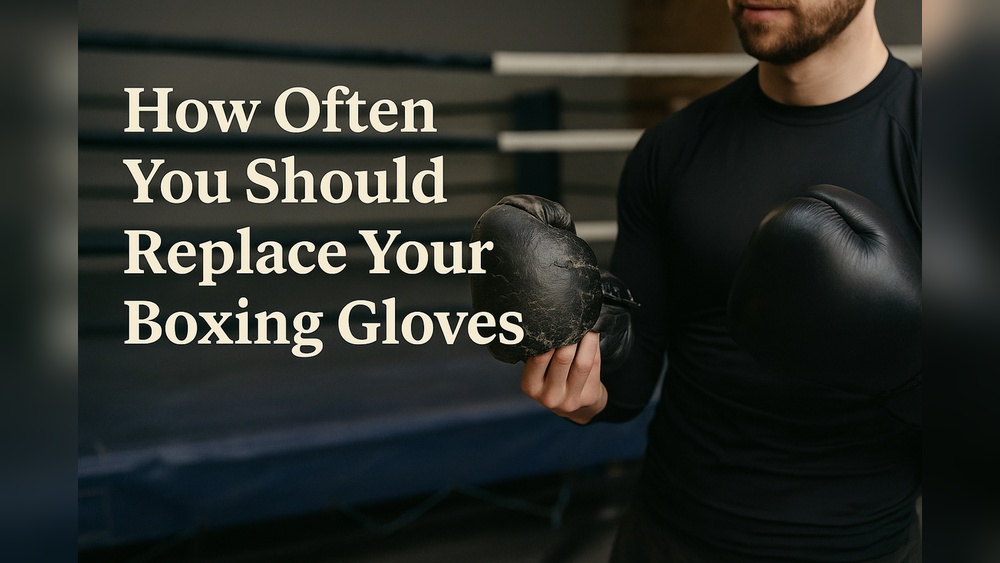
You’ve invested time and effort into your boxing training, but have you ever stopped to think about how long your boxing gloves should last? Using gloves that are past their prime can hurt your performance and even lead to injuries.
You might notice discomfort, strange odors, or worn-out padding, but how do you really know when it’s time to replace them? You’ll discover the key signs that your gloves are worn out, simple tips to extend their lifespan, and how to make sure you’re always training safely and effectively.
Keep reading to protect your hands and get the most from every punch you throw.

Credit: th.yokkao.com
Lifespan Of Boxing Gloves
Boxing gloves do not last forever. Their lifespan depends on many things. Knowing how long gloves last helps you plan replacements. It keeps your hands safe and improves your performance. This section explains factors that affect glove durability.
Average Duration By Usage
Boxing gloves last differently based on use. For casual training, gloves may last two to three years. Regular daily training reduces lifespan to about one year. Heavy sparring wears gloves faster, sometimes in six months. Consistent use breaks down padding and material quickly. Proper care can extend the average duration.
Impact Of Glove Material
Glove material plays a big role in durability. Genuine leather gloves usually last longer than synthetic ones. Leather resists wear and tear better. Synthetic gloves are cheaper but wear out fast. Padding type also matters; high-density foam lasts longer than cheap foam. Quality stitching prevents early damage. Choose materials wisely for longer use.
Differences Between Training And Competition Gloves
Training gloves face more wear because of frequent use. They have thicker padding to protect hands during long sessions. Competition gloves are lighter and thinner. They last shorter because of intense impact in few rounds. Training gloves need to be more durable. Competition gloves focus on performance, not longevity. Understand these differences to pick the right glove.
Credit: www.reddit.com
Signs Of Glove Wear
Boxing gloves protect your hands and your opponent during training and matches. Over time, gloves wear down and lose their effectiveness. Recognizing signs of glove wear helps avoid injuries and improves your performance. Knowing when gloves need replacement keeps your training safe and comfortable.
Flattened Or Uneven Padding
Check the padding inside your gloves regularly. Padding wears down after many hits. Flattened or uneven padding means less shock absorption. Your knuckles will feel harder impacts. This reduces protection and increases injury risk.
Visible Tears And Cracks
Look for tears, cracks, or holes on the glove surface. Damaged material exposes the inner padding. It also allows dirt and sweat inside. Tears can cause discomfort and reduce glove lifespan. Small cracks may grow bigger with use.
Loose Fit And Reduced Support
Gloves should fit snugly around your hands. Over time, the glove shape may change. A loose fit means less wrist and hand support. This can lead to pain or injury during training. Gloves that slip off easily are no longer safe.
Persistent Odor And Bacteria Build-up
Smell your gloves after use. A strong, bad odor means bacteria have built up. Sweat and moisture trapped inside cause this problem. Bacteria can harm your skin and cause infections. Proper cleaning and airing out help, but bad smells signal worn gloves.
Discomfort And Pain Indicators
Feel pain or discomfort during or after training? This may mean gloves no longer protect well. Pain in your hands, wrists, or fingers is a warning. Gloves should reduce impact and provide comfort. Discomfort shows it is time to replace them.
Factors Affecting Durability
The lifespan of boxing gloves varies greatly. Many factors influence how long they last. Understanding these factors helps you protect your investment. It also ensures safety during training. Proper care and awareness of these elements can extend glove durability. Below are key factors that affect how long boxing gloves last.
Frequency And Intensity Of Use
Using boxing gloves daily causes faster wear. Intense training, such as heavy bag work or sparring, wears gloves quicker. Light or occasional use extends their life. The harder the punches, the more the padding breaks down. Gloves used often need replacement sooner than those used less.
Storage Conditions
Storing gloves in a damp place damages the material. Moisture causes mold and bad odors. Leaving gloves in a closed gym bag traps sweat inside. Proper air circulation after use keeps gloves dry. Using glove deodorizers or stuffing gloves with paper helps absorb moisture. Good storage habits increase glove lifespan.
Quality Of Manufacturing
High-quality gloves last longer than cheap ones. Durable materials like genuine leather resist wear. Strong stitching prevents seams from splitting. Well-made gloves maintain padding support for a longer time. Investing in quality gloves pays off with better durability and protection.
Type Of Training Activity
Different activities stress gloves in different ways. Heavy bag training wears padding faster than shadow boxing. Sparring causes wear on the outer surface and straps. Fitness boxing with light punches is gentler on gloves. Choose gloves suited to your training type for longer use.
Maintenance Tips
Proper maintenance helps your boxing gloves last longer. Taking care of them after each use keeps them fresh and in good shape. Simple steps prevent damage and unpleasant odors. Follow these easy tips to protect your gloves and your hands.
Proper Drying And Airing Out
Always dry your gloves after training. Open the gloves wide and let air flow inside. Avoid leaving them in a closed gym bag. Moisture inside causes bacteria and bad smell. Use a glove dryer or place them near a fan. Sunlight can help but avoid direct, strong sun to prevent material damage.
Regular Cleaning Techniques
Wipe gloves inside and out after every session. Use a clean cloth with mild soap and water. Avoid soaking gloves in water. For leather gloves, use a leather cleaner or conditioner. Cleaning removes sweat and dirt that break down materials. Regular care keeps gloves soft and flexible.
Using Disinfectants Safely
Choose disinfectants made for sports gear or gentle sprays. Avoid harsh chemicals that harm glove material. Spray inside lightly and wipe with a cloth. Let gloves dry completely before storing. Disinfecting kills bacteria and reduces odors. Use it often to keep gloves hygienic.
Avoiding Damage During Storage
Store gloves in a cool, dry place away from heat. Keep them upright and not squashed. Avoid folding or putting heavy items on top. Use a breathable bag for transport, not plastic. Proper storage stops cracks and keeps padding intact. Good habits protect your gloves for many fights.
Extending Glove Lifespan
Boxing gloves wear out over time. Extending their lifespan saves money and keeps hands safe. Proper care and smart habits make gloves last longer. Simple steps keep gloves in good shape for many sessions.
Focus on how you use and maintain your gloves. Small changes help avoid early damage. Keep gloves dry, clean, and well-fitted. Rotate gloves and fix minor issues quickly. These habits protect your investment and improve training comfort.
Rotating Multiple Gloves
Using more than one pair spreads out wear and tear. Gloves need time to dry and recover after use. Rotating pairs reduces moisture buildup inside gloves. Dry gloves last longer and stay comfortable. Avoid using the same gloves every day.
Using Hand Wraps Effectively
Hand wraps protect gloves from sweat and oils. Wrap hands tightly but comfortably before training. Wraps absorb sweat and reduce glove odor. Clean wraps regularly to keep gloves fresh. Good wraps help keep glove lining and padding intact.
Choosing The Right Glove Size
Proper glove size prevents excess stress on materials. Gloves that are too tight or loose wear out faster. Correct fit supports your wrist and knuckles well. Try different sizes before buying to find comfort. Well-fitted gloves reduce padding damage during impact.
Repairing Minor Damages
Small tears or loose stitches should be fixed fast. Use needle and strong thread to sew minor rips. Patch holes with durable fabric to stop them growing. Repairing early stops bigger damage and saves gloves. Check gloves regularly and fix problems quickly.
When To Replace Gloves
Knowing when to replace your boxing gloves protects your hands and improves performance. Gloves lose their effectiveness over time. Wear and tear reduce padding and support. Frequent use speeds up this process. Checking gloves regularly helps avoid injuries. Pay attention to changes in feel, structure, and smell. These signs tell you it is time for new gloves.
Testing Padding Effectiveness
Press the gloves with your hands or against a surface. If the padding feels flat or uneven, it offers less protection. Hard impacts may hurt your knuckles more. Good padding absorbs shock well. When padding gets thin, replace the gloves to prevent injuries.
Evaluating Structural Damage
Look for tears, cracks, or holes on the gloves. Damage exposes the inner lining and weakens support. Check seams and straps for looseness or breaks. Gloves with visible damage no longer protect properly. Use new gloves to keep your hands safe.
Listening To Body Signals
Notice any pain in your hands, wrists, or elbows after training. Persistent aches mean gloves are not supporting you well. Gloves lose cushioning and stability over time. Pain signals it is time to get new gloves. Protect your body by replacing worn gloves.
Recognizing Persistent Odor Issues
A strong, bad smell means bacteria build-up inside your gloves. Washing and airing out help but smell can persist. Persistent odor shows gloves are worn out. Bacteria also break down the material faster. Replace gloves if odor stays despite cleaning.
Choosing Durable Gloves
Choosing durable boxing gloves is crucial for long-term training and safety. Gloves that last longer save money and provide consistent protection. Quality materials and construction affect how well gloves hold up over time. Understanding these factors helps pick gloves built to endure hard use.
Durable gloves resist wear and tear better. They maintain padding and shape after many sessions. Proper care extends lifespan, but starting with a strong pair makes a big difference.
Leather Vs Synthetic Materials
Leather gloves tend to last longer than synthetic ones. Genuine leather is tough and ages well. It handles sweat and impact better. Synthetic gloves are cheaper but wear out faster. They may crack or peel with heavy use. Leather gloves often feel more comfortable too. Choose leather for durability and better performance.
Brand Reputation And Reviews
Trusted brands usually offer higher quality gloves. They use better materials and construction methods. Reading customer reviews reveals real-world glove durability. Look for gloves praised for lasting many months. Avoid brands with frequent complaints about fast wear. Well-known brands invest in design and testing. This leads to gloves that hold up under pressure.
Price Vs Quality Considerations
Higher price often means better quality, but not always. Some mid-range gloves provide great durability at a lower cost. Very cheap gloves tend to wear out quickly. Consider how often you train before buying. Frequent boxers should invest more for longer-lasting gloves. Casual users can choose more affordable options. Balance price with expected glove lifespan and protection.

Credit: www.youtube.com
Frequently Asked Questions
How Often Should I Replace Boxing Gloves?
Replace boxing gloves every 6 to 12 months, depending on usage and wear. Look for flattened padding, tears, odor, or loose fit as replacement signs. Proper cleaning and airing extend their lifespan.
When Should I Throw Out My Boxing Gloves?
Replace boxing gloves when padding flattens, material tears, fit loosens, persistent hand pain occurs, or foul odor remains after cleaning.
What Is The Lifespan Of Gloves?
Gloves typically last 6 to 12 months with regular use. Replace them if padding flattens, seams tear, or odor persists. Proper care extends lifespan.
Do Boxing Gloves Deteriorate?
Yes, boxing gloves deteriorate over time. Padding compresses, leather cracks, and odors develop, reducing protection and comfort. Replace gloves showing visible wear, loose fit, persistent odors, or causing hand pain to ensure safety and performance. Proper cleaning and airing extend their lifespan.
Conclusion
Boxing gloves last longer with proper care and regular use. Watch for signs like flattened padding, tears, bad smells, or a loose fit. These show your gloves no longer protect well. Replace gloves to avoid hand injuries and stay comfortable during training.
Clean and air them out after each session to keep gloves fresh. Taking care of gloves helps you get the most from your investment. Remember, glove life varies by quality and how often you train. Stay aware, and your gloves will serve you well.