Have you ever picked up a dumbbell and wondered, “How long is this really?” Knowing the size of your dumbbells can make a big difference in your workout space, storage options, and even your exercise routine. Whether you’re setting up a home gym or just curious about the gear you use, understanding the length of dumbbells helps you make smarter choices.
Keep reading, and you’ll discover everything you need to know about dumbbell sizes—and why it matters for your fitness journey.
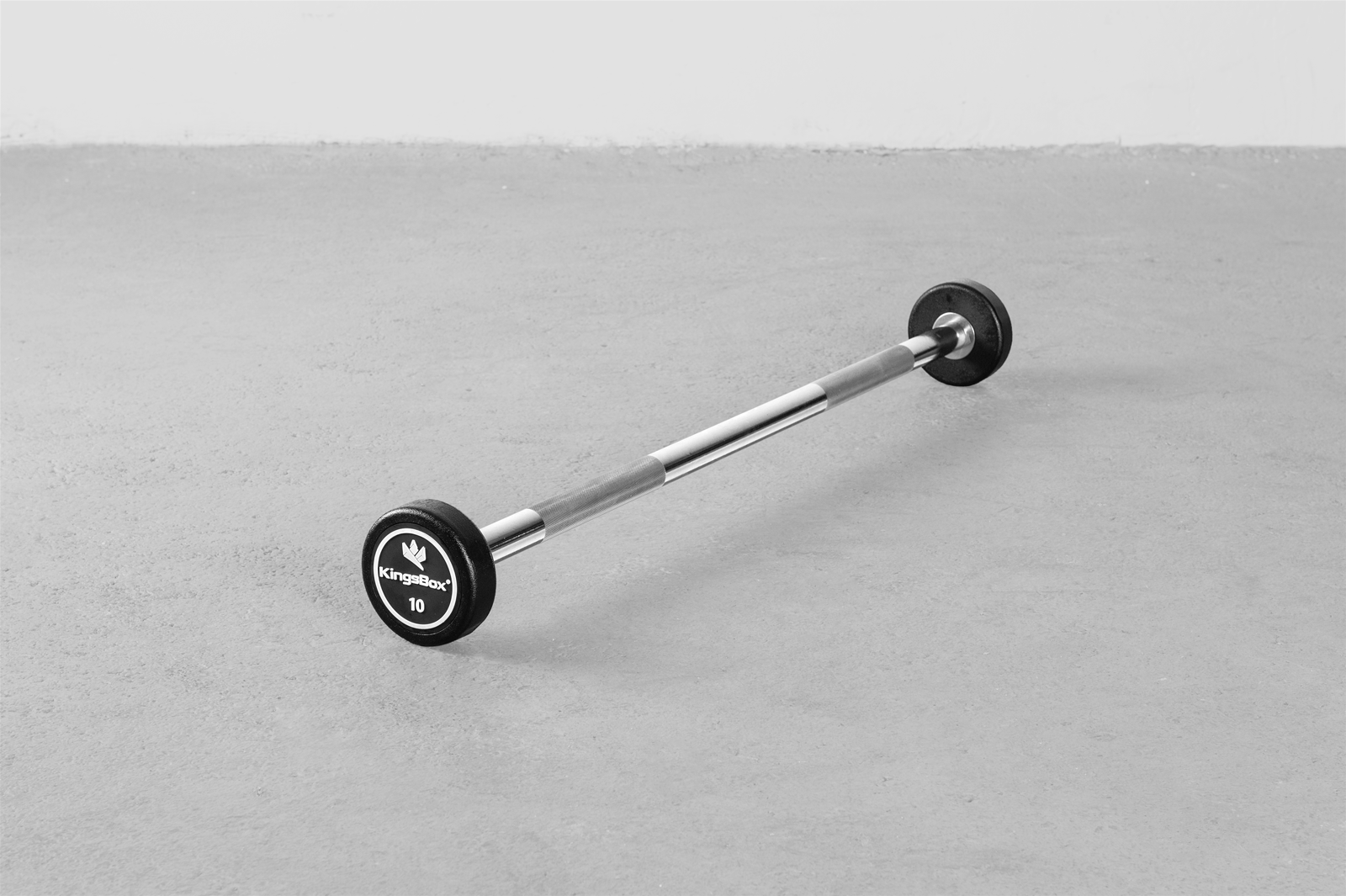
Credit: kingsbox.com
Dumbbell Length Basics
Dumbbell length is a key factor in choosing the right weights for your workout. It affects how comfortable the dumbbell feels in your hand. It also impacts how easy it is to store or carry them. Understanding dumbbell length basics helps you pick the best dumbbells for your needs.
The length of a dumbbell is not the same for every type. Different designs and weights mean different sizes. Knowing the typical sizes and what changes the length can guide your purchase. Let’s explore the standard dumbbell sizes and the factors that affect their length.
Standard Dumbbell Sizes
Most dumbbells range from 10 to 20 inches in length. Smaller dumbbells, like those under 10 pounds, tend to be about 10 to 12 inches long. Heavier dumbbells, such as 50 pounds or more, can reach 18 to 20 inches. The handle size usually stays around 5 inches for a good grip. The length increases mainly due to larger weight plates on each side.
Factors Affecting Length
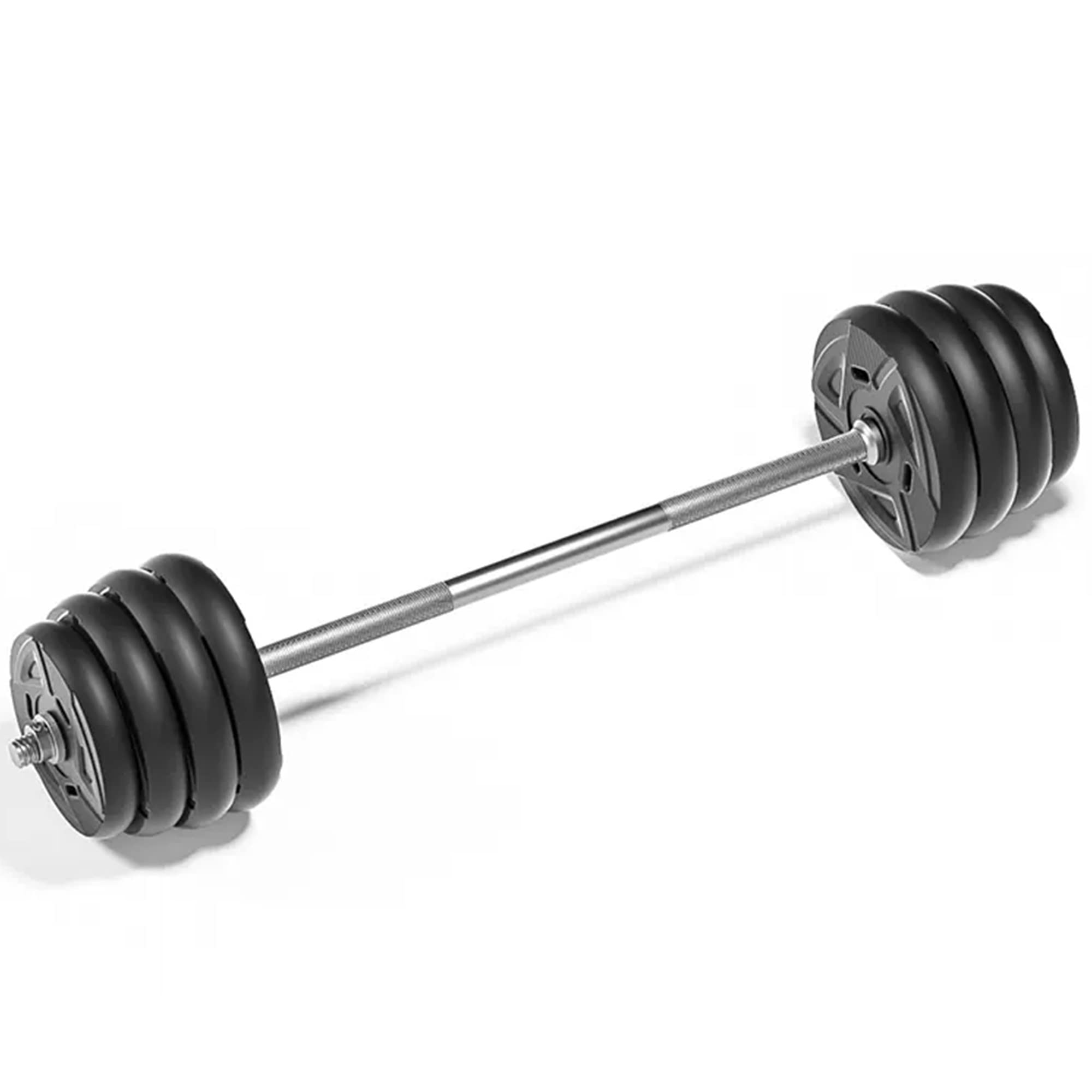
The type of dumbbell changes its length. Adjustable dumbbells often have longer bars to hold different plates. Fixed dumbbells keep a consistent length but grow larger with more weight. Plate design also matters; some plates are thicker, adding to the total length. The handle design can affect length too. Some have thicker grips, which make the dumbbell slightly longer. Overall, weight, design, and plate size decide the dumbbell length.
Credit: www.amazon.nl
Types Of Dumbbells
Dumbbells come in different types. Each type affects their size and use. Knowing these types helps you pick the right one for your workout.
The two main kinds are fixed and adjustable dumbbells. Materials also change how long and heavy they feel.
Fixed Vs Adjustable Dumbbells
Fixed dumbbells have a set weight. They do not change size or weight. These dumbbells are usually shorter and more compact. You can find them in gyms and homes easily.
Adjustable dumbbells allow you to change the weight. You add or remove plates to fit your need. These are often longer to hold the plates safely. They save space but can be heavier to carry.
Materials And Their Impact On Size
Dumbbells are made from metal, plastic, or rubber. Metal dumbbells are often smaller but heavier. Plastic dumbbells are lighter but bigger in size. Rubber dumbbells have a soft cover, making them longer and easier to hold.
The choice of material affects the dumbbell’s length and grip. Metal gives a solid feel. Plastic and rubber add comfort but increase size.
Length And Weight Correlation
The length of a dumbbell often changes as its weight increases. This link between length and weight affects how the dumbbell feels in your hands. Understanding this connection helps you pick the right dumbbell for your workouts.
How Length Varies With Weight
Lighter dumbbells are usually shorter and easier to hold. They fit well in small hands and allow quick movements. Heavier dumbbells need more space for bigger plates. This makes them longer to balance the weight properly. The length grows to keep the dumbbell stable during lifts.
Balancing Length For Comfort And Performance
Too long a dumbbell can feel awkward and hard to control. Too short, and it may not hold enough weight for strong exercises. Manufacturers find a middle ground to keep dumbbells comfortable and effective. This balance helps you lift safely and improve your strength steadily.

Credit: www.medicalexpo.com
Choosing The Right Dumbbell Size
Selecting the right dumbbell size is important for a safe and effective workout. The size affects your grip, control, and the muscles you target. Choosing a dumbbell that fits your needs can improve your exercise experience.
Several factors help decide the best dumbbell length and weight. These include the type of workout and your hand size. Understanding these can help you pick a dumbbell that feels comfortable and works well for you.
Based On Workout Type
The workout type influences the dumbbell size you need. For strength training, heavier and longer dumbbells are common. They give better balance for bigger weights.
For aerobic or lighter exercises, shorter and lighter dumbbells work better. They offer more control and less strain on your wrists. Different exercises require different dumbbell sizes to perform well and avoid injury.
Considering Grip And Hand Size
Your grip and hand size affect how well you hold a dumbbell. If the dumbbell is too long or thick, it becomes hard to control. Small hands need shorter dumbbells for a firm grip.
Check the handle thickness as well. It should feel comfortable in your palm. A good grip helps prevent accidents and improves workout quality. Choose dumbbells that match your hand size for better results.
Using Dumbbells Effectively
Using dumbbells effectively helps improve strength and fitness. Choosing the right dumbbell size matters for each exercise. Proper use prevents injury and boosts results. Understanding how to use dumbbells can make workouts safer and more efficient.
Exercises For Different Sizes
Small dumbbells suit light exercises like arm raises and wrist curls. Medium dumbbells work well for bicep curls and shoulder presses. Large dumbbells fit heavy lifting like deadlifts and squats. Choose dumbbell size based on your strength and exercise type. Change sizes to target different muscles and avoid boredom.
Safety Tips For Various Dumbbell Lengths
Check the dumbbell length before starting your workout. Longer dumbbells need more space to move safely. Shorter dumbbells offer better control for quick movements. Keep your grip firm to avoid dropping the weight. Use a spotter or workout partner for heavy dumbbells. Clear your workout area of obstacles to prevent accidents. Always warm up before lifting to protect muscles and joints.
Storage And Space Considerations
Storing dumbbells properly saves space and keeps your workout area tidy. Dumbbells come in different sizes, so planning storage matters. A clutter-free space helps you exercise safely and comfortably.
Compact Vs Longer Dumbbells
Compact dumbbells are shorter and take less space. They fit well in small rooms or apartments. Longer dumbbells need more room to store. Their size might make storage tricky in tight spaces. Choose dumbbells that match your available space.
Organizing Your Dumbbell Set
Use racks or shelves to keep dumbbells organized. Place them by weight for easy access. Keep heavier dumbbells on lower shelves to avoid accidents. Labeling each spot speeds up your workout routine. Good organization saves time and space.
Frequently Asked Questions
How Long Is A Standard Dumbbell?
A standard dumbbell typically measures 14 to 18 inches in length. The size varies based on weight and brand. Adjustable dumbbells might be shorter or longer depending on the plates attached. Most gym dumbbells fall within this size range for comfortable grip and usability.
Does Dumbbell Length Affect Workout Performance?
Yes, dumbbell length can impact grip and exercise form. Longer dumbbells may be harder to handle for some exercises. Shorter dumbbells offer better control and stability. Choosing the right length ensures safety and effectiveness during workouts.
Are Adjustable Dumbbells Longer Than Fixed Ones?
Adjustable dumbbells are usually longer due to added weight plates. The length changes as you add or remove plates. Fixed dumbbells have a consistent length regardless of weight. This makes fixed dumbbells more compact and easier to store.
What Is The Average Length Of A 10-pound Dumbbell?
A 10-pound dumbbell generally measures around 14 to 16 inches long. Length depends on the manufacturer and dumbbell design. It is designed for a comfortable grip and ease of use during workouts.
Conclusion
Dumbbells come in many sizes and lengths. Most weigh between 1 and 50 pounds. Their length usually depends on weight and design. Knowing the size helps you pick the right one. Choose a dumbbell that feels good in your hand.
This improves your workout comfort and safety. Always check the length before buying. It makes your exercise space fit better too. Small or large, dumbbells help you stay strong. Keep your goals clear and select wisely. Simple steps lead to better fitness results.