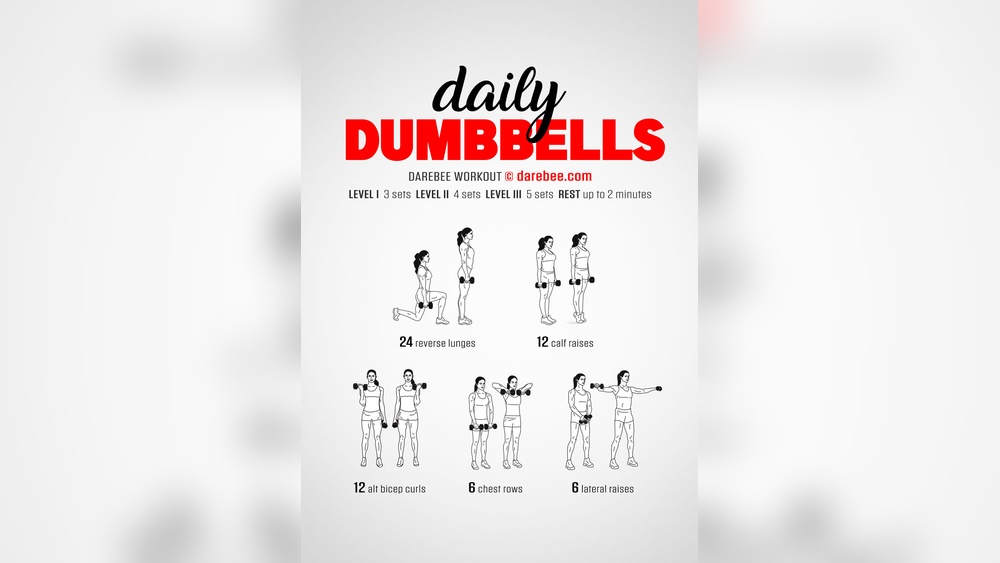
Are you wondering how much time you should spend on your dumbbell workout? You might be asking yourself, “Is a quick 10-minute session enough, or do I need to dedicate an hour?” Finding the right workout length is key to getting results without wasting time or risking injury.
You’ll discover the ideal duration for your dumbbell routine based on your goals and fitness level. Keep reading to unlock a simple plan that fits your schedule and helps you build strength efficiently.
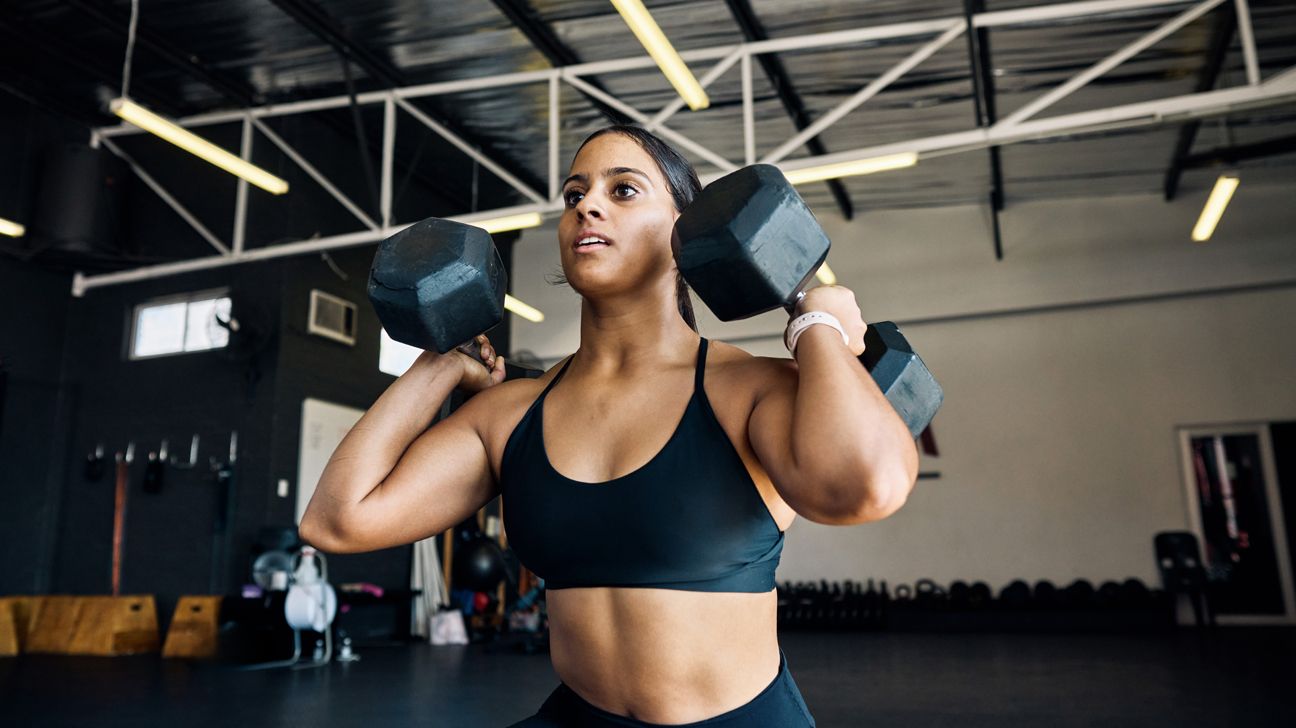
Credit: www.healthline.com
Ideal Workout Duration
Finding the ideal workout duration is key for effective dumbbell sessions. The right length helps balance effort and recovery. Too short may limit progress. Too long can cause fatigue and injury. Understanding how long to work out improves results and keeps motivation high.
Several elements affect how long your dumbbell workout should last. These include your fitness level, workout goals, and the type of exercises you choose. Knowing these factors helps tailor your routine to fit your needs. Let’s explore what influences workout length and recommended times for different skill levels.
Factors Influencing Workout Length
Workout goals impact duration significantly. Strength training may need longer rest between sets, extending time. Fat loss workouts often include shorter rests and more sets, requiring different timing. Your experience level also matters. Beginners usually take more time to learn form. Advanced lifters move faster and handle more volume. The type of exercises matters too. Compound moves take more effort and time than isolation exercises. Finally, your overall health and energy levels influence how long you can train safely.
Recommended Time Frames For Beginners
Beginners should start with shorter sessions to build stamina. A 20 to 30-minute workout is ideal. This includes warm-up, exercises, and cool-down. Focus on learning proper form and technique. Rest between sets can be longer to avoid fatigue. Gradually increase duration as strength and confidence grow. Short, consistent sessions help prevent injury and build good habits.
Adjusting Duration For Advanced Lifters
Advanced lifters can train longer and more intensely. Workouts usually last 45 to 60 minutes. They include heavier weights and more sets. Rest periods are shorter to increase challenge. Advanced routines often split muscle groups over several days. This allows focused training and recovery. Listening to your body is important. Adjust time based on how you feel and progress. Avoid overtraining by including rest days.

Credit: www.womenshealthmag.com
Balancing Intensity And Time
Balancing intensity and time is key to an effective dumbbell workout. The goal is to get the most benefit without spending too long. Finding the right balance helps improve strength and endurance. It also prevents burnout and keeps workouts fun.
High-intensity Vs. Steady Pace
High-intensity dumbbell workouts burn more calories in less time. They push your muscles hard and fast. This style works well for short sessions, around 20 to 30 minutes. Steady pace workouts take longer but feel easier. They focus on controlled movements and steady breathing. These can last 40 minutes or more. Choose the style that fits your fitness level and goals.
Rest Periods And Their Impact
Rest time changes the workout’s overall length and effect. Short rests keep your heart rate high and build endurance. Long rests allow muscles to recover, letting you lift heavier weights. Rest periods between 30 seconds and 90 seconds work well for most people. Adjust rest based on how hard you push during each set. Keep rest steady to match your workout intensity.
Circuit Training With Dumbbells
Circuit training mixes strength and cardio using dumbbells. You move quickly from one exercise to the next. This method cuts total workout time but stays intense. Circuits last 20 to 40 minutes depending on exercises and rounds. It helps improve muscle tone and heart health at once. Circuit training is ideal for busy schedules and varied workouts.
Workout Structure Tips
Structuring your dumbbell workout well saves time and boosts results. A clear plan helps maintain focus and energy. It also reduces the risk of injury. Follow these tips to build an effective workout routine.
Warm-up And Cool-down Importance
Start with a warm-up to prepare muscles and joints. Five to ten minutes of light cardio or dynamic stretches works best. Warm muscles improve movement and reduce injury risk.
End with a cool-down to relax muscles and lower heart rate. Gentle stretching or slow walking for five minutes helps recovery. This practice reduces soreness and stiffness.
Sets And Reps For Efficiency
Choose the right number of sets and reps for your goal. For strength, try 3-5 sets of 6-8 reps with heavier weights. For endurance, use 2-3 sets of 12-15 reps with lighter weights.
Keep rest between sets short, around 30 to 60 seconds. This saves time and keeps your heart rate up. Adjust reps and sets based on your progress and energy level.
Combining Compound And Isolation Moves
Start with compound exercises that work multiple muscles at once. Examples include dumbbell squats, presses, and rows. These moves build strength and burn more calories.
Add isolation exercises to target specific muscles. Use moves like bicep curls or tricep extensions. This balances your workout and improves muscle shape.
Mixing both types creates a full, balanced workout. It improves overall strength and muscle tone efficiently.
Maximizing Results In Short Sessions
Short dumbbell workouts can still bring big results. Focus and smart methods help you get stronger fast. Using special techniques, you make every minute count. No need for long sessions to see progress.
Supersets And Drop Sets
Supersets pair two exercises done back-to-back. This saves time and keeps your muscles working hard. Drop sets lower the weight after reaching muscle fatigue. Both techniques increase intensity in less time. They burn more calories and build muscle efficiently.
Time Under Tension Technique
This method means slowing down your reps. Control your movement to keep muscles working longer. More time under tension helps muscles grow. It also improves muscle endurance and strength. Perfect for short workouts to get a better pump.
Tracking Progress And Adjustments
Write down your weights and reps each session. Tracking helps you see improvement over time. Adjust your workout by adding weight or reps. Small changes keep muscles challenged and growing. This keeps your short sessions effective and exciting.
Avoiding Common Pitfalls
A dumbbell workout can be very effective. But many people make common mistakes. These mistakes can slow progress or cause injury. Avoiding these pitfalls helps you train safely and get better results. Focus on smart training and listen to your body.
Overtraining Risks
Training too long or too hard can cause overtraining. This leads to tired muscles and low energy. Overtraining can also cause injuries or illness. Your body needs time to rest and heal. Stop exercising if you feel pain or extreme fatigue. Balance workout time with rest days to stay healthy.
Neglecting Form For Speed
Rushing exercises often causes bad form. Poor form can lead to injury and less muscle gain. Slow and steady movements work muscles better. Focus on correct posture and controlled motion. Take breaks if you feel tired to keep good form. Quality beats quantity in every set.
Ignoring Recovery Needs
Muscles grow and get stronger during rest. Skipping recovery slows progress and risks injury. Sleep well and eat healthy foods to support recovery. Stretch gently after workouts to reduce soreness. Plan rest days between intense dumbbell sessions. Your body needs time to rebuild and grow.
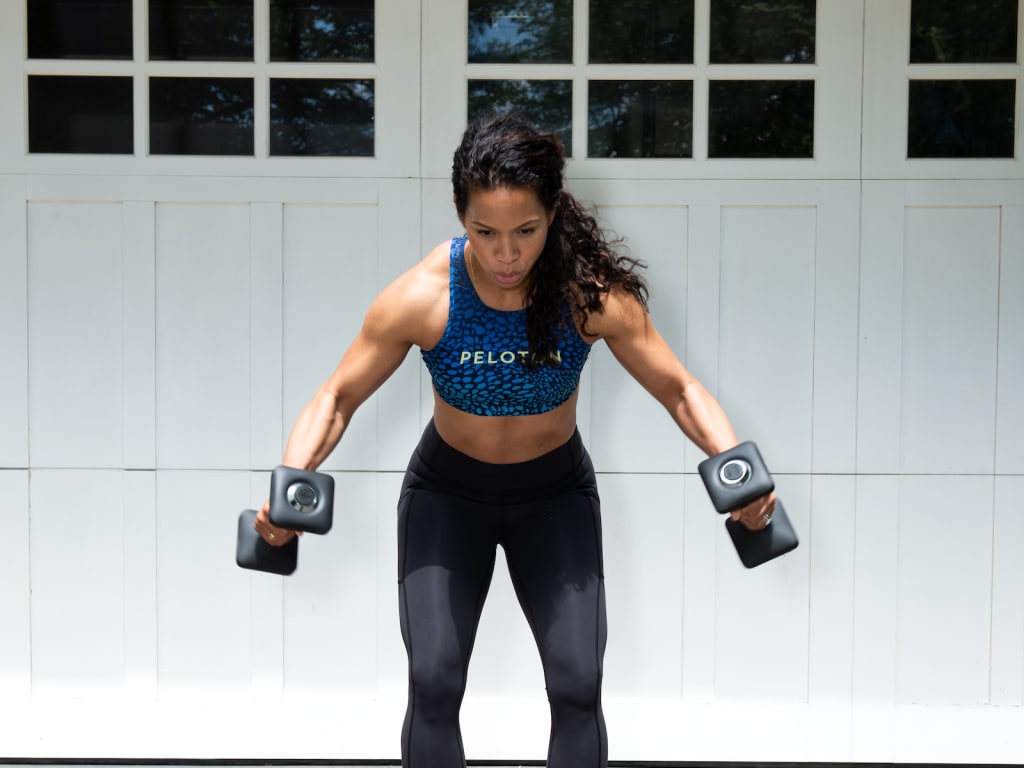
Credit: www.onepeloton.com
Frequently Asked Questions
How Long Should A Typical Dumbbell Workout Last?
A typical dumbbell workout should last between 30 to 45 minutes. This duration allows for a full-body routine with proper rest between sets, ensuring effective muscle engagement and growth without overtraining.
How Many Sets And Reps Are Ideal Per Dumbbell Workout?
Aim for 3 to 4 sets of 8 to 12 reps per exercise. This range promotes muscle strength and hypertrophy, balancing intensity and volume for optimal results in a reasonable workout time.
Can A Dumbbell Workout Be Effective Under 30 Minutes?
Yes, a focused dumbbell workout under 30 minutes can be effective. Use compound movements and minimal rest to maximize intensity and muscle activation in a shorter timeframe.
How Often Should I Do Dumbbell Workouts Weekly?
Perform dumbbell workouts 3 to 4 times per week. This frequency allows for muscle recovery while maintaining consistent progress and strength gains.
Conclusion
Dumbbell workouts do not need to take long. Around 20 to 45 minutes is enough. Focus on form, not rushing through exercises. Short sessions can still build strength and muscle. Consistency matters more than workout length. Rest between sets helps muscles recover.
Choose a time that fits your day. Enjoy your workout and stay active daily. Keep your routine simple and effective. Small steps lead to big progress over time.