
Are you ready to take your chest workouts to the next level? The low dumbbell bench press is a powerful move that can help you build strength, improve muscle balance, and break through your fitness plateaus.
But if you’re not sure how to do it right, you might miss out on the full benefits—or worse, risk injury. You’ll discover simple, step-by-step guidance to master the low dumbbell bench press safely and effectively. Keep reading, and unlock the secret to a stronger, more defined upper body starting today.

Credit: www.youtube.com
Benefits Of Low Dumbbell Bench Press
The low dumbbell bench press offers unique benefits for strength training. It targets muscles differently than a flat bench press. This exercise helps build muscle and improve joint health. Many find it easier on the shoulders while still challenging the chest.
Targeted Muscle Activation
The low dumbbell bench press activates the lower chest more effectively. It also engages the triceps and front shoulders well. Dumbbells allow each side to work independently. This helps fix muscle imbalances and improves overall strength.
Improved Range Of Motion
Dumbbells provide a greater range of motion than a barbell. You can lower the weights further down safely. This deeper stretch helps muscles grow and become stronger. The wider movement also enhances flexibility and control.
Reduced Shoulder Stress
The angle of the low bench reduces strain on shoulder joints. Dumbbells allow natural hand positioning, easing discomfort. This makes the exercise safer for people with shoulder issues. It helps build muscle without risking injury.
Proper Setup And Positioning
Proper setup and positioning are key for a safe and effective low dumbbell bench press. Correct form helps target your chest muscles well. It also lowers the risk of injury. This section covers important tips for setup and positioning.
Choosing The Right Bench Angle
Select a bench angle around 15 to 30 degrees. This angle focuses on the lower chest muscles. Avoid flat or steep angles that reduce effectiveness. A slight incline gives the best muscle activation. Adjust the bench to feel comfortable and stable.
Grip And Dumbbell Placement
Hold the dumbbells firmly with a neutral grip. Palms should face each other or slightly turned forward. Keep the dumbbells close to your chest at the start. Lower them slowly until your elbows are just below the bench level. Maintain control throughout the movement. Avoid letting the dumbbells drift too far apart.
Body Alignment Tips
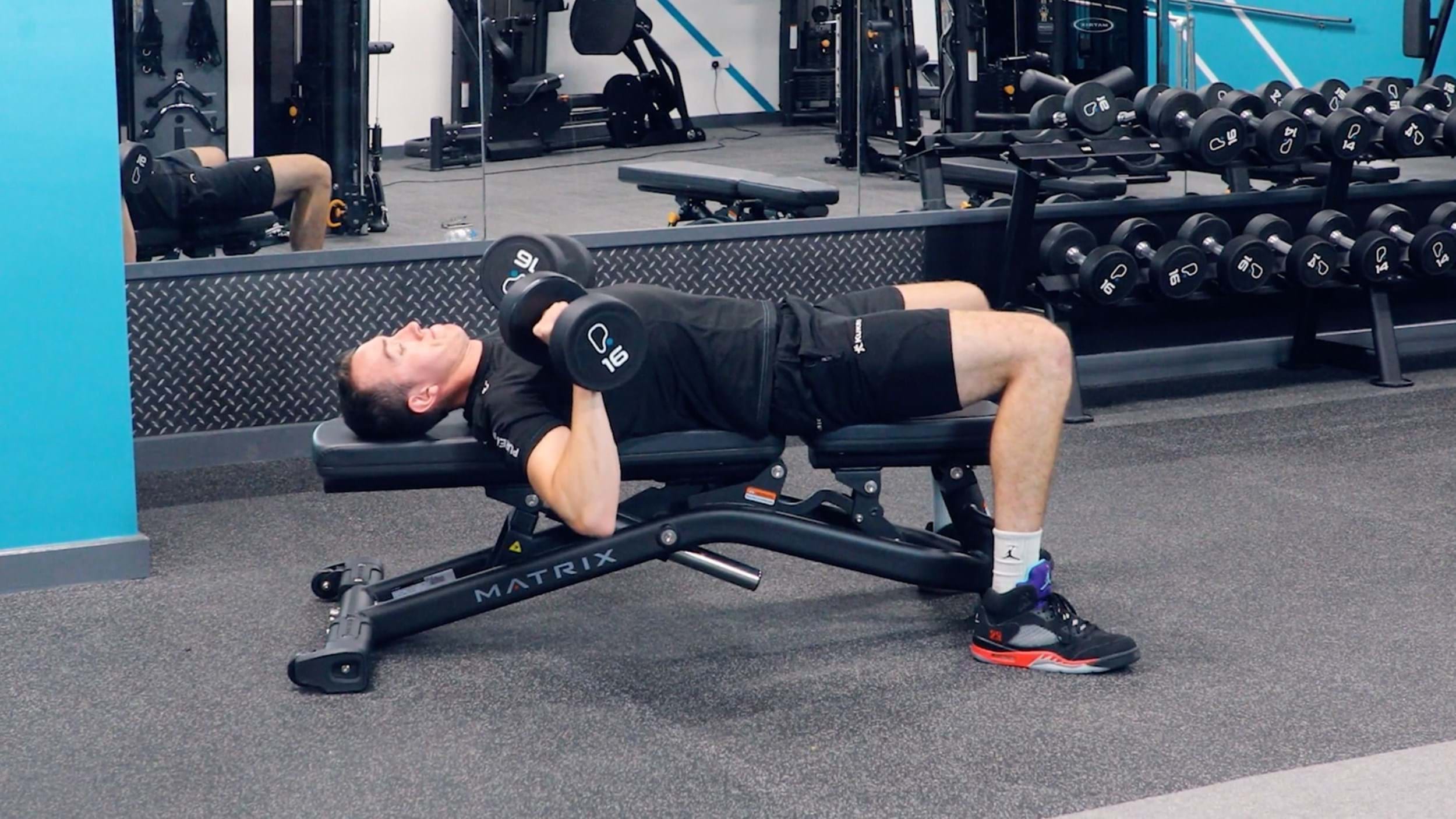
Lie back with your feet flat on the floor. Keep your back pressed lightly against the bench. Your head, shoulders, and hips should stay aligned. Keep a natural curve in your lower back. Avoid arching too much or flattening completely. Tighten your core to support your spine. This keeps your body stable during the press.
Step-by-step Execution
Performing the Low Dumbbell Bench Press correctly ensures safety and better results. Follow each step carefully to get the most from this exercise. This guide breaks down the process into clear, simple parts.
Starting Position
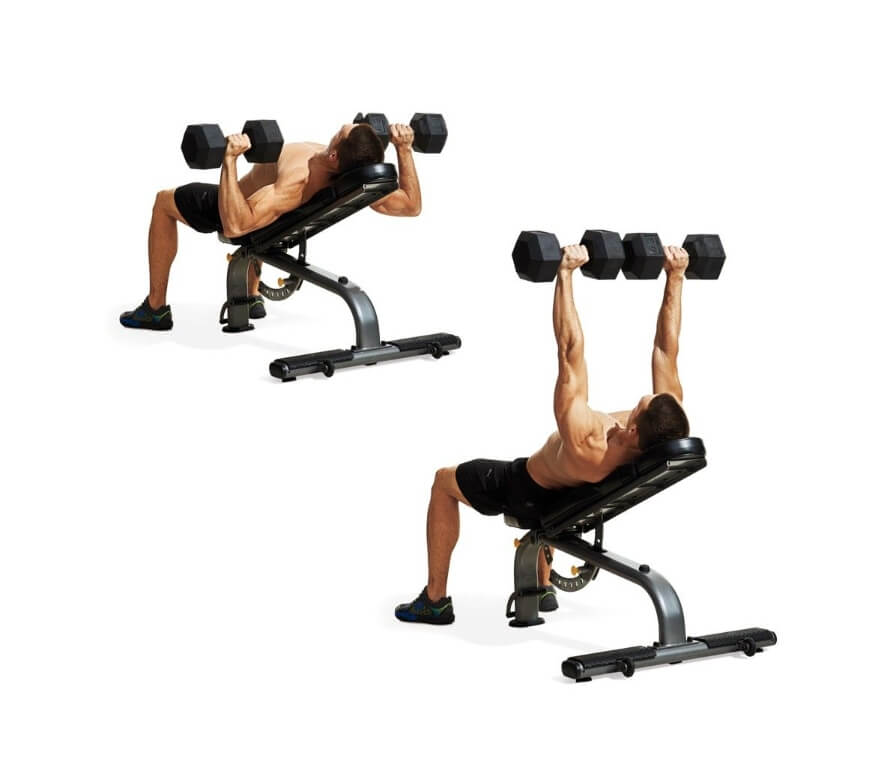
Lie flat on a bench with your feet on the ground. Hold a dumbbell in each hand near your chest. Keep your elbows bent at about 90 degrees. Your back should stay pressed against the bench. This setup helps protect your shoulders and prepares you for the press.
Controlled Descent
Slowly lower the dumbbells toward your lower chest. Move in a steady, controlled way. Avoid dropping the weights too fast. Keep your elbows close to your body. This control builds muscle and reduces injury risk.
Powerful Press
Push the dumbbells up from your lower chest. Extend your arms fully but don’t lock your elbows. Use strong, steady force. Focus on pressing the weights straight up. This move strengthens your chest, shoulders, and triceps.
Breathing Techniques
Inhale deeply as you lower the dumbbells. Exhale forcefully while pushing the weights up. Proper breathing helps maintain rhythm and energy. It also supports better muscle control and endurance.
Common Mistakes To Avoid
The Low Dumbbell Bench Press is a great exercise for your chest and arms. Many make mistakes that slow progress or cause injury. Avoiding these errors helps you get better results safely.
Focus on form over speed or weight. Small changes can make a big difference in your workout. Here are common mistakes to watch out for.
Overarching The Back
Arching your back too much puts strain on your spine. Keep your back flat or slightly curved. Press your feet firmly on the floor. Tighten your core to support your body. This keeps your posture safe and stable.
Flaring Elbows
Letting your elbows flare out wide can hurt your shoulders. Keep your elbows at about a 45-degree angle. This protects your joints and targets chest muscles better. Control the movement slowly for better results.
Using Excessive Weight
Choosing weights that are too heavy reduces control. It makes your form sloppy and risks injury. Start with light dumbbells to learn the movement. Increase weight only when you can lift safely and cleanly.
Programming For Strength Gains
Programming for strength gains with the low dumbbell bench press requires a clear plan. This plan focuses on the right sets, reps, and load increases. It also balances this exercise with other chest movements. Correct programming helps build muscle and improve power effectively.
Choosing Sets And Reps
Sets and reps decide how your muscles respond. For strength, choose heavier weights with fewer reps. Aim for 3 to 5 sets of 4 to 6 reps. Rest for 2 to 3 minutes between sets to recover well. This approach targets muscle fibers that grow stronger.
Incorporating Progressive Overload
Progressive overload means gradually raising the challenge. Increase the weight or reps slightly every week. This forces your muscles to adapt and grow. Keep track of your progress to avoid plateaus. Small, consistent steps lead to better strength gains.
Balancing With Other Chest Exercises
The low dumbbell bench press works the chest, shoulders, and triceps. Balance it with other exercises like push-ups or incline presses. This ensures all chest areas develop evenly. Vary your routine to prevent boredom and reduce injury risk. A balanced approach gives better overall chest strength.
Nutrition Tips For Muscle Growth
Nutrition plays a key role in building muscle with the low dumbbell bench press. Eating the right foods helps repair and grow your muscles after workouts. Proper nutrition boosts your strength and stamina for better results.
Focus on eating enough protein, calories, and water. These support muscle recovery and growth. Here are some simple tips to guide your nutrition plan.
Protein Intake
Protein is the building block of muscle. Aim to eat protein at every meal to support muscle repair. Good sources include chicken, fish, eggs, and beans. Try to consume 1.2 to 2 grams of protein per kilogram of body weight daily. Protein shakes can help if you struggle to get enough from food.
Caloric Surplus Strategies
Eating more calories than you burn helps muscles grow. Focus on healthy calorie sources like whole grains, nuts, and fruits. Avoid junk food, which can harm your progress. Track your calories to make sure you eat slightly above maintenance. Small, frequent meals can make it easier to increase calories.
Hydration Importance
Water keeps your muscles working well. It helps transport nutrients and remove waste. Drink water before, during, and after your workouts. Aim for at least 8 glasses a day. Dehydration can cause muscle cramps and slow recovery.
Recovery And Injury Prevention
Recovery and injury prevention play a big role in your progress with the low dumbbell bench press. Proper care helps your muscles heal and grow stronger. Avoiding injuries keeps your training consistent and safe. Focusing on rest, mobility, and body signals reduces the risk of strain or damage.
Rest Days And Sleep
Rest days let your muscles recover from the workout stress. Taking breaks prevents overuse injuries. Sleep is where your body repairs itself. Aim for 7 to 9 hours of good sleep each night. Quality rest supports muscle growth and reduces fatigue.
Stretching And Mobility Work
Stretching improves flexibility around your chest and shoulders. It helps maintain a full range of motion for the bench press. Mobility exercises keep joints healthy and strong. Spend a few minutes daily on gentle stretches. This can lower the chance of muscle tightness and injury.
Listening To Your Body
Pay attention to pain or unusual discomfort during exercise. Stop if something feels wrong or sharp. Avoid pushing through persistent soreness or sharp pain. Adjust your workout intensity or take extra rest if needed. Your body’s signals help prevent serious injuries.
Credit: www.puregym.com
Credit: www.acquetech.com
Frequently Asked Questions
What Muscles Does The Low Dumbbell Bench Press Target?
The low dumbbell bench press mainly targets the lower chest muscles. It also engages the triceps and shoulders for stability and strength during the movement.
How To Perform The Low Dumbbell Bench Press Correctly?
Lie on a bench with dumbbells at chest level. Press the weights upward, keeping elbows slightly tucked. Lower slowly and repeat with control.
What Are The Benefits Of Low Dumbbell Bench Press?
This exercise improves lower chest definition and strength. It enhances muscle balance, stability, and reduces the risk of shoulder injuries.
How Much Weight Should I Use For Low Dumbbell Bench Press?
Choose a weight that allows 8-12 controlled reps with proper form. Avoid weights that cause strain or compromise technique.
Conclusion
The low dumbbell bench press helps build strong chest muscles. It also works your shoulders and triceps well. Using dumbbells allows better control and balance during the exercise. Start with light weights and focus on good form. Gradually increase the weight as you get stronger.
Consistency is key for seeing real progress. Keep your movements steady and avoid rushing. This exercise fits well into any strength workout plan. Try it regularly to improve your upper body strength and shape. Simple, effective, and easy to do at home or gym.


