When it comes to protecting your bike, not all locks are created equal. You might wonder, how many bike lock levels of security are there?
Knowing this can help you pick the right lock to keep your bike safe from thieves. Whether you leave your bike outside for a few minutes or all day, understanding these security levels will give you peace of mind. Keep reading to find out exactly what each level means and how to choose the best lock for your needs.
Your bike’s safety depends on it!

Credit: thebestbikelock.com
Bike Lock Security Levels
Bike locks come in different security levels to protect your bike. Each level matches a type of lock and the risk of theft. Choosing the right security level saves your bike from being stolen.
Understanding these levels helps you pick the best lock for your needs. Some locks work well in low-risk areas. Others offer strong protection for busy or high-theft places.
Low Security Bike Locks
Low security locks are light and easy to carry. They protect against quick thefts in safe areas. These locks use thin cables or chains. They stop casual thieves but fail against tools.
Medium Security Bike Locks
Medium security locks offer better protection for daily use. They use thicker cables or stronger chains. U-locks with medium grade materials fit this group. They resist bolt cutters and simple attacks.
High Security Bike Locks
High security locks are heavy and strong. They use hardened steel and complex designs. These locks resist cutting, picking, and hammering. Ideal for locking bikes in busy cities or long periods.
Extra High Security Bike Locks
Extra high security locks provide the best protection available. They combine thick steel with advanced locking systems. Many have anti-pick and anti-drill features. These locks suit expensive bikes and high-risk areas.

Credit: thebestbikelock.com
Common Security Ratings
Bike locks come with various security ratings. These ratings help riders pick the right lock. They show how strong and safe a lock is. Many systems test locks and give them scores. This guide covers the common security ratings used worldwide.
Sold Secure Ratings
Sold Secure is a popular testing group. It checks locks for strength and durability. Locks get ratings like Bronze, Silver, and Gold. Bronze means basic protection. Silver is better for moderate risk areas. Gold offers the highest security for risky places. Many insurance companies accept Sold Secure ratings.
Art Ratings
ART is a Dutch certification system. It tests bike locks with strict methods. Locks earn stars from one to five. More stars mean higher security. Five-star locks resist professional thieves best. ART also works with insurers to guide buyers. It is trusted in Europe and beyond.
Other Certification Systems
Some countries use unique ratings for locks. For example, VdS is common in Germany. It rates locks based on break-in time. Another is the CEN system in Europe. It has three levels: CEN 1, 2, and 3. Each level shows the lock’s strength. Knowing these ratings helps choose the right lock.
Types Of Bike Locks By Security
Choosing the right bike lock depends on the security level you need. Different types of locks offer different protection. Knowing the types helps you pick one that fits your bike and area. Each lock type has pros and cons. Some are easy to carry, while others provide strong security.
Cable Locks
Cable locks are light and flexible. They are easy to carry and use. Good for low-risk areas or short stops. They can protect your bike from quick theft. But, they can be cut by strong tools. Not the best for high-theft areas.
Chain Locks
Chain locks are heavy and strong. Made from thick metal links. They offer better security than cable locks. Good for locking your bike to fixed objects. Chains with thick links resist cutting tools. They are heavier but protect well in risky places.
U-locks
U-locks are solid and hard to break. Shaped like a “U” with a strong metal bar. They fit tightly around your bike and a secure object. Offer high security against thieves. They are small and easy to carry. Best for medium to high-risk areas.
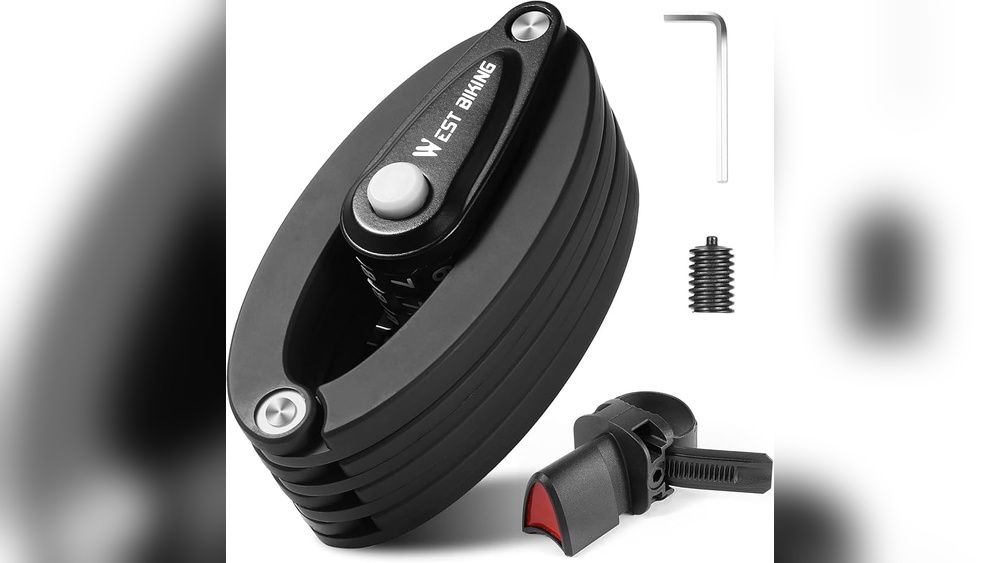
Folding Locks
Folding locks combine security and portability. Made of metal plates connected by rivets. Fold into a compact size for easy transport. Stronger than cable locks and flexible like chains. Good for city riders needing balance of security and convenience.
Factors Affecting Lock Security
Several factors affect how secure a bike lock is. Understanding these can help you pick the right lock. Each aspect plays a key role in stopping thieves. The strength and design of the lock matter most. Let’s explore the main factors that influence lock security.
Material Strength
The material used in a bike lock decides its toughness. Hard metals like hardened steel resist cutting and breaking. Cheaper metals bend or snap easily. Some locks also have coatings to stop rust. Strong material means a lock lasts longer and offers better protection.
Locking Mechanism
The type of locking system impacts security level. U-locks, cable locks, and chain locks all use different mechanisms. Some locks have complex keyways or combination dials. Simple locks can be picked or forced open quickly. A good locking mechanism makes it harder to tamper with the lock.
Lock Size And Weight
Size and weight affect both security and convenience. Larger locks cover more frame parts and resist leverage attacks. Heavier locks usually use stronger materials. Small locks are easier to carry but less secure. Choose a size that balances protection and ease of use.
Choosing The Right Security Level
Choosing the right bike lock security level matters a lot. It helps protect your bike from theft. Not all bikes need the same lock strength. Picking the right level saves money and keeps your bike safe.
Based On Theft Risk
Think about where you park your bike. High theft areas need stronger locks. Busy city streets or dark places are risky. Use heavy-duty locks there. Low theft areas can use lighter locks. Match the lock to the risk level.
Based On Bike Value
Expensive bikes need better protection. Cheap bikes can use simpler locks. A strong lock matches a high-value bike. This stops thieves from stealing your costly bike. Protect your investment with the right lock.
Based On Location
Indoor parking needs less security than outdoor. Locked garages are safer than open streets. Use a medium lock for indoor spots. Outdoor places need strong locks. Weather and visibility affect lock choice too.
Tips To Maximize Bike Security
Keeping your bike safe needs more than just a good lock. Use smart ways to stop thieves and protect your ride. Small steps can make a big difference in bike security.
Here are some simple tips to help you keep your bike safe every time you leave it.
Proper Locking Techniques
Lock your bike frame to a solid, fixed object. Avoid locking only the wheel or the seat. Use a lock that fits tightly around your bike and the object. Keep the lock off the ground to make it harder to break. Choose busy and well-lit places to park your bike.
Using Multiple Locks
Use two different types of locks for extra safety. A U-lock and a cable lock work well together. Secure both the frame and the wheels. Thieves find it harder to steal bikes with more than one lock. This method adds time and effort for them to break in.
Regular Lock Maintenance
Check your locks often for damage or rust. Clean and lubricate locks to keep them working smoothly. Replace any worn or broken locks right away. A well-maintained lock stays strong and lasts longer. This reduces the chance of failure during an attempted theft.

Credit: www.amazon.com
Frequently Asked Questions
How Many Security Levels Do Bike Locks Have?
Bike locks typically have three to five security levels. These range from basic low-level locks to high-security models designed for heavy-duty protection. Each level offers different resistance against theft methods, helping you choose the right lock for your needs and location.
What Distinguishes Each Bike Lock Security Level?
Each security level differs in material strength, lock design, and resistance to cutting or picking. Lower levels suit short-term or low-risk areas, while higher levels provide enhanced protection with hardened steel and complex locking mechanisms for high-risk zones.
Which Bike Lock Level Is Best For Urban Areas?
For urban areas, a mid to high-level security lock is recommended. These locks resist common theft tools and techniques. They offer a good balance of portability and protection against opportunistic thieves in busy city environments.
Are Higher Security Bike Locks Worth The Cost?
Yes, higher security bike locks are worth the investment. They provide stronger protection against theft, reducing the risk of losing your bike. Investing in a reliable lock can save you money and hassle in the long run.
Conclusion
Bike locks come in several security levels to fit different needs. Choosing the right level helps keep your bike safe. Basic locks work for short stops in low-risk areas. Stronger locks suit longer parking times or busy places. Remember, no lock is completely theft-proof.
Combine good locking habits with the right lock for best results. Protect your bike wisely by understanding these security levels. This knowledge helps you make smart choices every time.