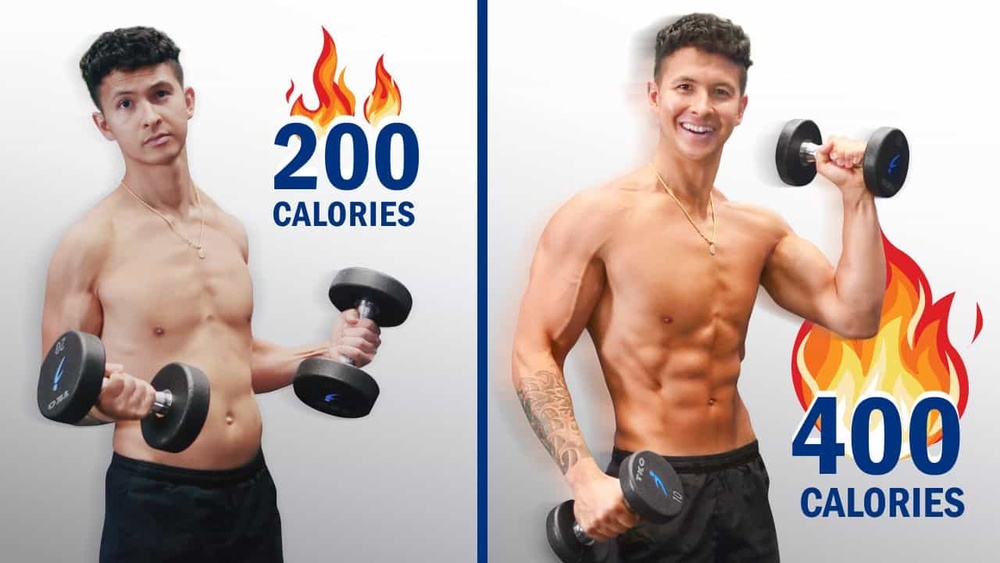
Are you curious about how many calories you burn when using dumbbells? Whether you’re lifting light weights or pushing yourself with heavier ones, knowing the calorie burn can help you reach your fitness goals faster.
Imagine turning your dumbbell workout into a powerful fat-burning session. You’ll discover exactly how your body burns calories with dumbbells, what factors affect the burn, and simple tips to maximize your results. Keep reading—you’re about to unlock the secret to making every rep count!
Calorie Burn Basics
Understanding calorie burn is important for anyone using dumbbells. Calories are energy your body uses during exercise and daily activities. Knowing how many calories you burn helps manage weight and improve fitness.
Using dumbbells adds effort to your workout. This effort translates to calorie burn. But the exact amount depends on several things.
Factors Influencing Calorie Burn
Your age, weight, and fitness level affect calorie burn. Heavier people burn more calories doing the same exercise. Younger people often burn calories faster than older adults.
The type of exercise matters too. Slow movements burn fewer calories than fast, intense ones. The duration and intensity of your workout play big roles as well.
How Dumbbells Impact Metabolism
Using dumbbells builds muscle. Muscle tissue burns more calories than fat, even at rest. This means your metabolism gets a boost after strength training.
Dumbbell exercises increase heart rate and energy use. The body keeps burning calories after your workout ends. This effect is called afterburn and helps with fat loss.
Calories Burned By Dumbbell Exercises
Dumbbell exercises help burn calories while building muscle. They offer a mix of strength and cardio benefits. Using dumbbells increases the effort your body makes. This boosts your calorie burn compared to bodyweight exercises alone.
Knowing how many calories you burn helps plan workouts better. It guides how long and how hard you should train. Let’s explore common dumbbell workouts and their calorie burn rates.
Common Dumbbell Workouts
Some popular dumbbell exercises include bicep curls, shoulder presses, and lunges. Squats with dumbbells also work many muscles. Deadlifts and rows target the back and legs. These moves use multiple muscles, increasing calorie burn.
Calories Burned Per Exercise
Calories burned depend on the exercise type and effort. Bicep curls burn around 3 to 5 calories per minute. Dumbbell squats can burn 6 to 10 calories per minute. Rows and deadlifts burn roughly 5 to 8 calories per minute. Compound movements burn more calories than isolated ones.
Intensity And Duration Effects
Higher intensity raises the calorie burn rate. Lifting heavier dumbbells increases muscle engagement. Longer workout sessions also boost total calories burned. Short, intense sets can burn calories quickly. Slow, steady exercises burn calories over a longer time.
Body Weight And Calorie Burn
Body weight plays a big role in how many calories you burn during dumbbell exercises. Your weight affects how much effort your body uses to move. Heavier bodies burn more calories even when doing the same exercises as lighter bodies. This is because moving more mass requires more energy.
Understanding this helps you plan workouts that fit your size. Everyone burns calories differently, so adjust your routine to match your body weight. This makes your exercise more effective and helps you reach your fitness goals faster.
How Weight Affects Energy Use
Your body weight directly impacts calorie burn. The heavier you are, the more energy it takes to lift dumbbells. This means you burn more calories doing the same workout than someone lighter. Muscle mass also matters. More muscle means higher calorie use, even at rest.
Calorie burn is not just about dumbbells but the total effort your body puts in. Larger bodies use more energy to move and stabilize during exercises. This extra work increases the calories you burn.
Adjusting Workouts For Your Size
Adjust dumbbell weight and repetitions based on your body size. Heavier people can use heavier dumbbells or more reps for a good workout. Lighter people should choose weights they can control without strain. This helps avoid injury and keeps workouts effective.
Focus on form and steady progress. Gradually increase weight or reps to match your growing strength. This approach helps burn calories safely and improves overall fitness.
Credit: us.myprotein.com
Combining Dumbbells With Cardio
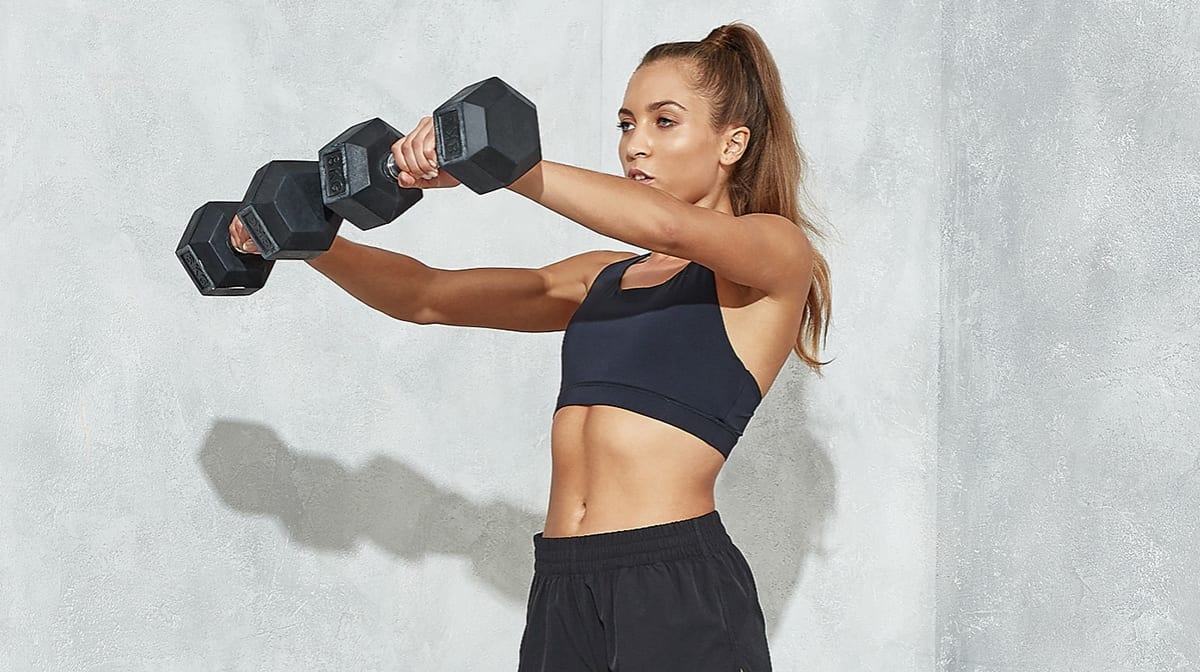
Combining dumbbells with cardio exercises helps burn more calories. It also improves strength and endurance. This mix makes workouts more effective and interesting. You use muscles differently, which helps prevent boredom and plateaus.
Using dumbbells during cardio boosts your heart rate faster. It challenges your muscles and your lungs at the same time. This leads to better fat burning and muscle toning. You get more benefits in less time.
Benefits Of Mixing Strength And Cardio
Mixing dumbbells with cardio improves overall fitness. It builds muscle while increasing your heart health. This combination burns more calories than doing just one type of exercise. It also helps with weight loss and muscle definition.
Strength training with dumbbells raises your metabolism. Cardio keeps your heart strong and lungs healthy. Together, they improve balance and coordination. Your body becomes more efficient at burning fat and staying fit.
Sample Workout Routines
Try 30 seconds of jumping jacks holding light dumbbells. Follow with 30 seconds of dumbbell squats. Repeat for 3 to 4 rounds with short breaks. This routine burns calories and tones muscles.
Combine dumbbell lunges with alternating punches for 40 seconds each. Rest for 20 seconds and repeat 3 times. This targets your legs, arms, and raises your heart rate.
Tracking Your Progress
Tracking your progress helps you understand how many calories you burn with dumbbells. It keeps you motivated and shows your improvements over time. Watching your progress also helps you adjust your workouts for better results.
Using Fitness Trackers
Fitness trackers measure your heart rate and movement during exercises. They use this data to estimate how many calories you burn. Wearing a tracker while using dumbbells gives you real-time feedback. It helps you see which workouts burn more calories. Some trackers sync with apps to store your progress automatically.
Calculating Estimated Calorie Burn
You can calculate calories burned using formulas based on weight, exercise time, and intensity. Many websites and apps offer calorie calculators for dumbbell exercises. Enter your weight, exercise duration, and effort level for an estimate. This method is simple and helps you track your daily calorie burn. Combining this with fitness trackers gives a clearer picture of your progress.

Credit: www.youtube.com
Tips To Maximize Calorie Burn
Maximizing calorie burn with dumbbells requires smart strategies. Small changes can lead to big results. Focus on key areas for better workout efficiency and faster calorie loss.
Proper Form And Technique
Good form reduces injury risk and improves exercise effectiveness. Hold the dumbbells firmly and keep your back straight. Move slowly and control every lift and drop. Engage your core to stabilize your body. Proper technique targets muscles better and burns more calories.
Increasing Workout Intensity
Raise intensity to burn extra calories. Use heavier dumbbells carefully to challenge muscles. Add more reps or sets to extend your workout. Try shorter rest periods between exercises. Combine exercises like squats with shoulder presses for full-body effort.
Rest And Recovery Importance
Rest allows muscles to heal and grow stronger. Avoid skipping recovery days to prevent fatigue. Sleep well to support energy and muscle repair. Proper recovery helps maintain workout quality and consistent calorie burn. Balance effort with rest for steady progress.

Credit: gunsmithfitness.com
Frequently Asked Questions
How Many Calories Do Dumbbell Workouts Burn?
Dumbbell workouts burn around 200-400 calories per 30 minutes. The exact amount depends on intensity, weight, and exercise type. Higher weights and faster pace increase calorie burn effectively.
Does Dumbbell Weight Affect Calorie Burn?
Yes, heavier dumbbells increase muscle engagement and calorie burn. Using heavier weights forces muscles to work harder. This results in more calories burned during and after workouts.
Can Dumbbells Help With Fat Loss?
Dumbbells aid fat loss by boosting metabolism and building muscle. Muscle growth increases resting calorie burn. Combining dumbbell exercises with cardio enhances fat loss results.
How Does Workout Intensity Impact Calories Burned?
Higher workout intensity raises heart rate and calorie burn. Intense dumbbell exercises require more energy. Adding supersets or shorter rest periods increases total calories burned.
Conclusion
Dumbbell workouts burn calories and build muscle effectively. The exact amount depends on weight, reps, and effort. Using dumbbells regularly helps improve strength and metabolism. Small sessions add up to big results over time. Stay consistent and focus on good form.
Remember, every movement counts toward burning calories. Keep challenging yourself to see steady progress. This simple tool fits well in any fitness plan. Start with light weights and increase gradually. Your body will thank you for the effort.


