Are you curious about how many calories you burn when doing the dumbbell press? Whether you’re trying to lose weight, build muscle, or just stay fit, knowing the calorie burn can help you make smarter workout choices.
You’ll discover the real impact of the dumbbell press on your calorie count and how it fits into your fitness goals. Keep reading to unlock the facts that can boost your workout results and keep you motivated every step of the way.
Calories Burned During Dumbbell Press
The dumbbell press is a popular exercise for building upper body strength. It mainly targets the chest, shoulders, and triceps. Besides muscle gain, it also burns calories. Knowing how many calories you burn helps track your fitness progress and manage weight.
Calorie burn during dumbbell press depends on several factors. These include your body weight, exercise intensity, and duration. Understanding these can help you optimize your workouts for better results.
Factors Affecting Calorie Burn
Body weight plays a big role. Heavier people burn more calories doing the same exercise than lighter people.
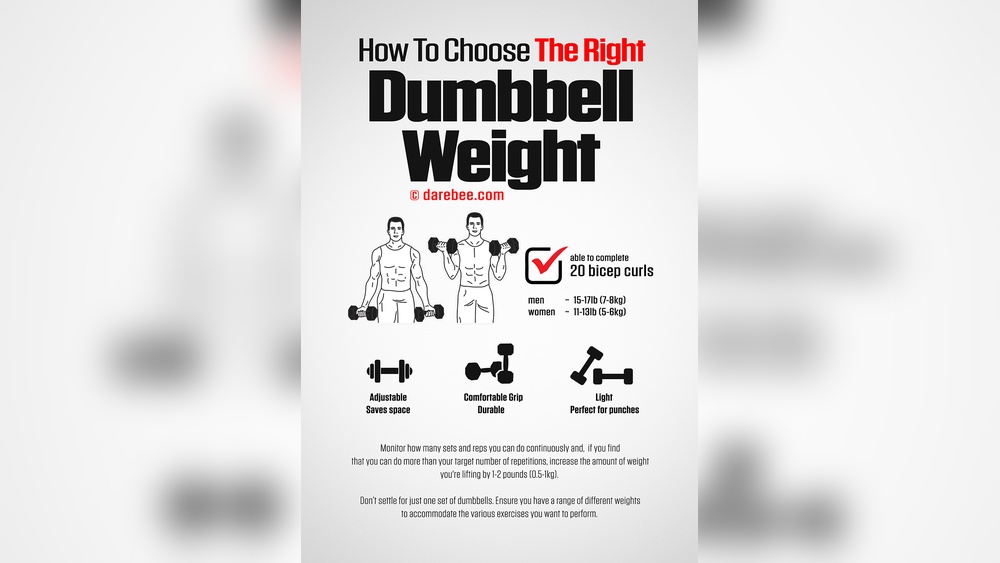
The intensity of the dumbbell press matters. Lifting heavier weights or doing more reps increases calorie burn.
The workout duration also changes calorie use. Longer sessions burn more calories overall.
Your fitness level impacts calorie burn too. Beginners may burn fewer calories than experienced lifters.
Average Calorie Burn Estimates
On average, a 155-pound person burns about 112 calories in 30 minutes of weight lifting.
A dumbbell press usually burns fewer calories than cardio but still adds up.
For 15 minutes of dumbbell press, expect around 50 to 70 calories burned.
These are estimates and can vary based on the factors above.
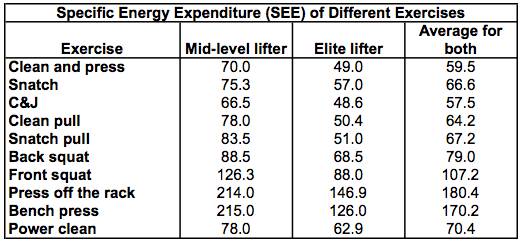
Credit: breakingmuscle.com
Dumbbell Press Variations
Dumbbell press exercises target the chest, shoulders, and arms. Different variations change the angle of the press. This affects which muscles work hardest. It also influences how many calories you burn during the workout.
Each variation offers a unique challenge. Using different angles helps avoid workout boredom. It also helps develop strength evenly in the upper body.
Flat Dumbbell Press
The flat dumbbell press is the classic version. You lie on a flat bench and press the dumbbells upward. This move mainly works the middle chest muscles. It also engages the shoulders and triceps. The flat position burns a moderate amount of calories. It is good for building overall chest strength.
Incline Dumbbell Press
The incline dumbbell press uses a bench set at about 30 to 45 degrees. This angle targets the upper chest and front shoulders more. It requires more effort to stabilize the weights. This burns more calories than the flat press. The incline press helps shape the upper chest area.
Decline Dumbbell Press
The decline dumbbell press is done on a bench set at a downward angle. This hits the lower chest muscles more than other presses. It can be easier on the shoulders for some people. The decline press burns calories at a similar rate to the flat press. It helps create a balanced chest look.
Muscles Targeted
The dumbbell press works several muscles in the upper body. It builds strength and helps burn calories. Knowing which muscles are targeted helps you understand its benefits better. This section explains the main muscles involved in the dumbbell press.
Primary Muscle Groups
The chest muscles, called the pectorals, do most of the work. They push the dumbbells upward. The deltoids, or shoulder muscles, also play a big role. They help lift and stabilize the weight. The triceps on the back of the arms extend the elbows during the press. These three muscles work hard to complete the movement.
Supporting Muscle Engagement
Other muscles help support the press. The upper back muscles keep your shoulders stable. The core muscles tighten to hold your body steady. The forearm muscles grip the dumbbells firmly. These smaller muscles assist the main muscles and prevent injury. They make the dumbbell press a full upper-body exercise.
Maximizing Fat Burn
Maximizing fat burn during the dumbbell press helps you get better results. The number of calories burned depends on how hard you work. Small changes can make your workout more effective. Focus on intensity, rest, and workout structure.
These tips help you burn more calories and build strength. Your body keeps burning calories even after your workout. This is called the afterburn effect. Use this to your advantage.
Increasing Intensity
Lift heavier dumbbells to challenge your muscles. Push yourself to do more reps or sets. Try to avoid long breaks between sets. This keeps your heart rate up and burns more calories. Higher intensity increases muscle fatigue and calorie burn.
Incorporating Supersets
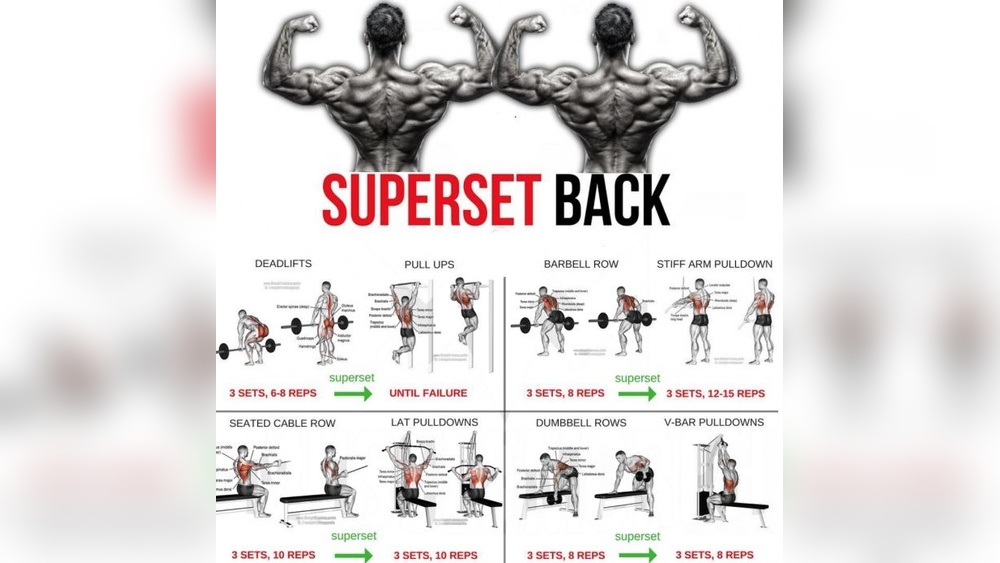
Supersets combine two exercises back to back. Do a dumbbell press followed by another exercise like push-ups. This keeps muscles working without rest. It raises your heart rate and calorie burn. Supersets save time and improve workout flow.
Adjusting Rest Periods
Short rest periods keep your body working hard. Rest for 30 to 60 seconds between sets. This keeps your heart rate elevated. Less rest means more calories burned. Avoid resting too long or your body will slow down.
Combining Dumbbell Press With Cardio
Combining dumbbell press with cardio can boost your fitness results. It helps burn more calories than doing either exercise alone. This mix improves both strength and heart health. You build muscle and increase endurance at the same time. This approach keeps workouts fresh and stops boredom. It also speeds up fat loss by raising your metabolism. Many people find mixed training more fun and motivating.
Benefits Of Mixed Training
Mixed training improves overall body fitness. Cardio raises your heart rate and burns fat fast. Dumbbell press builds upper body strength. Together, they balance muscle and endurance. This helps your body work better daily. Mixed workouts reduce injury risk by strengthening muscles and joints. They also improve posture and coordination. Your energy levels rise after regular sessions. You can exercise longer without feeling tired. This method supports weight loss and muscle gain.
Sample Workout Routines
Try this simple routine to combine dumbbell press and cardio. Start with 3 sets of 12 dumbbell presses. Rest for 30 seconds between sets. Then do 5 minutes of jumping jacks or jogging in place. Repeat this cycle 3 times. Another option is 4 sets of dumbbell presses. Follow each set with 1 minute of fast skipping rope. Rest for 1 minute after each round. These routines increase calorie burn and build strength. Adjust the time and sets based on your fitness level.
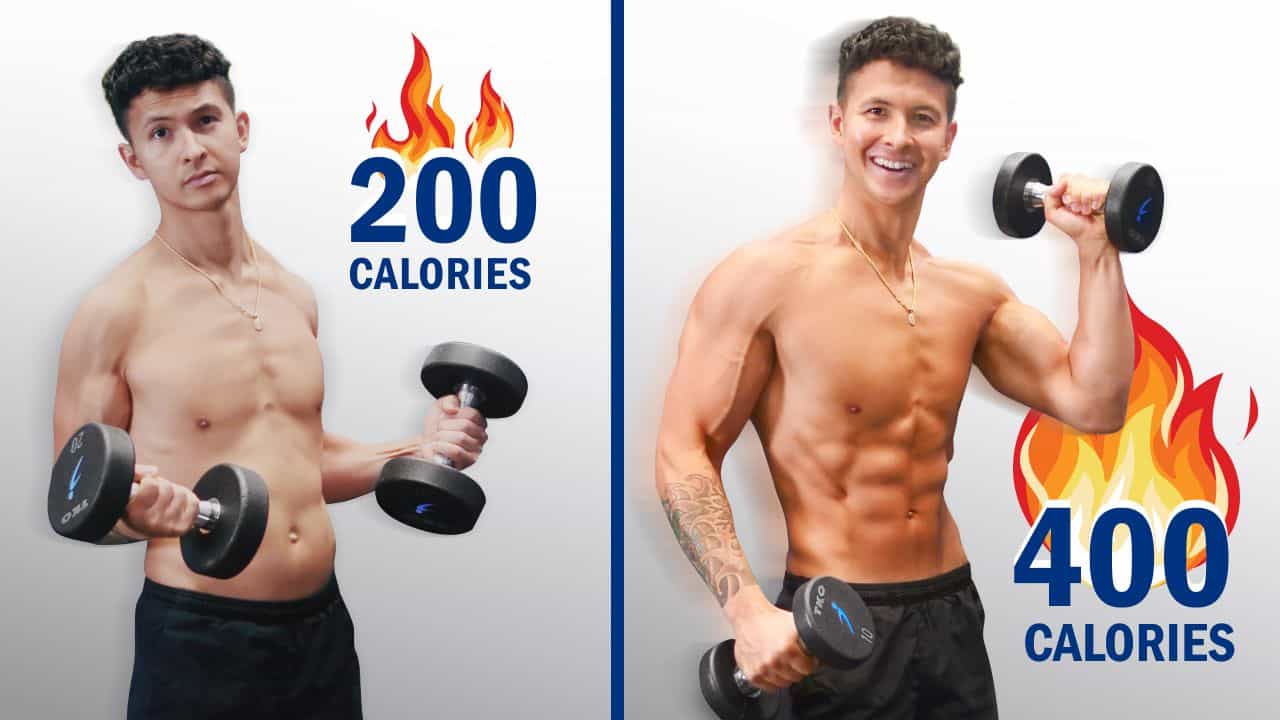
Credit: builtwithscience.com
Nutrition Tips For Fat Loss
Nutrition plays a big role in fat loss. Eating right helps you burn calories better. It supports your workouts, like dumbbell presses. Good nutrition keeps your energy up and muscles strong. It makes losing fat easier and keeps you healthy.
Focus on what you eat and how much. Small changes in your diet can lead to big results. Here are two key tips to guide your nutrition for fat loss.
Calorie Deficit Strategies
Burning more calories than you eat is the key to fat loss. This is called a calorie deficit. You can create it by eating less or moving more. Start by tracking your daily calories for a few days. Then, reduce your intake by 200 to 500 calories per day. This helps you lose fat without feeling too hungry. Avoid crash diets that cut calories too much. They can slow down your metabolism and make you tired.
Macronutrient Balance
Your body needs the right mix of protein, carbs, and fats. Protein helps build and repair muscles after workouts. It also keeps you full longer. Carbs give you energy for exercise and daily tasks. Choose whole grains and vegetables over sugary foods. Healthy fats support your brain and hormone health. Include sources like nuts, seeds, and olive oil. A balanced diet helps you lose fat while keeping your body strong.
Tracking Progress
Tracking progress is key to understanding how many calories the dumbbell press burns. It helps you see results and stay motivated. Without tracking, it is hard to know if your effort is paying off. Simple methods make tracking easy and effective.
Using Fitness Apps
Fitness apps provide a quick way to track calories burned during workouts. Many apps let you log exercises and estimate calorie burn. They use your weight, age, and exercise type to give a close estimate. Some apps also track sets, reps, and rest time. This data helps you improve your workout over time. Using apps keeps your progress organized and easy to review.
Measuring Body Composition Changes
Body composition shows how much fat and muscle you have. Changes in body fat and muscle mass tell if your workout works well. You can use scales or devices to measure body composition. Tracking these changes helps you see real results beyond the scale. It shows if you are gaining muscle and losing fat. This method gives a clearer picture of your fitness progress.

Credit: www.heavymettlefitness.com
Frequently Asked Questions
How Many Calories Does Dumbbell Press Burn Per Minute?
Dumbbell press burns approximately 5 to 7 calories per minute. The exact amount varies based on weight, intensity, and fitness level.
Does Dumbbell Press Help With Fat Loss Effectively?
Yes, dumbbell press aids fat loss by building muscle. More muscle increases metabolism, helping burn calories even at rest.
How Does Dumbbell Press Compare To Other Exercises In Calorie Burn?
Dumbbell press burns fewer calories than cardio but more than some strength exercises. It’s great for muscle tone and moderate calorie burn.
Can Dumbbell Press Increase Overall Metabolism?
Yes, dumbbell press builds muscle mass, which boosts metabolism. A higher metabolism means more calories burned throughout the day.
Conclusion
Dumbbell press burns a good amount of calories depending on effort. The number changes with weight, speed, and time spent. It helps build muscle and boosts metabolism. Combining it with other exercises improves overall calorie burn. Staying consistent will bring better results over time.
Remember, every small effort counts toward fitness goals. Keep pushing, and your body will respond well.