Are you wondering how many dumbbell deadlifts you should do to get the best results? Whether you want to build strength, tone your muscles, or improve your posture, the right number of reps can make all the difference.
Doing too few might slow your progress, while doing too many could lead to injury or burnout. You’ll discover the perfect balance tailored to your goals and fitness level. Keep reading to learn how to maximize every dumbbell deadlift for a stronger, healthier you.
Benefits Of Dumbbell Deadlifts
Dumbbell deadlifts offer many benefits for your body and fitness. This exercise helps build strength using simple movements. It fits well into most workout routines. Many people choose dumbbell deadlifts to improve their overall health and muscle tone.
They work several muscles at once and help with balance. This makes them a smart choice for beginners and experts alike. Below are some key benefits of dumbbell deadlifts.
Muscle Groups Targeted
Dumbbell deadlifts focus on multiple muscle groups. The main muscles worked are the hamstrings, glutes, and lower back. The quads and core also get a good workout. Your forearms and grip strength improve by holding the dumbbells. This full-body engagement helps build muscle evenly.
Improved Strength And Stability
This exercise builds strength in your hips, legs, and back. It also helps improve your posture. The movement trains your body to stay balanced. Core muscles engage to keep you stable during the lift. This leads to better control in other exercises and daily activities.
Injury Prevention
Dumbbell deadlifts strengthen muscles around joints. Strong muscles protect your knees and lower back. Good form in this exercise teaches proper lifting techniques. This reduces the risk of injury while lifting heavy objects. Regular practice can lower chances of strains and sprains.
Factors Influencing Reps And Sets
Choosing how many dumbbell deadlifts to do depends on several important factors. These factors affect how many repetitions and sets suit your body and goals. Understanding them helps you get the best results without risking injury.
Fitness Level
Your current fitness level shapes how many reps and sets you should perform. Beginners start with fewer reps and sets to build strength safely. Experienced lifters can do more reps and sets with heavier weights. Always listen to your body and increase gradually.
Training Goals
Your goals influence your workout plan. For muscle strength, use heavier weights with fewer reps, around 4 to 6 per set. For muscle endurance, lighter weights with more reps, like 12 to 15, work better. For general fitness, aim for moderate weights and reps between 8 and 12.
Weight Selection
The weight of your dumbbells affects reps and sets. Heavier weights mean fewer reps to avoid strain. Lighter weights allow more reps but need more sets for good results. Choose a weight that challenges you but feels safe throughout your workout.
Reps And Sets For Beginners
Starting dumbbell deadlifts can feel tricky. Knowing how many reps and sets to do helps build strength safely. Beginners need a clear plan to avoid injury and see steady progress. This section breaks down the best reps and sets for new lifters.
Focus on quality over quantity. Proper form matters more than heavy weights or many reps. Begin with manageable volumes and increase as your body adapts.
Starting With Proper Form
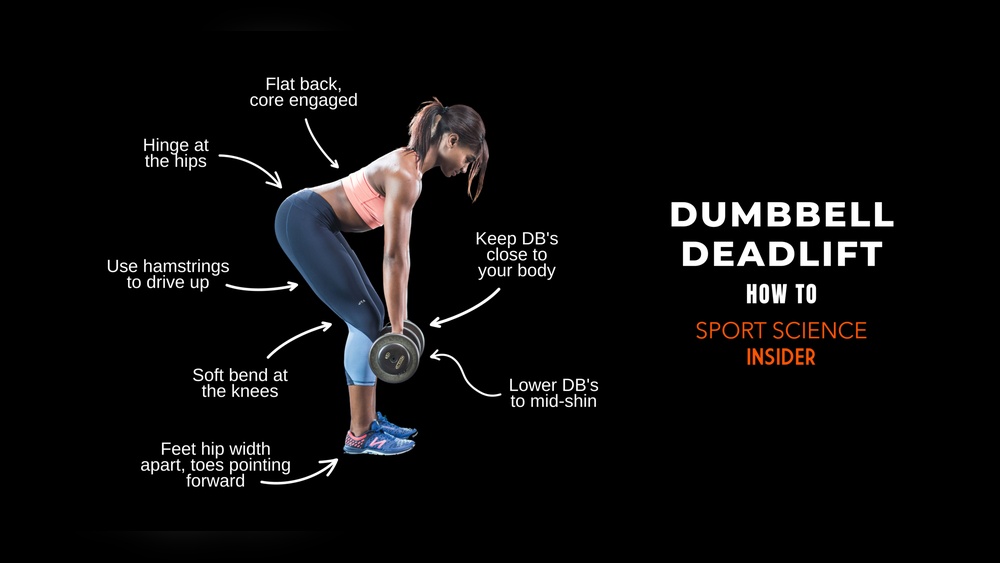
Learn the correct deadlift stance first. Feet shoulder-width apart, back straight, and core tight. Hold dumbbells firmly at your sides. Bend at the hips, not the lower back. Lower weights slowly while keeping your chest up. Stop when you feel a stretch in your hamstrings. Return to standing without locking your knees. Practice this movement before adding more reps or weight.
Recommended Volume
Start with 2 to 3 sets of 8 to 12 reps. This range builds strength and endurance well. Rest for 60 to 90 seconds between sets. Use light dumbbells to focus on form and muscle activation. Avoid pushing to muscle failure. Consistency beats intensity at the beginning.
Progression Tips
Increase reps or sets gradually each week. Add 1 to 2 reps per set or an extra set after two weeks. Raise dumbbell weight by small amounts when reps feel easier. Always keep form tight and controlled. Take rest days to allow muscles to recover. Track your progress to stay motivated and safe.
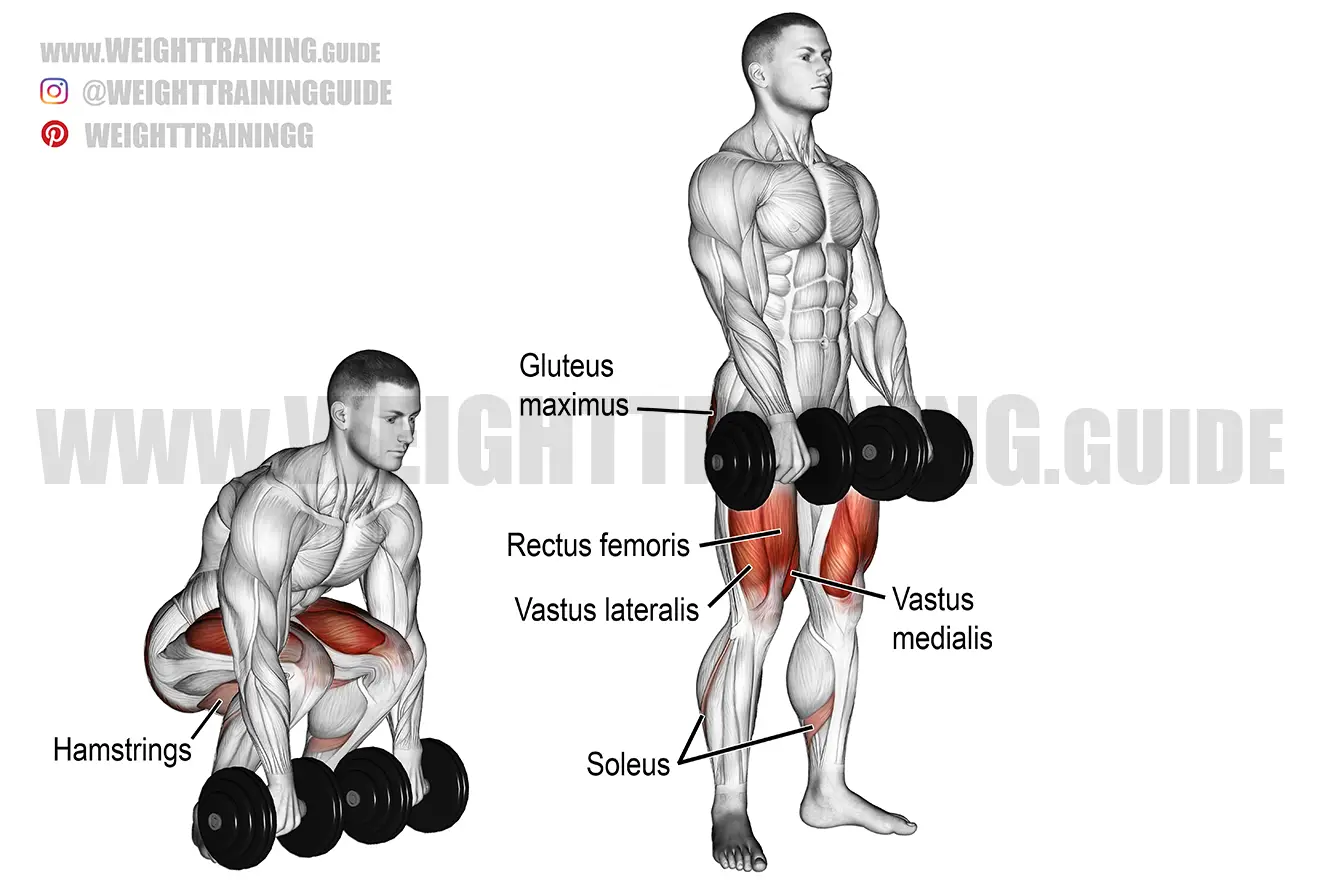
Credit: weighttraining.guide
Reps And Sets For Muscle Growth
Choosing the right number of reps and sets helps build muscle with dumbbell deadlifts. This part of your workout plan controls how your muscles respond and grow. Not all rep and set schemes work the same. Some boost strength, others grow muscle size. For muscle growth, specific ranges and rest times matter most.
Optimal Rep Range
For muscle growth, aim for 6 to 12 reps per set. This range creates enough tension to stress muscle fibers. It also causes muscle fatigue, which triggers growth. Doing fewer than 6 reps builds strength more than size. More than 12 reps focus on endurance instead of growth. Stick to 3 to 4 sets in this rep range.
Rest Periods
Rest between sets affects muscle recovery and growth. Take 60 to 90 seconds of rest for muscle growth. This rest length allows muscles to recover partly. It keeps enough fatigue to promote muscle building. Longer rests improve strength but reduce growth stimulus. Shorter rests increase endurance but lower lifting power.
Intensity Techniques
Use intensity techniques to increase muscle stress. Drop sets help push muscles beyond failure by reducing weight quickly. Supersets combine dumbbell deadlifts with other exercises for extra workload. Slow down your lifting speed to increase time under tension. These techniques make your muscles work harder, aiding growth.
Reps And Sets For Endurance
Building endurance with dumbbell deadlifts means focusing on reps and sets that keep your muscles working longer. Endurance training uses lighter weights and more repetitions. This helps your muscles stay strong and avoid fatigue over time.
Choosing the right reps and sets is key. You want enough volume to challenge your muscles but not so much that you risk injury or burnout. Below are effective ways to set up your endurance workouts.
Higher Repetition Strategies
For endurance, aim for 12 to 20 reps per set. Use lighter dumbbells that let you finish all reps with good form. Perform 3 to 4 sets in one session. This approach trains your muscles to last longer.
Keep your movements steady and controlled. Avoid rushing through reps. Rest for 30 to 60 seconds between sets to maintain stamina. This helps build muscle endurance without excessive strain.
Circuit Training Ideas
Circuit training mixes dumbbell deadlifts with other exercises. For example, combine deadlifts with bodyweight squats, push-ups, or planks. Do each exercise for 30 to 45 seconds, then move to the next without long breaks.
Complete 3 to 5 circuits for a full workout. This keeps your heart rate up and boosts overall endurance. Circuits add variety and make workouts less boring.
Balancing Volume And Recovery
Training endurance means balancing workout volume with proper rest. Too many sets can cause fatigue and injury. Allow 48 hours between endurance sessions for muscle recovery.
Listen to your body. Reduce reps or weight if you feel pain or extreme tiredness. Recovery helps your muscles grow stronger and prevents burnout. Balance is key for lasting progress.
Common Mistakes To Avoid
Doing dumbbell deadlifts can bring great benefits. Yet, many make common mistakes that hurt progress and cause injury. Avoid these errors to stay safe and improve faster.
Poor Form Risks
Bending the back during deadlifts causes strain and pain. Keep your spine straight and chest up. Lift with your legs, not your back. Poor form leads to injuries, like herniated discs and muscle tears. Practice slow and controlled movements to keep form tight.
Overtraining Signs
Doing too many reps or sets without rest causes overtraining. Watch for constant soreness or fatigue. Weak performance or joint pain can mean you need a break. Rest days help muscles recover and grow stronger. Balance workout and rest for best results.
Ignoring Warm-up And Cool-down
Skipping warm-up raises injury risks. Warm muscles move better and avoid strains. Start with light cardio or stretches before deadlifts. Cooling down after exercise helps reduce muscle tightness. Stretch or walk slowly to help recovery. Never skip these steps for safer workouts.
Tracking Progress And Adjusting Workouts
Tracking progress and adjusting workouts help you get stronger and avoid injury. It shows what works and what needs change. Tracking also keeps you motivated by showing your gains. Adjusting workouts stops plateaus and lets your body grow.
Using Logs And Apps
Write down your sets, reps, and weights each session. Use a notebook or phone app for easy tracking. Apps can remind you to train and show progress charts. Reviewing logs helps spot trends and plan increases. Consistent tracking keeps your workouts on track.
Listening To Your Body
Pay attention to how your muscles feel during and after lifts. Soreness is normal, but sharp pain is a warning sign. Rest if you feel extreme tiredness or discomfort. Your body signals when to push harder or ease off. Balance effort with recovery for steady progress.
When To Increase Load Or Volume
Raise weights if you finish sets easily with good form. Add more reps or sets to boost volume gradually. Avoid jumping too fast to heavier weights to prevent injury. Small, steady increases lead to better strength gains. Track your ability and adjust accordingly for best results.

Credit: fitnessvolt.com
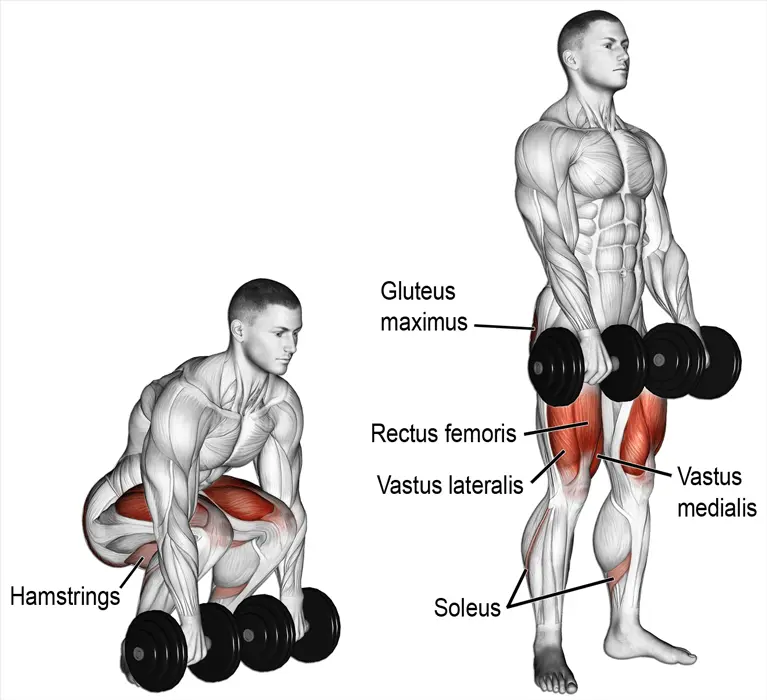
Credit: fitnessvolt.com
Frequently Asked Questions
How Many Dumbbell Deadlift Reps Are Ideal Per Set?
Aim for 8 to 12 reps per set to build strength and endurance. Adjust reps based on your fitness level and goals.
How Many Dumbbell Deadlift Sets Should I Perform Weekly?
Perform 3 to 4 sets per workout, 2 to 3 times weekly. This frequency supports muscle growth and recovery.
Can Beginners Do Dumbbell Deadlifts Every Day?
No, beginners should rest 48 hours between sessions. Rest helps muscles recover and prevents injury.
How To Increase Dumbbell Deadlift Reps Safely?
Gradually add 1 to 2 reps per week. Maintain proper form to avoid strain and injury.
Conclusion
Dumbbell deadlifts help build strength and improve posture. Start with a few sets of 8 to 12 reps. Pay attention to your body’s signals to avoid injury. Gradually increase weight or reps as you get stronger. Rest days are important for muscle recovery.
Consistency is key for steady progress. Keep your form correct to get the best results. Stay patient and enjoy the process of getting fitter. Your effort will show over time.