Are you wondering how many dumbbell lifts you should do to see real results? Whether you’re just starting out or trying to break through a plateau, knowing the right number of reps and sets can make all the difference.
Doing too few won’t challenge your muscles, while doing too many could leave you tired and frustrated. You’ll discover the perfect balance to maximize your strength, build muscle, and avoid injury. Keep reading to unlock the simple formula that fits your goals and keeps you motivated every step of the way.

Credit: www.wikihow.com
Benefits Of Dumbbell Lifts
Dumbbell lifts offer many benefits for people at all fitness levels. They help improve your body in several important ways. Using dumbbells regularly can make your workouts more effective and enjoyable. Here are some key benefits of dumbbell lifts.
Muscle Growth
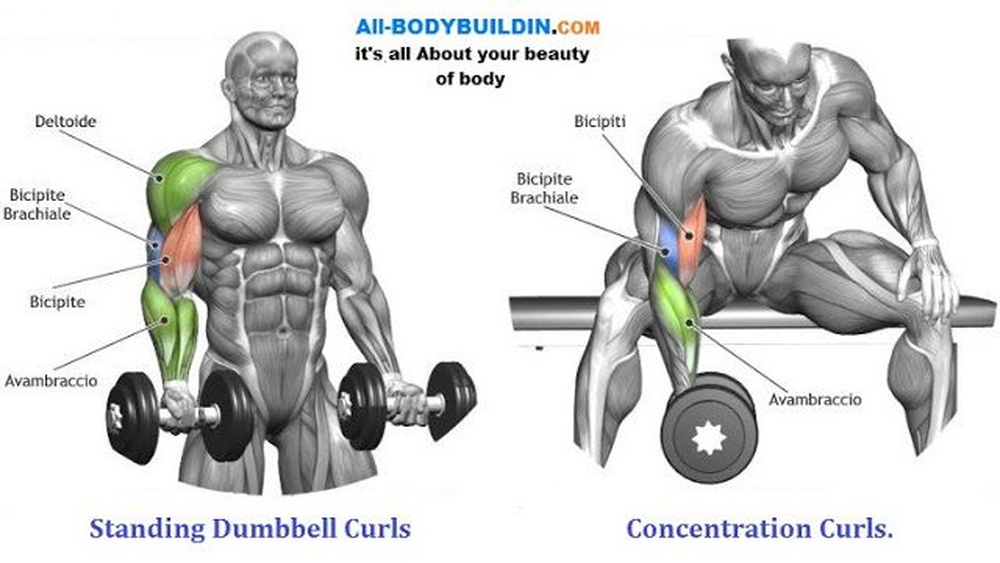
Dumbbell lifts target different muscles in your body. They help increase muscle size and shape. Each lift works specific muscles, helping them grow stronger and bigger over time. Using dumbbells allows for a full range of motion, which helps muscles develop evenly.
Improved Strength
Lifting dumbbells builds overall strength. It trains your muscles to handle more weight and effort. Stronger muscles improve daily activities like lifting, pushing, and pulling. Dumbbell exercises also help strengthen smaller muscles that support larger ones.
Enhanced Endurance
Dumbbell lifts boost muscle endurance by training muscles to work longer. This means you can exercise or work without getting tired fast. Endurance helps in sports, physical jobs, and daily chores. Using dumbbells regularly increases your stamina gradually.
Factors Influencing Reps And Sets
The number of dumbbell lifts you should do depends on several factors. These factors help decide the best reps and sets for your workout. Understanding them ensures you get the most from your training. Your body and goals play a key role in this.
Fitness Goals
Your fitness goals shape how many reps and sets you perform. For muscle strength, fewer reps with heavier weights work best. For muscle endurance, more reps with lighter weights are ideal. To build size, moderate reps with moderate weight work well. Each goal needs a different approach to reps and sets.
Experience Level
Beginners should start with fewer sets and reps. This helps the body adjust and avoids injury. Intermediate and advanced lifters can handle more reps and sets. Their muscles are used to the stress and recover faster. Skill and experience guide how much you can safely do.
Recovery Time
Recovery time affects how often you can lift. Muscles need time to heal and grow after lifting. Short recovery means fewer reps or lighter weights. Longer recovery allows for more reps and heavier weights. Rest is as important as the workout itself.
Reps And Sets For Muscle Building
Understanding how many reps and sets to do is key for building muscle. The right numbers help muscles grow and get stronger. Too few reps or sets might not challenge muscles enough. Too many can cause fatigue and slow progress. This section explains the best rep range, sets, and rest times for muscle building.
Optimal Rep Range
For muscle growth, aim for 6 to 12 reps per set. This range stresses muscles enough to cause growth. Lifting heavier weights with fewer reps builds strength too. Lighter weights with more reps improve endurance but may not add size.
Choose a weight that makes your muscles feel tired by the last rep. Keep your form correct to avoid injury. Stop before your muscles fail completely.
Recommended Sets
Doing 3 to 5 sets per exercise works well for muscle building. This volume gives muscles enough work to grow. Beginners can start with 3 sets and add more later. Advanced lifters often do 4 or 5 sets for better gains.
Focus on quality, not just quantity. Each set should be done with good form and effort. Rest between sets helps maintain performance.
Rest Intervals
Rest 30 to 90 seconds between sets for muscle growth. Shorter rests increase muscle fatigue and improve endurance. Longer rests let you lift heavier weights with good form.
Adjust rest time based on your goals and fitness level. Keep rest consistent to track progress. Avoid resting too long or too short to get the best results.
Reps And Sets For Fat Loss
Understanding the right reps and sets is key for fat loss with dumbbell lifts. The goal is to burn calories and build muscle at the same time. Adjusting reps and sets helps keep workouts effective and interesting.
Choosing the right number of repetitions and sets influences how your body uses energy. Higher reps with moderate weight improve endurance and calorie burn. Lower reps with heavier weights build strength but burn fewer calories during the workout.
High Rep Strategies
Performing 12 to 20 reps per set helps increase calorie burn. Use lighter dumbbells to maintain form and avoid injury. Rest periods should be short, around 30 seconds, to keep heart rate up. This method improves muscle endurance and helps reduce fat.
Circuit Training
Circuit training combines several exercises in a row without rest. This keeps your heart rate high and burns more calories. Include different dumbbell moves targeting various muscles. Aim for 3 to 4 circuits with 10 to 15 reps each exercise. This style boosts metabolism and fat loss.
Combining Cardio
Add cardio sessions before or after dumbbell workouts for better results. Cardio increases overall calorie burn and improves heart health. Try 20 to 30 minutes of moderate cardio like walking or cycling. This combination helps create a calorie deficit, essential for fat loss.
Reps And Sets For Strength Gains
Building strength with dumbbell lifts depends on the right number of reps and sets. Strength gains happen when muscles work hard and recover properly. Choosing the right reps and sets helps muscles grow stronger and prevents injury. The focus is on lifting heavier weights with fewer repetitions. Rest time between sets also plays a key role in improving strength.
Low Rep Focus
Strength training uses low repetitions. Aim for 4 to 6 reps per set. This keeps the muscles under heavy load. Lifting with low reps helps build power and muscle density. Avoid doing many reps. High repetitions mostly improve endurance, not strength.
Heavy Weights
Use weights that feel heavy but safe. Pick dumbbells that challenge muscles by the last rep. Heavy weights cause muscle fibers to grow. This growth increases your overall strength. Don’t lift weights that are too light. They won’t provide enough resistance for strength gains.
Longer Rest Periods
Rest between sets is important for strength. Take 2 to 3 minutes of rest after each set. This gives muscles time to recover. Short rests reduce your ability to lift heavy again. Longer rest helps maintain strong performance across all sets. Patience during rest leads to better results.
Common Mistakes To Avoid
Many beginners wonder how many dumbbell lifts to do for the best results. Avoiding common mistakes helps you progress safely and effectively. Simple errors can slow your gains or cause injury. Focus on good habits and steady improvement.
Overtraining
Doing too many lifts in one session can tire your muscles. Overtraining leads to soreness and slower recovery. Rest days are just as important as workout days. Listen to your body and avoid pushing beyond limits.
Poor Form
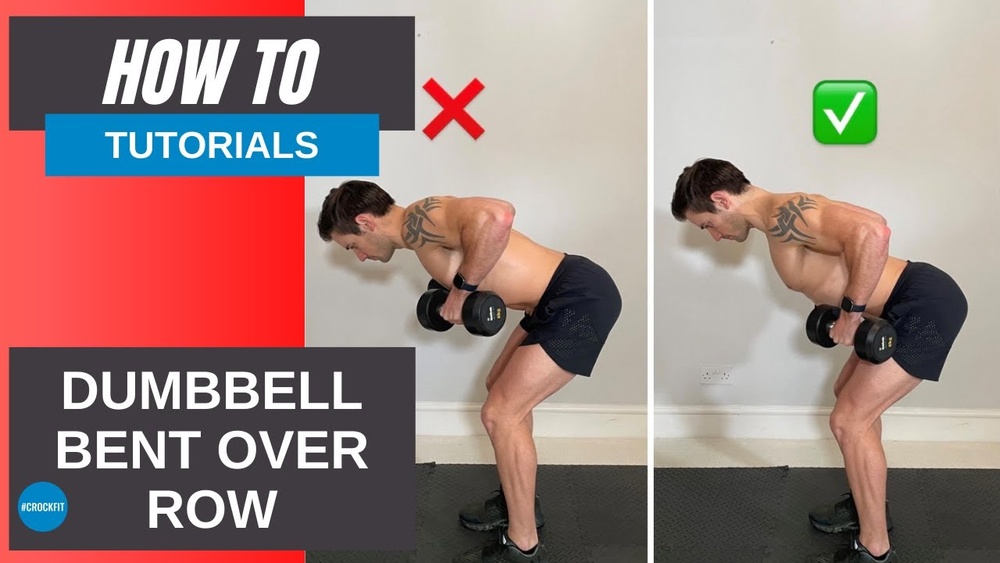
Using bad form reduces the exercise’s effectiveness. Poor technique can cause pain and injury. Start with lighter weights to learn the right movements. Watch yourself in a mirror or ask for guidance to improve form.
Ignoring Progression
Doing the same weight and reps every time stalls progress. Gradually increase weights or reps to build strength. Small steps keep your muscles challenged and growing. Track your progress to stay motivated and consistent.
Tracking Progress Effectively
Tracking progress effectively is key to improving your dumbbell lifts. It helps you see how much you have improved and guides your next steps. Without tracking, you might repeat the same routine without real gains. Simple tracking methods can make a big difference in your workout success.
Logging Workouts
Write down each workout session. Note the number of sets, reps, and weight used. This record helps you spot patterns and progress over time. Use a notebook or a phone app. Consistent logging keeps you focused and motivated.
Adjusting Volume
Volume means the total number of lifts you do. Increase volume slowly to avoid injury. Add more sets or reps as you get stronger. Adjust volume based on your goals. More volume can build muscle; less volume helps with recovery.
Listening To Your Body
Pay attention to how your body feels during workouts. Muscle soreness is normal, but sharp pain is not. Rest if you feel overly tired or sore. Your body signals when to push harder or slow down. Balance effort and rest for steady progress.

Credit: www.imdb.com
Sample Dumbbell Workout Plans
Sample dumbbell workout plans help guide your lifting routine. They provide clear steps for different skill levels. These plans help you build strength safely and steadily. Following a routine keeps your workouts balanced and effective.
Beginner Routine
Start with light weights to learn good form. Perform 2 to 3 sets of 8 to 12 reps. Include basic moves like bicep curls, shoulder presses, and squats. Rest for 30 to 60 seconds between sets. Train 2 to 3 days each week to allow recovery.
Intermediate Routine
Use moderate weights that challenge your muscles. Do 3 to 4 sets of 10 to 15 reps. Add exercises like dumbbell rows, lunges, and chest presses. Rest for 30 to 45 seconds between sets. Exercise 3 to 4 times weekly for steady progress.
Advanced Routine
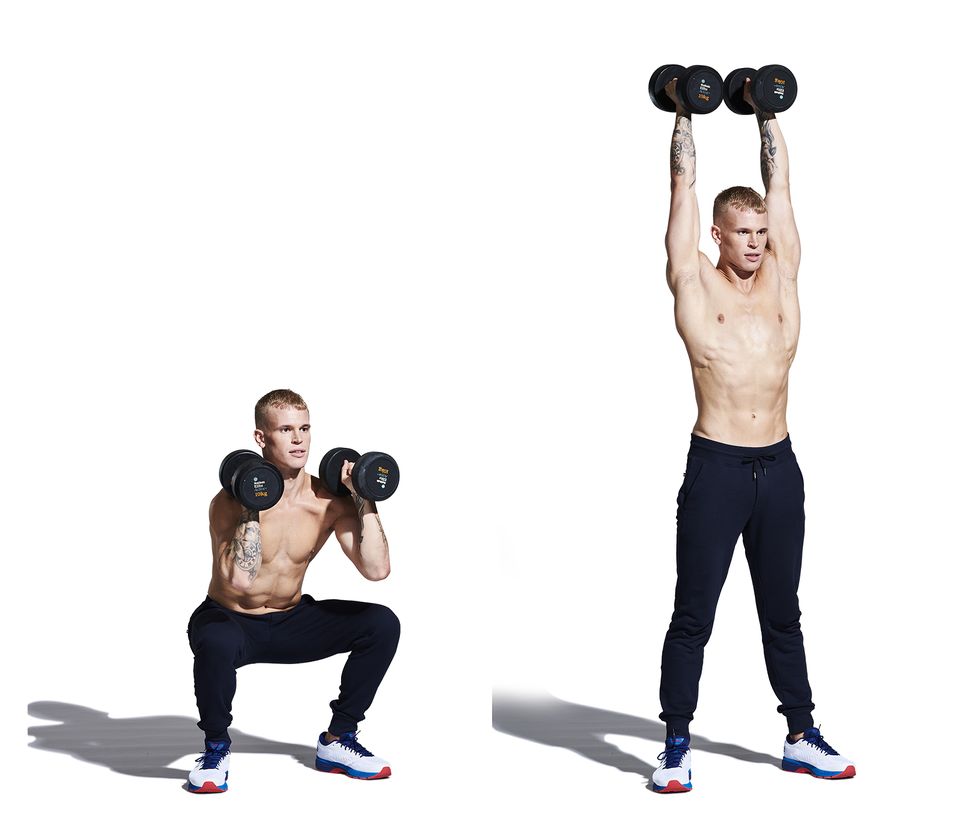
Lift heavier weights with controlled movements. Complete 4 to 5 sets of 12 to 15 reps. Include complex exercises such as thrusters, renegade rows, and Bulgarian split squats. Limit rest to 15 to 30 seconds for intensity. Train 4 to 5 days a week for maximum gains.
Credit: www.menshealth.com
Frequently Asked Questions
How Many Dumbbell Lifts Build Muscle Effectively?
Perform 8 to 12 reps per set for muscle growth. Aim for 3 to 4 sets with moderate to heavy weights. Rest 60 to 90 seconds between sets to maximize hypertrophy and strength gains.
How Often Should I Do Dumbbell Lifts Weekly?
Train dumbbell exercises 2 to 3 times per week. Allow at least one rest day between sessions for muscle recovery. Consistency and proper rest improve strength and prevent injury.
Can Dumbbell Lifts Help With Weight Loss?
Yes, dumbbell lifts boost metabolism and build lean muscle. Combining lifts with cardio and a healthy diet supports fat loss. Aim for higher reps and shorter rest to increase calorie burn.
How Many Sets Of Dumbbell Lifts Are Optimal?
3 to 4 sets per exercise are ideal for most goals. This range balances intensity and volume to promote muscle growth and endurance. Adjust sets based on your fitness level and recovery.
Conclusion
Dumbbell lifts help build strength and improve fitness. Aim for sets and reps that match your goals. Start with lighter weights and increase slowly. Rest between sets to avoid injury. Listen to your body and stop if you feel pain.
Consistency matters more than lifting heavy every time. Keep your form correct for the best results. Mixing different exercises keeps workouts interesting and balanced. Track your progress to stay motivated and adjust as needed. Regular practice leads to steady improvement and better health.