
Are you wondering how many dumbbell reps you should do each day to see real results? Finding the right number can be confusing, especially with so much advice out there.
But what if the secret to building strength, toning your body, and avoiding injury lies in the perfect rep count tailored just for you? Keep reading, and you’ll discover simple, effective guidelines that fit your goals and lifestyle. This isn’t about doing endless reps that drain your energy—it’s about smart training that delivers noticeable progress.
Let’s get started!
Dumbbell Reps And Muscle Growth
Dumbbell reps play a key role in muscle growth. The number of repetitions you do affects how your muscles respond. Different rep ranges trigger different muscle changes. Understanding this helps you plan your workouts better.
Choosing the right number of reps can lead to stronger and bigger muscles. It also helps prevent injury and keeps your training effective.
Role Of Reps In Muscle Building
Reps are the number of times you lift and lower the dumbbell. Doing more reps with lighter weights builds endurance. Fewer reps with heavier weights increase muscle strength and size.
For muscle growth, aim for 6 to 12 reps per set. This range creates muscle fatigue, which signals muscles to grow. Rest time between sets also matters. Short rests keep muscles under tension longer.
Types Of Muscle Fibers Engaged
Muscles have different fiber types: slow-twitch and fast-twitch. Slow-twitch fibers work during high reps and light weights. They help with endurance and stamina.
Fast-twitch fibers activate with heavy weights and low reps. These fibers grow bigger and stronger. A mix of reps targets both fiber types for balanced muscle growth.
Credit: nexlam.it
Optimal Rep Ranges
Choosing the right number of dumbbell reps helps you reach your fitness goals. Different rep ranges target different muscle abilities. Understanding these ranges can improve your workout results. Here are the key rep ranges to consider for daily dumbbell training.
Low Reps For Strength
Low reps mean lifting heavy dumbbells with fewer repetitions. Usually, 1 to 6 reps per set build muscle strength. This range helps increase how much weight you can lift. Rest time between sets is longer to allow full recovery.
Moderate Reps For Hypertrophy
Moderate reps focus on muscle growth, also called hypertrophy. Typically, 8 to 12 reps per set work best for this goal. This range causes muscles to grow bigger and stronger. Use a weight that feels challenging but still allows all reps.
High Reps For Endurance
High reps improve muscle endurance and stamina. Aim for 15 to 20 or more reps per set. Use lighter weights to perform more reps without losing form. This range helps muscles work longer without getting tired quickly.
Daily Rep Recommendations
Daily rep recommendations for dumbbell exercises depend on your fitness level. Reps help build strength, endurance, and muscle size. The right number of reps varies for beginners, intermediate, and advanced lifters. Knowing how many reps to do each day can improve your results and reduce injury risk.
Beginners’ Guidelines
Start with light weights and focus on form. Aim for 8 to 12 reps per set. Do 2 to 3 sets per exercise. Rest for 30 to 60 seconds between sets. Train 3 to 4 days a week. Avoid heavy weights until your muscles get used to the movement. Consistency is key for beginners.
Intermediate Lifters’ Approach
Increase weight gradually as strength improves. Perform 10 to 15 reps per set. Complete 3 to 4 sets per exercise. Take 30 to 45 seconds rest between sets. Train 4 to 5 days a week for balanced growth. Focus on both strength and muscle endurance. Mix up exercises to challenge your muscles.
Advanced Training Strategies
Use heavier weights with lower reps for strength. Aim for 6 to 10 reps per set. Do 4 to 6 sets per exercise. Rest for 60 to 90 seconds between sets. Train 5 to 6 days a week with varied intensity. Include supersets and drop sets to increase challenge. Track progress to avoid plateaus.
Credit: www.molnlyckedjurklinik.se
Volume And Intensity Balance
Balancing volume and intensity is key for effective dumbbell workouts. It helps build strength without causing injury. Volume means how much total work you do. Intensity means how hard each set feels. Both must work together to get results.
Sets Vs. Reps
Sets are groups of reps. Reps are the number of times you lift the dumbbell in a row. For muscle growth, aim for 3 to 5 sets. Each set should have 8 to 12 reps. Lower reps with heavier weight build strength. Higher reps with lighter weight improve endurance.
Choosing The Right Weight
Pick a weight that feels challenging but doable. You should finish your reps with effort. If you can easily do more, the weight is too light. If you cannot finish, the weight is too heavy. Adjust the weight to match your goal.
Rest Periods Between Sets
Rest lets your muscles recover. For strength, rest 1 to 2 minutes between sets. For endurance, rest 30 to 60 seconds. Short rest keeps your heart rate up. Longer rest helps lift heavier weights safely.
Frequency And Recovery
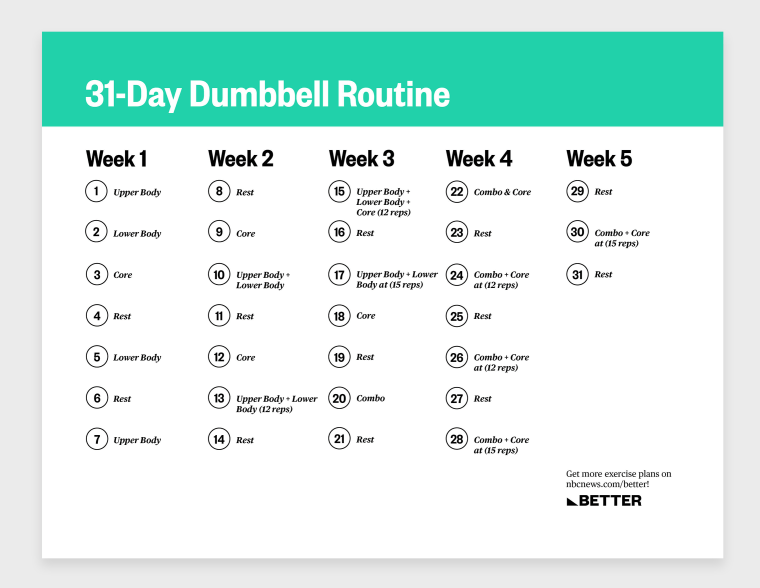
Frequency and recovery play a key role in how many dumbbell reps you should do each day. Your muscles need time to heal and grow stronger after each workout. Training too often can lead to injury and slow progress. Balancing workout days with rest days helps you get the best results.
Training Muscle Groups Daily Or Alternating
Training the same muscle group every day can cause fatigue and strain. Alternating muscle groups allows each group to rest while others work. For example, work your arms one day and legs the next. This approach helps prevent overuse and supports steady muscle growth.
Importance Of Rest Days
Rest days are not a waste of time. They give your muscles a chance to repair and become stronger. Without rest, your body stays tired and sore. Aim for at least one or two rest days each week. Use these days to stretch or do light activities.
Signs Of Overtraining
Watch for signs that you are overtraining. Constant muscle soreness, fatigue, and poor sleep are clear signals. You might also feel weak or lose interest in workouts. Taking extra rest days can help your body recover. Listen to your body to avoid burnout.
Tracking Progress And Adjustments
Tracking progress and making adjustments is key to effective dumbbell training. It helps you see how much you improve and keeps your workouts from getting stale. Regular checks ensure you stay on track and avoid injury. Small changes based on progress keep your muscles challenged and growing.
Monitoring Strength Gains
Track how many reps you complete with good form. Note the weight used and how easy or hard it feels. Use a journal or app to record this data. Seeing steady increases means your strength is improving. If reps become easier, it’s time to increase weight or reps.
Adjusting Reps For Plateaus
Plateaus happen when progress stalls. Your muscles adapt to the current workout. To break plateaus, change the number of reps or weight. Try increasing reps by 2-5 per set or adding more weight. Changing rest time between sets can also help progress.
Incorporating Variation
Variation keeps workouts fresh and muscles growing. Change exercises, rep ranges, or weight regularly. Use different dumbbell moves targeting the same muscle group. This prevents boredom and reduces the risk of injury. Variety challenges muscles in new ways, boosting gains.
Supplementary Tips For Faster Growth
Building muscle with dumbbells requires more than just reps. You need a plan that supports growth and recovery. This section covers tips that help you grow faster and avoid injury. Follow these simple steps to improve your results.
Nutrition’s Role
Eating right fuels your muscles for growth. Protein helps repair muscle fibers after workouts. Include lean meats, beans, and dairy in your meals. Drink enough water to stay hydrated. Avoid too much sugar and processed foods. Balanced meals boost energy and speed recovery.
Proper Form And Technique
Using correct form prevents injuries and targets muscles well. Start with lighter weights to learn moves. Keep your back straight and control your movements. Avoid swinging or using momentum. Focus on slow, steady reps for best results. Good technique helps muscles work harder and grow stronger.
Incorporating Other Training Modalities
Mix dumbbell workouts with other exercises. Bodyweight training improves strength and balance. Cardio helps burn fat and increases stamina. Stretching keeps muscles flexible and reduces soreness. Cross-training prevents boredom and plateaus. Variety makes your workouts more effective and fun.

Credit: dalpozzo.com.br
Frequently Asked Questions
How Many Dumbbell Reps Should I Do Daily?
Aim for 30 to 50 dumbbell reps daily, divided into sets. Adjust reps based on your fitness level and goals. Consistency matters more than volume for muscle growth and endurance.
Can Daily Dumbbell Reps Improve Muscle Strength?
Yes, daily dumbbell reps can improve muscle strength if you use proper weight. Gradually increase reps or weight to avoid plateaus and injury.
How Long Should A Dumbbell Workout Last Each Day?
A daily dumbbell workout should last 20 to 30 minutes. Focus on quality reps with good form rather than long durations.
Is It Safe To Do Dumbbell Reps Every Day?
Yes, with proper rest and varied exercises, daily dumbbell reps are safe. Avoid overtraining by targeting different muscle groups on alternate days.
Conclusion
Dumbbell reps help build strength and muscle over time. Find a number that feels right for your body. Too many reps can cause tired muscles. Too few may not give good results. Rest days are important to let muscles heal.
Consistency matters more than doing many reps once. Small steps lead to steady progress. Listen to your body and adjust reps each day. Keep your routine simple and enjoyable. This way, you can stay active and strong for longer.


