
Are you wondering how many dumbbell reps you should do each day to see real results? Whether you want to build muscle, tone your body, or improve your strength, the number of reps you perform can make a big difference.
But here’s the catch: doing too few reps might slow your progress, while doing too many could lead to burnout or injury. You’ll discover the ideal rep ranges that fit your goals and fitness level. Keep reading to unlock the secret to maximizing your workouts and getting the most out of every dumbbell lift!
Choosing The Right Dumbbell Weight
Picking the right dumbbell weight is key for effective workouts. The weight should challenge your muscles without causing pain. Too light, and you won’t build strength. Too heavy, and you risk injury. Finding the right balance helps you stay motivated and see progress fast.
Start with weights that feel comfortable but tough by the last few reps. This helps you work your muscles properly. The right weight also keeps your form safe and steady during exercises.
Assessing Your Fitness Level
Knowing your fitness level helps choose the right dumbbells. Beginners should start with light weights. This lets the body adapt and prevents strain. People with more experience can use heavier dumbbells to push harder.
Try lifting a weight for 10 to 15 reps. If you finish easily, the weight is too light. If you struggle before 8 reps, it is too heavy. Aim for a weight that tires your muscles around 10 to 12 reps.
Progressive Overload Basics
Progressive overload means slowly increasing the weight or reps over time. This helps muscles grow stronger and bigger. Start with a weight that feels right today. Then add a little more weight or extra reps each week.
Small increases keep your muscles challenged without injury. It also helps avoid workout plateaus. Track your progress and adjust your dumbbell weight as you improve.

Credit: www.youtube.com
Optimal Reps For Muscle Growth
Finding the right number of dumbbell reps helps build muscle effectively. Too few reps might not stress muscles enough. Too many reps can cause fatigue without growth. The goal is to stimulate muscles just right for growth. Let’s explore the best rep ranges and how to balance workout volume and intensity.
Rep Ranges For Hypertrophy
Muscle growth, or hypertrophy, happens best with moderate reps. Aim for 6 to 12 reps per set. This range stresses muscles enough to cause small tears. The body repairs these tears, making muscles bigger and stronger. Using heavier weights helps maintain this rep range. Focus on good form to avoid injury.
Balancing Volume And Intensity
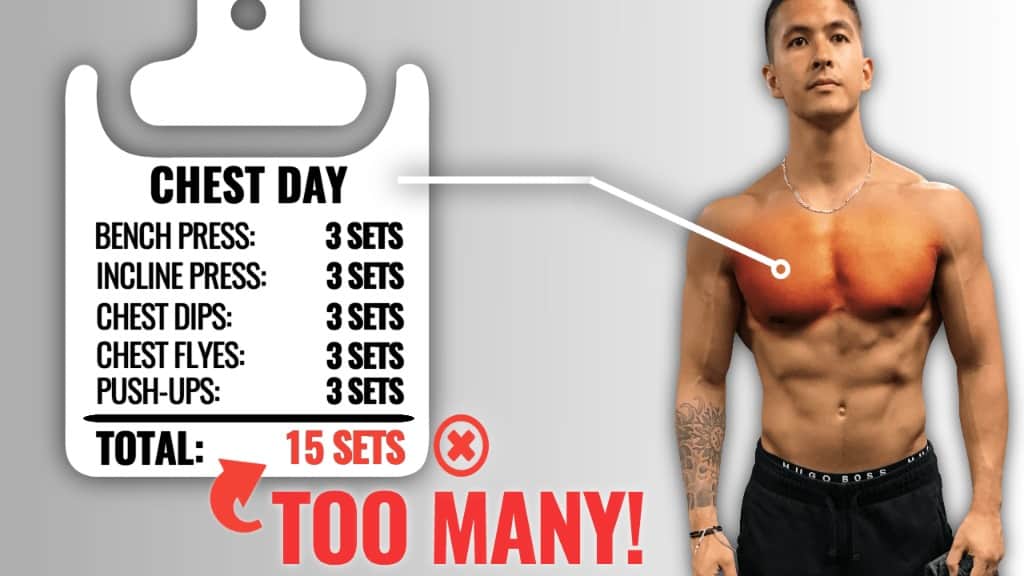
Volume means total reps and sets done in a workout. Intensity refers to the weight lifted. Balance both for best results. Too much volume with light weights may not build muscle well. Too much intensity with few reps can lead to injury. Try 3 to 4 sets per exercise with moderate weight. Rest between sets allows muscles to recover and grow.
Daily Vs. Weekly Training Frequency
Choosing between daily and weekly dumbbell workouts affects your progress and recovery. Both approaches have their own benefits and challenges. Understanding these can help you decide how often to train with dumbbells for the best results.
Benefits Of Daily Dumbbell Workouts
Training with dumbbells every day can build strong habits. It keeps your muscles active and improves endurance. Daily workouts help improve coordination and control. Short, focused sessions prevent boredom and keep motivation high. You can target different muscle groups each day to avoid overuse. Daily training suits people who want steady progress without long breaks.
Importance Of Rest Days
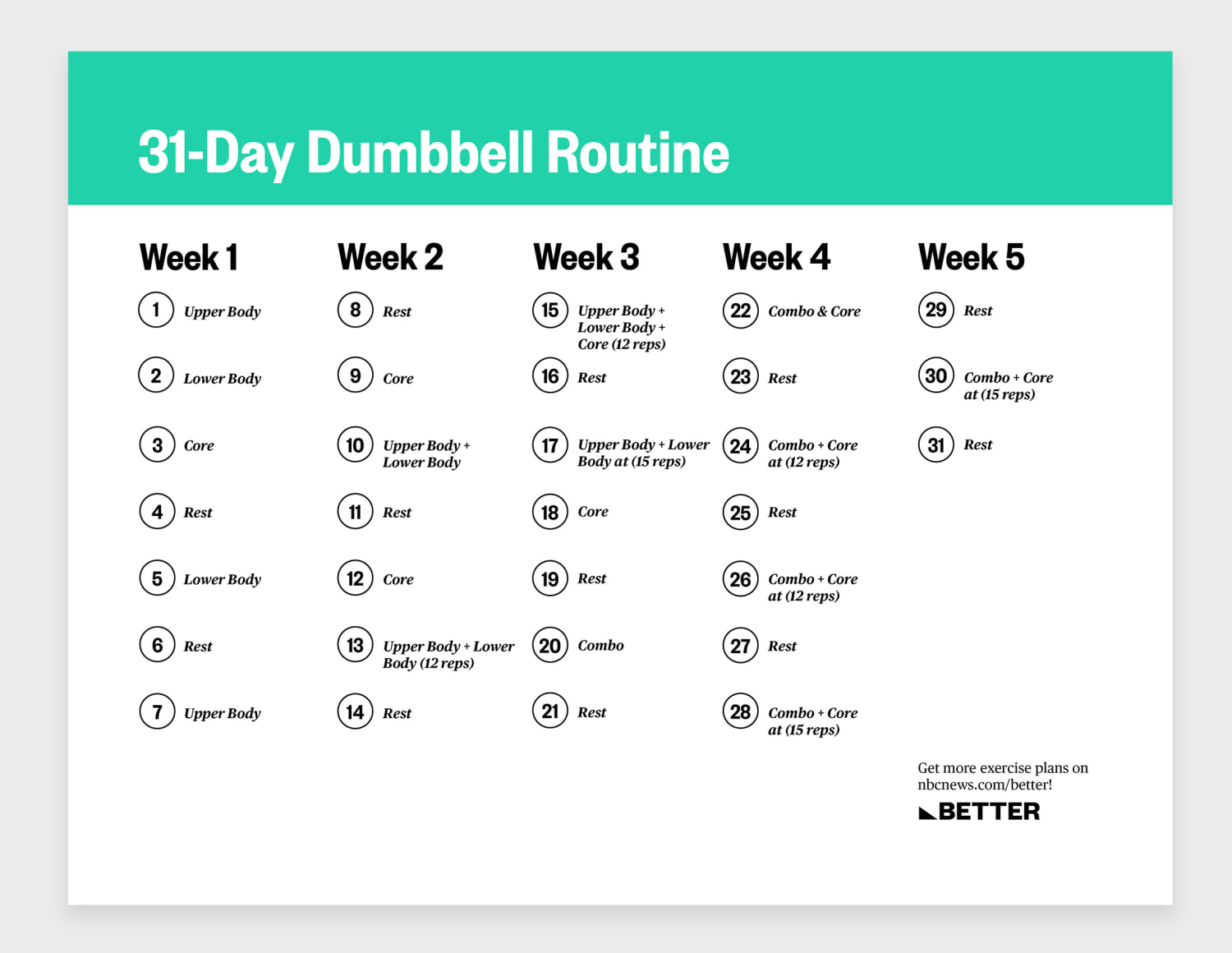
Muscles need time to repair after workouts. Rest days prevent injuries and reduce fatigue. Without rest, muscles may become sore and weak. Recovery helps muscles grow stronger and bigger. Taking breaks improves overall performance in the long run. Rest days also help maintain energy and focus for workouts.
Signs Of Overtraining To Watch For
Overtraining happens when you do too many dumbbell reps without enough rest. It can harm your progress and health. Your body sends clear signs when it needs a break. Knowing these signs helps you avoid injury and burnout. Watch for changes in your body and mind.
Physical Symptoms
Muscle soreness that lasts for days is a key sign. Persistent fatigue and weakness show your muscles need rest. Joint pain can mean you are pushing too hard. Trouble sleeping often follows overtraining. You may also notice a drop in performance during workouts.
Mental And Emotional Indicators
Feeling tired even after rest is common. Mood swings and irritability can appear. Lack of motivation to exercise is a warning sign. Difficulty concentrating may affect daily tasks. Anxiety or feelings of stress can increase without clear cause.
Incorporating Dumbbell Workouts Into Your Routine
Dumbbell workouts fit well into many fitness plans. They build strength and improve muscle tone. Using dumbbells daily can boost your fitness level. The key is to add them in ways that suit your goals and schedule.
Choosing the right approach keeps your workouts balanced. This helps avoid injury and keeps you motivated. Here are two common styles to consider and how to mix dumbbells with other tools.
Full-body Vs. Split Training
Full-body workouts target all major muscles in one session. You use dumbbells for exercises like squats, presses, and rows. This approach works well for beginners or busy people.
Split training divides exercises by body parts on different days. For example, arms one day, legs another. Dumbbells focus on specific muscles, allowing more rest between sessions.
Both methods can include dumbbell reps. Adjust the number of reps based on your fitness level and goals. Full-body routines may use fewer reps per muscle group. Split training allows more reps for targeted muscles.
Combining Dumbbells With Other Equipment
Dumbbells work well with machines, resistance bands, or bodyweight moves. Mixing equipment adds variety and challenges muscles differently. This approach prevents boredom during workouts.
Start with dumbbell exercises, then add resistance bands for extra tension. Or use machines to isolate muscles after dumbbell sets. Bodyweight exercises like push-ups pair well with dumbbell presses.
Combining tools lets you create balanced routines. Each piece targets muscles from different angles. This leads to better strength gains and muscle growth.
Credit: builtwithscience.com
Nutrition And Recovery Tips
Nutrition and recovery are key parts of any workout plan. They help your body build strength and avoid injury. Eating the right foods and resting well can improve your dumbbell training results. These tips will guide you to better muscle growth and faster recovery.
Fueling Muscle Growth
Muscles need protein to grow and repair. Include lean meats, beans, and dairy in your meals. Carbohydrates give energy for your workouts. Choose whole grains, fruits, and vegetables. Drink plenty of water to stay hydrated. Avoid too much sugar and unhealthy fats. Eat small meals every 3 to 4 hours to keep energy steady.
Effective Recovery Strategies
Rest days help muscles heal and get stronger. Aim for 7 to 9 hours of sleep each night. Stretching after workouts reduces muscle tightness. Light walking or yoga can ease soreness. Use ice or heat packs to relieve pain. Avoid overtraining by listening to your body. Proper recovery lowers injury risk and improves performance.
Credit: vixencomposites.com
Frequently Asked Questions
How Many Dumbbell Reps Should I Do Daily?
Aim for 30 to 50 reps per muscle group daily. Adjust reps based on your fitness level and goals. Consistency and proper form matter more than quantity.
Can Daily Dumbbell Reps Build Muscle Effectively?
Yes, daily reps can build muscle if you use correct weight and vary exercises. Rest and nutrition also support muscle growth.
How To Avoid Injury Doing Dumbbell Reps Daily?
Warm up before workouts and use proper form. Start with lighter weights and increase gradually. Listen to your body and rest if needed.
Should Dumbbell Reps Vary In A Daily Workout?
Yes, vary reps and weights to target different muscle fibers. This prevents plateaus and promotes balanced muscle development.
Conclusion
Choosing the right number of dumbbell reps depends on your goals. Aim for consistency rather than quantity alone. Doing too many reps can cause fatigue and injury. Focus on good form to get the best results. Listen to your body and rest when needed.
Small, steady progress helps build strength safely. Keep your routine balanced with rest days included. This way, you improve without burning out. Remember, quality beats quantity every time. Stay patient and enjoy the process of getting stronger.


