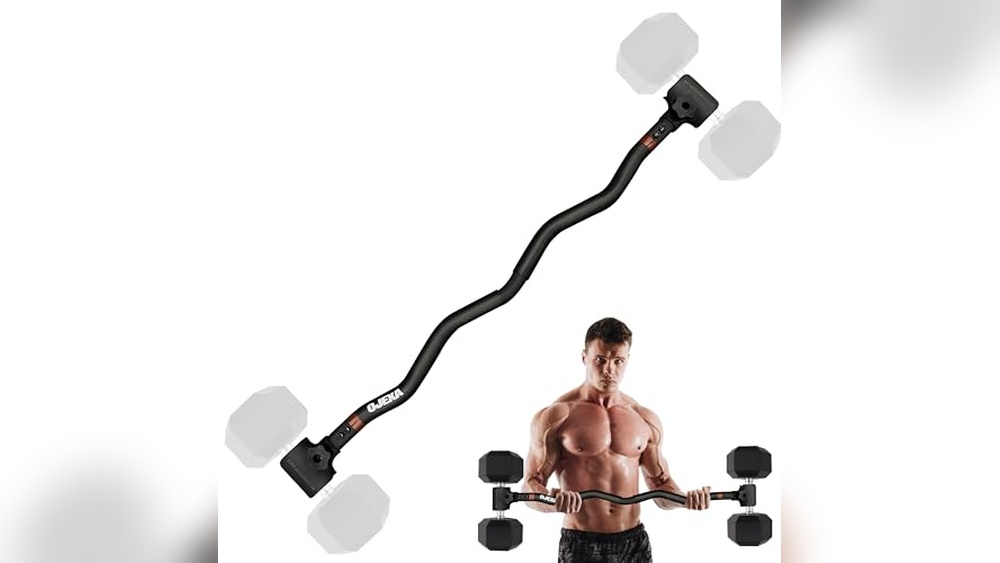
How many dumbbells do you really need to reach your fitness goals? Whether you’re setting up a home gym or just starting your workout routine, choosing the right number can feel confusing.
Too few, and you might limit your progress. Too many, and you could waste space and money. This guide will help you find the perfect balance for your strength, space, and budget. Keep reading to discover how to build an effective dumbbell collection that works for you.
Choosing The Right Dumbbells
Choosing the right dumbbells is important for your workout success. The right set fits your strength level and workout style. It helps you exercise safely and effectively. Consider your fitness goals before picking dumbbells. Think about your space and budget too. This guide breaks down key factors to help you decide.
Fixed Vs Adjustable Dumbbells
Fixed dumbbells have a set weight. You buy different pairs for different weights. They are simple and quick to use. Adjustable dumbbells let you change the weight. This saves space and money. Adjusting weight takes a few seconds. Choose fixed for ease and speed. Pick adjustable for variety and saving space.
Weight Range Considerations
Start with weights you can lift comfortably. Beginners might choose 5 to 20 pounds. Experienced users may need heavier weights. Consider the types of exercises you do. Some moves need lighter weights, others heavier. Buy dumbbells that cover a wide range. This helps you progress and avoid plateaus. Think about future strength gains too.
Material And Durability
Dumbbells come in different materials like metal, rubber, and plastic. Metal dumbbells last long but can damage floors. Rubber-coated dumbbells protect floors and reduce noise. Plastic dumbbells are lighter and cheaper but less durable. Choose materials that fit your workout space. Check for a good grip to avoid slipping. Durable dumbbells save money over time.

Credit: www.teepublic.com
Workout Goals And Dumbbell Needs
Choosing the right number of dumbbells depends on your workout goals. Different goals require different weights and types of dumbbells. This section helps you match your needs with the right dumbbells.
Strength Training
Strength training needs heavier dumbbells. You should have pairs that challenge your muscles. Start with moderate weights and increase as you grow stronger. Having multiple sets helps target different muscle groups. It avoids stopping your workout to change weights.
Endurance And Toning
For endurance and toning, lighter dumbbells work best. These weights allow more repetitions without tiring quickly. Use a set that feels easy but still provides resistance. It helps build muscle tone and improves stamina. Multiple light weights can add variety to workouts.
Rehabilitation And Mobility
Rehabilitation needs very light dumbbells or no weight at all. Focus on slow, controlled movements to regain strength and motion. Small weights help rebuild muscles safely. One or two light pairs usually suffice. They support healing without strain or injury.
Number Of Dumbbells For Different Routines
Choosing the right number of dumbbells depends on your workout style and goals. Different routines need different amounts of equipment. Some exercises need just one dumbbell, while others require pairs or several sets. Knowing how many dumbbells to use helps you train better and stay safe.
Single Dumbbell Workouts
Single dumbbell workouts use one dumbbell at a time. They work great for exercises like goblet squats, one-arm rows, and single-arm presses. These moves improve balance and focus on one side of the body. A single dumbbell is perfect for beginners or small spaces.
Pair Of Dumbbells
Many routines use two dumbbells at once. Pair workouts target both arms or sides together. Examples include bicep curls, chest presses, and shoulder raises. Using a pair helps build strength evenly on both sides. This setup suits most home gyms and fitness levels.
Multiple Sets For Variety
Having several sets of dumbbells adds variety to workouts. You can switch weights for different exercises. Light weights work for warm-ups or high reps. Heavier dumbbells build muscle and strength. Multiple sets help you progress and keep workouts fresh.

Credit: www.teepublic.com
Space And Budget Factors
Choosing the right number of dumbbells depends on your space and budget. Both factors play a big role in deciding what fits your home and wallet. Small spaces need smart storage. Tight budgets call for smart spending. Balancing these helps you get the most out of your workout gear.
Storage Solutions
Storing dumbbells can be a challenge in small rooms. Use vertical racks to save floor space. Wall-mounted holders keep dumbbells off the ground. A simple shelf can organize weights neatly. Choose storage that fits your room size. This keeps your workout area tidy and safe.
Cost Vs Value
Dumbbells come in many prices. Cheaper sets might not last long. Higher-quality dumbbells cost more but last years. Think about how often you will use them. Spend a little more for better value. This saves money over time and improves your workout experience.
Expandable Options
Adjustable dumbbells offer many weights in one set. They save space and often cost less than full sets. You can add more weights later if needed. This option works well for beginners and experts. Expandable dumbbells give flexibility without extra clutter.
Tips For Effective Dumbbell Workouts
Dumbbell workouts are simple and effective for strength building. Using dumbbells correctly helps you get better results. Focus on good form and steady progress. Small changes in your routine can bring big improvements. Follow these tips for a safe and productive workout.
Progressive Overload
Increase the weight gradually to challenge your muscles. Add small amounts of weight over time. This helps muscles grow stronger and bigger. Do more repetitions or sets if weights stay the same. Keep pushing yourself to improve steadily.
Mixing Exercises
Use different exercises to work all muscle groups. Change your routine to avoid boredom and plateaus. Combine upper body, lower body, and core movements. Try new angles and grips with your dumbbells. Variety keeps workouts fun and effective.
Safety Measures
Always warm up before lifting dumbbells. Use proper form to prevent injury. Start with lighter weights to learn movements. Avoid sudden or jerky motions during exercises. Stop if you feel pain and rest as needed.
Credit: www.imdb.com
Frequently Asked Questions
How Many Dumbbells Do I Need For Home Workouts?
For home workouts, two dumbbells usually suffice. Adjustable dumbbells save space and allow weight variation. Choose weights matching your fitness level and exercise type.
What Dumbbell Weight Is Best For Beginners?
Beginners should start with 5 to 15 pounds. This range helps build strength safely. Gradually increase weight as you gain confidence and muscle.
Can I Use One Dumbbell Instead Of Two?
Yes, one dumbbell can work for many exercises. It improves balance and core strength. However, two dumbbells provide better symmetry and muscle balance.
How Many Dumbbells Are Ideal For Muscle Growth?
Multiple dumbbell pairs with varied weights support progressive overload. This approach helps muscle growth effectively. Aim to have light, medium, and heavy options.
Conclusion
Choosing the right number of dumbbells depends on your goals and space. Start with a few weights that match your strength level. Change weights as you grow stronger to stay challenged. Having options helps you train different muscles well. Keep your workout simple and effective.
Remember, quality matters more than quantity. Stay consistent and enjoy your fitness journey.