Are you wondering how many ounces your boxing gloves should be? Choosing the right glove weight is crucial—not just for comfort, but to protect your hands and get the most out of your training.
Whether you’re hitting the heavy bag, sparring with a partner, or preparing for competition, knowing the exact “oz” size of your gloves can make a big difference in your performance and safety. You’ll discover what glove weights mean, how they affect your training, and how to pick the perfect size for your needs.
Keep reading to make sure your gloves work as hard as you do.

Credit: www.smai.com
Boxing Glove Weights
Boxing gloves come in different weights to suit various training and competition needs. Choosing the right glove weight affects your performance and safety. Lighter gloves offer speed and precision. Heavier gloves add padding and protection.
Understanding glove weights helps boxers pick the best gloves for their goals. Gloves are measured in ounces, which indicate their weight and padding level.
What Oz Means
Oz stands for ounces, a unit to measure glove weight. It shows how heavy a glove is, not its size. More ounces mean more padding inside the glove. Padding protects your hands and your opponent during training or fights. Gloves range from 8 oz to 16 oz or more.
Choosing the right oz depends on your purpose, hand size, and body weight. Heavier gloves slow your punches but protect better. Lighter gloves let you punch faster but offer less cushion.
Common Weight Categories
Boxing gloves typically fall into these weight groups:
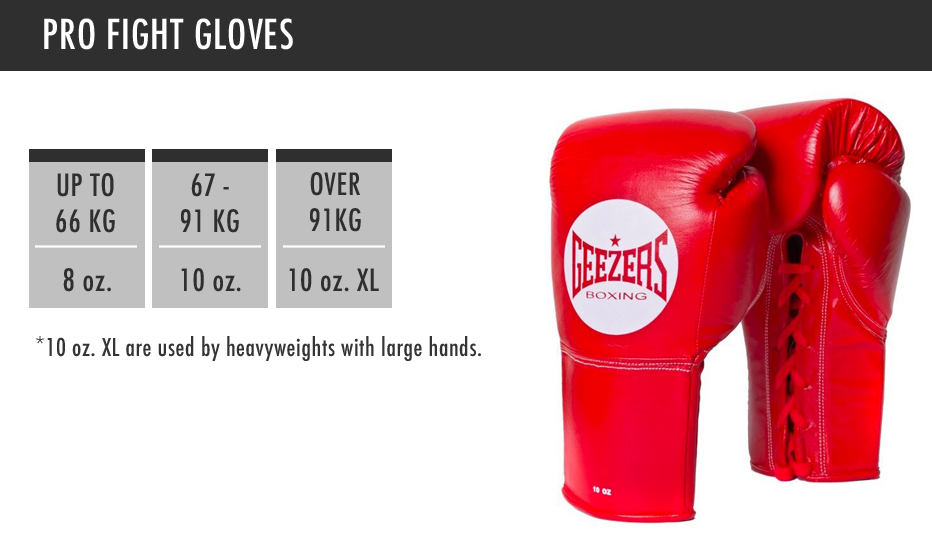
- 8 oz: Used mostly in professional fights for smaller fighters.
- 10-12 oz: Ideal for general training like hitting bags and pad work.
- 14 oz: Often used for competition and some training sessions.
- 16 oz: Standard for sparring, giving maximum hand protection.
Heavier gloves, like 16 oz, add padding to protect both fighters. Lighter gloves, like 8 oz, are common in competitions but offer less padding.
Pick gloves based on your training type and hand protection needs.
Training Glove Sizes
Choosing the right training glove size is key for effective boxing practice. Gloves come in different ounces (oz), which affect protection, weight, and comfort. Each size serves a unique purpose during training sessions. Understanding these options helps boxers train safely and efficiently.
10 To 12 Oz Gloves
These gloves are light and flexible. They suit bag work and pad drills well. Many beginners prefer this size for quick hand movements. They provide less padding, so avoid heavy sparring with them. Their main use is improving speed and technique.
14 Oz Gloves
Fourteen-ounce gloves offer more padding than lighter ones. They work well for general training and some light sparring. These gloves strike a balance between protection and agility. They fit most adult hands comfortably. Many trainers recommend this size for versatile use.
16 Oz Gloves
Sixteen-ounce gloves are popular for sparring sessions. They provide extra padding to protect both fighters. These gloves add weight, helping build arm and shoulder strength. Heavier fighters often choose this size for safety. They slow punches slightly, reducing injury risk.
20 Oz Gloves
Twenty-ounce gloves are the heaviest common training gloves. They offer the most protection and padding available. These gloves are best for larger athletes or intense conditioning workouts. They improve endurance by adding resistance to punches. Their bulk can limit speed but increase safety.
Competition Glove Sizes
Competition gloves have specific sizes based on boxing rules. These sizes affect performance and safety. Choosing the right glove size is crucial for fairness in matches. Different weight classes use different glove weights. These weights are measured in ounces (oz). Below are the common competition glove sizes used in boxing.
8 Oz Gloves
8 oz gloves are popular in professional boxing. They are lighter and allow faster punches. These gloves provide less padding but more speed. Fighters in lighter weight classes often use 8 oz gloves. They help enhance agility and quick hand movements. However, they offer less protection than heavier gloves.
10 Oz Gloves
10 oz gloves are common in both amateur and professional matches. They balance protection and speed well. These gloves offer more padding than 8 oz gloves. Many middleweight boxers use 10 oz gloves for competition. They help reduce the risk of injury while keeping good hand speed.
Regulations By Weight Class
Boxing commissions set glove weights by fighters’ weight classes. Lighter fighters use smaller gloves, heavier fighters use larger ones. For example, fighters under 147 lbs may use 8 oz gloves. Fighters over 147 lbs often wear 10 oz gloves or more. These rules ensure safety and fair competition for all boxers.
:format(jpeg)/f/115220/1244x700/b5324542a6/boxing-glove-ounces-explained-youtube-video.jpg)
Credit: blog.joinfightcamp.com
Choosing The Right Size
Choosing the right size of boxing gloves is essential for comfort and safety. The glove’s weight, measured in ounces (oz), affects protection, speed, and power. Selecting the correct size depends on your training needs, hand size, and competition rules. Proper gloves prevent injuries and improve performance.
Based On Training Purpose
Different training types require different glove sizes. For sparring, heavier gloves like 16 oz offer more padding. This protects both you and your partner from hard impacts. For bag work or pad training, 10 to 12 oz gloves are lighter and allow faster punches. Conditioning may use heavier gloves to build strength and endurance. Choose gloves that fit your specific training style well.
Considering Hand Size
Your hand size affects which glove weight fits best. Larger hands need bigger gloves for comfort and protection. Smaller hands require lighter gloves to maintain speed and control. Try on gloves before buying to ensure a snug fit without tightness. Gloves that are too loose can cause injuries. Proper fit helps you train longer and better.
Weight Class Requirements
Boxing competitions have strict glove weight rules. Your weight class usually determines the glove size you must use. Amateur and professional boxing often require 8 or 10 oz gloves for matches. Always check the athletic commission’s rules for your class. Using the correct glove weight is mandatory to compete safely and fairly.
Benefits And Drawbacks
Choosing the right boxing glove weight affects training and performance. Each glove weight has benefits and drawbacks. Understanding these helps pick gloves that suit your needs. Gloves vary mainly between lighter and heavier options. Each type impacts protection, speed, and comfort differently.
Advantages Of Heavier Gloves
Heavier gloves, like 16 oz, offer better hand and wrist protection. They reduce the risk of injury during sparring. These gloves add resistance, helping build arm strength and endurance. Heavier gloves also slow down punches, promoting control and technique. Fighters often use them to improve conditioning and stamina.
Limitations Of Larger Gloves
Larger gloves can feel bulky and awkward for some users. They may limit hand speed and quick movements. This can reduce reaction time during fast combinations. Smaller hands might struggle to fit comfortably inside heavier gloves. Some fighters find them less suitable for competition or speed training.
Balancing Protection And Speed
Choosing glove weight means balancing safety and agility. Lighter gloves boost speed but offer less padding. Heavier gloves protect more but can slow punches. Training often mixes glove sizes to develop both skills. Finding the right balance depends on your goals and fighting style.
Special Uses
Boxing gloves come in various weights, each designed for specific uses. Choosing the right glove weight improves your training and protects your hands and your partner. Special uses of boxing gloves depend on the activity you perform. Different tasks need different glove sizes to maximize safety and effectiveness.
Sparring
Sparring gloves usually weigh 16 oz. They offer extra padding to protect both fighters during practice. The added weight reduces the impact of punches. These gloves help prevent injuries and keep training safe. Heavier gloves also help build arm strength over time.
Heavy Bag Work
Gloves weighing 10 to 12 oz are perfect for heavy bag training. They provide enough protection without being too bulky. These gloves let you hit the bag hard and fast. Lighter gloves improve speed and technique while offering decent wrist support.
Pad Work
For pad work, 10 to 12 oz gloves are also common. They allow quick punches and good control. Trainers and boxers prefer gloves that balance protection and flexibility. This weight helps improve accuracy and timing during focus mitt drills.
Conditioning
Conditioning often uses 16 oz gloves or heavier. The extra weight challenges your muscles and endurance. Wearing heavier gloves during workouts builds shoulder and arm strength. This training improves stamina and prepares you for longer fights.
Glove Weight Impact
The weight of a boxing glove affects your training in many ways. Choosing the right glove weight changes how your muscles work and how you move. Different weights offer various benefits that help you improve as a boxer. Understanding glove weight impact helps you pick the gloves that fit your goals best.
Building Endurance
Heavier gloves make your arms work harder during training. This extra effort builds muscle endurance over time. Using gloves of 16 oz or more can improve your stamina. Your shoulders and arms get stronger from carrying the added weight. This helps you last longer during long sparring sessions or matches.
Enhancing Strength
Training with heavier gloves also boosts your punching power. The muscles involved in your punches develop more strength. Heavier gloves slow down your punches, forcing your muscles to push harder. This strength gain helps when you switch to lighter gloves for competition. Your punches feel faster and stronger after training with heavy gloves.
Improving Technique
Lighter gloves allow faster hand movement and better control. They help you practice speed and precision in your punches. Using 10 to 12 oz gloves is common for technique training. These gloves let you focus on form without feeling weighed down. Practicing with the right glove weight sharpens your skills effectively.
Credit: www.geezersboxing.co.uk
Frequently Asked Questions
How Much Oz Are Boxing Gloves?
Boxing gloves typically weigh between 8 and 16 ounces. Lighter gloves (8-10 oz) suit competition, while heavier ones (14-16 oz) are ideal for sparring and training. Choose glove weight based on your body weight, training type, and protection needs.
Are Boxing Gloves 16 Oz Or 14 Oz?
Boxing gloves commonly come in 14 oz and 16 oz sizes. Use 16 oz for sparring to maximize protection. Choose 14 oz for versatile training and lighter fighters. Glove weight depends on your training needs and body weight.
Is 14 Oz Heavy For Boxing Gloves?
14 oz boxing gloves are moderately heavy, ideal for versatile training, light sparring, and bag work. They offer good protection and help build endurance. They suit most fighters but may feel bulky for smaller hands.
Do Boxers Use 8 Oz Gloves?
Boxers use 8 oz gloves mainly in professional competitions. These gloves offer less padding and more speed. They suit lighter weight classes and official fight rules. For training, heavier gloves are preferred to protect hands and build strength.
Conclusion
Choosing the right boxing glove size is key for safety and performance. Gloves come in different ounces for training, sparring, and competition. Heavier gloves offer more padding, while lighter ones allow faster punches. Always match glove weight to your training type and hand size.
Understanding glove ounces helps you train smarter and protect your hands. Keep these tips in mind for better boxing experiences.