Are you ready to unlock the secret to building muscle with just a pair of dumbbells? Knowing how many reps and sets to do can make all the difference in your progress.
Whether you’re a beginner or looking to break through a plateau, getting this right will help you see faster, stronger results. You’ll discover the exact numbers that work best for muscle growth and how to tailor them to your goals.
Keep reading, because mastering your reps and sets is the key to turning your workouts into real muscle gains.
:max_bytes(150000):strip_icc()/Strength-training-sets-based-on-goals-1231231-ca194f1a2bb84d819666a9da1aff3338.jpg)
Credit: www.verywellfit.com
Choosing The Right Weight
Choosing the right weight is key to building muscle with dumbbells. The weight you pick affects how well your muscles grow and how safe your workout is. Too light, and your muscles won’t get enough challenge. Too heavy, and you risk injury or poor form. Finding the correct weight helps you do the right number of reps and sets for muscle growth.
Finding Your Starting Point
Start with a weight that feels challenging but lets you keep good form. Try lifting the dumbbells for 8 to 12 reps. If you can do more than 12 reps easily, the weight is too light. If you can’t reach 8 reps, the weight is too heavy. Choose a weight that tires your muscles by the last rep but does not cause pain.
Progressive Overload Basics
Muscles grow when you gradually increase the weight or reps over time. This is called progressive overload. Add a little more weight or do more reps each week. This keeps your muscles working harder and growing stronger. Track your progress and adjust the weight to keep challenging your muscles safely.

Credit: www.cruzcanela.com
Reps For Muscle Growth
Reps play a key role in building muscle with dumbbells. The number of repetitions affects muscle strength, size, and endurance. Choosing the right rep range helps you target muscle growth efficiently. It is important to understand how low and high reps impact muscle development.
Low Vs. High Reps
Low reps usually mean 1 to 6 repetitions per set. This range builds more strength than size. It requires lifting heavier weights. High reps mean 12 to 20 repetitions or more. This range focuses on muscle endurance but less on size. Using moderate reps can balance strength and growth.
Ideal Rep Range For Hypertrophy
The ideal rep range for muscle growth is 6 to 12 repetitions per set. This range creates muscle tension long enough to stimulate growth. It also allows lifting weights heavy enough to challenge muscles. Rest between sets should be 30 to 90 seconds. This helps keep muscle fatigue high, encouraging growth.
Sets And Their Role
Sets play a key role in building muscle with dumbbells. They structure your workout and control how much work your muscles do. Choosing the right number of sets can help you grow stronger and bigger. Too few sets may slow progress. Too many sets can cause fatigue and injury.
Understanding sets helps you plan your training better. It balances effort and recovery. This balance is important for muscle growth.
Volume And Muscle Gains
Volume means the total amount of work in your workout. It is calculated by multiplying sets, reps, and weight. Higher volume often leads to better muscle growth. This is because muscles get more stimulus to adapt and grow. But volume must increase gradually. Sudden jumps can cause injury or burnout.
For dumbbell workouts, focus on steady increases in volume. Track your sets and reps over time. This helps ensure muscle gains without overtraining.
How Many Sets Per Muscle Group
The ideal number of sets depends on your experience and goals. For beginners, 8 to 12 sets per muscle group per week work well. This amount builds strength and size safely. Intermediate lifters may do 12 to 20 sets weekly. Advanced lifters often exceed 20 sets for major muscle groups.
Split your sets across workouts. For example, 3 to 4 sets per exercise, done 2 to 3 times weekly. This allows muscles to recover between sessions. Rest is crucial for muscle repair and growth.
Rest Periods Between Sets
Rest periods between sets play a crucial role in building muscle with dumbbells. These breaks allow your muscles to recover and prepare for the next set. The length of rest affects your strength, endurance, and muscle growth. Choosing the right rest time depends on your goals and workout intensity. Understanding the differences between short and long rests helps you train smarter.
Short Vs. Long Rest
Short rest periods last about 30 to 60 seconds. They keep your heart rate high and increase workout intensity. This can improve muscle endurance and burn more calories. Long rest periods last 2 to 3 minutes or more. They allow more full recovery. This helps you lift heavier weights in the next set, promoting muscle strength and size.
Impact On Muscle Recovery
Short rests limit full muscle recovery. This causes more fatigue and stress on muscles. It can lead to muscle growth through metabolic stress. Long rests give muscles time to recover fully. This helps maintain high performance in each set. It supports better muscle repair and growth. Balancing rest periods helps you reach your muscle-building goals faster.
Dumbbell Exercises For Each Muscle
Dumbbells are versatile tools that target different muscles effectively. Using them correctly helps build strength and muscle size. Focusing on specific exercises for each muscle group maximizes results. Balance your workouts by including moves for both upper and lower body muscles.
Upper Body Moves
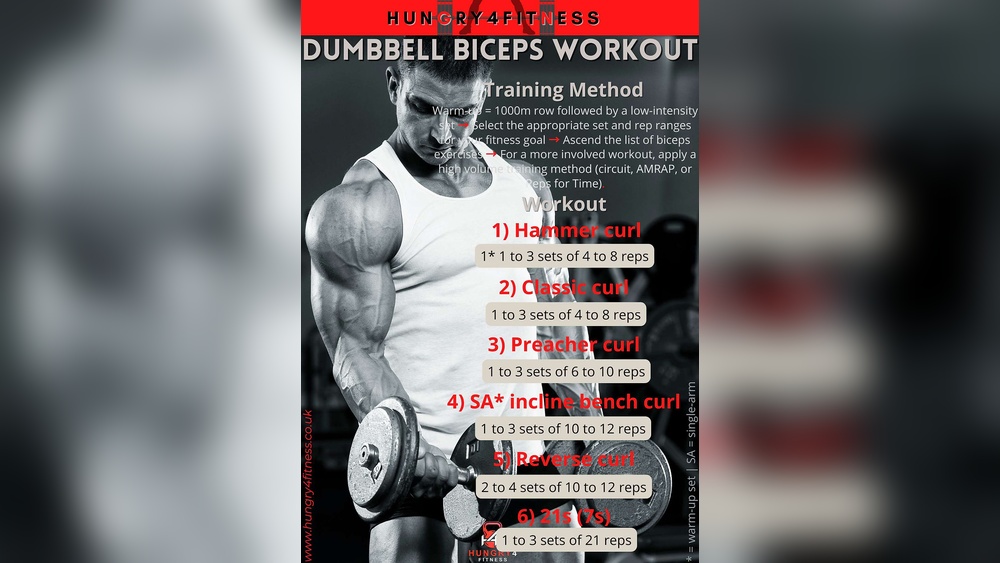
Dumbbell curls work the biceps well. They strengthen your arms and improve grip. Try dumbbell chest presses to target the chest muscles. These also engage your shoulders and triceps. Shoulder presses build strong, rounded shoulders. Bent-over rows focus on your back muscles. These moves improve posture and upper body strength.
Lower Body Moves
Dumbbell squats target the thighs and glutes. Holding dumbbells adds resistance and builds power. Lunges with dumbbells improve balance and tone your legs. Deadlifts with dumbbells strengthen hamstrings and lower back. Calf raises with dumbbells help shape the calves. These exercises support a strong and stable lower body.
Sample Dumbbell Workout Plans
Sample dumbbell workout plans help build muscle effectively. They guide reps and sets for different skill levels. Each plan fits beginners, intermediate, or advanced lifters. Follow these routines to grow strength and size with dumbbells.
Beginner Routine
Start with 2-3 sets per exercise. Aim for 10-12 reps each set. Rest for 60 seconds between sets. Focus on full-body moves like goblet squats, dumbbell presses, and rows. Train 3 days per week. This routine builds basic strength and muscle.
Intermediate Routine
Increase to 3-4 sets per exercise. Perform 8-10 reps each set. Rest for 45-60 seconds between sets. Add more exercises targeting specific muscles, such as bicep curls and shoulder presses. Train 4 days per week with split routines. This plan boosts muscle growth and endurance.
Advanced Routine
Do 4-5 sets per exercise. Lower reps to 6-8 per set. Rest for 30-45 seconds to keep intensity high. Include complex moves like dumbbell snatches and Bulgarian split squats. Train 5-6 days per week with muscle group splits. This routine maximizes muscle size and definition.
Common Mistakes To Avoid
Building muscle with dumbbells needs the right approach. Many make mistakes that slow progress or cause injury. Avoiding common errors helps you train smarter and safer.
Overtraining Risks
Training too often or too hard can harm muscles. Overtraining leads to fatigue, soreness, and weaker muscles. Rest days are as important as workout days. Muscles need time to recover and grow. Pushing too much can cause burnout and injury. Balance your sets, reps, and rest for best results.
Poor Form Issues
Using bad form wastes effort and risks injury. Incorrect posture or movement reduces muscle activation. It may cause joint pain or strains. Focus on slow, controlled motions with dumbbells. Use mirrors or ask for help to check form. Proper technique builds muscle faster and safer.

Credit: www.youtube.com
Tracking Progress And Adjustments
Tracking progress is key to building muscle with dumbbells. It helps you see improvements and avoid plateaus. Regularly checking your strength and endurance ensures you work out effectively. Adjustments keep your muscles challenged and growing.
Write down your reps, sets, and weights each session. Notice when exercises feel easier or too hard. This data guides your next workout steps.
When To Increase Weight
Increase dumbbell weight when your current load feels too light. If you can do all reps with ease, it’s time to add weight. Aim for a small jump to avoid injury. A good sign is finishing sets without muscle fatigue.
Adding weight forces muscles to work harder. This stress helps muscles grow stronger and bigger. But never sacrifice form for heavier weights. Proper technique prevents injury and ensures muscle gain.
Changing Reps And Sets
Vary reps and sets to keep muscles adapting. If you hit a plateau, try increasing reps or sets. For example, add 2 more reps or one extra set per exercise. This change boosts muscle endurance and size.
Lower reps with heavier weights build strength. Higher reps with lighter weights improve muscle tone. Mixing these methods keeps workouts fresh and effective. Track how your body responds and adjust accordingly.
Frequently Asked Questions
How Many Reps Build Muscle With Dumbbells?
Perform 8-12 reps per set to maximize muscle growth. This range effectively stimulates hypertrophy and strength gains. Focus on controlled movements and proper form to avoid injury and enhance results.
How Many Sets Are Ideal For Muscle Growth?
Aim for 3-4 sets per exercise to build muscle efficiently. This volume balances intensity and recovery, promoting muscle adaptation. Adjust sets based on your fitness level and workout goals.
Should I Increase Reps Or Weight To Build Muscle?
Increase weight gradually while maintaining 8-12 reps for muscle growth. If you can do more than 12 reps easily, raise the dumbbell weight. Progressive overload is key to continuous muscle gains.
How Often Should I Train With Dumbbells Weekly?
Train with dumbbells 3-4 times per week for optimal muscle building. Allow at least 48 hours of rest between sessions targeting the same muscle group. Consistency and recovery are crucial for growth.
Conclusion
Building muscle with dumbbells needs the right reps and sets. Choose a weight that feels challenging but safe. Aim for 8 to 12 reps per set to grow muscle. Perform 3 to 4 sets for each exercise to get good results.
Rest between sets helps your muscles recover and grow stronger. Keep your form correct to avoid injury and see progress. Track your workouts and increase weight gradually. Consistency and patience bring the best muscle gains over time. Small steps each workout lead to big changes.