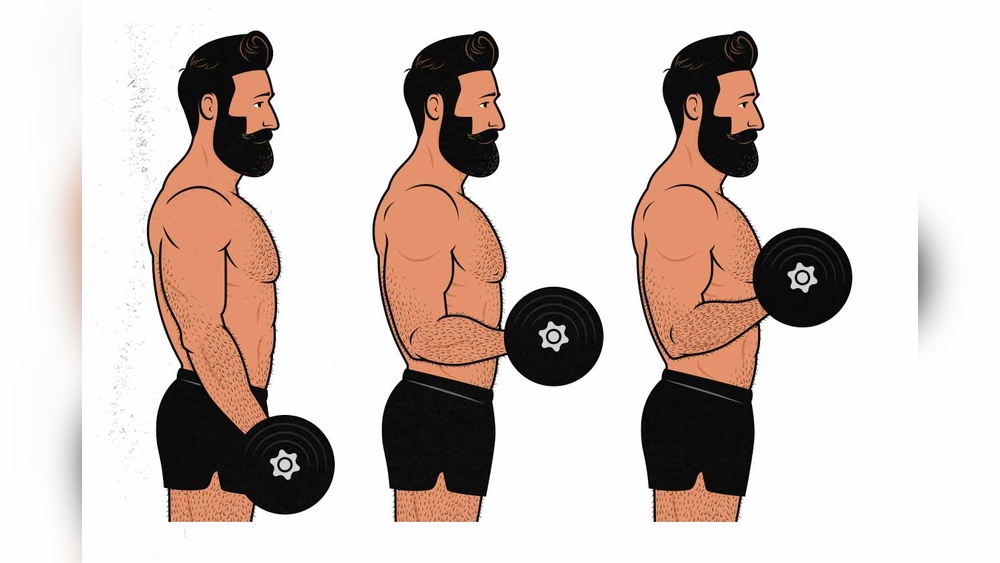
Are you wondering how many reps you should do with dumbbells to get the best results? Whether you want to build muscle, tone your body, or improve endurance, the number of repetitions you choose can make a big difference.
Getting this right means you’ll see progress faster and avoid wasting effort. You’ll discover the ideal rep ranges for your goals and how to adjust your workout to match what you want. Keep reading, because the secret to smarter dumbbell training is simpler than you think.
Choosing The Right Rep Range
Choosing the right rep range matters for your dumbbell workouts. It shapes your results. Different rep ranges target strength, muscle size, or endurance. Knowing which range suits your goal helps you train smarter. This section explains the main rep ranges and their benefits.
Low Reps For Strength
Low reps mean lifting heavy weights with fewer repetitions. Usually, this means 1 to 5 reps per set. This range builds maximum strength and power. Your muscles work hard to lift heavy dumbbells. Rest between sets is longer to recover fully. This training suits those who want to get stronger fast.
Moderate Reps For Hypertrophy
Moderate reps help increase muscle size. Typically, this is 6 to 12 reps per set. The weight is lighter than low reps but still challenging. This range causes muscle fibers to grow bigger. Shorter rest periods keep muscles under tension longer. It is ideal for those aiming to build muscle mass.
High Reps For Endurance
High reps improve muscle endurance and stamina. This means 15 or more reps per set. The weight is lighter and easier to lift many times. Muscles learn to sustain effort for longer periods. Rest times are shorter to keep the heart rate up. This approach fits those who want better muscle endurance and tone.
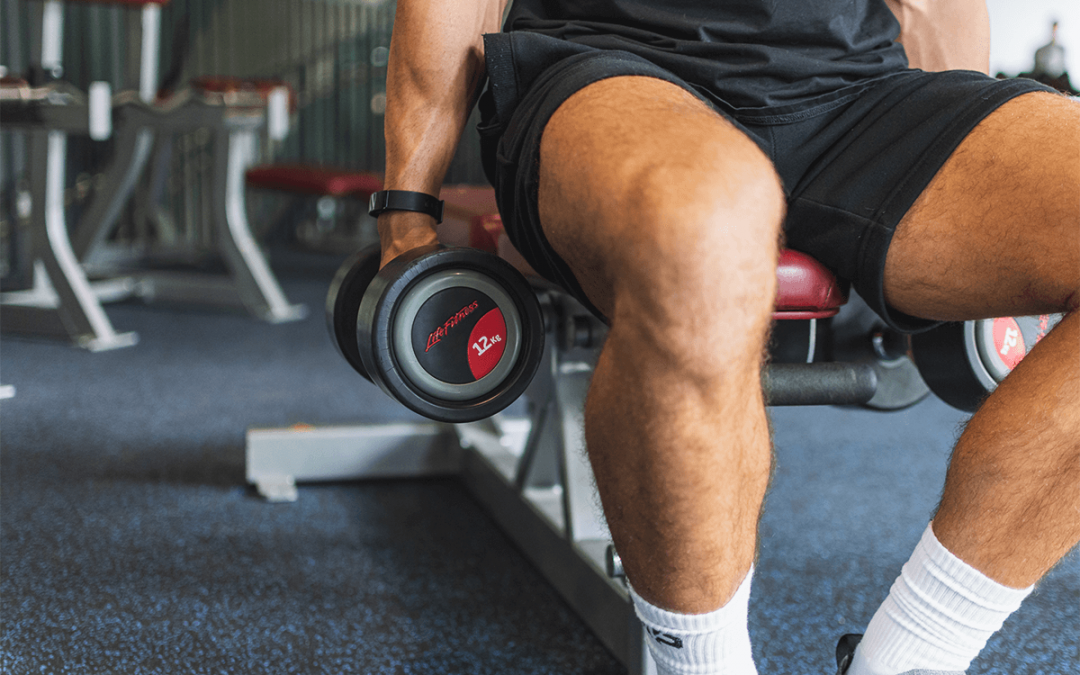
Credit: www.hussle.com
Factors Influencing Rep Counts
Choosing the right number of reps with dumbbells depends on several key factors. These factors guide how many repetitions you should perform to match your needs. Understanding them helps you get better results and avoid injury.
Fitness Goals
Your fitness goals shape how many reps you should do. For building strength, fewer reps with heavier weights work best. Usually, 4 to 8 reps per set focus on strength. For muscle size, moderate reps around 8 to 12 are ideal. If endurance is your goal, higher reps of 15 or more help your muscles last longer.
Experience Level
Beginners need to start with lower reps and lighter weights. This approach helps learn proper form and avoid injury. Starting with 10 to 15 reps is common for new lifters. Advanced lifters can handle heavier weights and lower reps. Their muscles adapt to more stress and can recover faster.
Type Of Exercise
Different exercises call for different rep counts. Compound moves like squats or bench presses usually use lower reps. These exercises work many muscles and need more strength. Isolation exercises, such as bicep curls, often use higher reps. These focus on one muscle group and help with muscle tone.
Rep Recommendations By Workout Type
Choosing the right number of reps with dumbbells depends on your workout goals. Different types of training require different rep ranges. This helps you get the best results from your exercises.
Strength Training With Dumbbells
For building strength, use heavier weights and fewer reps. Aim for 4 to 6 reps per set. Rest longer between sets to recover fully. Focus on slow and controlled movements. This approach helps increase your muscle power.
Muscle Building Sessions
To grow muscle size, pick a moderate weight. Do 8 to 12 reps per set. Keep rest periods short, about 30 to 60 seconds. This keeps muscles under tension and promotes growth. Use good form to avoid injury.
Endurance And Conditioning
For endurance, choose lighter weights and higher reps. Perform 15 to 20 reps or more per set. Short rest times help improve stamina and heart health. This method trains your muscles to last longer during activity.
:max_bytes(150000):strip_icc()/Strength-training-sets-based-on-goals-1231231-ca194f1a2bb84d819666a9da1aff3338.jpg)
Credit: www.verywellfit.com
Adjusting Reps For Progress
Adjusting the number of reps with dumbbells is key to steady progress. Your muscles need new challenges to grow stronger. Changing reps can help you avoid boredom and keep improving.
Finding the right balance depends on your goals and how your body responds. This section explains how to adjust reps smartly for continuous gains.
Listening To Your Body
Pay attention to how your muscles feel during and after workouts. Soreness is normal but sharp pain is a warning. If reps feel too easy, try adding more. If fatigue is too high, reduce the reps or weight. Rest and recovery matter as much as training.
Progressive Overload Techniques
Gradually increase reps to challenge your muscles. Start with a number you can manage well. Add one or two reps each week. Another way is to increase the dumbbell weight while keeping reps steady. Small changes over time build strength and endurance.
Avoiding Plateaus
Plateaus happen when progress stalls. Changing reps breaks the routine and forces muscles to adapt. Switch between higher reps with lighter weights and lower reps with heavier weights. Variety keeps your workouts fresh and effective. Track your reps and weights to spot plateaus early.
Common Mistakes With Reps
Many people make mistakes with reps during dumbbell workouts. These errors can slow progress and cause injury. Understanding common mistakes helps improve your training results. Focus on safe and effective rep habits.
Overtraining Risks
Doing too many reps can strain your muscles. Overtraining leads to pain and exhaustion. It stops your muscles from healing properly. This delays strength and size gains. Balance your reps to avoid burnout.
Ignoring Form
Bad form reduces workout benefits. It can cause joint pain and injury. Focus on slow, controlled movements. Proper form protects your body and targets muscles well. Quality reps beat quantity every time.
Neglecting Rest Periods
Skipping breaks between sets harms muscle growth. Rest lets muscles recover and get stronger. Without rest, your performance drops quickly. Plan short rests to keep energy and improve results.

Credit: www.stansellfit.com
Sample Dumbbell Workouts By Rep Range
Understanding rep ranges helps tailor dumbbell workouts to your goals. Different rep counts target strength, muscle growth, or endurance. Sample routines show how to vary reps for each purpose. These examples help you plan effective dumbbell sessions. Follow them to train smarter and see better results.
Strength Focused Routine
Use heavy dumbbells with low reps to build strength. Aim for 4 to 6 reps per set. Perform 3 to 5 sets of each exercise. Rest 2 to 3 minutes between sets for full recovery. Exercises like dumbbell bench press and goblet squats work well. Focus on slow, controlled movements to maximize power.
Hypertrophy Targeted Plan
Choose moderate weight dumbbells for muscle growth. Perform 8 to 12 reps per set. Complete 3 to 4 sets with 60 to 90 seconds rest. Include exercises such as dumbbell curls and shoulder presses. Keep a steady pace and good form. This rep range causes muscle fatigue and growth.
Endurance Training Example
Light dumbbells with high reps improve muscle endurance. Do 15 to 20 reps per set. Perform 2 to 3 sets with short rests of 30 to 45 seconds. Try exercises like dumbbell lateral raises and tricep kickbacks. Maintain consistent speed to build stamina. This plan helps muscles work longer without fatigue.
Frequently Asked Questions
How Many Reps Build Muscle With Dumbbells?
To build muscle, aim for 6-12 reps per set with challenging weights. This range promotes muscle growth and strength. Use proper form and rest 30-90 seconds between sets for best results.
What Rep Range Improves Muscular Endurance?
For endurance, perform 12-20 reps per set with lighter dumbbells. This helps increase stamina and muscle fatigue resistance. Keep rest periods short, around 30 seconds, to boost endurance effectively.
How Many Reps Help With Fat Loss?
To support fat loss, use moderate weights for 12-15 reps. Combine with high-intensity interval training and proper diet. This rep range increases calorie burn and maintains muscle mass during weight loss.
Should Reps Vary By Workout Goals?
Yes, reps vary based on goals: lower reps build strength; higher reps improve endurance. Tailor your rep range to match muscle gain, endurance, or fat loss objectives for optimal results.
Conclusion
Choosing the right number of dumbbell reps depends on your goals. For strength, do fewer reps with heavier weights. To build muscle, aim for moderate reps and weight. For endurance, use lighter weights and more reps. Always listen to your body and rest as needed.
Consistency matters most in any workout plan. Keep practicing, and you will see steady progress. Simple steps lead to great results over time.